The U.S. abuse of tariffs will hurt American consumers and cause uncertainty to the global economy, according to Hugo Alexandre Meneses Fonseca, deputy minister of Economic Development and Technological Innovation of the northeastern Brazilian state of Rio Grande do Norte.
On July 30, the U.S. government announced that it would impose tariffs of up to 50 percent on Brazilian exports. According to a statement from the White House, the new measure adds 40 percentage points to an existing 10 percent baseline tariff. Major Brazilian exports, including coffee and meat, are expected to be significantly impacted.
Several states in northeastern Brazil have been severely impacted following the U.S. announcement, particularly those engaged in exports of seafood, sea salt and sugar products.
Rio Grande do Norte's exports to the U.S. totaled 240 million U.S. dollars in 2024, but this year's exports could drop by 30 to 40 percent due to the high tariffs, Fonseca noted.
"About 96 percent of our exports to the U.S. are subject to a 50-percent tariff, while the remaining 4 percent face a 10-percent tariff. The main products affected by the 50 percent tariff include caramel and sugar products, with sea salt also facing significant challenges. Rio Grande do Norte is the largest sea salt producer in Latin America, with roughly 70 percent of its production destined for the U.S. market. Losses from this single product could reach 70 to 80 million U.S. dollars by year end," he said.
The U.S. abuse of tariffs not only has adverse consequences for its own economic development, but also jeopardizes global economic stability, according to Fonseca.
"Donald Trump may believe that imposing tariffs will yield short-term benefits, but these benefits are unsustainable in the medium to long term. Ultimately, it is American consumers who will suffer, which will negatively impact the U.S. economy in the longer run. The frequent changes in U.S. policy will create uncertainty worldwide. If this situation isn't addressed in the next few years, the risk of global economic instability and crisis will grow," he said.
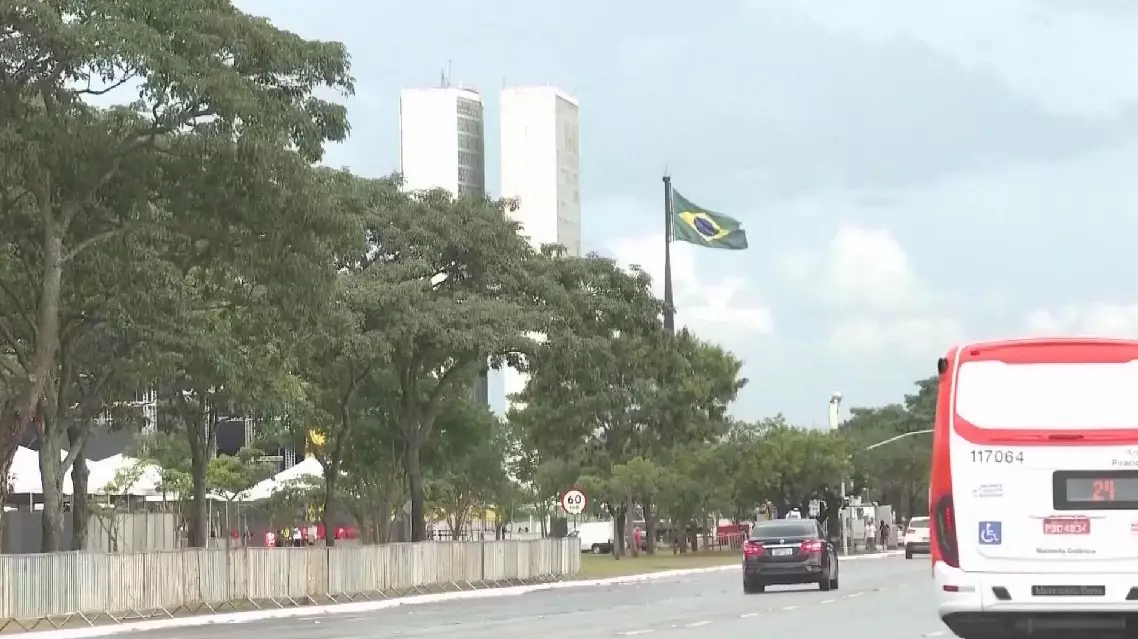
U.S. tariffs undermine global economic stability: Brazilian official