Costa Rica's coffee industry insiders said they will actively explore other overseas markets in response to the adverse effects of the tariffs imposed by the United States.
Costa Rica produces high-quality coffee, with about 85 percent of its output exported. The United States has long been its largest export destination. The US imposed a 15-percent tariff on Costa Rica, effective August 17, casting a shadow over the country's coffee exports.
The Tarrazu Valley, located in the central highlands of Costa Rica, is about 1,200 to 1,900 meters above sea level. Its volcanic ash soil is rich in minerals and is thus known as a golden area for growing coffee. Exports from the region account for about one-third of the country's total.
The Tarrazu Coffee Cooperative is an organization comprising nearly 5,000 coffee farmers and producers, managing the entire process from picking and processing to storage and export. The cooperative executives stated that the US tariffs will have a severe impact on exports to the US. In response, the cooperative has intensified its efforts to diversify its exports, with European and Asian markets being its top priorities.
"We are looking for new markets and new market positioning. We say that the United States is not the world, the world is bigger than the US," said Gustavo Elizondo, head of corporate relations of Tarrazu Coffee Cooperative.
The impact is expected to go beyond the coffee industry. According to data from 2024, 46 percent of Costa Rica's products are exported to the United States. The imposition of a 15 percent tariff will affect various aspects, including production and employment.
"We mainly export medical devices, bananas, pineapples, coffee, cassava and some other food products. However, the tariffs may make us lose our export competitiveness, thus affecting production, domestic demand and employment," said Roxana Morales Ramos, an economist from the National University of Costa Rica.
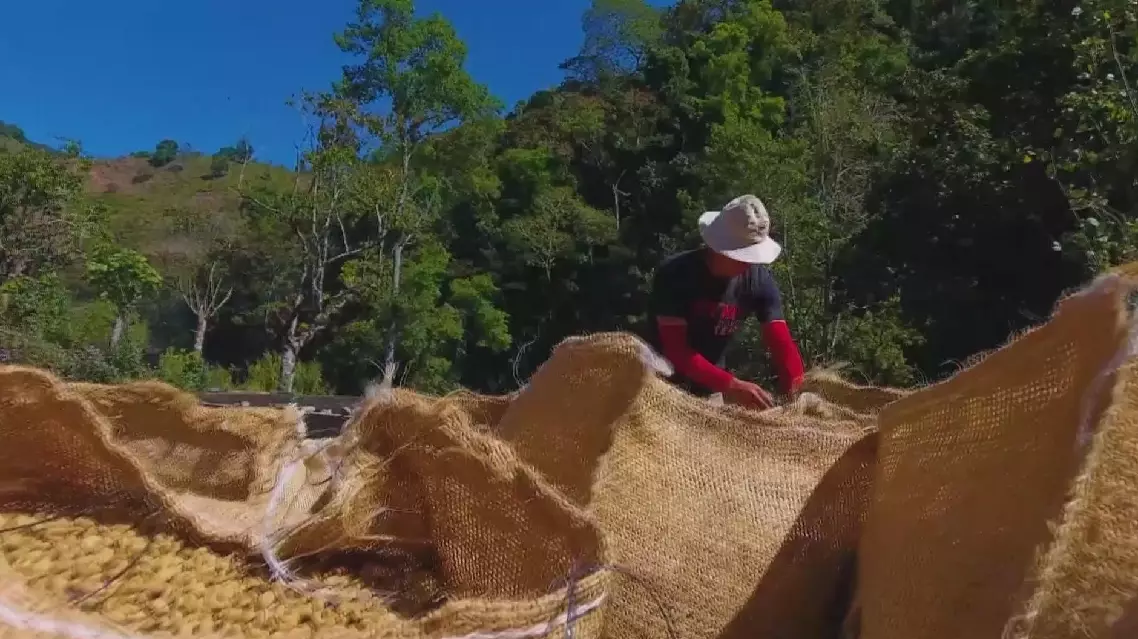
Costa Rica explores broader markets for coffee export due to US tariffs
Iran's official news agency IRNA said on Sunday the country has rejected taking part in the second round of the peace talks with the United States, after U.S. President Donald Trump said new negotiations would take place in Pakistan on Monday evening.
"My Representatives are going to Islamabad, Pakistan -- They will be there tomorrow evening, for Negotiations," Trump wrote in his Truth Social post on Sunday.
Trump also said that the U.S. has offered a "fair and reasonable" deal, and if Iran reject the deal, the U.S. will "knock out every single Power Plant, and every single Bridge, in Iran."
Iran's absence from the second round of talks "stems from what it called Washington's excessive demands, unrealistic expectations, constant shifts in stance, repeated contradictions, and the ongoing naval blockade, which it considers a breach of the ceasefire," IRNA said in a post on its English account on social media platform X.
In another report published in Farsi, IRNA said reports released about the second round of peace talks between Tehran and Washington in Islamabad are "not true."
It described the reports released by the United States as part of a "media game and in line with the blame game" to pressure Iran, stressing that the U.S. "excessive, illogical and unrealistic demands, frequent changing of positions, constant contradictory remarks, continuation of the so-called naval blockade" have so far prevented the negotiations' progress.
IRNA added under the present circumstances, there is "no bright prospect" for fruitful negotiations.
On Feb. 28, Israel and the United States launched joint attacks on Tehran and several other Iranian cities, killing Iran's then Supreme Leader Ali Khamenei, along with senior military commanders and civilians. Iran responded by launching waves of missile and drone strikes targeting Israel and U.S. bases and assets in the Middle East, and exercising tight control over the Strait of Hormuz.
A ceasefire was achieved between the warring parties on April 8, which was followed by lengthy talks between the Iranian and U.S. delegations in Pakistan's capital Islamabad on April 11 and 12. After the peace negotiations in Islamabad collapsed, the United States imposed its own blockade on the waterway.
The Iranian and U.S. delegations were reportedly expected to hold another round of peace talks in Pakistan soon.
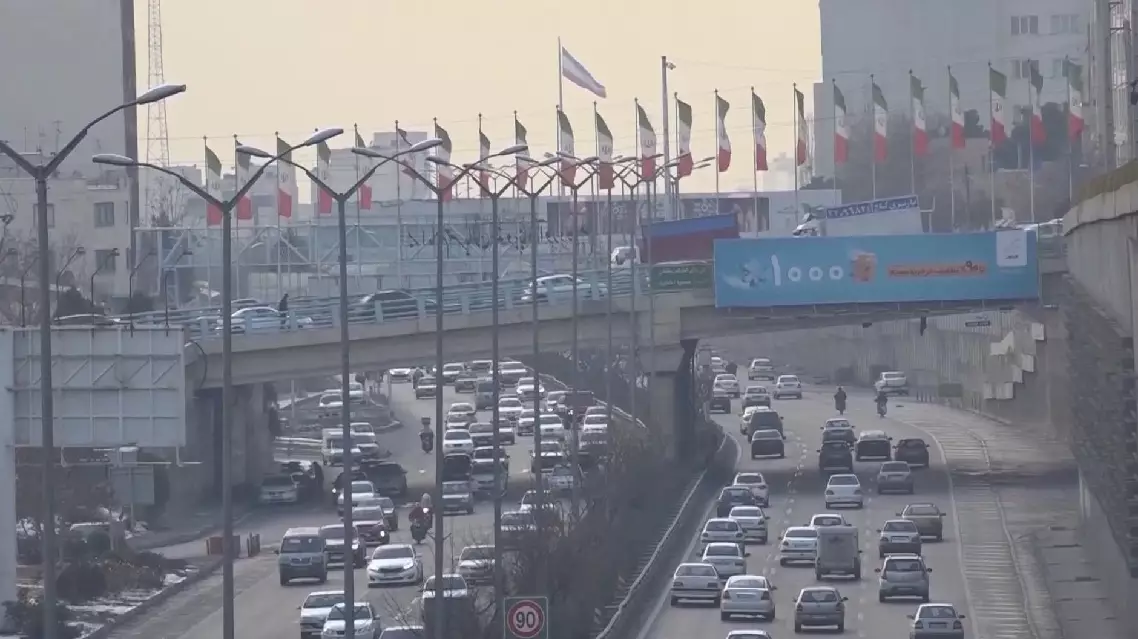
Trump affirms new round of talks in Pakistan while Iran rejects