Boutique coffee shops are brewing fresh allure into the ancient city of Lhasa in southwest China's Xizang Autonomous Region, sparking new business opportunities while captivating young visitors.
As the regional capital, Lhasa is known for its charming aesthetics and rich Tibetan culture, but in recent years it has also seen a sudden explosion in the popularity of coffee, with hundreds of cafes popping up across the city.
Tsomo is the operator of Lhasa Nindo Coffee, the first boutique coffee brand in Xizang. Her coffee blends elements of classic Xizang cuisine into its coffee-making process, offering new experiences for both locals and visitors.
She revealed that one of the most popular items on sale is called the 'Lhasa Latte', which brings together the finest ingredients from the region into one satisfying cup.
"This is our store's best-selling product, and it's our original creation, called the Lhasa Latte. We've added some yak milk curds, yak milk butter, and highland barley popcorn to the coffee, aiming to let customers experience the wonderful fusion of local Xizang ingredients with coffee," she said.
Tsomo had previously spent ten years working in Shanghai before returning to her hometown of Lhasa to start the business. She hopes to utilize the wide appeal of coffee as a modern medium to showcase a different side of Xizang.
"Many people's main impression of Xizang is its stunning natural scenery and profound cultural heritage. I actually want to use coffee, a relatively new medium, to let more people know that we in Xizang also enjoy drinking coffee, and that we have these modern specialty blends," she said.
Meanwhile, some coffee shop owners are also capitalizing on their prime locations to offer customers unique experiences which fully showcase all the city has to offer.
Shen Weiwei's coffee shop, situated directly opposite Lhasa's iconic Potala Palace, draws visitors not only for its tasty coffee but also for its unrivaled photography point. To elevate the customer experience, Shen has invested in advanced equipment including a jib camera and even hired a professional photography team to help capture stunning photos for customers.
He said he has observed a real tourism boom over the last decade as people with more disposable income are coming to visit.
"Currently, our daily revenue is around 30,000 yuan (about 4,100 U.S. dollars). I've been in the tourism industry for 12 years since 2013, starting with hosting budget travelers and couchsurfers. Now, there are more tourists [traveling in Xizang] with small group tours, independent travel, and self-driving trips. The change shows that people are becoming wealthier, and our tourism market is becoming more standardized. The entire industry is flourishing," said Shen.
The thriving coffee sector is helping infuse the region with even more flavor, with business owners keen to welcome more people and impressed visitors urging others to come and see for themselves.
"I feel that the whole of Xizang, including Lhasa, is becoming more and more vibrant," said Tsomo.
"I think Xizang is a place that everyone must visit at least once in their lifetime," said Xie Yumeng, a tourist.
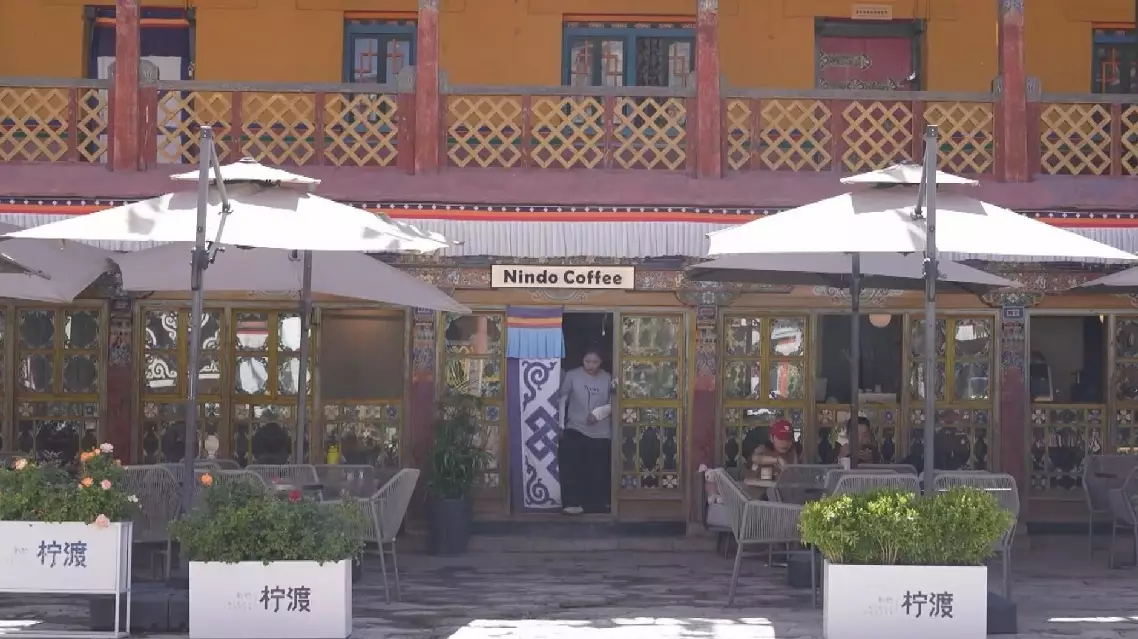
Boutique coffee brews new charms, drives tourism in Xizang
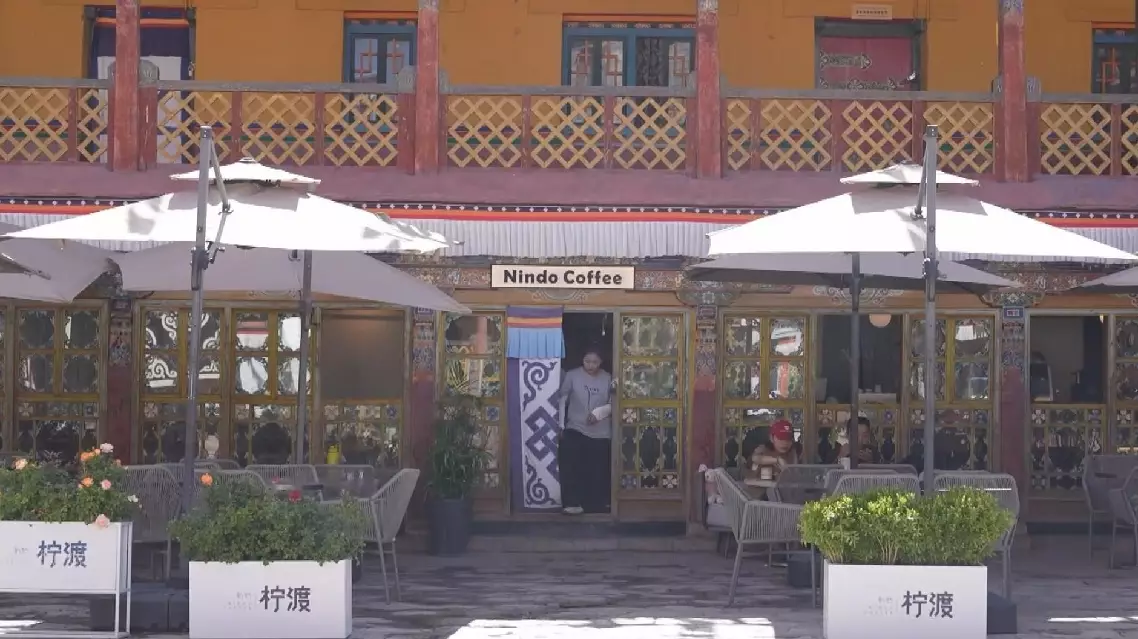
Boutique coffee brews new charms in Xizang