By the end of July 2025, the number of charging piles for electric vehicles in China had reached more than 16.69 million units, marking a 53 percent year-on-year increase, according to data released by the National Energy Administration (NEA) on Friday.
The figure includes 4.202 million public charging units and 12.494 million private units, showing a year-on-year increase of 38 percent and 58.8 percent, respectively.
China will build a new energy infrastructure for a zero-carbon society, and expedite the development of a new power system to propel the ongoing transformation of the country's energy sector throughout the 15th Five-Year Plan period (2026-2030).
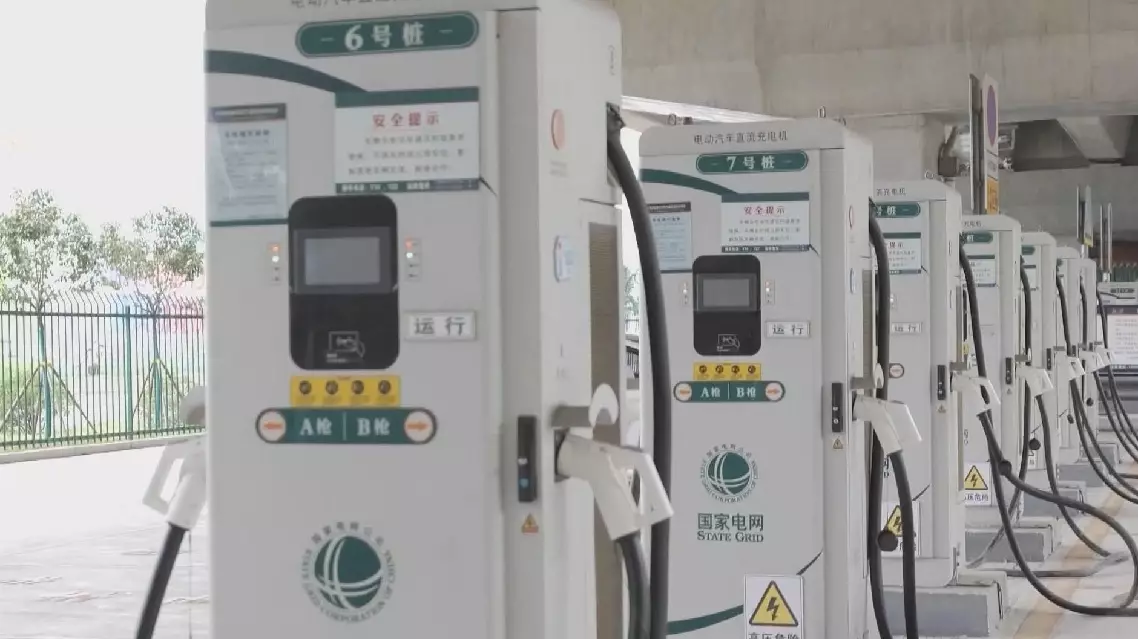
Over 16 million charging piles built in China to support EV
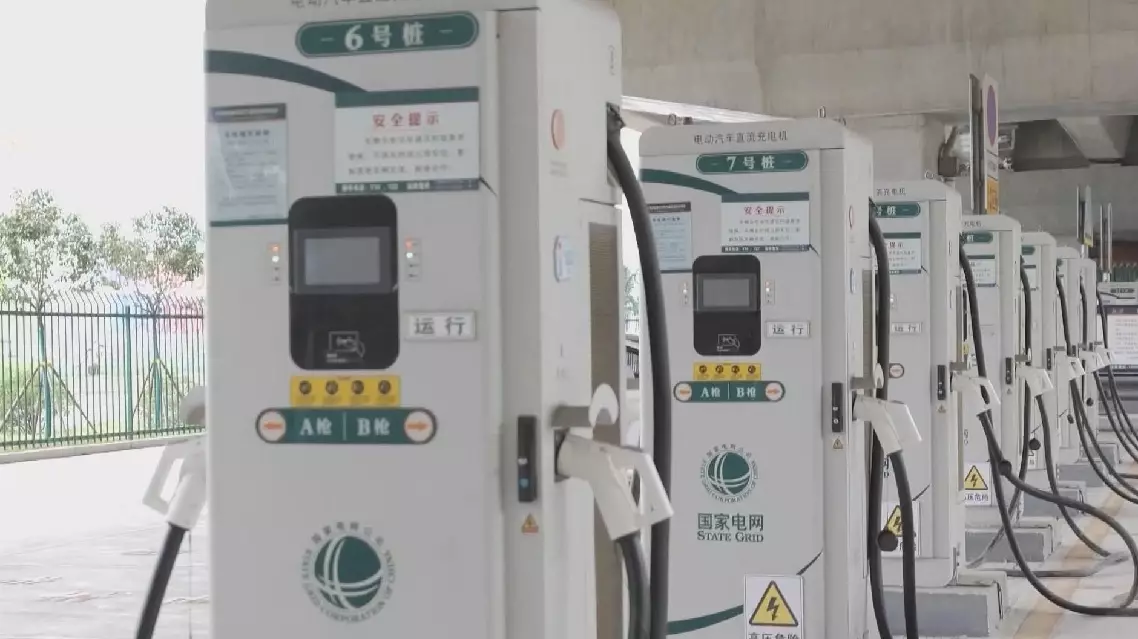
Over 16 million charging piles built in China to support EV
A large number of international guests have been drawn to Ninghai County in east China's Zhejiang Province, immersing themselves in the culture of its villages and enjoying warm welcomes from local people eager to share their traditional practices.
Recently, a traditional long-table banquet was held in the county's Qiantong Ancient Town, an exceptionally well-preserved town built during the Song Dynasty (960–1279).
Given the rising popularity of rural tourism in China, it was no surprise that the 300 tickets for the event sold out within a few minutes. However, local organizers had not expected the event to bring so many guests from overseas to the 200-meter-long table.
"I especially like the tall (long) table, it's actually a new experience for me," said an international visitor.
"The atmosphere here is lively and I really like it. The dishes arrived still hot, crispy and delicious," said another overseas guest.
Inspired by the stories of Xu Xiake, an explorer and travel writer from the Ming Dynasty (1368-1644), more than 100 overseas students also visited old villages in the county, where they learned traditional crafting techniques like paper cutting.
"I can experience traditional culture and I also like that in this village. There are some old traditional things," said an overseas student.
"This place is so beautiful, with many delicious foods," another student said.
The students also learned to make a kind of traditional dessert that symbolizes good wishes for longevity.
"It's my first time to see it. It's very interesting. I want to learn new things," said one of the students.
"I feel really amazed there, really happy. I was really enjoying this experience to do it," said another.
Local people were more than willing to share these ancient practices with young people from around the world.
"Through hands-on experience, our foreign friends can more easily understand our traditional culture. Our communication like this is more sincere and unforgettable," said Liang Lanlan, an intangible cultural heritage inheritor.
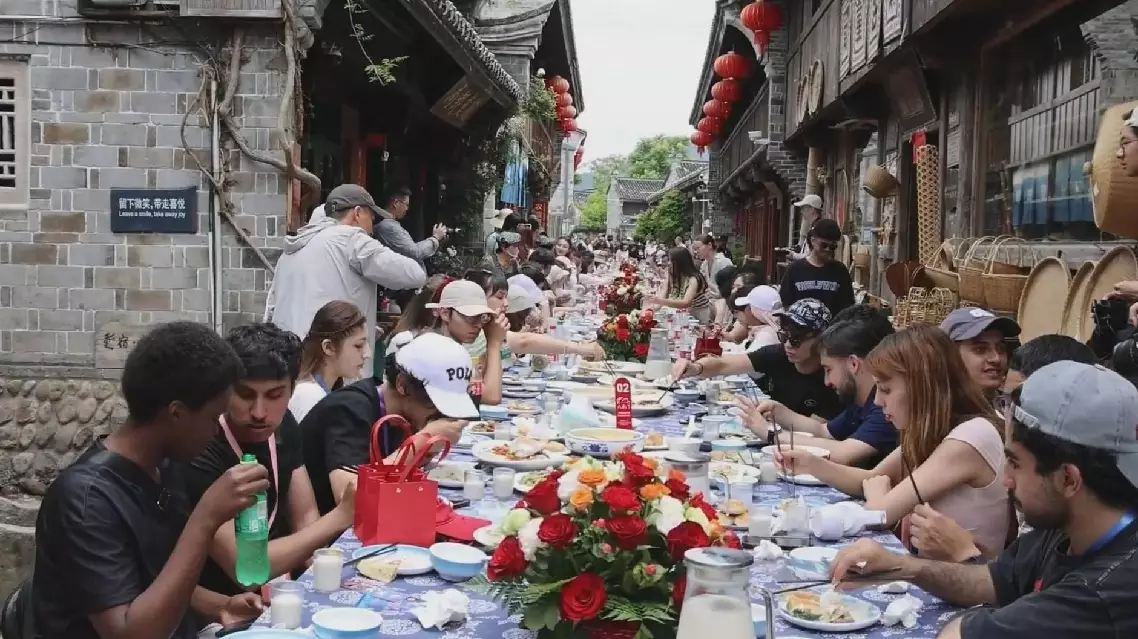
Traditional culture in east China county draws international guests