Scores of tourists streamed into the Memorium Nuremberg Trials in Germany on the 80th anniversary of the historic proceedings, drawn by a shared desire to understand how remembering the past can shape education and safeguard the future.
The Memorium Nuremberg Trials in Germany, which stands on the original site of the judgment since 2010, exhibits a great deal of historical photos, documents and video records of the 216 trials held in 1945 and 1946.
The trials, held between November 1945 and October 1946, prosecuted prominent members of Nazi Germany's political, military, judicial and economic leadership who planned, carried out or participated in the Holocaust and other war crimes during World War II.
"The Memorium Nuremberg Trials was finally completed here in 2010. We initially received around 20,000 to 30,000 visitors each year. Now, the number of visitors we receive annually is approximately 160,000. The significant increase in the number is indeed a challenge, but of course, it also confirms the importance of this memorial method," said Axel Fischer, a research associate at the Memorium Nuremberg Trials.
Among the visitors, there are both young and older generations.
Fisher said many schools organized students to visit the place for on-site study and the history of the Nuremberg trials should be given more attention in education. Many visitors also expressed that remembering history is very important for the education of the next generation.
"We always thought that Nuremberg was an important place. So coming here and seeing all these pictures, listening to the memories of people that were present at that time, is for us something very important, because it is still reminding us where we are coming from. And I hope that even can teach something to our children. Maybe not today, but maybe when they will be a little bit older. Maybe they can understand what you don't have to do, if you want to become part of a history on the wrong side. And what you have to do if you want to grow and be able to live with the others in peace," said an Italian visitor.
"Honestly, a very powerful one [exhibition]. It's something that we need to remember and something that we need to keep in mind, especially regarding things going on today," said a visitor from Romania.
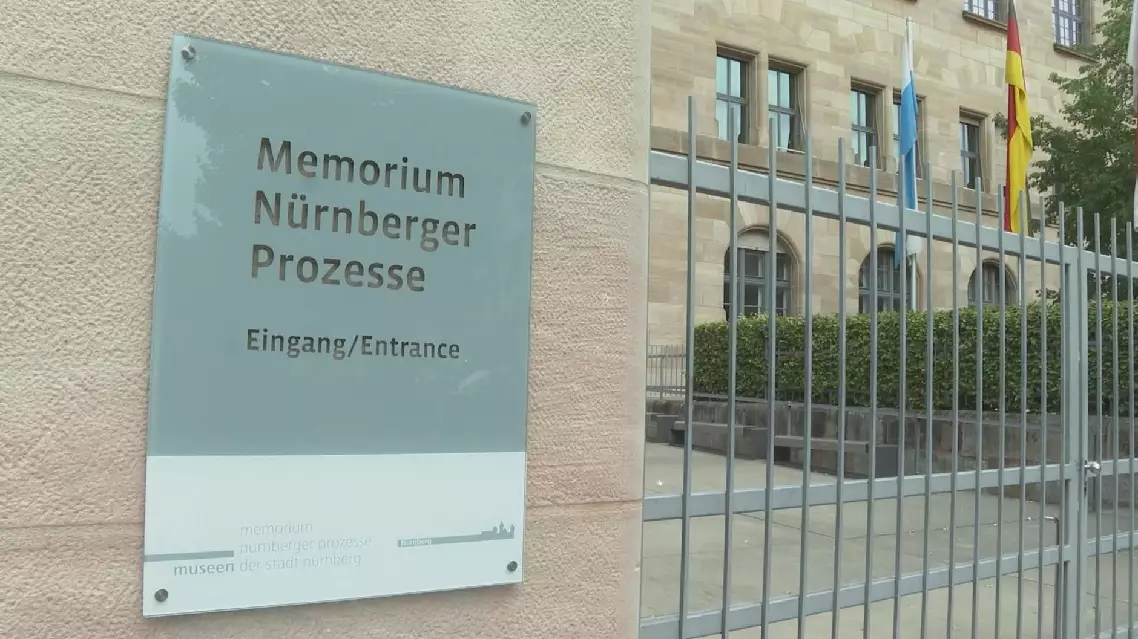
Germany's memorial hall refreshes visitors' memories of WWII
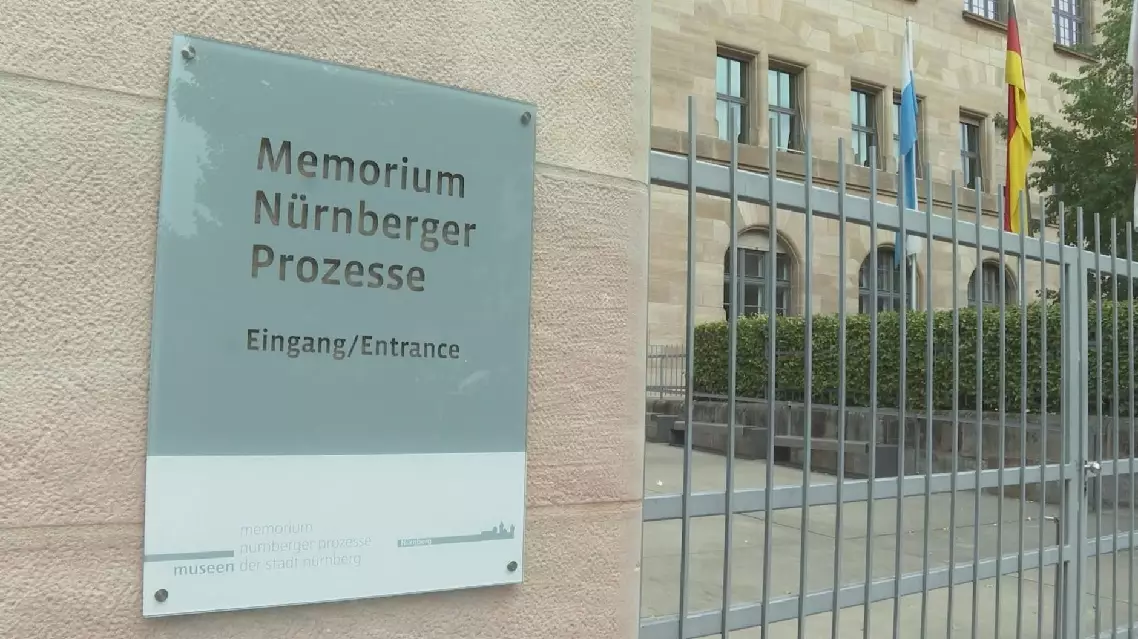
Germany's memorial hall refreshes visitors' memories of WWII
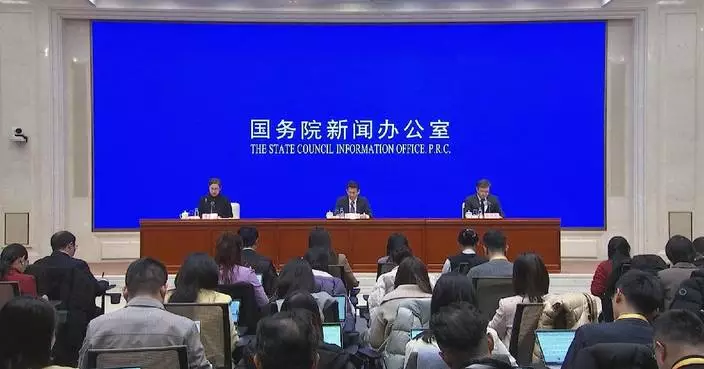
Foreign diplomats and scholars are looking closely at this year's "two sessions", saying China's 15th Five-Year Plan (2026-2030) will not only chart the nation's economic and technological priorities but also reshape global value chains.
The fourth session of the 14th National Committee of the Chinese People's Political Consultative Conference (CPPCC), the nation's top political advisory body, opened on Wednesday, followed by the annual session of the National People's Congress (NPC) on Thursday. Together known as the "two sessions," these meetings offer a comprehensive view into China's development priorities.
Global observers emphasized that the 15th Five-Year Plan, a blueprint guiding the nation's economic, social, and technological priorities over the next five years, marks a decisive shift toward high‑quality growth anchored in advanced technologies, with ripple effects across the world.
"The two sessions will discuss China's five-year plan, which is heavily oriented toward China's major technological development. I believe this is important because it represents the new blueprint for China's economy, which is now oriented toward the renowned high-quality development, and this will undoubtedly impact the entire world. I think it is worth studying. This is very important for Latin America. It will help us integrate more intelligently into global value chains and into all aspects of the major development that China is promoting in iconic industrial sectors, such as artificial intelligence, quantum computing, and space development, where Latin America also has much to contribute beyond just commercial growth," said Gustavo Sabino Vaca Narvaja, former Argentine Ambassador to China.
"The two sessions are a major political milestone in China, and this year's gathering carries even greater significance as this year marks the start of the 15th Five-Year Plan. This plan represents not only a blueprint for China, but also a guide for other countries. Instruments like the five-year plan effectively provide greater certainty and predictability for the rest of the world," said Chilean scholar of international relations Ignacio Araya Heredia.
"This is a particularly important date, especially due to the fact that the next Five-Year Plan shall be positioned and we're going to see what its main elements shall be. Serbia, which has a very high degree of steel friendship with the People's Republic of China, can expect further assistance in identifying the most prominent areas of Serbian economy and being helped by its great partner, such as it has been done in the previous period, from one part with establishing the main infrastructure projects, but also reshaping the industrial sector of Serbia, not just Serbia, but the region as a whole," said Veljko Mijuskovic, assistant professor of the Faculty of Economics of the University of Belgrade.
Beyond the policy framework, experts also pointed to China's achievements in green energy and technological innovation as models worth emulating.
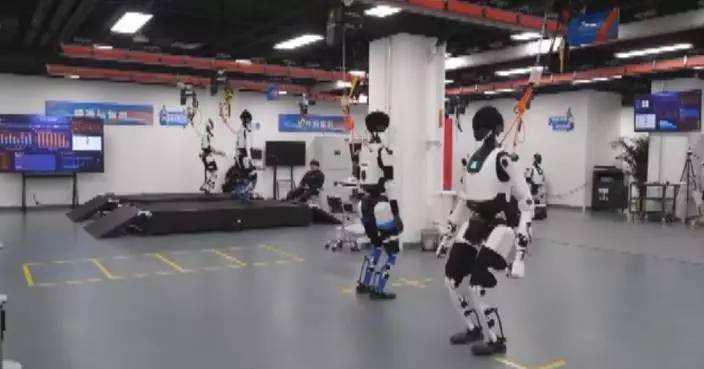
Tomasz Bielinski, adjunct professor at the University of Gdansk's Faculty of Economics, said the robotics displays at the 2026 China Media Group (CMG) Spring Festival Gala reflected China's broader push in technological innovation.
"I was really impressed about the robotics. I'm very impressed with Chinese development in the technological field, we can still make great deals with Chinese businessmen and we can cooperate together to use this technology for both the good of China and the European Union. I'm aware of the innovation especially in autonomous drive on the on the Chinese side," he said.
"We hope for more of China's economic cooperation, especially in trade and also in investment. Also, and the other focus, if I talk about the focus of the development, don't forget about the green energy. We know that China is great in the electric vehicle field. So because China's electric vehicles in Indonesia nowadays, since couple of years ago, are very, very popular," said Al Busyra Basnur, president of the Indonesia-China Friendship Association.
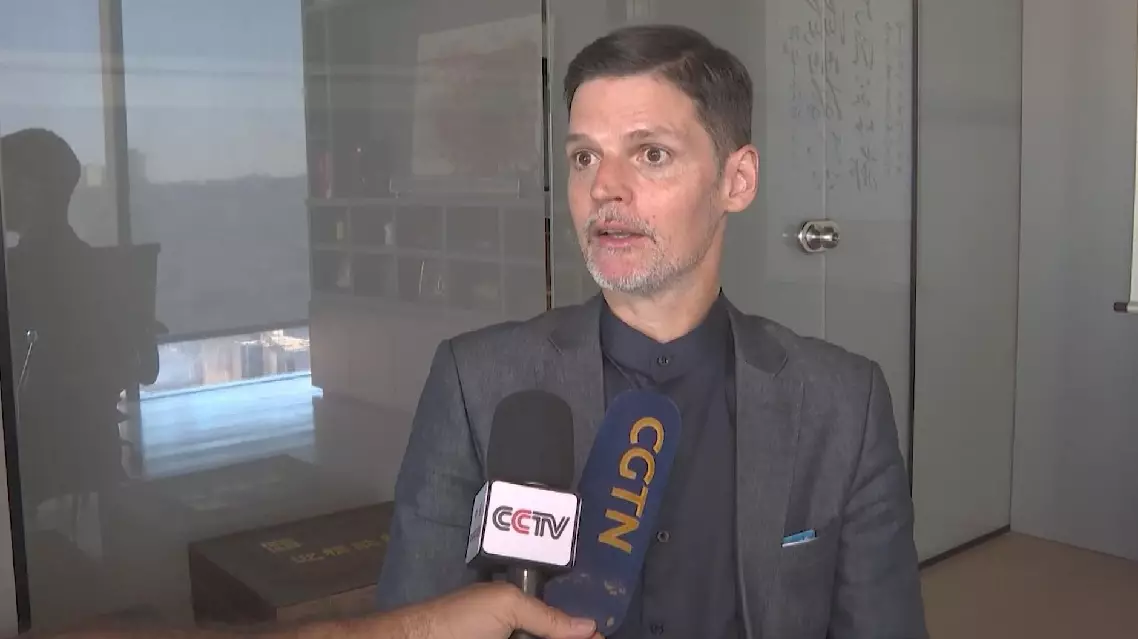
Observers see China's new five-year plan driving high-quality development, global tech shifts