The Palestinian death toll in the Gaza Strip has risen to 62,744, with 158,259 others injured since the conflict between Hamas and Israel erupted on Oct 7, 2023, Gaza's health authorities said in a statement on Monday.
Over the past 24 hours alone, Israeli offensives in the enclave have killed 58 people and wounded 308 others, the statement noted.
Since Israel resumed military operations in Gaza on March 18 this year following a brief ceasefire, 10,900 people have been killed and another 46,218 injured, according to the statement.
The Israel Defense Forces (IDF) launched extensive bombing raids across the Gaza Strip early on Monday.
The airstrikes destroyed a residential building in the northwestern part of Gaza City, killing two people and injuring a number of others, according to a medical worker at Al-Shifa Hospital.
A tent housing displaced Palestinians was also hit in Israeli attacks on the southern city of Khan Younis, killing one and injuring seven.
In central Gaza's Deir al-Balah, an aid delivery team was targeted in an Israeli strike, killing three, according to the health authorities.
Medical institutes were also targeted by Israeli forces, including an attack on the Nasser Medical Complex in Khan Younis, where at least 14 people were killed, including three journalists.
Over 200 journalists have lost their lives in Israeli attacks on Gaza since Oct 2023.
According to records provided by local hospitals, 11 people died from hunger and malnutrition over the past 24 hours, including two children.
Medical institutes said the total death toll from famine and malnutrition in Gaza had reached 300, including 117 children.
The United Nations Relief and Works Agency for Palestine Refugees in the Near East (UNRWA) warned that malnutrition rates among children under five in the Gaza Strip doubled between March and June this year due to ongoing Israeli blockade.

Palestinian death toll in Gaza rises to 62,744
The price of aluminum, a key industrial metal used in automotive manufacturing, construction and packaging, has been climbing as production cuts in the Gulf region, logistical constraints and Iranian attacks on two regional producers over the weekend tightened supply.
On March 31, the benchmark London Metal Exchange (LME) three-month price for aluminum rose to 3,535 U.S. dollars per metric ton, a year-on-year increase of around 40 percent.
Iran's Islamic Revolutionary Guard Corps (IRGC) said on Sunday that they launched missile and drone strikes on aluminum plants in Bahrain and the UAE that are linked to the U.S. military and aerospace industries, in retaliation for U.S.-Israeli attacks on Iranian steel factories.
Emirates Global Aluminium issued a statement saying that its Al Taweela site in the Khalifa Economic Zone in Abu Dhabi was severely damaged after Iranian strikes, with some employees injured.
Aluminum Bahrain confirmed in a statement on Sunday that some of its facilities were struck by Iranian attacks, resulting in injuries to two employees.
The two aluminum plants have a combined annual output of 3.2 million tons, more than half of the approximately 6 million tons of aluminum produced every year by Gulf Cooperation Council (GCC) member states.
The region is a key source of aluminum supply, accounting for about 9 percent of global production.
Goldman Sachs on Tuesday raised its LME aluminum price forecast from 3,200 U.S. dollars to 3,450 U.S. dollars per ton for the second quarter of 2026 after the attacks on the facilities.
Goldman Sachs also predicted a global primary aluminum market supply deficit of 570,000 tons in 2026, a sharp turnaround from its previous forecast of a 550,000-ton surplus.
Analysts point out that the aluminum market is currently facing multiple shocks, with shipping in the Strait of Hormuz disrupted, aluminum production facilities in the Gulf damaged or even shut down, and production in other parts of the world currently limited.
The impact will also spread to downstream enterprises in the coming months, with higher-cost aluminum alloys, primarily used in the aerospace, automotive, and construction industries, facing the most constrained supply, analysts said.
The Gulf region has long been a significant source of these high-end products, particularly for the European market, and also supplies manufacturers in the United States.
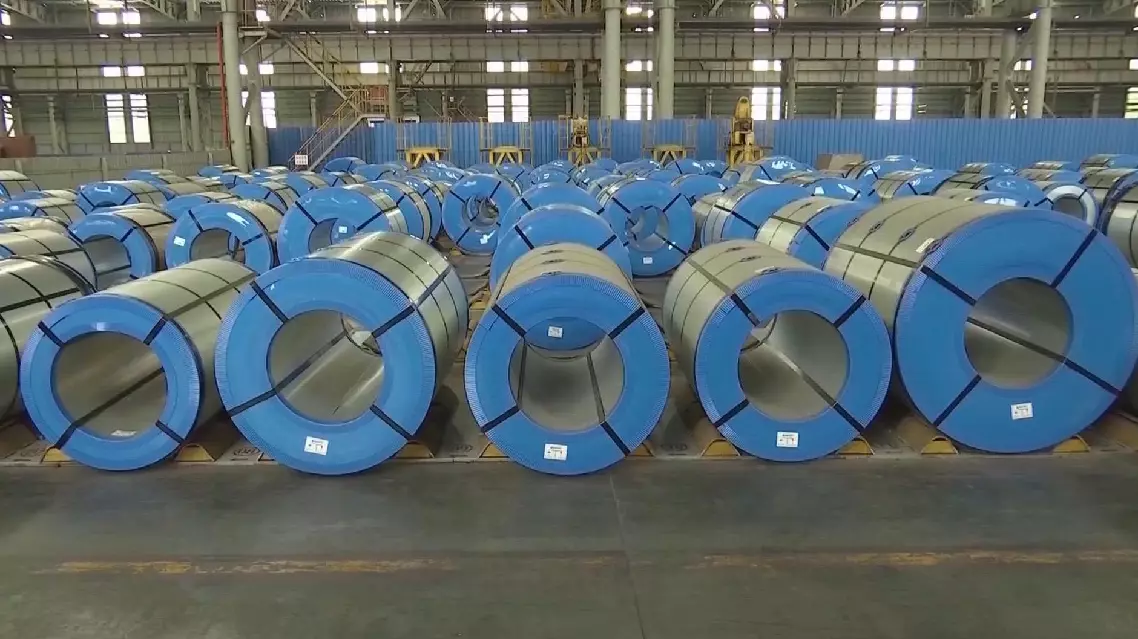
Aluminum prices climb as effects of Middle East tensions spread through global economy