China has increased investment in modern logistics infrastructure during the 14th Five-Year Plan period (2021-2025), making the facility network more complete and logistics operations more efficient.
During the period, logistics infrastructure has become an important driver of effective investment. The country now has 181 national logistics hubs and 105 key cold chain logistics bases in 31 provincial level regions, accelerating the pace of setting up a nationwide modern backbone logistics network.
So far, China has over 2,700 logistics parks above designated size (those with an annual main business revenue of at least 20 million yuan, or about 2.8 million U.S. dollars), and almost 25 percent of them have access to a dedicated railway line. The comprehensive transportation network and the backbone logistics network have been further integrated, continuously improving the logistics operation system that gives full play to channels, hubs and networks.
Meanwhile, logistics operations have become more efficient. The country now has over 3,000 online freight companies, supporting efficient matching of supply and demand in the freight market.
During the 14th Five-Year Plan period, China has implemented a special campaign to effectively reduce logistics costs across the society. In the first four years of the period, the ratio of total logistics costs to GDP decreased by 0.6 percentage points, resulting in a total reduction of logistics costs by 890 billion yuan (about 124.6 billion U.S. dollars).
"During the 14th Five-Year Plan period, logistics costs decreased significantly, and the effects of government policies were evident. The implementation of new technologies has improved operational efficiency and reduced costs. According to our preliminary estimates, logistics costs were reduced by approximately 1.1 trillion yuan over the five-year period," said Cai Jin, president of the China Federation of Logistics and Purchasing (CFLP).
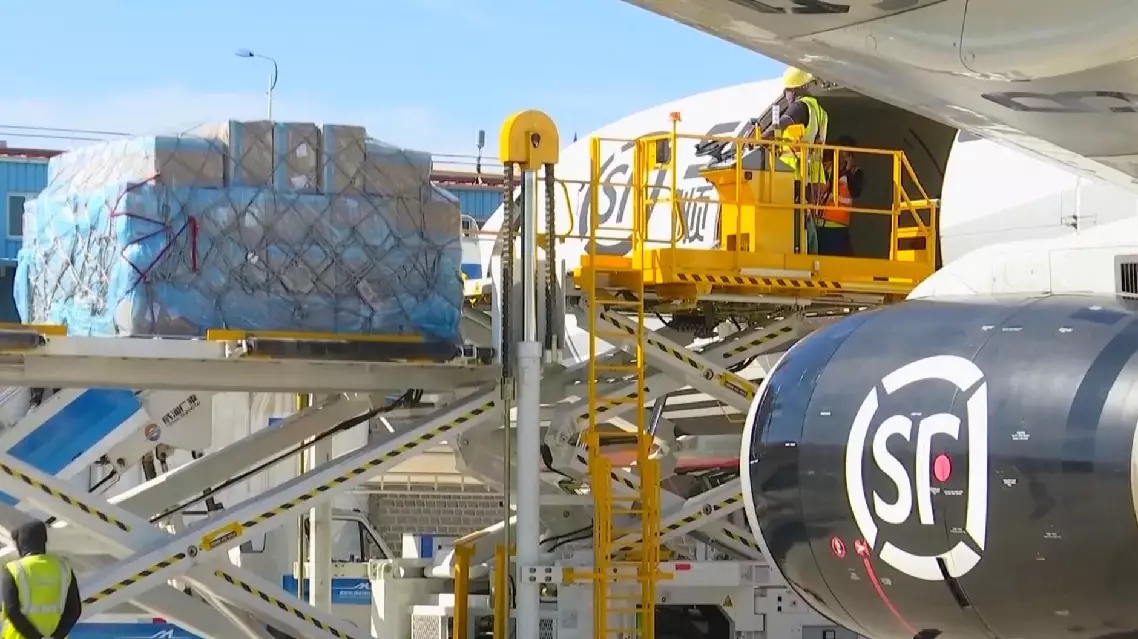
China sees more efficient logistics operations during 14th Five-Year Plan period