China's energy supply capacity has proven robust and resilient during its peak summer electricity demand as the country saw power consumption hit historic highs last month, an official from the National Energy Administration said Tuesday.
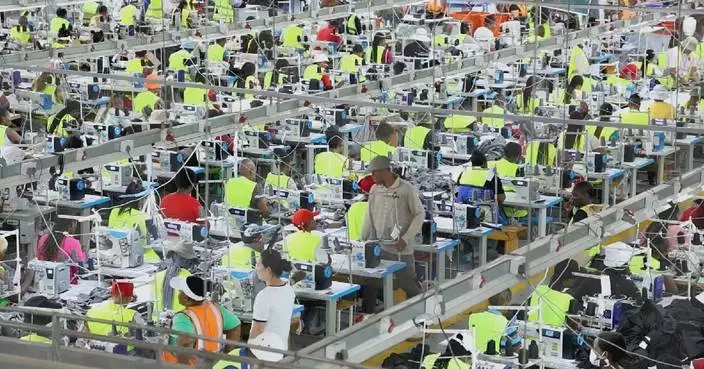
China's electricity consumption, seen as a key barometer of economic activity, surpassed the 1-trillion-kilowatt-hours mark in July for the first time, representing an 8.6-percent increase from the same period last year, driven by a combination of multiple rounds of heat waves and steady industrial activity.
Wang Hongzhi, head of the National Energy Administration, noted that meeting this milestone figure has attracted significant global attention, and said this monthly output is equivalent to the entire annual electricity consumption of Japan.
He also said China's energy self-sufficiency rate has remained above 80 percent during the country’s 14th Five-Year Plan period (2021-2025), highlighting stable power delivery.
"Now that the peak summer period has largely concluded, China's power supply remains stable and orderly. It can be said that energy security has withstood the peak demand and ensured the basic needs. Overall, China's energy supply capacity and resilience has reached a high level," said Wang.
In the first four years of the 14th Five-Year Plan period, driven by factors such as the development of emerging industries, China's energy demand grew rapidly, with cumulative consumption increasing by 980 million tonnes of standard coal, equivalent to the total annual energy consumption of Britain, France, and Germany combined.
China's total energy demand has grown rapidly in recent years, driven by factors such as the development of emerging industries. In the first four years of the 14th Five-Year Plan period, China's cumulative consumption increased by 980 million tonnes of standard coal, equivalent to the total annual energy consumption of Britain, France, and Germany combined, Wang noted.
Domestic energy production also accelerated, with over 90 percent of this increase in consumption being met through domestic supply, he added.
Wang also highlighted the significant role of new energy sources in meeting the demand, stressing that the country has been meeting its targets in this regard as it transitions towards more renewables.
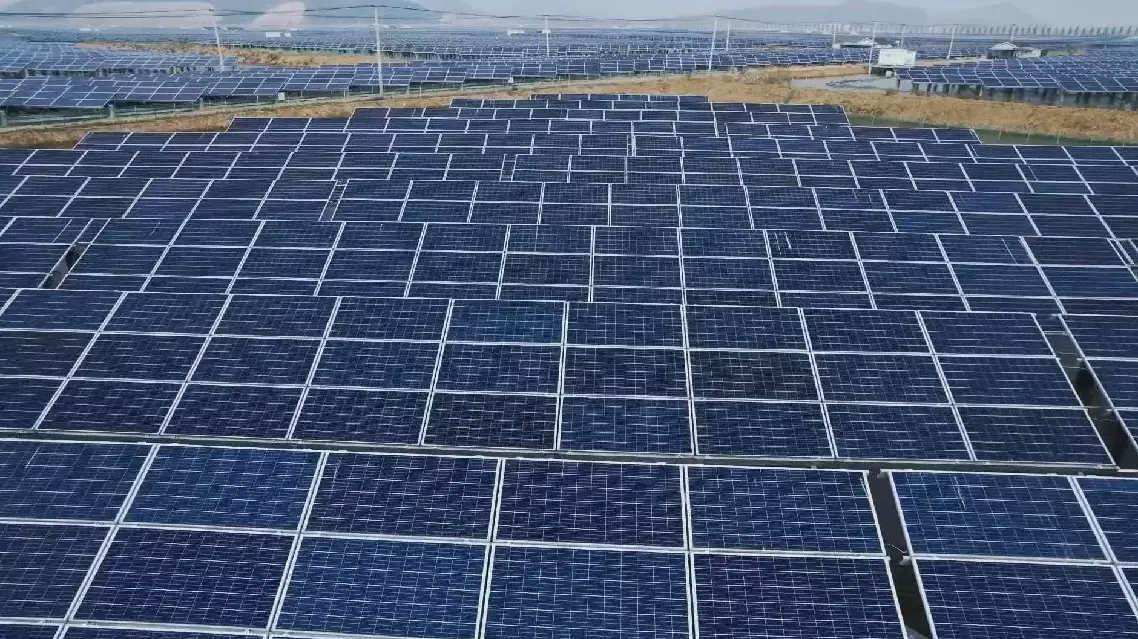
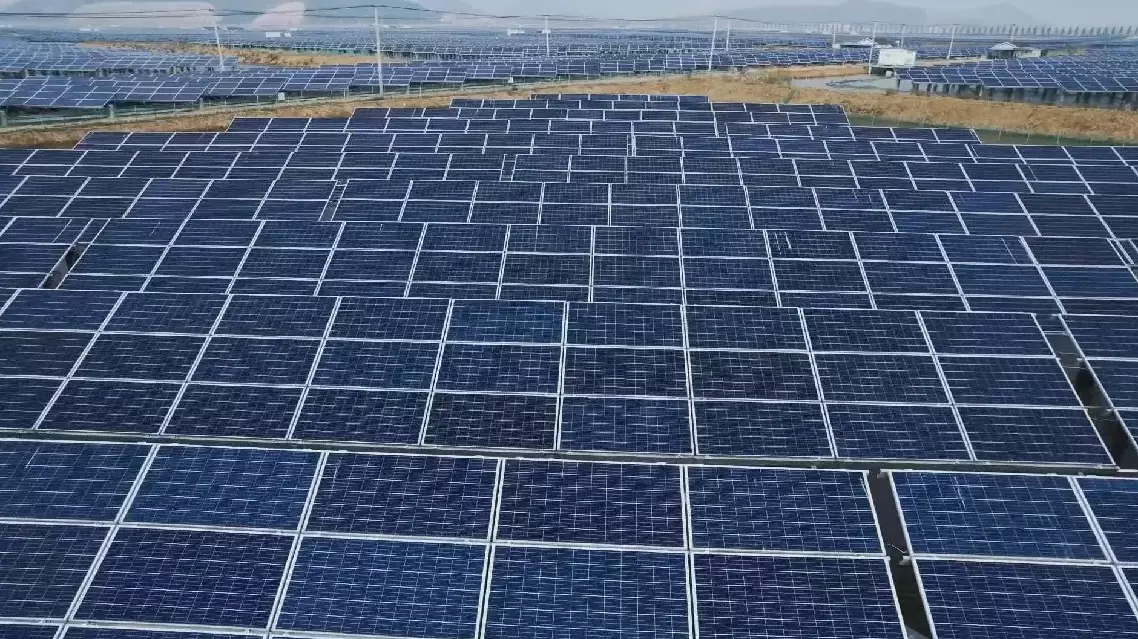
"In particular, new energy played a significant role, achieving two '50-percent' targets, namely, new energy power generation accounted for nearly 50 percent of the increase in national power generation, and the non-fossil fuel energy supply shot up by nearly 50 percent. This has further solidified the foundation of China's energy self-sufficiency and continuously enhanced its overall share of clean energy," he said.
The official said China has established a relatively complete energy production, supply, storage, and sales system, as well as putting mechanisms in place to ensure stable supply and prices.
The country's energy reserve capacity has steadily improved and a national oil and gas network is taking shape faster, Wang said.
Despite the complex external environment brought by international geopolitical conflicts and significant fluctuations in global energy supply and demand, Wang also stressed that China's energy supply and demand, as well as civilian energy use, have remained stable and orderly in recent years.
China's energy supply capacity remains resilient after demand hits historic highs: official
China's energy supply capacity remains resilient after demand hits historic highs: official
China's energy supply capacity remains resilient after demand hits historic highs: official