Skip to Content Facebook Feature Image

What to know about massive dust storms called haboobs in the US Southwest

News

What to know about massive dust storms called haboobs in the US Southwest
News

News

What to know about massive dust storms called haboobs in the US Southwest

2025-08-27 17:58 Last Updated At:18:00

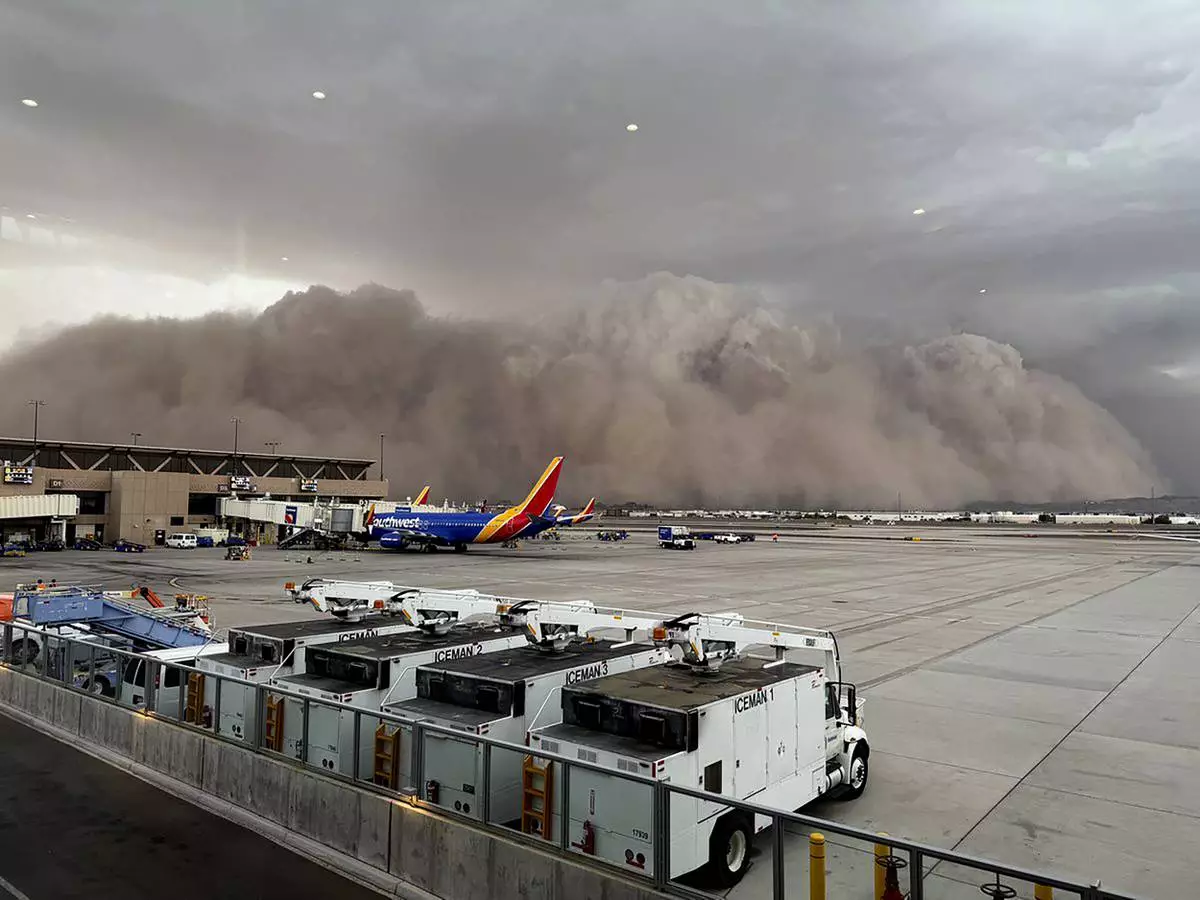
Massive walls of dust and debris called haboobs that roll through the U.S. Southwest can be awe-inspiring and terrifying, especially for motorists caught in their path.

Thunderstorms spawn the phenomenon and can create a wall of dust thousands of feet tall and several miles wide, reaching speeds of 60 mph (97 kph) or more.

Here's what to know:

Thunderstorms can produce strong downdrafts that hit the ground at 50-80 mph (80-129 kph) and then spread in all directions, said Sean Benedict, a meteorologist at the National Weather Service's Phoenix office.

The winds stir up loose dust and dirt, including from arid areas and farm fields, that get blown along in front of the approaching storm cell.

If thunderstorms don't keep developing, the dust dissipates. But rain-cooled air in front of a storm can keep pushing warm air upward, generating new storms and more downdrafts, Benedict said.

When that happens, the haboob can keep growing, and some travel as far as 100 miles (161 kilometers), Benedict said.

“It's all dependent on whether they're moving through an area that's prone to (generating) dust,” said Benedict, noting that there’s a prominent dust corridor between Phoenix and Tucson.

Haboobs also can form in arid areas of Nevada, New Mexico and Texas.

Scientists say localized bursts of rain in the U.S. Southwest during the monsoon season in summer have become more intense since the 1970s as the atmosphere heats up due to human-caused climate change.

At the same time, it's raining less often as droughts last longer and some arid areas expand. Climate change increases the odds of both severe drought and heavier storms that could set the stage for more intense dust storms in the future.

Benedict said it's difficult to say whether haboobs will become more frequent.

The storms require a specific set of circumstances, and land use, such as farming, can affect how much dust gets picked up, Benedict said.

Not all dust storms are haboobs, which are specifically associated with downdrafts from thunderstorms.

The National Oceanic and Atmospheric Administration says the Phoenix area experiences one to three large dust storms a year.

The National Weather Service issues dust warnings if it anticipates that thunderstorms and high winds moving through dust-prone areas could reduce visibility to a quarter mile or less. That's especially important when conditions are favorable for clusters of storms, Benedict said.

Haboobs can form quickly, catching drivers by surprise, blotting out the sun and reducing visibility to zero. Experts recommend that motorists pull off the roadways as far as possible, stop their vehicles and turn off their lights.

“People on the roads when they can’t see anything, they’re just gonna try to follow those taillights in front of them,” and run into parked cars, Benedict said. “If there is an accident, you might not know and you just get these big pile ups. So it’s definitely very dangerous when the visibility drops down that low.”

The Associated Press’ climate and environmental coverage receives financial support from multiple private foundations. AP is solely responsible for all content. Find AP’s standards for working with philanthropies, a list of supporters and funded coverage areas at AP.org.
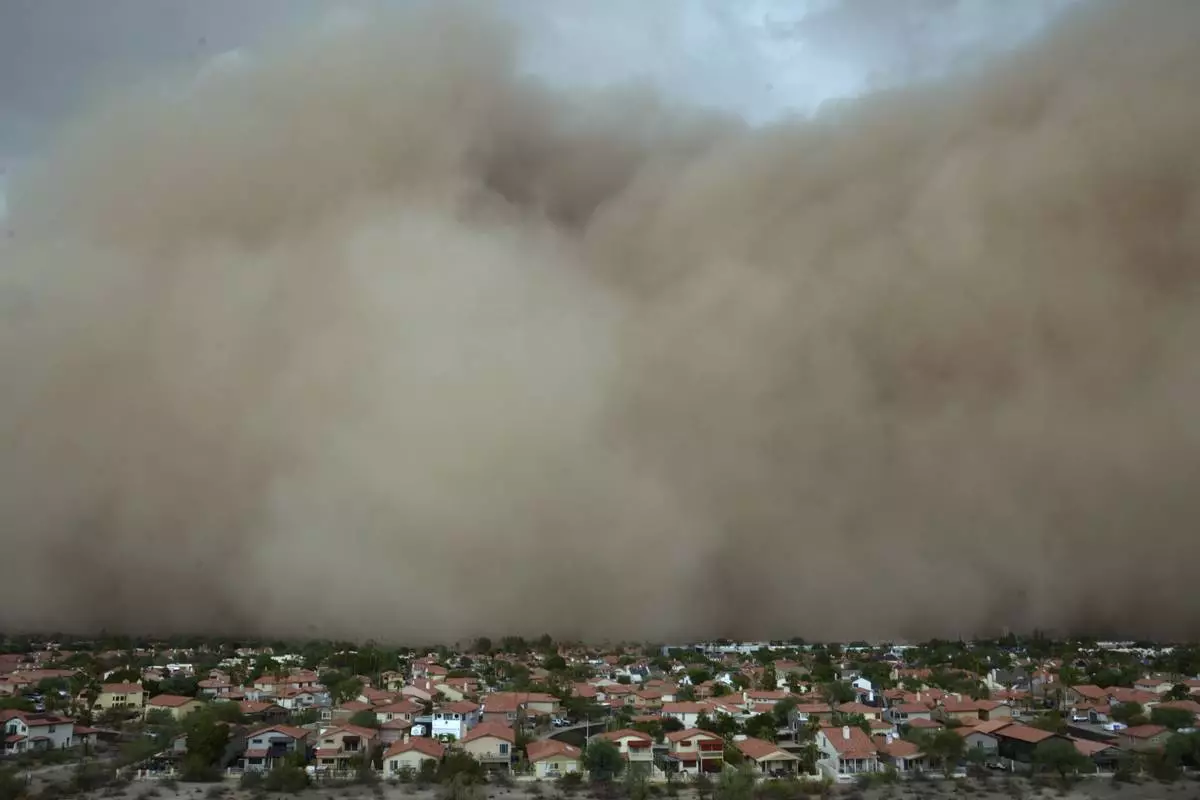
A giant dust storm approaches the Phoenix metro area as a monsoon storm pushes the dust into the air, Monday, Aug. 25, 2025, in Phoenix. (AP Photo/Ross D. Franklin)
A giant dust storm approaches the Phoenix metro area as a monsoon storm pushes the dust into the air, Monday, Aug. 25, 2025, in Phoenix. (AP Photo/Ross D. Franklin)

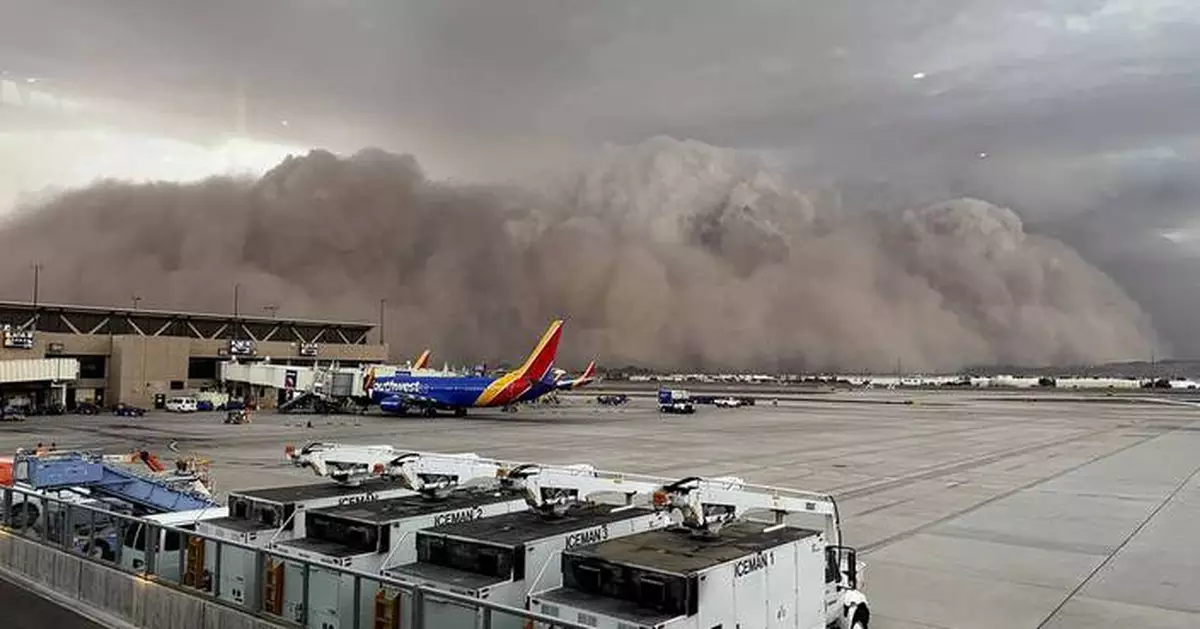
This photo provided by the City of Phoenix shows a towering cloud of dust at Phoenix Sky Harbor International Airport on Monday, Aug. 25, 2025. (City of Phoenix via AP)
This photo provided by the City of Phoenix shows a towering cloud of dust at Phoenix Sky Harbor International Airport on Monday, Aug. 25, 2025. (City of Phoenix via AP)
CAPE CANAVERAL, Fla. (AP) — An ailing astronaut returned to Earth with three others on Thursday, ending their space station mission more than a month early in NASA’s first medical evacuation.

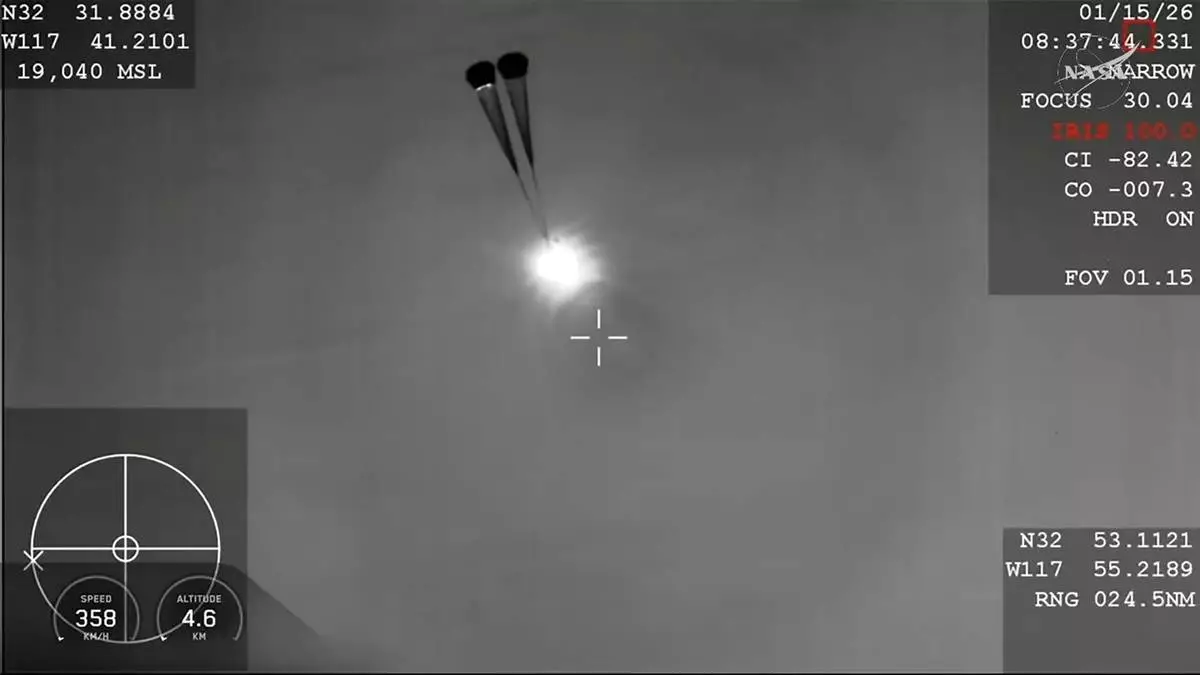
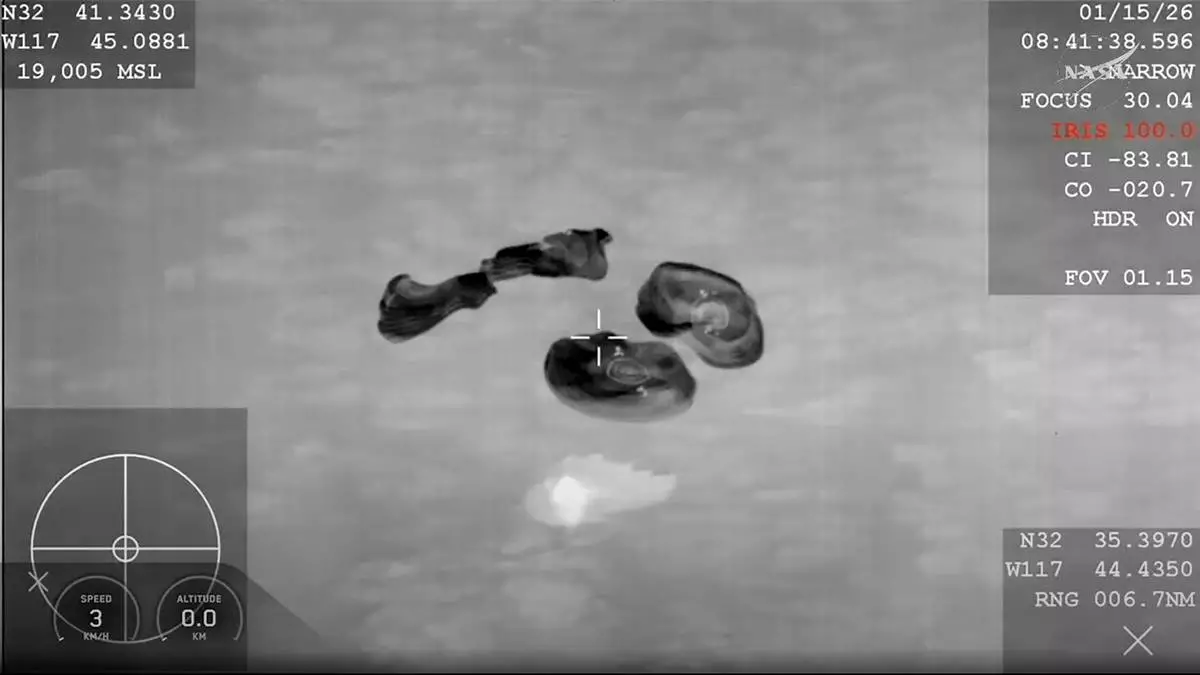
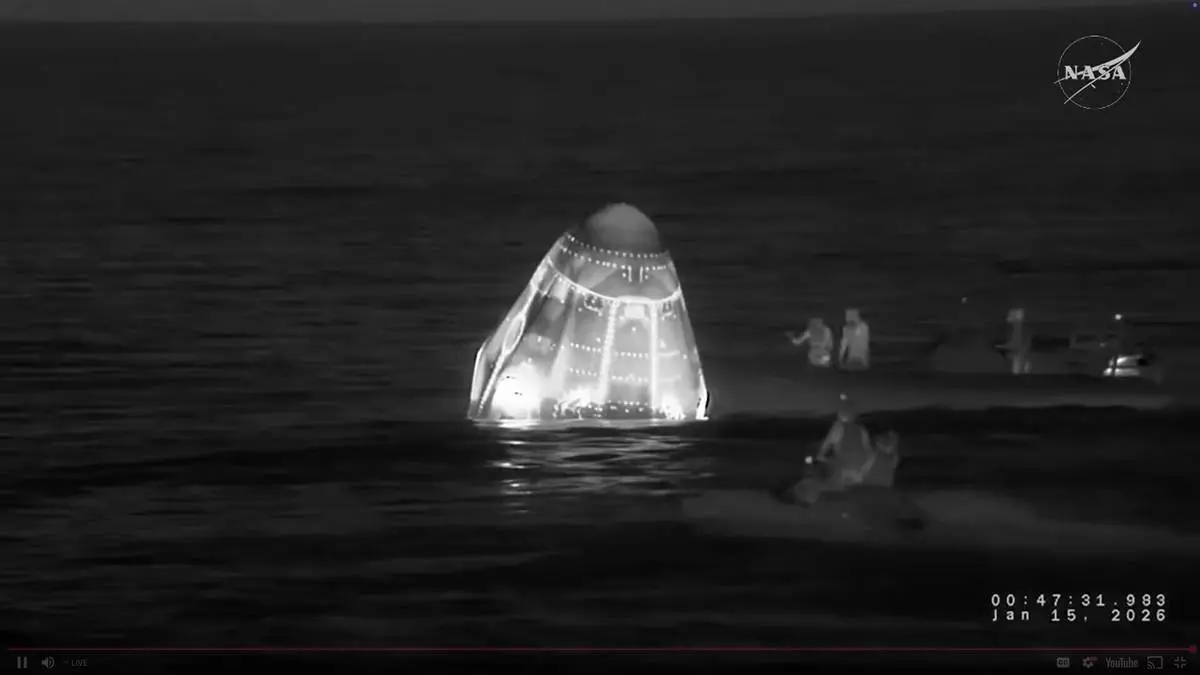
SpaceX guided the capsule to a middle-of-the-night splashdown in the Pacific near San Diego, less than 11 hours after the astronauts exited the International Space Station.

“It’s so good to be home,” said NASA astronaut Zena Cardman, the capsule commander.

It was an unexpected finish to a mission that began in August and left the orbiting lab with only one American and two Russians on board. NASA and SpaceX said they would try to move up the launch of a fresh crew of four; liftoff is currently targeted for mid-February.

Cardman and NASA’s Mike Fincke were joined on the return by Japan’s Kimiya Yui and Russia’s Oleg Platonov. Officials have refused to identify the astronaut who had the health problem or explain what happened, citing medical privacy.

While the astronaut was stable in orbit, NASA wanted them back on Earth as soon as possible to receive proper care and diagnostic testing. The entry and splashdown required no special changes or accommodations, officials said, and the recovery ship had its usual allotment of medical experts on board. It was not immediately known when the astronauts would fly from California to their home base in Houston. Platonov’s return to Moscow was also unclear.

NASA stressed repeatedly over the past week that this was not an emergency. The astronaut fell sick or was injured on Jan. 7, prompting NASA to call off the next day’s spacewalk by Cardman and Fincke, and ultimately resulting in the early return. It was the first time NASA cut short a spaceflight for medical reasons. The Russians had done so decades ago.

The space station has gotten by with three astronauts before, sometimes even with just two. NASA said it will be unable to perform a spacewalk, even for an emergency, until the arrival of the next crew, which has two Americans, one French and one Russian astronaut.

The Associated Press Health and Science Department receives support from the Howard Hughes Medical Institute’s Department of Science Education and the Robert Wood Johnson Foundation. The AP is solely responsible for all content.

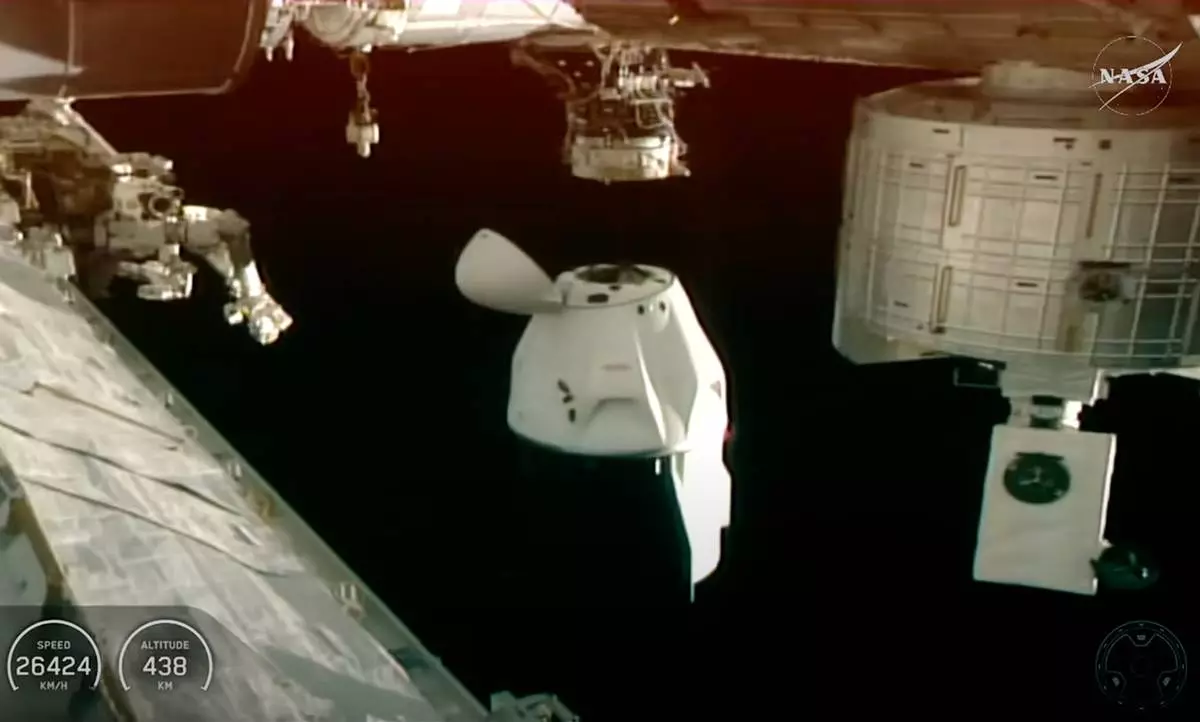
This screengrab from video provided by NASA TV shows the SpaceX Dragon departing from the International Space Station shortly after undocking with four NASA Crew-11 members inside on Wednesday, Jan. 14, 2026. (NASA via AP)

This screengrab from video provided by NASA TV shows the SpaceX Dragon departing from the International Space Station shortly after undocking with four NASA Crew-11 members inside on Wednesday, Jan. 14, 2026. (NASA via AP)

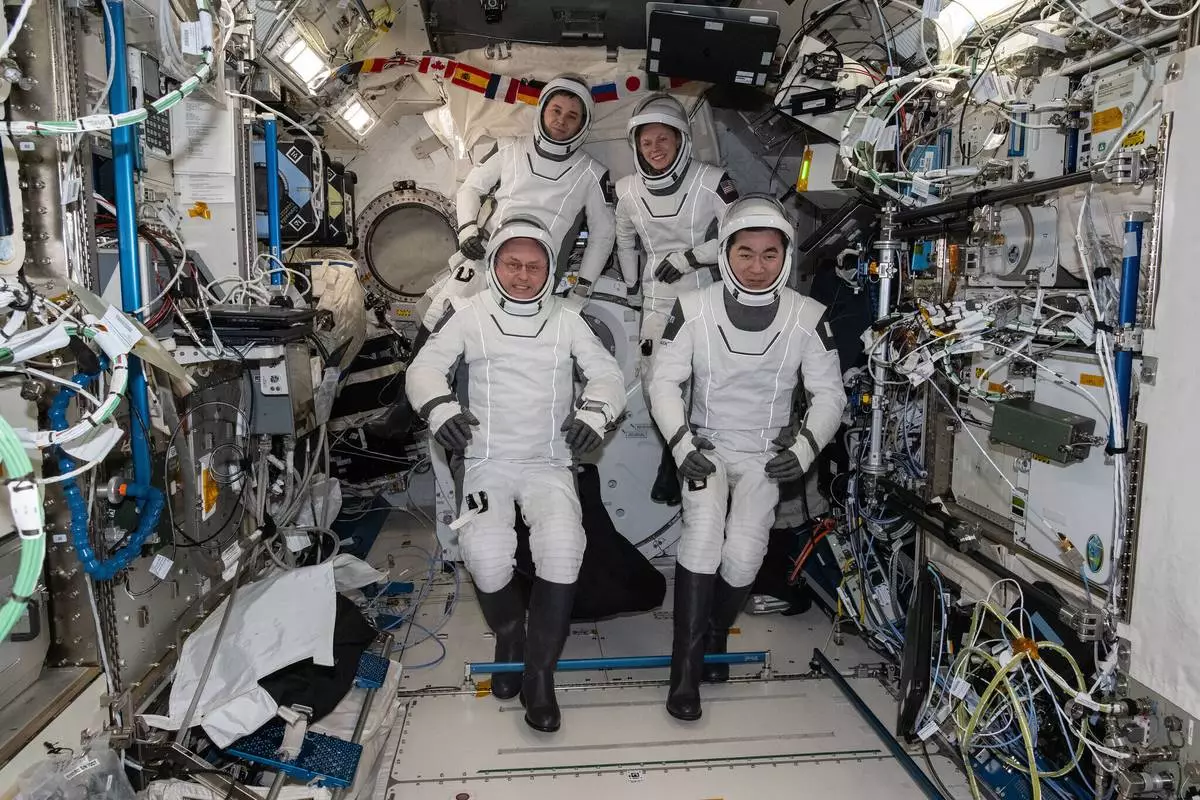
This photo provided by NASA shows clockwise from bottom left are, NASA astronaut Mike Fincke, Roscosmos cosmonaut Oleg Platonov, NASA astronaut Zena Cardman, and JAXA (Japan Aerospace Exploration Agency) astronaut Kimiya Yui gathering for a crew portrait wearing their Dragon pressure suits during a suit verification check inside the International Space Station’s Kibo laboratory module, Wednesday, Jan. 14, 2026. (NASA via AP)

This photo provided by NASA shows clockwise from bottom left are, NASA astronaut Mike Fincke, Roscosmos cosmonaut Oleg Platonov, NASA astronaut Zena Cardman, and JAXA (Japan Aerospace Exploration Agency) astronaut Kimiya Yui gathering for a crew portrait wearing their Dragon pressure suits during a suit verification check inside the International Space Station’s Kibo laboratory module, Wednesday, Jan. 14, 2026. (NASA via AP)

This screengrab from video provided by NASA shows recovery vessels approaching the NASA's SpaceX Crew-11 capsule to evacuate one of the crew members after they re-entered the earth in a middle-of-the-night splashdown near San Diego, Calif., Thursday, Jan. 15, 2026. (NASA via AP)

This screengrab from video provided by NASA shows recovery vessels approaching the NASA's SpaceX Crew-11 capsule to evacuate one of the crew members after they re-entered the earth in a middle-of-the-night splashdown near San Diego, Calif., Thursday, Jan. 15, 2026. (NASA via AP)

This screengrab from video provided by NASA shows the NASA's SpaceX Crew-11 members re entering the earth in a middle-of-the-night splashdown near San Diego, Calif., Thursday, Jan. 15, 2026. (NASA via AP)

This screengrab from video provided by NASA shows the NASA's SpaceX Crew-11 members re entering the earth in a middle-of-the-night splashdown near San Diego, Calif., Thursday, Jan. 15, 2026. (NASA via AP)

This screengrab from video provided by NASA shows the NASA's SpaceX Crew-11 members re entering the earth in a middle-of-the-night splashdown near San Diego, Calif., Thursday, Jan. 15, 2026. (NASA via AP)

This screengrab from video provided by NASA shows the NASA's SpaceX Crew-11 members re entering the earth in a middle-of-the-night splashdown near San Diego, Calif., Thursday, Jan. 15, 2026. (NASA via AP)

Recommended Articles