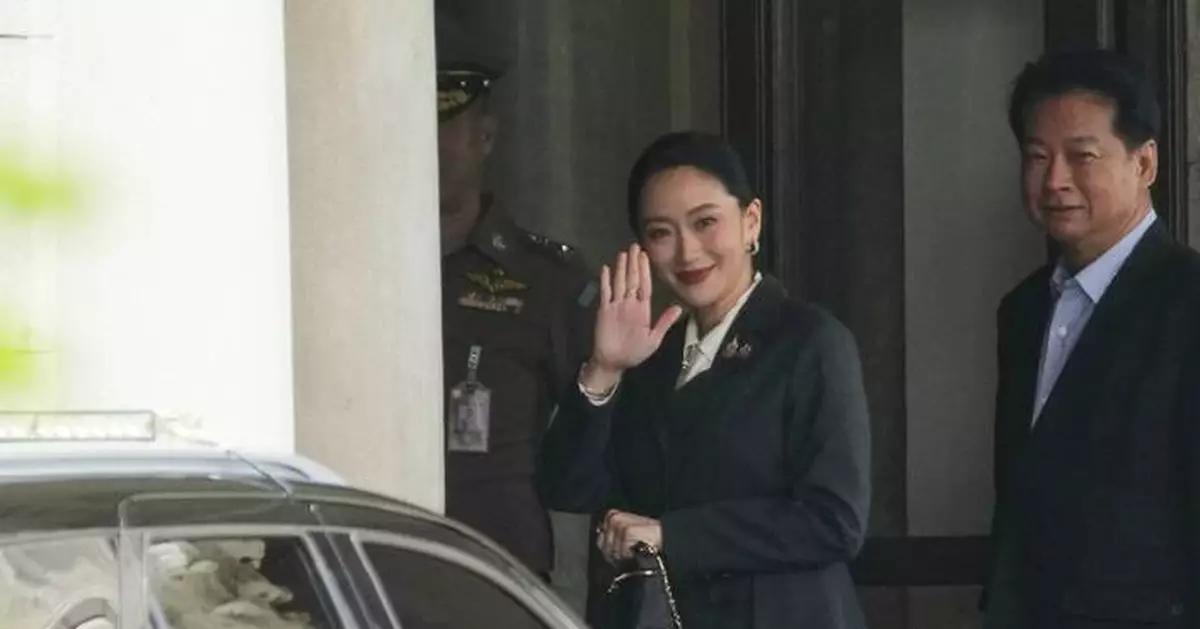
BANGKOK (AP) — Thailand’s Constitutional Court on Friday dismissed Prime Minister Paetongtarn Shinawatra, ruling that she violated ethics rules in a phone call with a high-ranking Cambodian official.
The decision ends the term of the nation’s youngest prime minister and delivers the latest blow to the powerful Shinawatra political dynasty that has dominated Thai politics for more than two decades.
Click to Gallery
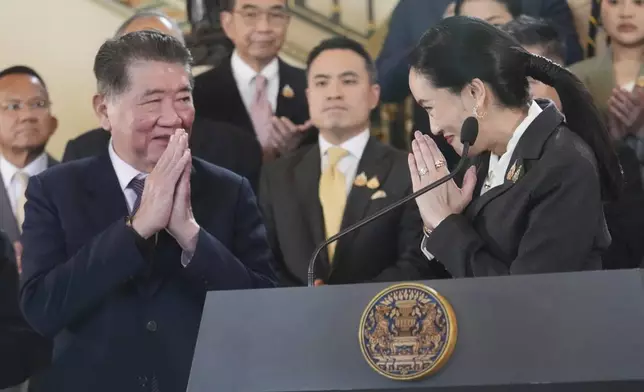
Thailand's suspended Prime Minister Paetongtarn Shinawatra, right, gestures at acting Prime Minister Phumtham Wechayachai during a press conference after her dismissal, in Bangkok, Thailand, Friday, Aug. 29, 2025. (AP Photo/Sakchai Lalit)
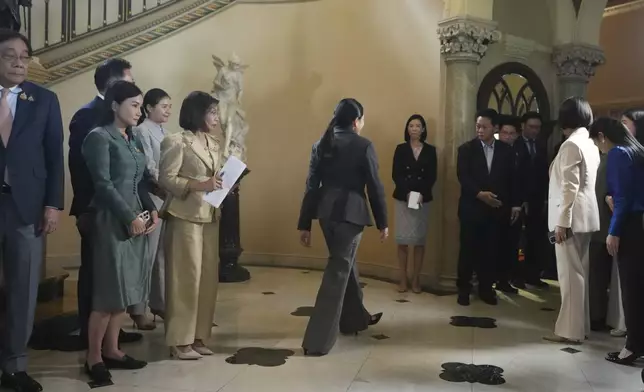
Thailand's suspended Prime Minister Paetongtarn Shinawatra, center, leaves a press conference after her dismissal, in Bangkok, Thailand, Friday, Aug. 29, 2025. (AP Photo/Sakchai Lalit)
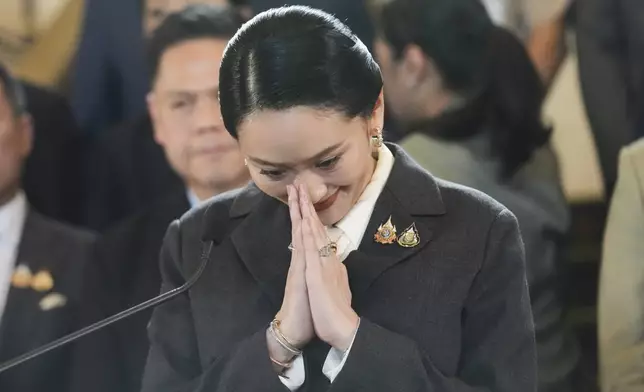
Thailand's suspended Prime Minister Paetongtarn Shinawatra gestures during a press conference after her dismissal, in Bangkok, Thailand, Friday, Aug. 29, 2025. (AP Photo/Sakchai Lalit)
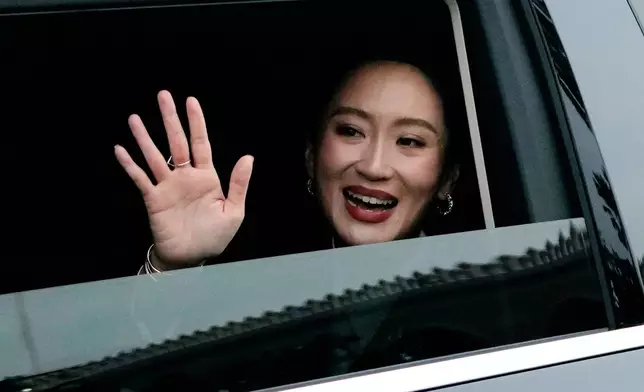
Thailand's suspended Prime Minister Paetongtarn Shinawatra waves as she leaves the Government House after being dismissed from her position, in Bangkok, Thailand, Friday, Aug. 29, 2025. (AP Photo/Sakchai Lalit)
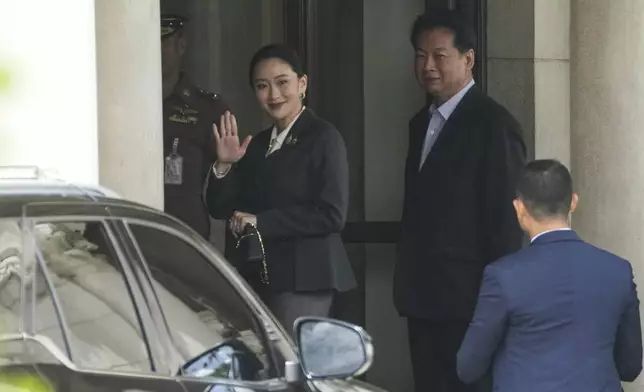
Thailand's suspended Prime Minister Paetongtarn Shinawatra, left, arrives at Government House in Bangkok, Thailand, Friday, Aug. 29, 2025. (AP Photo/Sakchai Lalit)
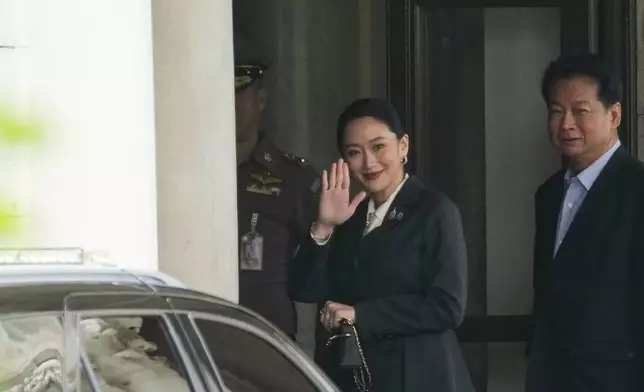
Thailand's suspended Prime Minister Paetongtarn Shinawatra, center, arrives at Government House in Bangkok, Thailand, Friday, Aug. 29, 2025. (AP Photo/Sakchai Lalit)
In a 6-3 vote, the judges found that Paetongtarn’s conduct in a June 15 call with Cambodia’s former leader Hun Sen compromised national interests.
The call, which became public just weeks before a deadly border conflict erupted between the two countries, sparked outrage in Thailand. Audio of the conversation revealed Paetongtarn addressing Hun Sen as “uncle” and appearing to criticize a Thai army general as an “opponent” while discussing the tense border situation.
The complaint against Paetongtarn lodged by a group of senators alleged that “due to a personal relationship that appeared aligned with Cambodia, (she) was consistently willing to comply with or act in accordance with the wishes of the Cambodian side.”
It further charged that her reference to the Thai general “lacked demonstrable honesty and integrity, and seriously violated or failed to comply with ethical standards."
However, the court said in its ruling that Paetongtarn intended to uphold Thailand’s national interests and tried to prevent serious conflicts that could affect its sovereignty and border security. It concluded that her actions did not clearly appear to be dishonest. The majority opinion nevertheless found that her conversation constituted a breach of ethical standards.
Paetongtarn, 39, has defended herself by arguing that her familiar tone during the call was a negotiating tactic aimed at de-escalating tensions. She apologized, but insisted that it did not damage national security.
After the court's ruling Friday, she said she would accept it but insisted that she was innocent and had acted with the sole purpose of saving lives.
Audio of the call was leaked online by Hun Sen, who was Cambodia’s prime minister for 38 years until his son Hun Manet took over the job in 2023. The phone call came as long-standing border tensions escalated after a Cambodian soldier was killed in a brief fracas with Thai troops in disputed territory in May.
In late June, the two countries engaged in five days of combat that killed dozens of people and displaced more than 260,000.
The friendly tone of Paetongtarn’s call raised hackles among many Thais because of her family's history.
Her father, Thaksin Shinawatra, a business owner who earned a vast fortune in the telecommunications sector and who was prime minister from 2001-2006, has in the past faced allegations of putting his personal interests over those of the nation, and had a seemingly warm friendship with Hun Sen.
Friday's ruling is also a blow to Thaksin, who was ousted from power by a military coup but has managed to remain a dominant force in Thai politics
Paetongtarn, a former executive in a hotel business run by her family, was the third close member of the Shinawatra clan to take the prime minister’s job. Thaksin’s sister, Yingluck Shinawatra, was Thailand’s first female prime minister from 2011 to 2014, and like her brother was forced out of office before her term was up. Thaksin’s brother-in-law, Somchai Wongsawat, also served briefly as prime minister in 2008.
Other Thaksin political allies have also held office and been forced out early. Paetongtarn’s immediate predecessor as prime minister, real estate executive Srettha Thavisin, was forced out last August when the Constitutional Court found him guilty of a serious ethics breach.
The fortunes of Thaksin’s political machine have met with victories and setbacks, with mandates at the ballot box often undone by coups or court rulings. Polarization between his supporters and opponents have also led to street violence, which have contributed to destabilizing governments he backed.
Thaksin's critics accuse him of corruption and abuse of power, as well as disrespect toward the country’s revered monarch. But he has undoubted populist appeal to voters, feeding fears of a parliamentary dictatorship. Concern runs highest among members of the country’s conservative royalist ruling class, who fear that their long-standing influence would be diminished. Leading defenders of the status quo include the army and the courts.
The controversy over the call with Hun Sen came after Paetongtarn’s government was already facing headwinds, due largely to its failure to turn around an economy that had been lagging since the COVID-19 pandemic.
The court’s ruling puts the ruling coalition led by Paetongtarn’s Pheu Thai party on shaky ground. Controversy over the phone call already caused the Bhumjaithai Party, the biggest partner of Pheu Thai, to drop out, leaving the coalition with a slim majority of seats in the House of Representatives.
Paetongtarn was already suspended from her duties on July 1 when the court agreed to hear the case against her, and Deputy Prime Minister Phumtham Wechayachai took over her responsibilities.
The Cabinet led by Phumtham will stay in place on a caretaker basis until Parliament approves a new prime minister, though a vote has not yet been scheduled. The caretaker Cabinet could also dissolve Parliament and call a new election.
This report has been corrected to state that the characterizations of Paetongtarn’s actions as lacking honesty and integrity were made by the complainants, not by the court. The error was due to incomplete information initially received from the court.

Thailand's suspended Prime Minister Paetongtarn Shinawatra, right, gestures at acting Prime Minister Phumtham Wechayachai during a press conference after her dismissal, in Bangkok, Thailand, Friday, Aug. 29, 2025. (AP Photo/Sakchai Lalit)
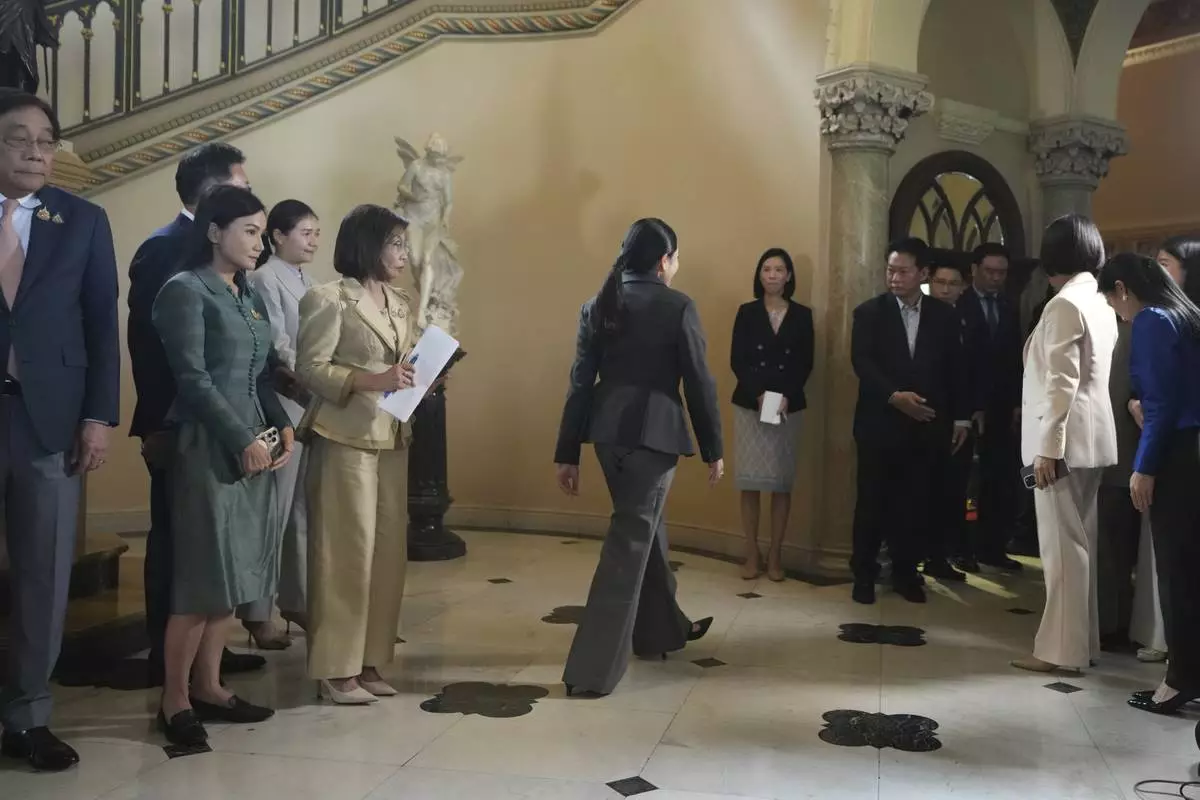
Thailand's suspended Prime Minister Paetongtarn Shinawatra, center, leaves a press conference after her dismissal, in Bangkok, Thailand, Friday, Aug. 29, 2025. (AP Photo/Sakchai Lalit)
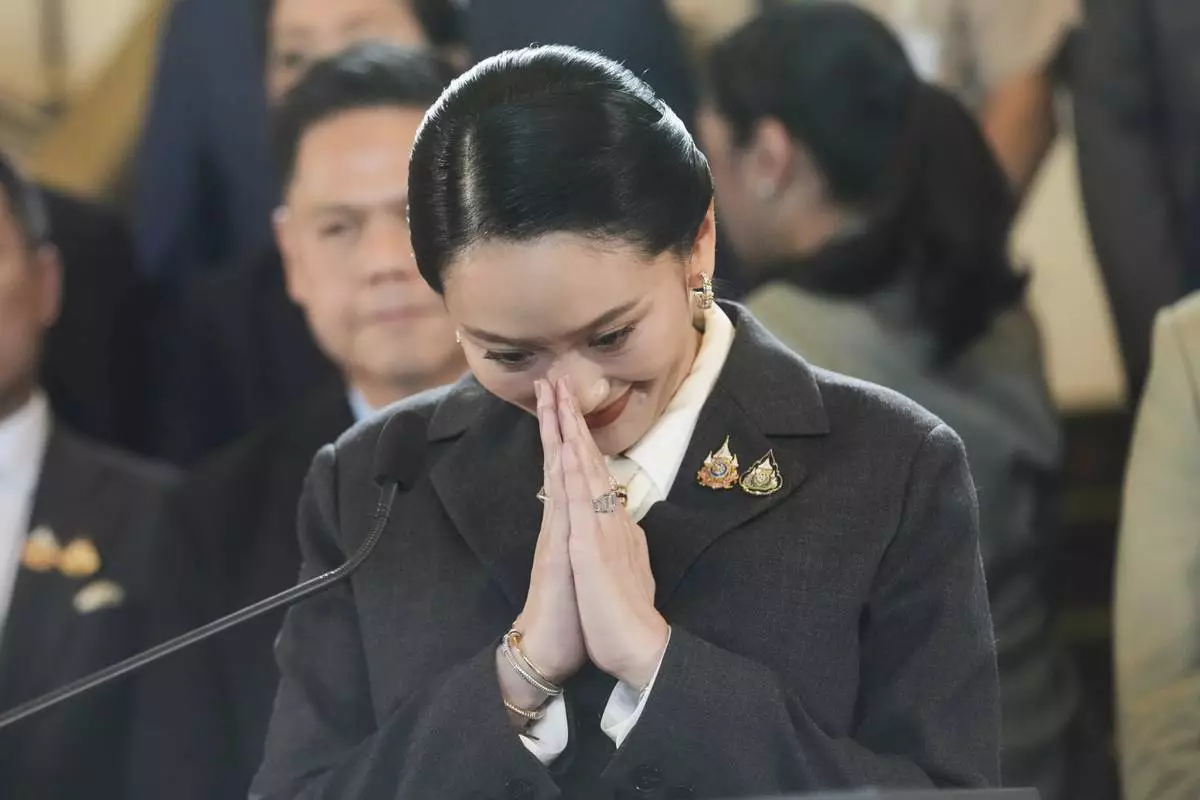
Thailand's suspended Prime Minister Paetongtarn Shinawatra gestures during a press conference after her dismissal, in Bangkok, Thailand, Friday, Aug. 29, 2025. (AP Photo/Sakchai Lalit)
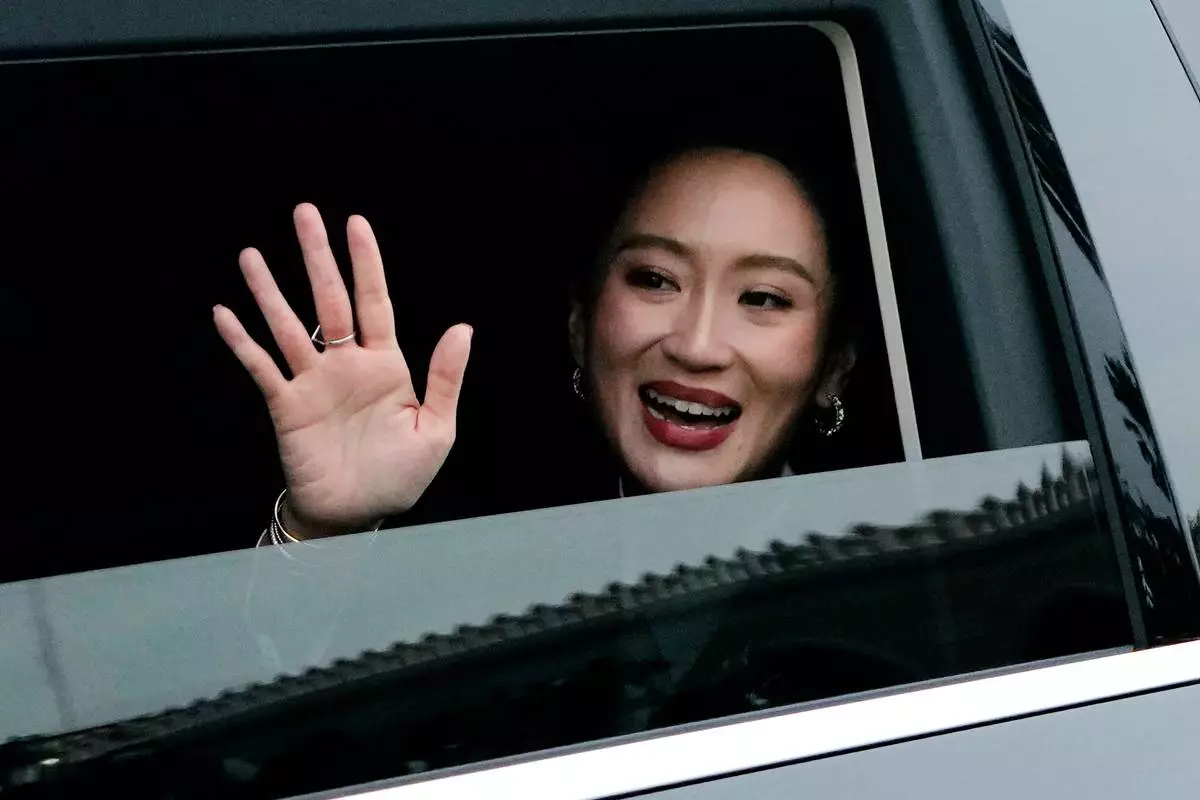
Thailand's suspended Prime Minister Paetongtarn Shinawatra waves as she leaves the Government House after being dismissed from her position, in Bangkok, Thailand, Friday, Aug. 29, 2025. (AP Photo/Sakchai Lalit)
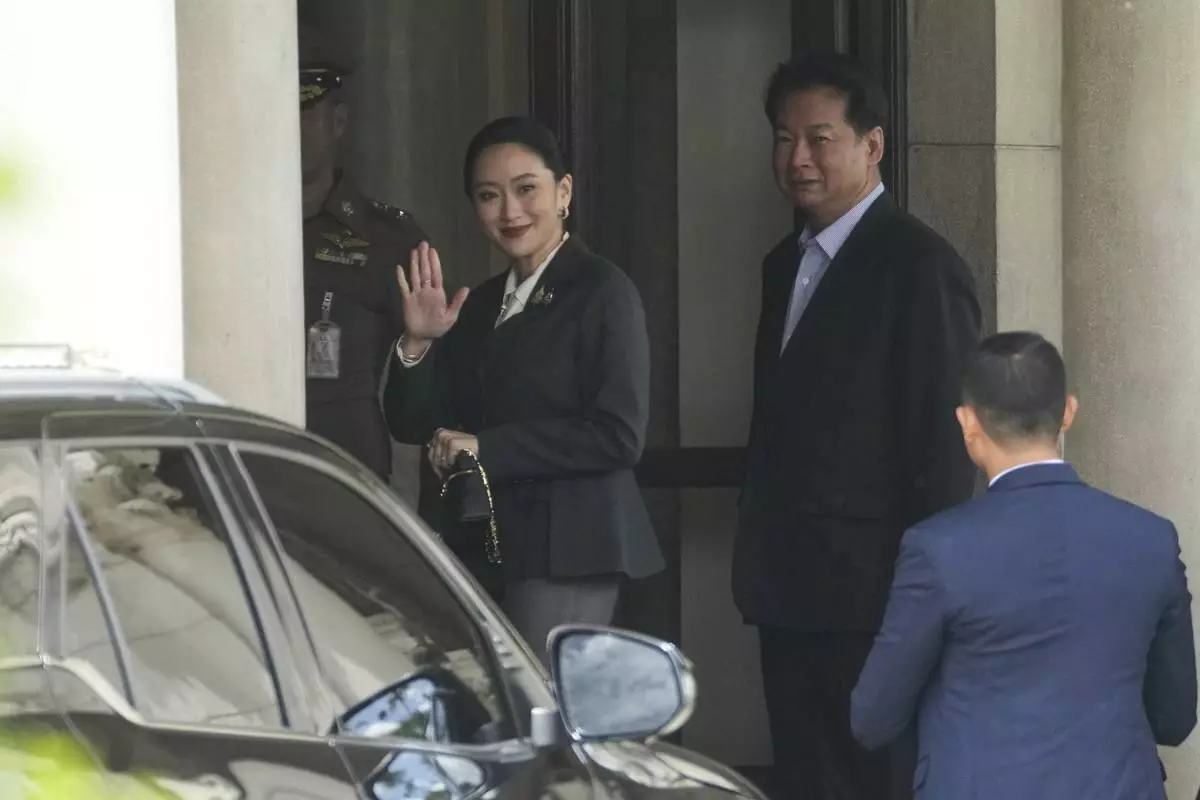
Thailand's suspended Prime Minister Paetongtarn Shinawatra, left, arrives at Government House in Bangkok, Thailand, Friday, Aug. 29, 2025. (AP Photo/Sakchai Lalit)
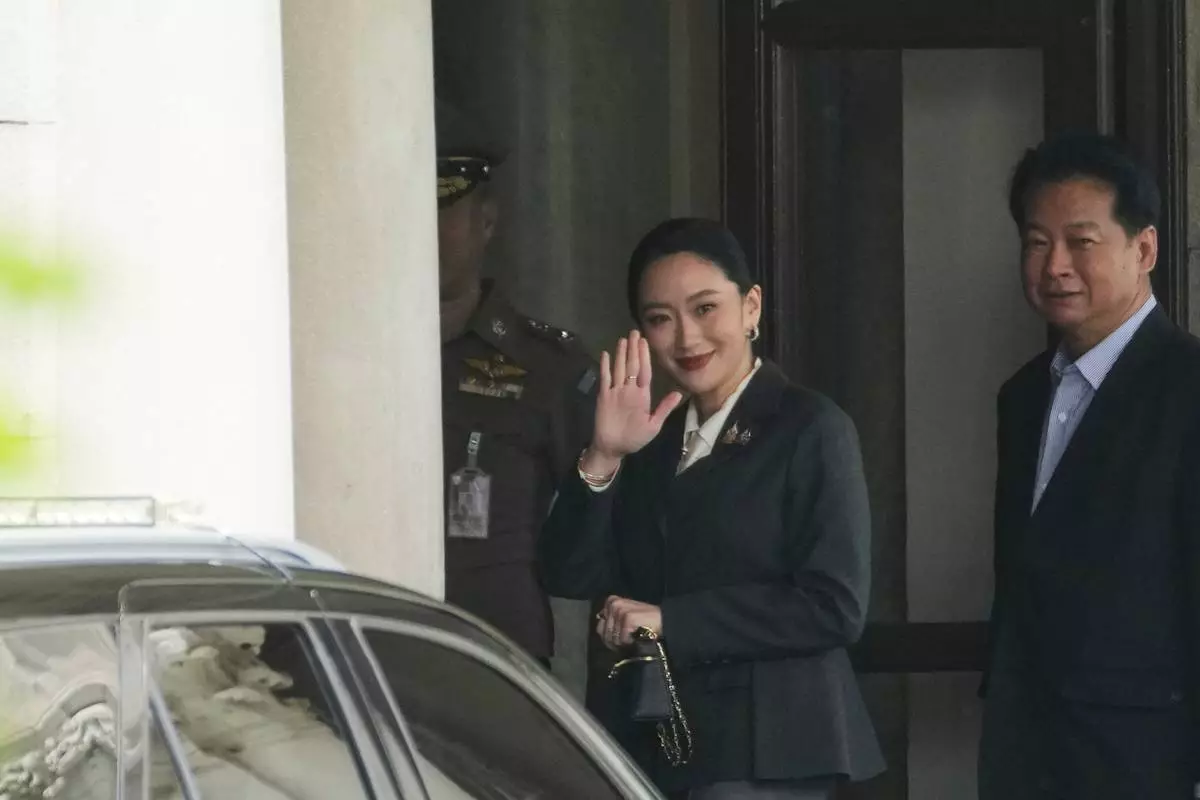
Thailand's suspended Prime Minister Paetongtarn Shinawatra, center, arrives at Government House in Bangkok, Thailand, Friday, Aug. 29, 2025. (AP Photo/Sakchai Lalit)