The Palestinian death toll in the Gaza Strip has risen to 63,459, with 160,256 others injured since the conflict between Hamas and Israel erupted on Oct 7, 2023, Gaza's health authorities said in a statement on Sunday.
Over the past 24 hours, Israeli attacks on the enclave have killed 88 people and wounded 421 others, according to the statement.
Since Israel resumed military operations in Gaza on March 18 following a brief ceasefire, 11,328 people have been killed and another 48,215 injured, it said.
The United Nations Relief and Works Agency for Palestine Refugees in the Near East (UNRWA) said in a brief statement on Sunday that children in Gaza are not going to school and are being forced, once again, to seek a safe place.
"There is nowhere safe, not enough space, not even enough tents," the statement continued, noting that the intense Israeli military operation in Gaza City is "pushing thousands of people into the unknown."
Israeli Defense Minister Israel Katz said on Sunday that Abu Obeida, the spokesman for Hamas's armed wing, was killed in a strike in the Gaza Strip.
Katz made the announcement in a post on the social media platform X, adding that "soon, as the campaign against Gaza intensifies," more Hamas figures would be targeted.
Hamas has not yet responded to the announcement.
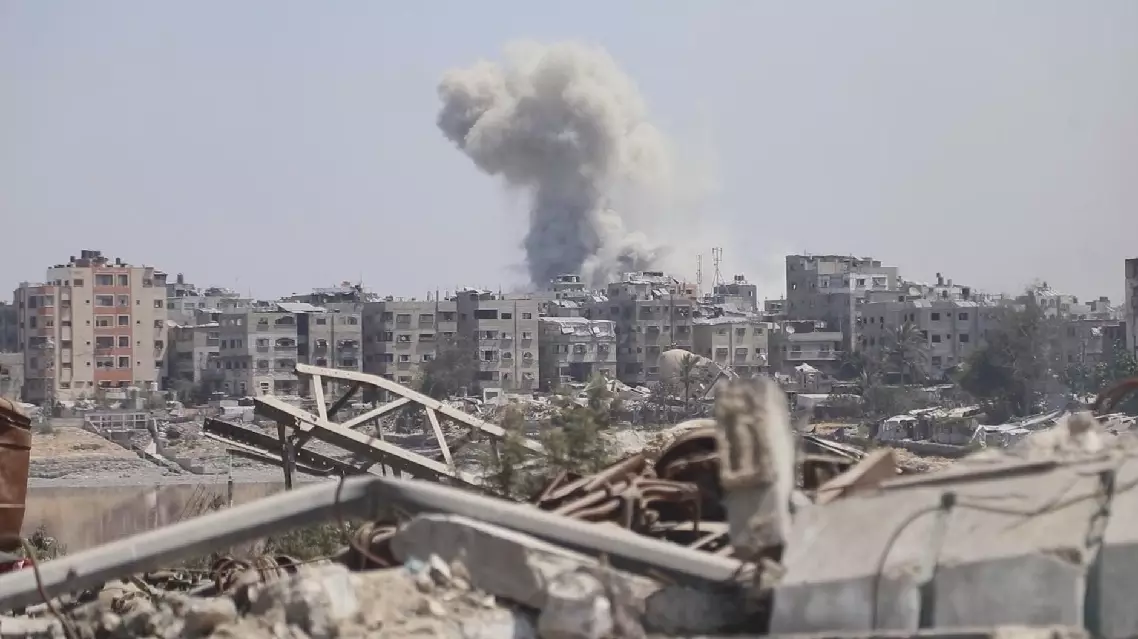
Palestinian death toll in Gaza rises to 63,459
The spillover effects of the ongoing conflict in the Middle East are having a noticeable impact as far afield as Peru, a country highly reliant on energy imports, with the costs of transportation and daily supplies all climbing due to the hike in fuel prices.
Global oil prices have been rising as a result of the ongoing U.S.-Israeli-Iran conflict and concerns over the disruption to shipping through the Strait of Hormuz -- a vital passageway that typically carries about one-quarter of global seaborne oil trade.
Prices in Peru have also been worsened in the country after a natural gas pipeline explosion in the Cusco Province last month, which caused a significant gas supply shortage.
At present, the prices of gasoline and diesel in Peru have doubled since the start of the conflict in late February, forcing companies to raise the costs of passenger and freight transportation to offset their losses.
Many are concerned that this will have a considerable knock-on effect which could hamper economic activities and ultimately harm the wallets of local residents who are being forced to pay the price.
"What's the worst is that transportation will affect all activities throughout the economy, including the passenger sector, both intra-city and inter-provincial," said Martin Ojeda, the leader of a transportation workers' union.
"Everything has become more expensive. Both daily necessities and transportation are all very expensive," said a local vendor in the capital Lima.
"Previously, a roast chicken cost me about 45 soles (12.8 U.S. dollars), but now it has risen to 60 soles (over 17 U.S. dollars). This doesn't fit my financial situation, so I have to give up a lot of consumption. People like me who live on pensions are greatly affected," said another resident.
Meanwhile, the prices of fertilizers like urea have risen by around 16 percent over the past month as a result of the conflict, with the Middle East being a major global supplier of fertilizers, as these spiraling costs are also affecting food production and animal husbandry in Peru.
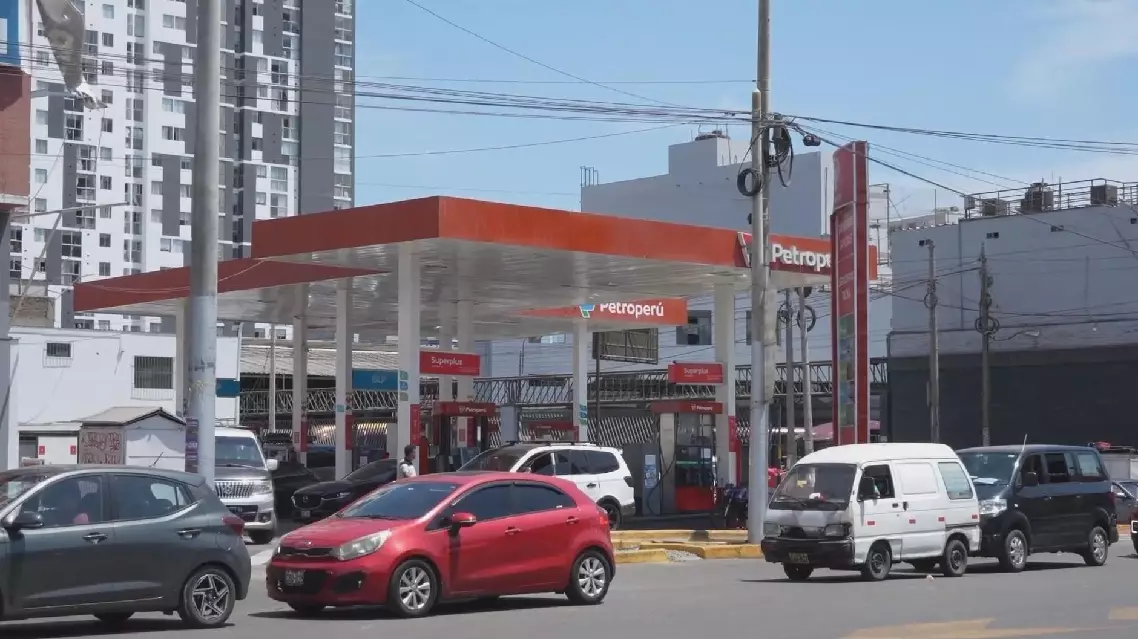
Transportation, living costs rise in Peru as conflict rages on in Middle East