A documentary newly released by China Global Television Network (CGTN) tells the Palace Museum's evacuation of cultural relics during World War II, which safeguarded the lifeblood of Chinese civilization, a researcher of the museum said in the film.
The seven-minute documentary titled Guardians of Civilization: Relocating China's National Treasures records the monumental evacuation of the Palace Museum along its collection of treasures during the War of Resistance against Japanese Aggression (1931-45) with precious pictures and footages.
In January 1933, with the Japanese army occupying Shanhaiguan in northeastern China, the Palace Museum in Beijing decided to relocate its precious collection of cultural relics, including bronze wares, porcelain, paintings, and jade, to protect them from damage and looting.
Ultimately, over 13,400 boxes of national treasures were moved from Beijing to Shanghai and then to southwestern provinces of Sichuan and Guizhou.
They crossed more than 6,000 kilometers over 14 years, through countless dangers. When they finally reunited in Nanjing City, then the national capital, in 1947, virtually nothing had been lost or damaged.
The evacuation from Beijing (then Peiping) to south China first and then to the southwest, is hailed as the largest, longest, and most extensive movement of cultural treasures in human history.
Many Chinese artists created paintings and wrote postscript over past decades to commemorate the tremendous journey of the evacuation.
"When we see the handscroll, we could have a deeper understanding of how masters of that generation preserved these cultural relics. There lies the very function and value of a museum of cultural relics. We must preserve our historical memory for the nation," said Xu Wanling, director of the Institute for Research on the Palace Museum Collection's Evacuation to the South.
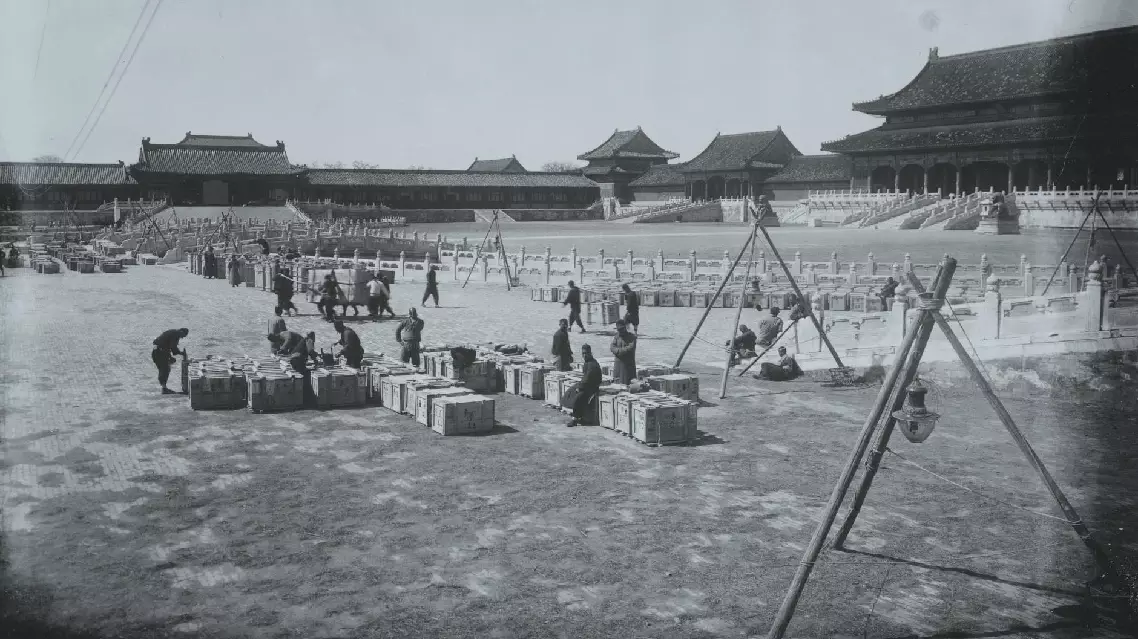
Documentary tells how China's Palace Museum survived WWII