China's commerce ministry said Tuesday that leaders of the Shanghai Cooperation Organization (SCO) member states issued their first-ever statement supporting the multilateral trading system, underscoring the SCO's unwavering resolve to safeguard the stability of the global trade order.
The statement was released on Monday during the SCO Tianjin Summit. Describing it as "high-level," a senior official of the Ministry of Commerce noted that this marks the first time SCO leaders have jointly issued a statement endorsing the multilateral trading system.
"The statement is well-timed," the official added. Against the backdrop of a recent framework deal on so-called "reciprocal tariffs" by some WTO members, SCO member states have reaffirmed core WTO principles, such as most-favored-nation treatment and non-discrimination, and urged all parties to uphold international trade law, including WTO rules.
"The statement is development-focused," the official said, noting that it pledges to help developing members achieve industrialization, extends support to least-developed countries in integrating more effectively into the multilateral trading system, and expects concrete outcomes from the WTO's 14th ministerial conference in 2026.
The official also added that, moving forward, China will deepen communication and cooperation with other SCO member states, actively promote genuine multilateralism, steer WTO reform in the right direction, protect the legitimate interests of developing members, and contribute to building an open global economy.
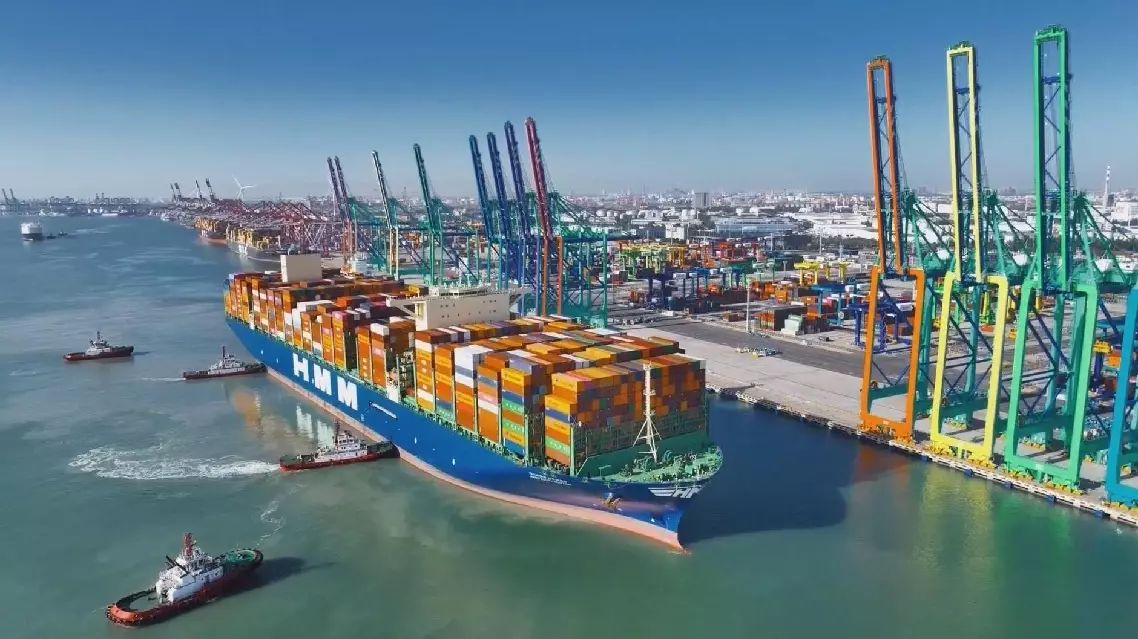
SCO members issue statement supporting multilateral trading system at 2025 summit
China's fixed-asset investment rose 1.8 percent year on year in the first two months of 2026, reversing last year's decline, according to data released Monday by the National Bureau of Statistics (NBS).
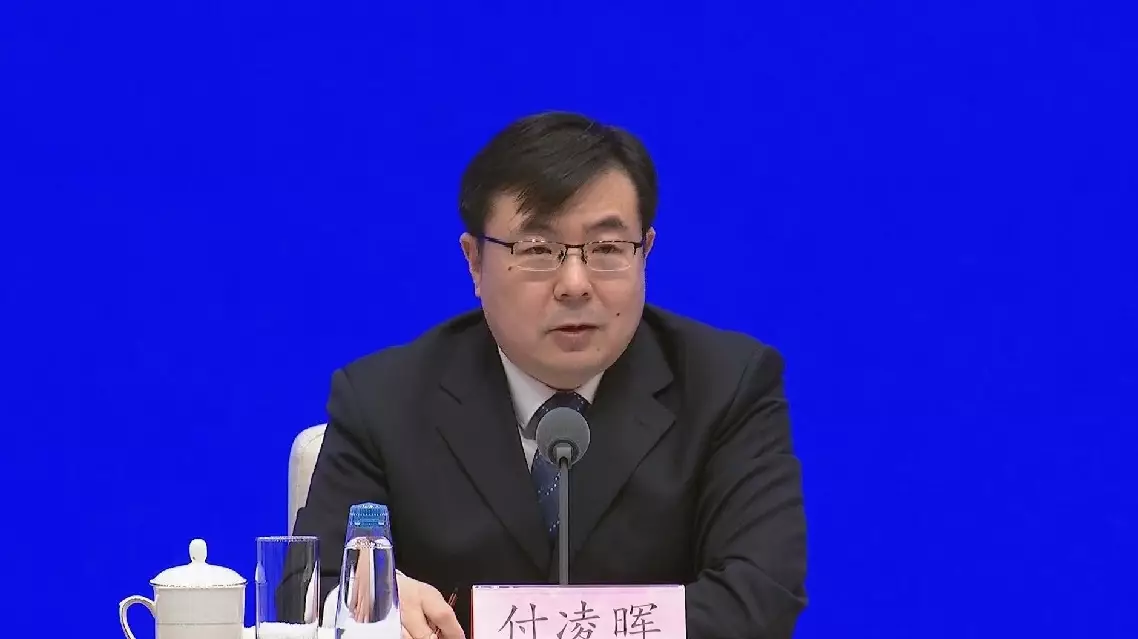
At a press conference in Beijing, Fu Linghui, spokesman for the National Bureau of Statistics, attributed the recovery largely to policies to expand effective investment, especially in key sectors.
"Since the beginning of this year, thanks to policies to expand effective investment, investment growth has reversed its decline and increased. In particular, the rapid investment growth in key sectors has played a positive role in optimizing the supply structure and expanding market demand. Fixed-asset investment grew by 1.8 percent year on year in the first two months," he said.
Fu elaborated on three main characteristics, the first of which is that investment growth accelerated in key areas.
"This year marks the start of the 15th Five-Year Plan period. The commencement of a batch of major infrastructure projects has accelerated investment growth. In the first two months, infrastructure investment increased by 11.4 percent year on year, 10.8 percentage points faster than the previous year, contributing three percentage points to overall investment growth," he said.
He said that construction of major projects accelerated, with investment in projects with a planned total investment of at least 100 million yuan (about 14.50 million U.S. dollars) increasing by five percent year on year in January and February.
Driven by industrial upgrading and development, the demand for transforming traditional industries and developing emerging industries expanded, leading to a rebound in manufacturing investment, he said. Manufacturing investment increased by 3.1 percent year-on-year in January and February, 2.5 percentage points faster than the previous year.
Notably, investment in new growth drivers showed strong momentum, the spokesman said.
"Various regions fostered new quality productive forces in line with local conditions, and technological and industrial innovations were deeply integrated, leading to rapid growth in investment related to new growth drivers. In January and February, investment in high-tech industries increased by 5.1 percent year on year, with investment in aerospace equipment manufacturing and information services increasing by 20.2 percent and 16.5 percent respectively," he said.
Fu said that in the first two months, investment in railway, shipbuilding, aerospace, and other transportation equipment manufacturing industries increased by 31.1 percent, as China's strengthened technological capabilities have boosted the development of high-end equipment manufacturing.
Noting that China's installed capacity for renewable energy, such as wind power and photovoltaics, has continued to rise during its green energy transition, he said that investment in the electricity and heat production and supply industry increased by 13.1 percent in January and February.
The spokesman said policies aiming at expanding effective investment have yielded results, which is the third area worth attention.
"Since the beginning of this year, various regions and departments have continued to implement major national strategies and build up security capacity in key areas, support large-scale equipment upgrades, and increase project funding, thus boosting investment growth. In January and February, investment by state-owned enterprises rose by 7.7 percent year on year, significantly faster than the previous year, while investment in equipment and tools went higher by 11.5 percent," he said.
According to Ling, in January and February, private investment in infrastructure grew by nine percent, partly as policies to promote private investment have been actively implemented.
China's fixed-asset investment up 1.8 pct in Jan-Feb: data