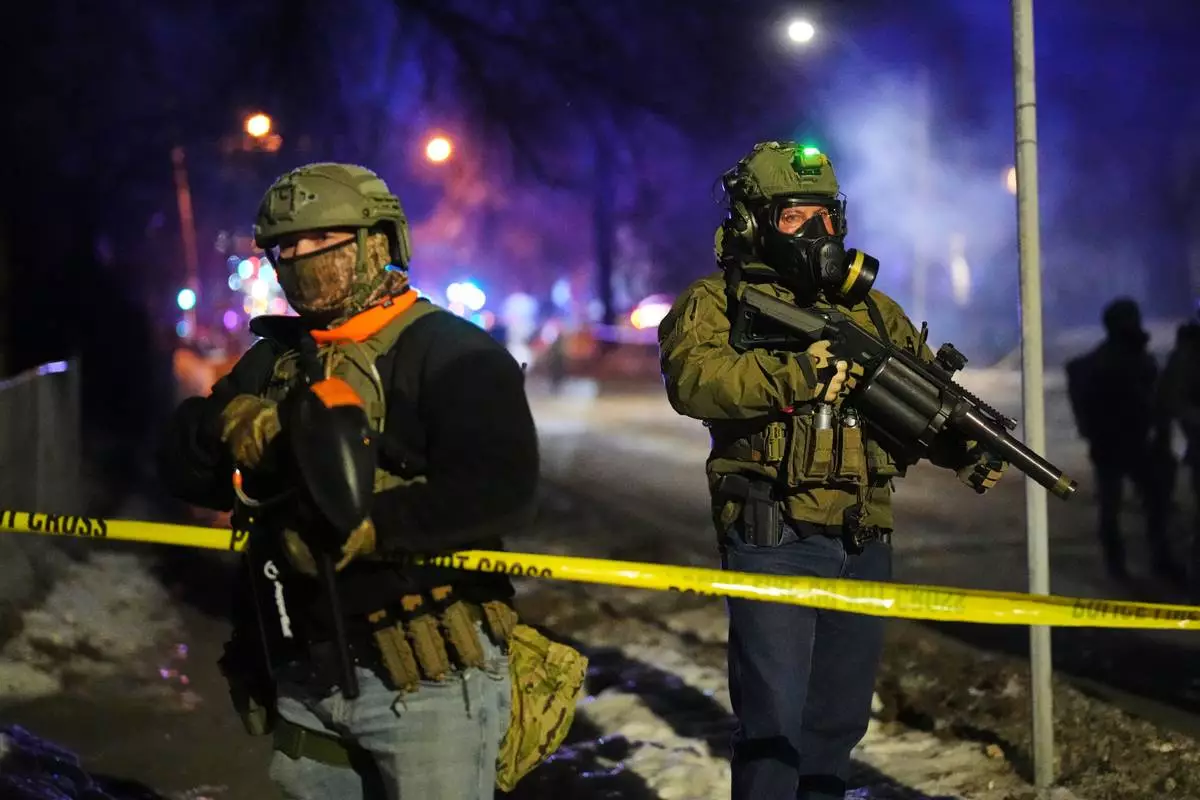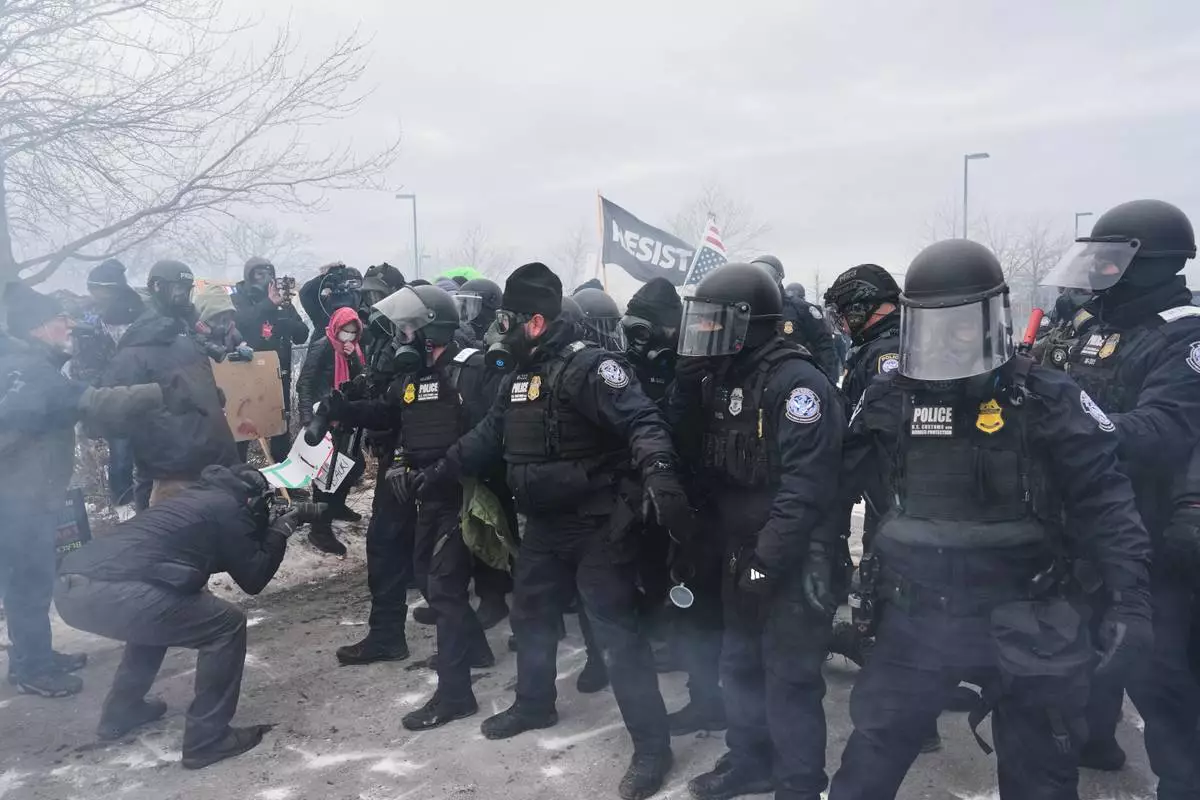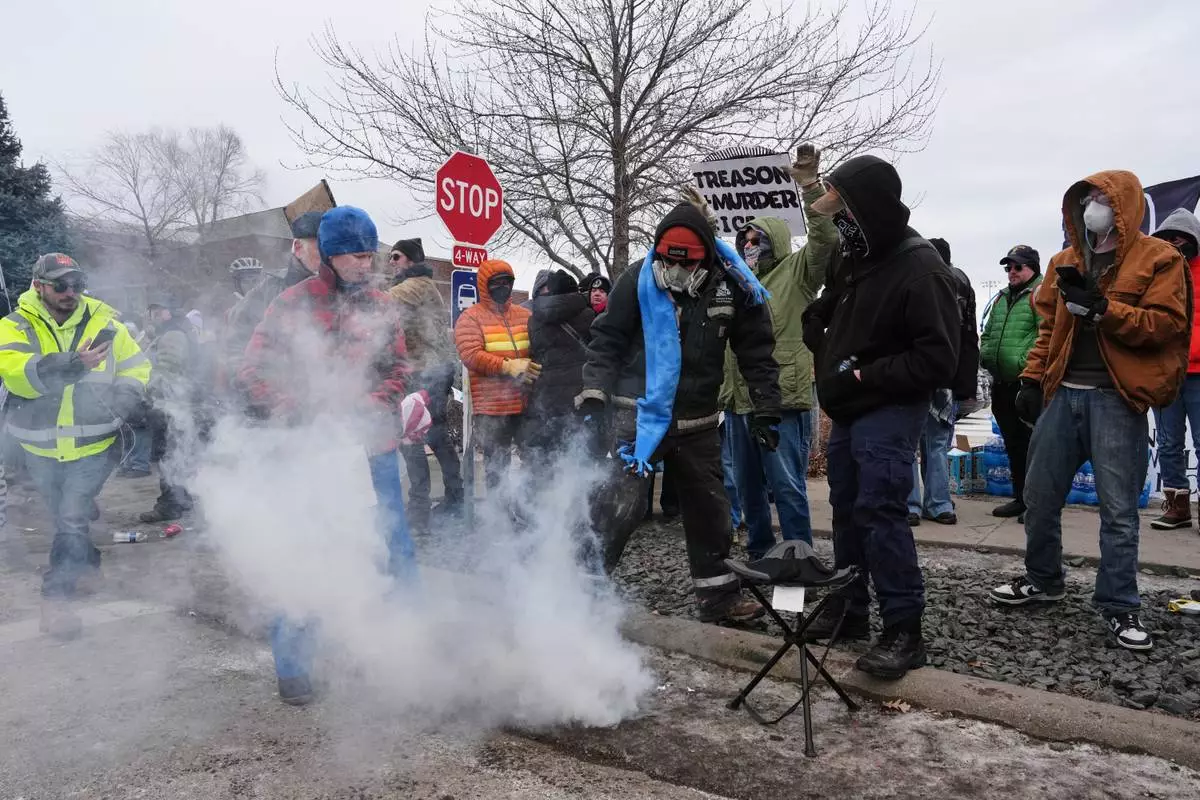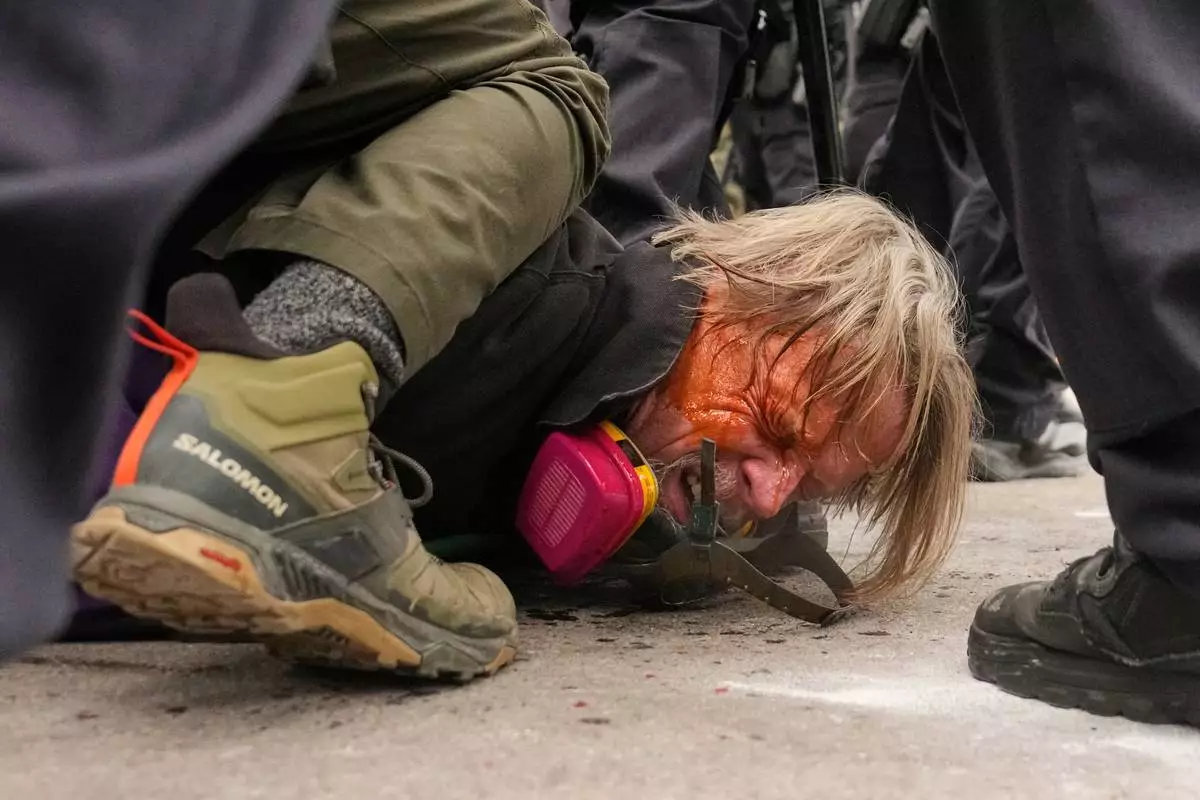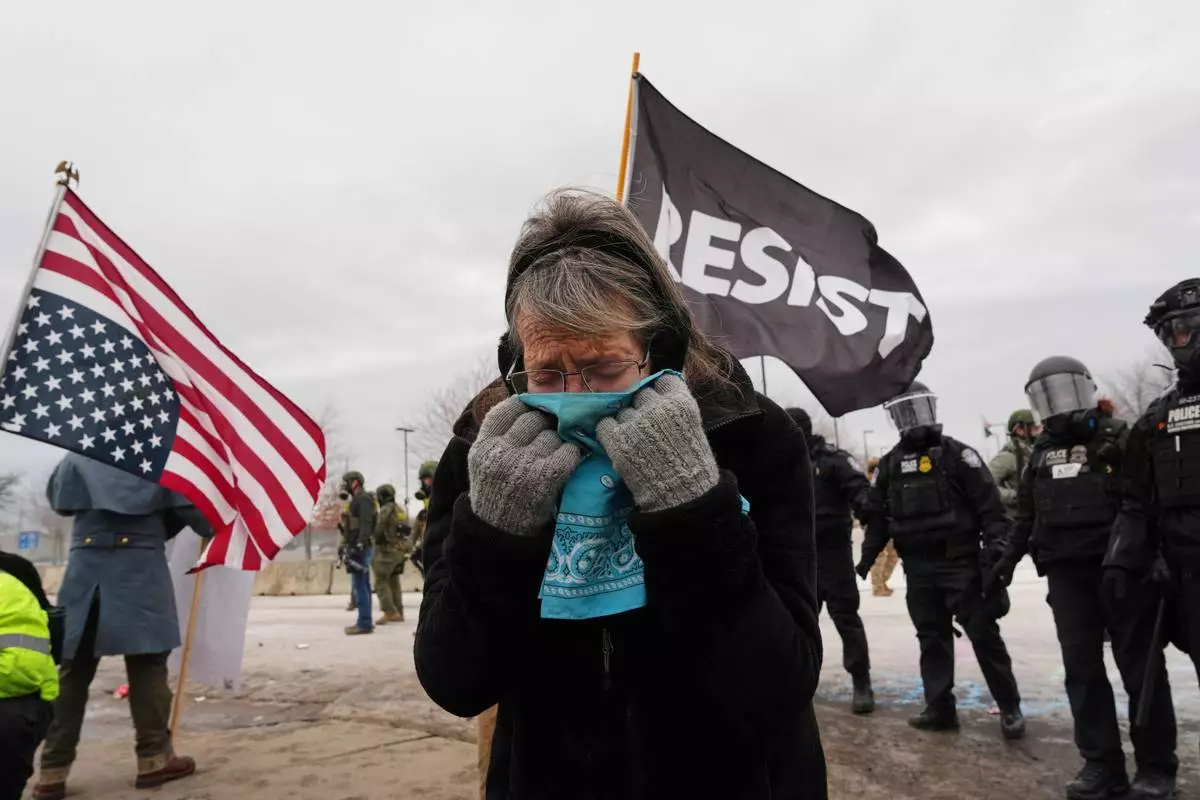
CHICAGO (AP) — Chicago community leaders forged ahead Wednesday with preparations for the influx of National Guard troops and immigration agents the city is expecting, advising residents about their rights and organizing protests with fresh urgency.
Details about the operation are scant, but President Donald Trump has amped up the rhetoric about crime in the nation’s third-largest city, saying an immigration crackdown and National Guard deployment are planned despite the objections of local leaders and a federal court ruling that a similar deployment in Los Angeles was illegal.
Click to Gallery
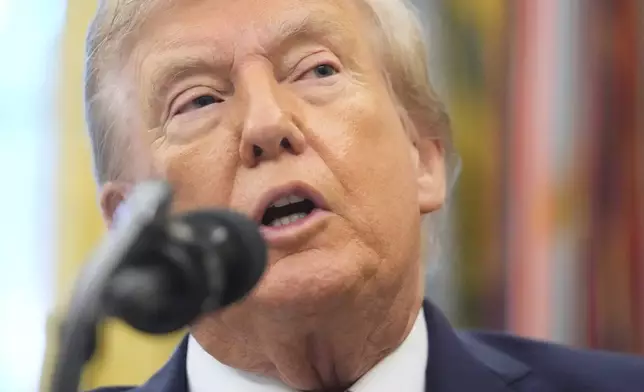
President Donald Trump speaks during an event about the relocation of U.S. Space Command headquarters from Colorado to Alabama in the Oval Office of the White House, Tuesday, Sept. 2, 2025, in Washington. (AP Photo/Mark Schiefelbein)
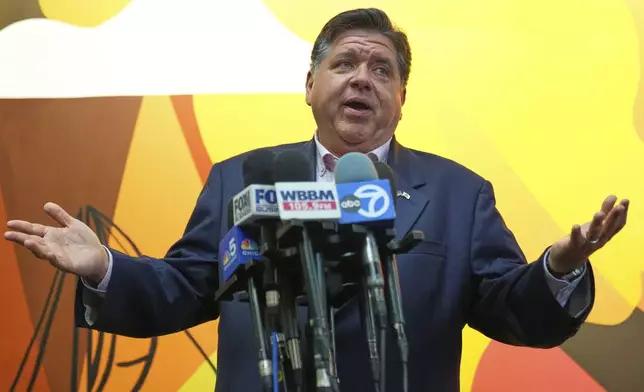
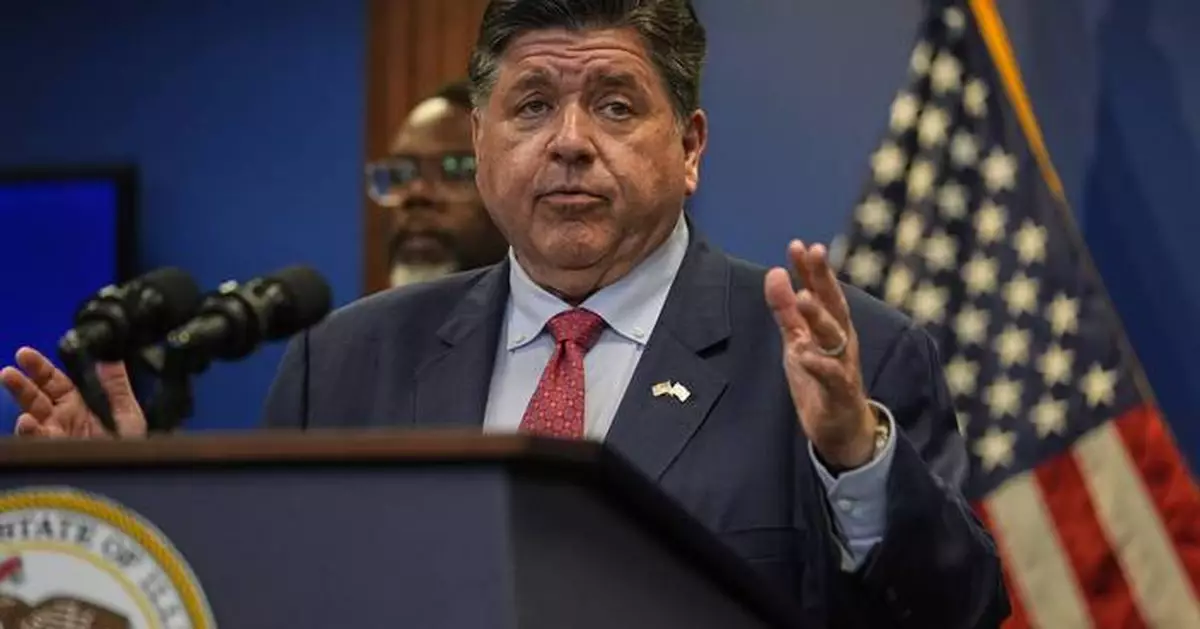
Illinois Gov. JB Pritzker speaks at a news conference after meeting with community violence intervention (CVI) leaders at an emergency response training to prepare for federal deployments in Chicago, Wednesday, Sept. 3, 2025. (AP Photo/Nam Y. Huh)
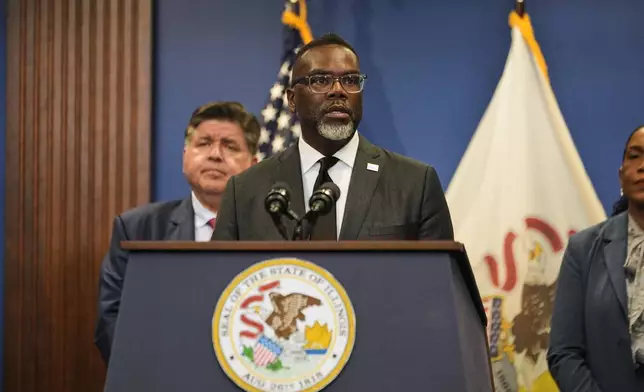
Chicago Mayor Brandon Johnson speaks during a press conference Tuesday, Sept. 2, 2025, in Chicago. (AP Photo/Kiichiro Sato)
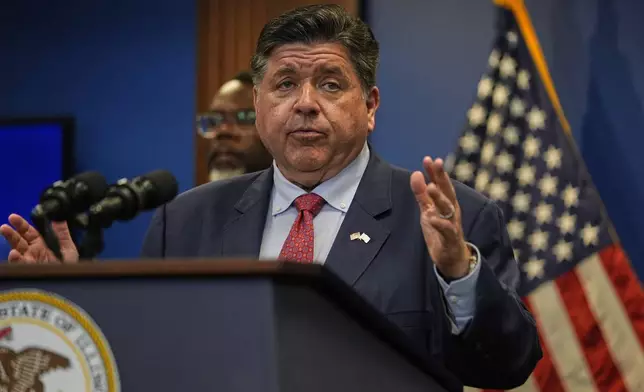
Illinois Gov. JB Pritzker speaks during a press conference Tuesday, Sept. 2, 2025, in Chicago. (AP Photo/Kiichiro Sato)
The preparations seem familiar in the Democratic stronghold that’s often found itself in Trump’s crosshairs.
Still, leaders of schools, churches and community groups — particularly in the city’s immigrant enclaves and Black and Latino neighborhoods — say there’s increased gravity and coordination in preparing for the expected troop deployment and its accompanying deluge of attention.
Here’s how Chicago is preparing.
Even without knowing what will unfold, Chicago’s energetic activist networks circulated “emergency protest” schedules, vowing to demonstrate within hours of federal intervention.
Organizers from immigrant rights groups, unions, clergy and anti-violence organizations said they’re working together more than ever.
“We have a stronger broader movement preparing to mobilize,” said Lawrence Benito, head of the Illinois Coalition for Immigrant and Refugee Rights. “People still have to go about their lives. We’re making sure folks are prepared and we’re ready to respond.”
Immigrant communities have been on high alert since Trump took office for the second time in January and kicked off a nationwide immigration enforcement operation in Chicago.
Activists say they’ve already offered countless know-your-rights training sessions and have added hours for a hotline where people can report immigration arrests. Chicago Mayor Brandon Johnson recently signed an executive order reiterating the city’s longtime sanctuary policies, which bar local police from coordinating with federal immigration agents.
Trump signaled this week that he’s ready to order federal authorities to mobilize and combat crime in Chicago despite the objections of Johnson and Illinois Gov. JB Pritzker. Trump hasn't given a timeline for the Chicago operation, and he muddied the outlook again on Wednesday by suggesting New Orleans as the next possible location.
Trump's administration indicated that it would soon expand immigration operations in Chicago, and the Department of Homeland Security requested limited logistical support at the Naval Station Great Lakes outside the city.
The administration deployed the National Guard to Los Angeles over the summer and as part of his unprecedented law enforcement takeover in Washington, D.C., where he has direct legal control. His administration plans to appeal the California deployment ruling.
Trump has often singled out Chicago and other Democrat-led cities. Recently, his administration started playing up the city’s daily crime log, including using shootings over Labor Day weekend as justification for sending in troops.
“I want to go into Chicago and I have this incompetent governor,” Trump said Wednesday.
He and Pritzker have traded barbs for days about the issue. Pritzker, a two-term governor and frequent Trump critic, has been floated as a possible 2028 presidential contender.
“I can’t live in a fantasy land where I pretend Trump is not tearing this country apart for personal greed and power,” Pritzker posted Wednesday on X. At an event later in the day, he told reporters his office had not received any additional information from the federal government.
There has been little outward support for Trump’s plans in Chicago, with only a handful of Republicans and conservative leaders saying they’d welcome the intervention.
Johnson and Pritzker have repeatedly pointed to the city's drop in crime, and asked for more federal funding for prevention programs instead.
Echoing a trend in other major U.S. cities, Chicago’s violent crime has dropped significantly overall, though it remains a persistent issue in parts of the city.
Chicago is home to a large and thriving Mexican community, and the threat of the troop deployment and immigration crackdown has put a damper on Mexican Independence Day celebrations planned over the next two weeks.
Organizers acknowledged the threat of immigration arrests might keep some people at home, but they’re boosting security measures and inviting more allies. It’s a similar tactic that activists tried for annual May Day protests, when fears about public gatherings were also high.
Teresa Fraga, who is organizing an event in the city’s heavily Mexican Pilsen neighborhood, said the event has hired more security, lawyers and neighborhood patrols.
“It’s a dark cloud that is hanging over our heads,” she said. “But we are planning a safe event.”
Worries are also high in many of the city’s Black neighborhoods, where organizations have been busy advising residents about what their rights are should they interact with law enforcement.
Dozens of Black churches plan to take part in “Resistance Sunday” this weekend, to disseminate information about legal rights during traffic stops and other encounters.
“We need resources, not troops,” said the Rev. Marshall Hatch, a prominent civil rights activist. “We’re not interested in this charade of troops.”
Johnson and other Black mayors have called Trump’s targeting of Democratic cities racist. And Trump has often used racist narratives about urban crime when talking about the unprecedented deployment of troops in the nation's capital.
“The president’s threats to send federal troops to Chicago are a clear blatant attack on the Black community and the immigrant community,” the Chicago Alliance Against Racist and Political Repression said in a statement.
Chicago’s public school system suggested that families create phone trees to quickly share information and organize walk-to-school groups to “provide safety in numbers.”
“We know that the potential of increased federal presence is creating anxiety and fear about safety at school and safety within the broad community,” Chicago Public Schools wrote in a letter to parents.
Members of the Chicago Teachers Union planned to distribute materials at schools this week with tips on legal rights and creating a buddy system on the school commute.
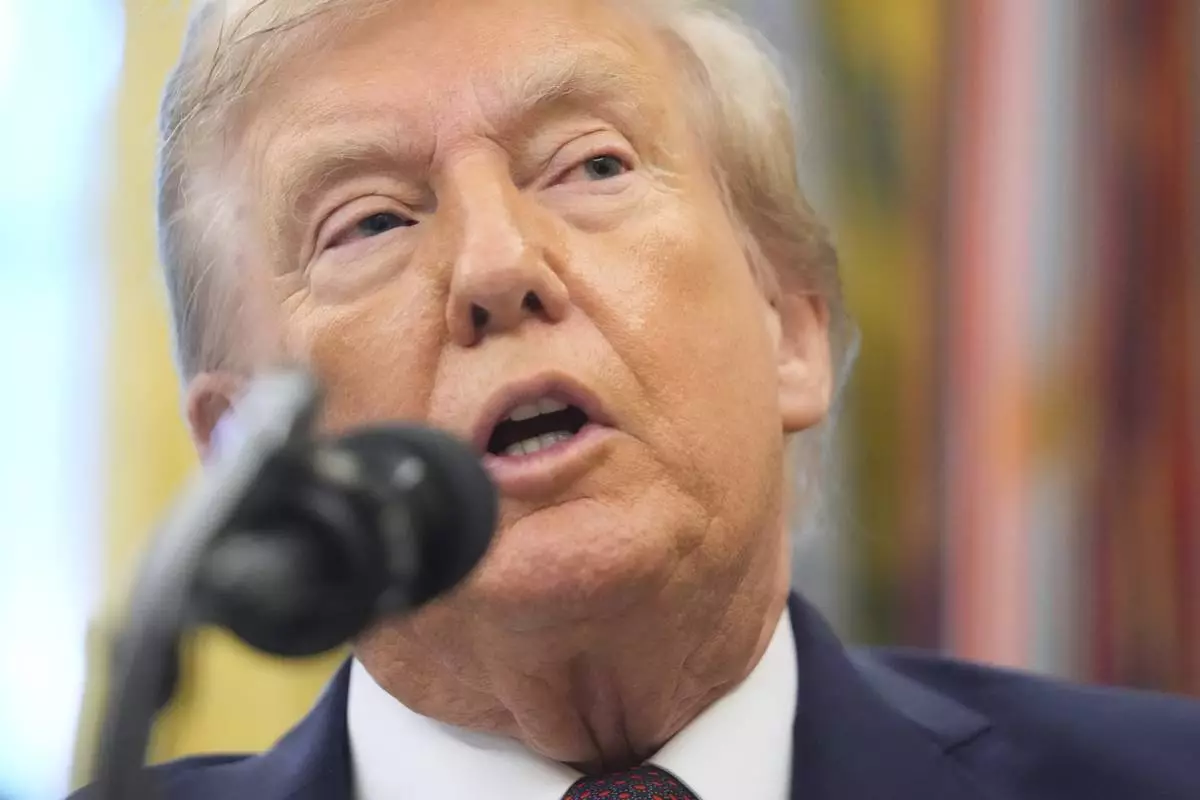
President Donald Trump speaks during an event about the relocation of U.S. Space Command headquarters from Colorado to Alabama in the Oval Office of the White House, Tuesday, Sept. 2, 2025, in Washington. (AP Photo/Mark Schiefelbein)
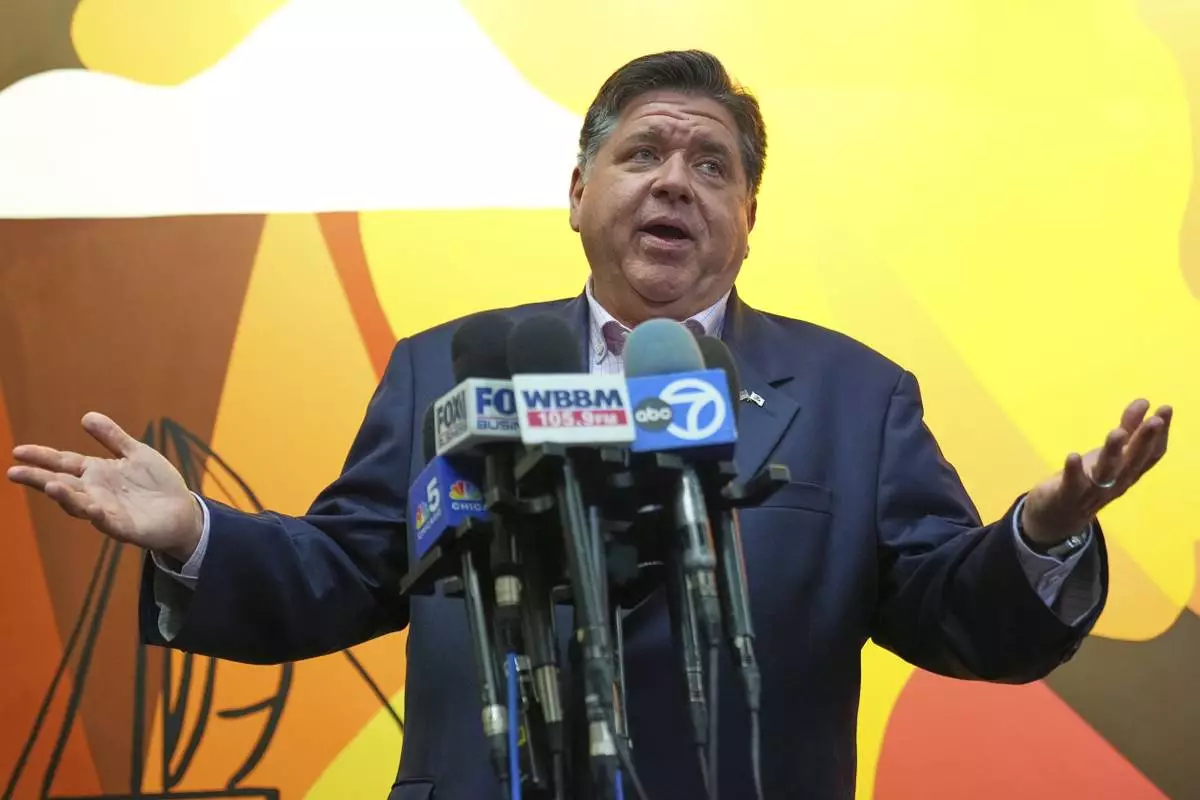
Illinois Gov. JB Pritzker speaks at a news conference after meeting with community violence intervention (CVI) leaders at an emergency response training to prepare for federal deployments in Chicago, Wednesday, Sept. 3, 2025. (AP Photo/Nam Y. Huh)
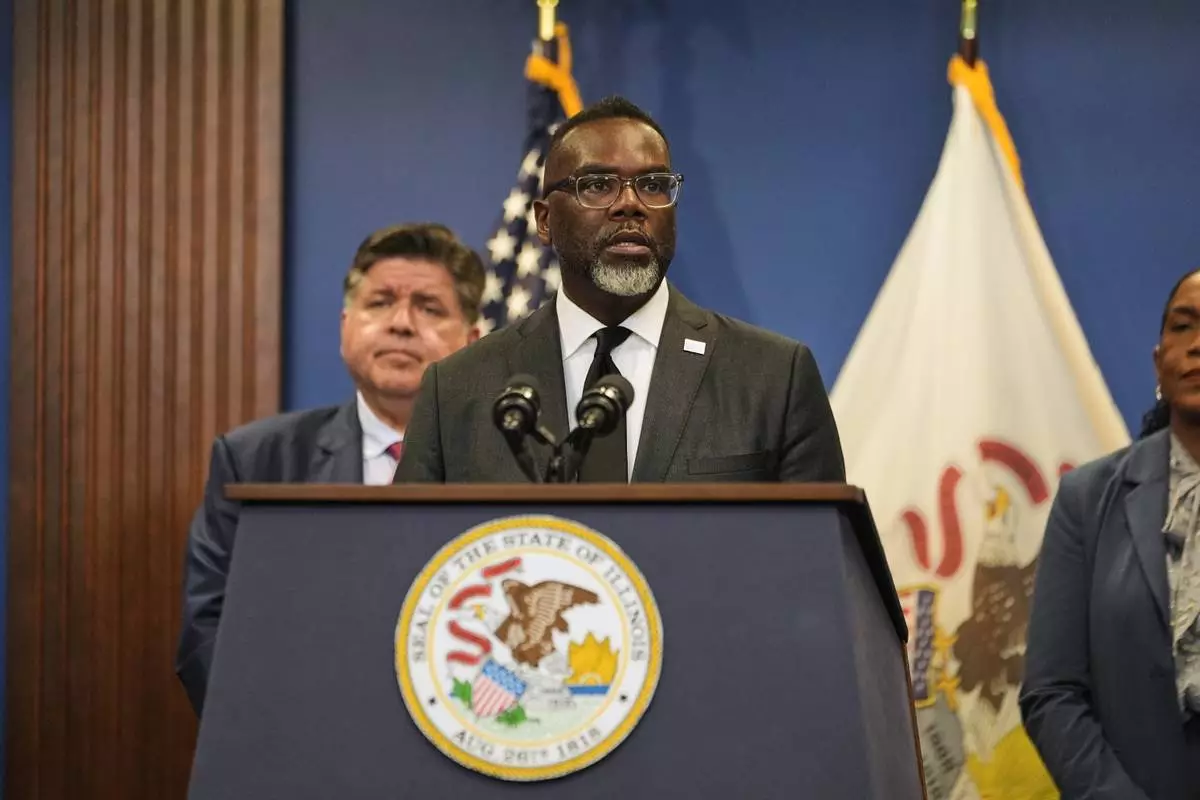
Chicago Mayor Brandon Johnson speaks during a press conference Tuesday, Sept. 2, 2025, in Chicago. (AP Photo/Kiichiro Sato)
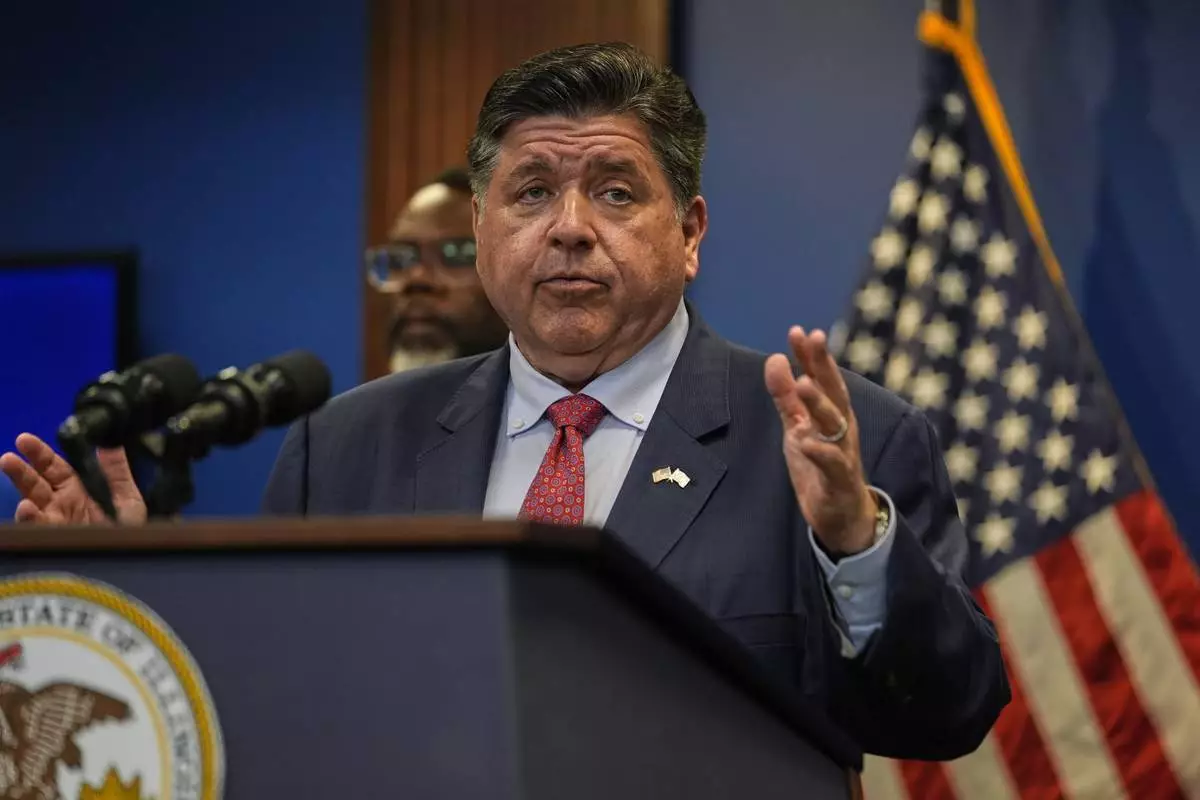
Illinois Gov. JB Pritzker speaks during a press conference Tuesday, Sept. 2, 2025, in Chicago. (AP Photo/Kiichiro Sato)