Vice President Han Zheng met with President of the National Parliament of Timor-Leste Maria Fernanda Lay in Beijing on Friday.
Fernanda is in China for a visit and the commemorations marking the 80th anniversary of the victory in the Chinese People's War of Resistance against Japanese Aggression and the World Anti-Fascist War.
During the meeting, Han recalled that last year, President Xi Jinping and President of Timor-Leste Jose Ramos-Horta agreed to advance the bilateral relations toward the building of a community with a shared future, leading to sustained and robust growth of bilateral ties.
China is willing to work with Timor-Leste to carry forward the fine tradition of mutual trust and win-win cooperation, implement the important consensus reached by the leaders of the two countries, firmly support each other, and promote high-quality joint construction of the Belt and Road. The two sides shall also work together to improve people's livelihoods, elevate comprehensive strategic cooperation, and jointly promote regional peace and stability, Han said.
Fernanda congratulated China on the successful commemoration event and expressed gratitude to China for its long-term and valuable support to Timor-Leste. Timor-Leste firmly upholds the one-China principle, and the National Assembly of Timor-Leste is willing to make positive contributions to promoting practical cooperation between the two countries, she said.
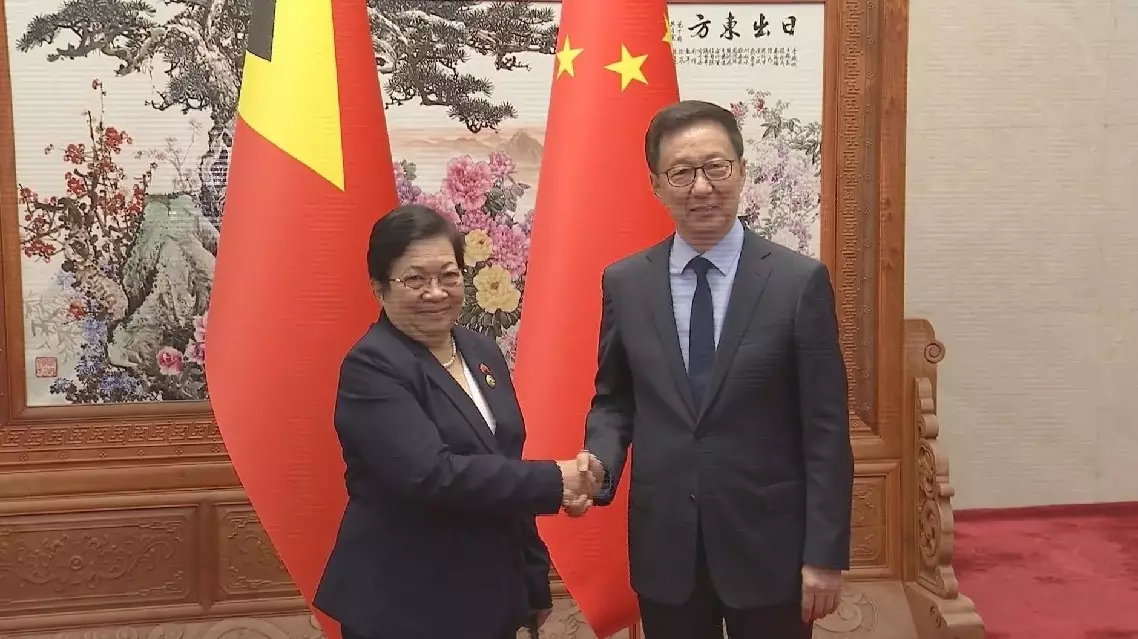
Chinese vice president meets President of Timor-Leste's National Parliament
A Japanese lawmaker has raised concerns over Japan's push to expand its military and its nuclear policy.
Responding to some politicians' dangerous tendency towards possessing nuclear weapons, Takara Sachika, a member of Japan's House of Councilors, said that Japan's push to strengthen its military, combined with what she called a misguided nuclear policy, not only heightens regional tensions but also directly threatens regional security.
"I think this is completely unacceptable. Japan is a country that has suffered atomic bombings and is one of the nations most aware of the threat posed by nuclear weapons. Yet such a country is openly discussing the issue of possessing nuclear weapons and even attempting to revise the principle of not allowing the introduction of nuclear weapons, one of the Three Non-Nuclear Principles. This is an extremely serious problem," Takara said.
Takara said the Japanese government's tendency to expand its military capabilities is completely contrary to the Constitution.
"From the perspective of Japan's Constitution, Japan should never have adopted a policy of ensuring security by strengthening military capabilities. Yet today, enormous effort is being poured into military expansion, and that in itself is a serious problem," said the lawmaker.
At a Diet meeting in early November 2025, Japanese Prime Minister Sanae Takaichi said that what she described as the Chinese central authorities' "use of force on Taiwan" could constitute a "survival-threatening situation" for Japan, and suggested the possibility of armed intervention in the Taiwan Strait, drawing strong criticism worldwide.
Takara urged Takaichi to retract her erroneous remarks as soon as possible.
"I think there is a very big problem with making such remarks that provoke other countries. It is necessary to thoroughly examine the facts as soon as possible and withdraw the relevant remarks," she said.
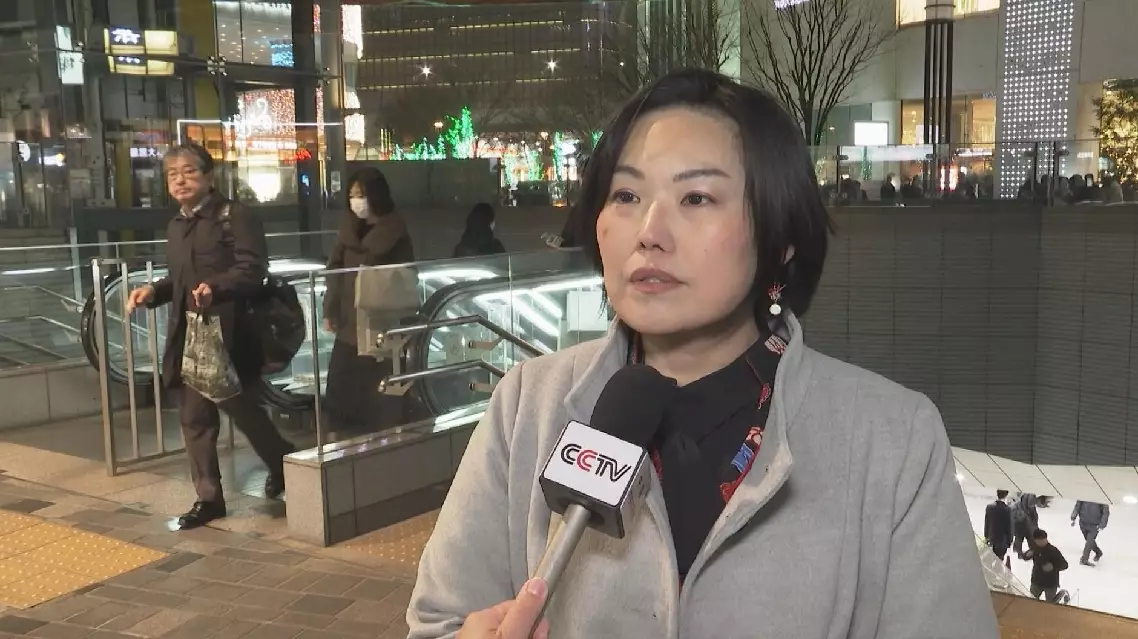
Japanese lawmaker criticizes nuclear weapons remarks as threat to regional security