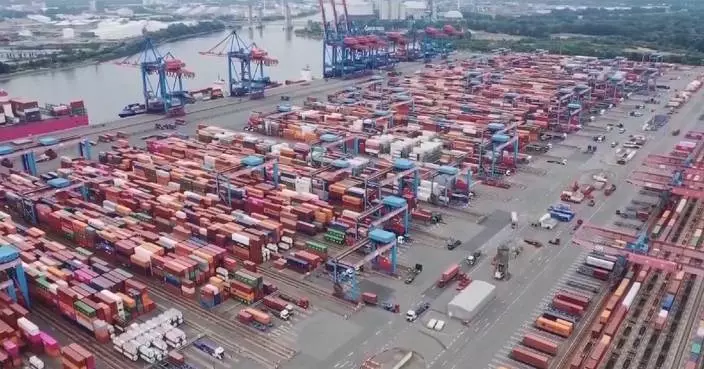
The Hong Kong Observatory issued No. 8 Southeast Gale or Storm Signal Sunday evening under the effect of typhoon Tapah.
The observatory said that the signal, the third-highest warning under Hong Kong's weather system, will remain in force until at least 13:00 local time on Monday.
Due to the storm, many public services and activities in the Hong Kong Special Administrative Region (HKSAR) have been suspended.
The Education Bureau of the HKSAR government announced that classes of all-day schools are suspended on Monday.
Airport Authority Hong Kong expects around 100 flights to be canceled on Monday. Amusement parks and clinics are closed under the influence of Tapah.
The HKSAR government has taken precautions against the typhoon, with emergency response teams ready on call.
People have been urged to stay away from the shoreline and avoid visiting country parks.
The Home Affairs Department of the HKSAR government has also opened 34 shelter centers for citizens in need.
The observatory said on Monday Tapah is moving inland after making landfall in Guangdong Province and is further away from Hong Kong. While wind power will diminish gradually, Hong Kong should still prepare for rainstorms and big waves on Monday.
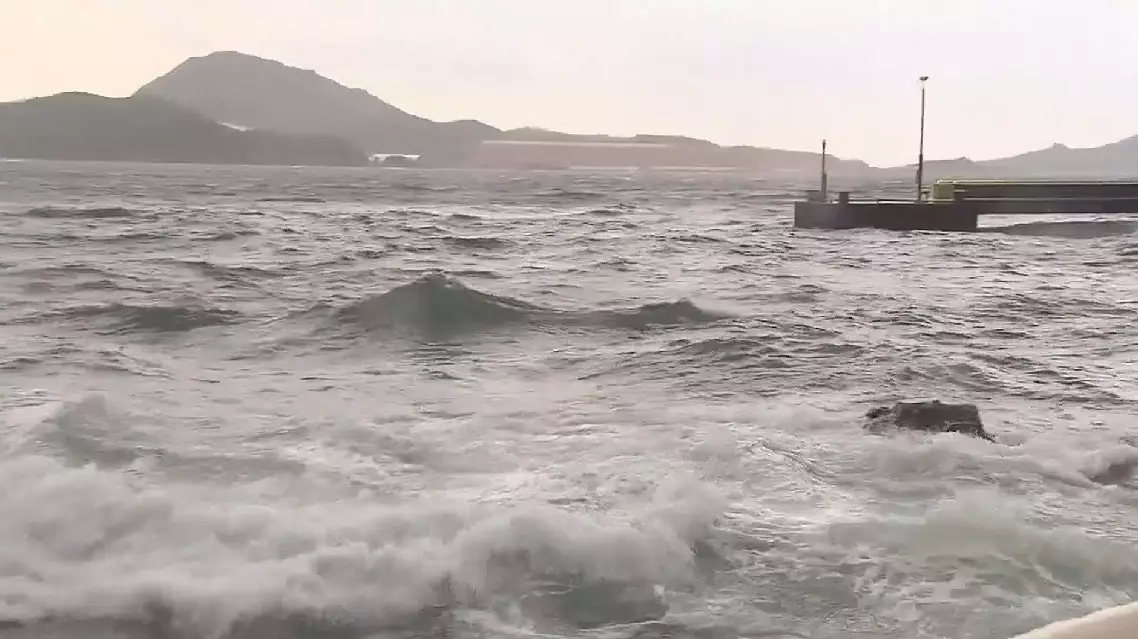
Hong Kong issues No. 8 typhoon signal against Typhoon Tapah
Washington's assertive moves, from attacks on Venezuela to threats against Iran and Greenland, reflect the final outburst of a declining unipolar order and may encourage countries in the Global South to band together as uncertainty grows, said American University history professor Anton Fedyashin.
U.S. President Donald Trump's policy agenda has drawn widespread criticism from governments around the world, as Latin American governments condemn the kidnapping of Venezuelan President Nicolas Maduro, and the European Union sharply rejects Trump's claims on Greenland, a territory of Denmark.
In a recent interview with China Global Television Network (CGTN), Fedyashin said that the U.S. president's brazen actions signal an impending end to America's excessive global influence.
"I think we are entering a period of global fragmentation, and that we are certainly entering a period when American hegemony is in relative decline. And I think that Donald Trump, by the way, is a manifestation. It's the 'extinction burst' of American hegemony, of the unipolar moment," he said.
Fedyashin predicted that stronger cooperation among Global South nations will become increasingly urgent as countries seek new pathways to accelerate development amid the renewed uncertainties from the U.S.
"What I think is more likely to start happening is that countries around the world will start banding together, in order to protect themselves against the United States, and against the West and whatever other outside actors there are. The world, the members of the Global South will start looking for alternatives to Western-dominated organizations, both economically and from the point of view of security. So I think that if the United States continues to be so unpredictable and aggressive, that the Global South, at least, will start coming together," said the historian.
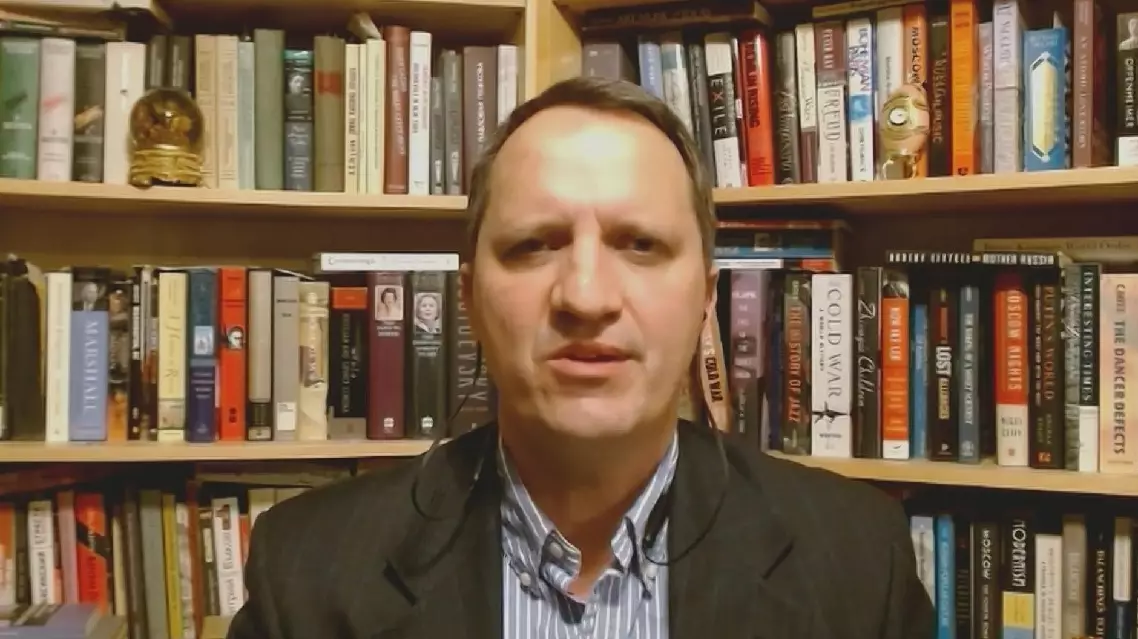
US aggression signals hegemony faces "extinction burst": historian