Lithium batteries are widely used in electric vehicles and electronic products, but concerns are growing about their environmental impact during mining and disposal. Scholars from Lingnan University’s School of Interdisciplinary Studies and their collaborators have published a pioneering study online in top-tier, peer-reviewed, scientific journal Advanced Energy Materials. The study introduces a novel “anode-free sodium battery” that, by tuning the salt concentration in the electrolyte, reduces the risks of short circuits and shortened lifespan during fast charging. Laboratory tests have demonstrated that this new type of battery can be charged within minutes while maintaining safety and stability.
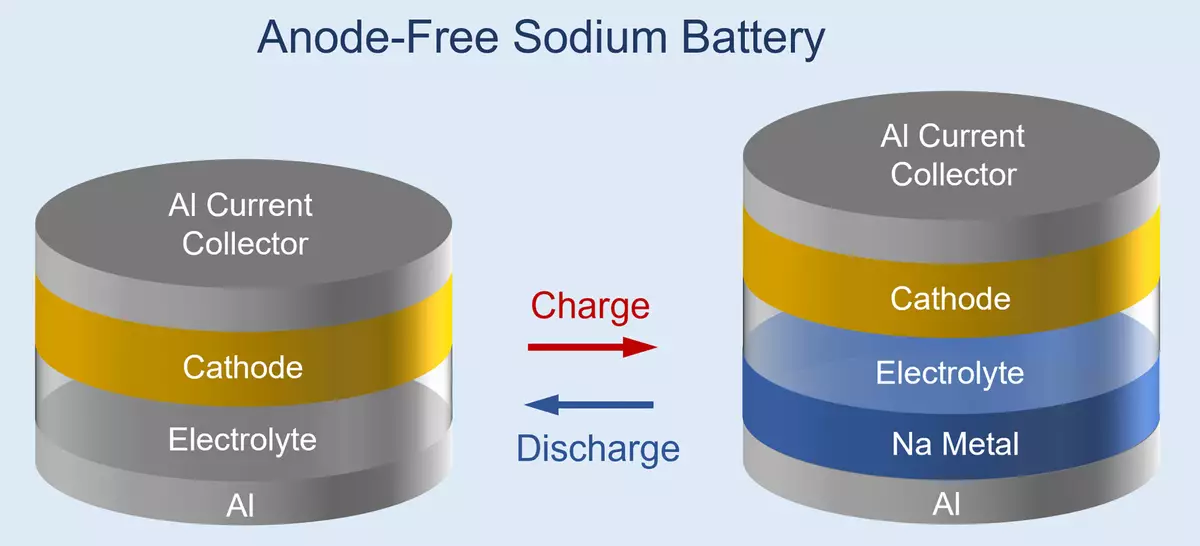
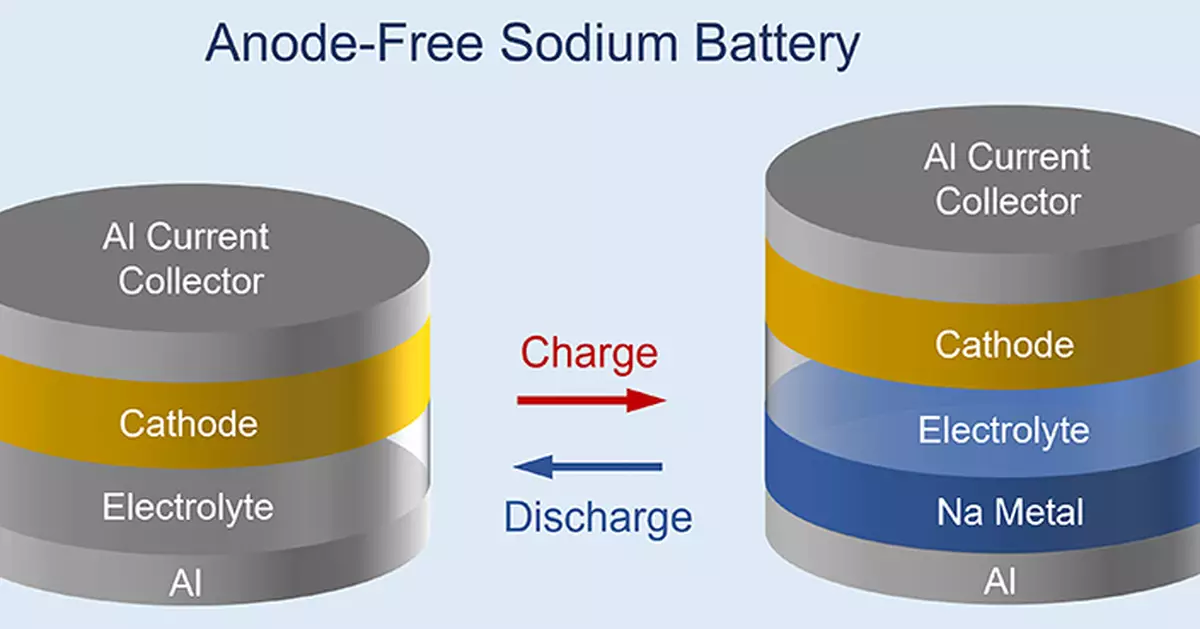
Charging and discharging processes of anode-free sodium batteries. During charging, sodium (Na) metal is deposited on the aluminium (Al) current collector, and during discharging, sodium returns to the cathode.
In recent years, the academic sector has actively explored anode-free sodium batteries (also known as reservoir-free sodium batteries) as a potential alternative to lithium batteries (Photo 1). A major barrier to commercialisation, however, has been the inherent softness of sodium, an alkali metal that makes these batteries prone to short circuits and rapid capacity loss under fast-charging conditions.
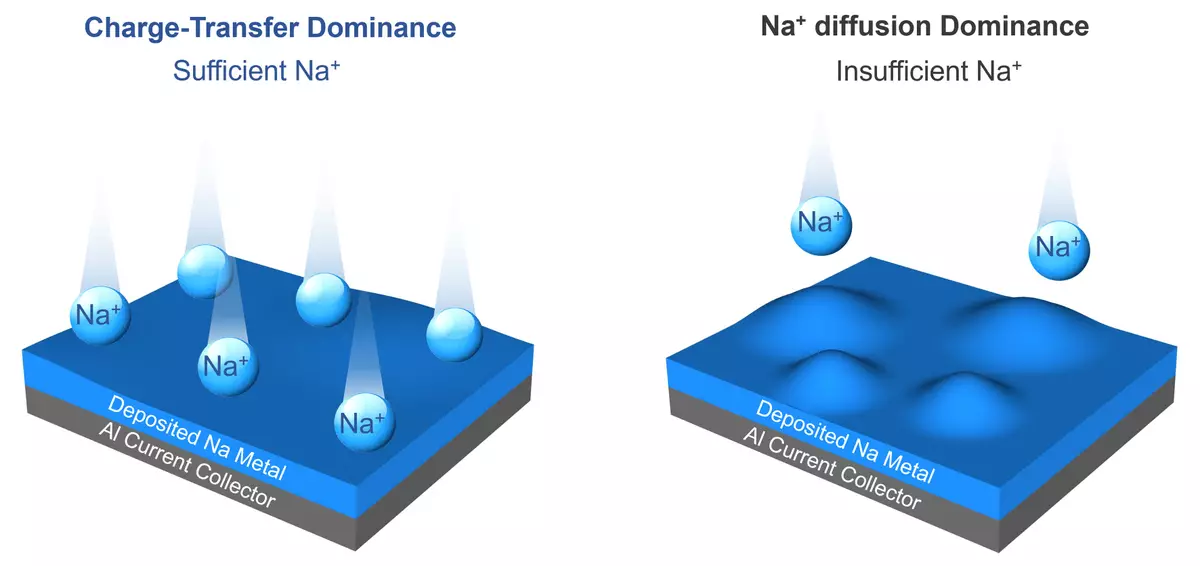
Sodium deposition under conditions dominated by charge transfer and sodium-ion diffusion. Under charge-transfer-dominated conditions with sufficient Na+ supply, sodium metal deposits uniformly on the Al current collector. Under diffusion-dominated conditions, where the Na+ supply is insufficient, sodium metal deposits non-uniformly, leading to short circuits.
The joint research team from Lingnan University, Tsinghua University, and the Beijing Institute of Technology identified the critical step governing the stability of sodium batteries: the kinetics of sodium ion deposition. By increasing the electrolyte salt concentration appropriately, the team successfully shifted the deposition process from a diffusion-controlled mode to a charge-transfer-controlled mode (Photo 2), which minimises the risks of short circuits, thereby improving battery stability and lifespan. Additionally, since the fully discharged anode-free sodium battery contains no metallic sodium, production and transportation are safer.
Laboratory experiments confirm that increasing the electrolyte salt concentration ensures a better supply of sodium ions and enables smoother deposition. The critical current density for sodium deposition was enhanced to over 20 mA cm⁻², and the batteries demonstrated a fast-charging capability of 10C, completing charging within minutes, much faster than the typical 1C to 2C charging rate of commercial lithium-ion batteries. Moreover, the cells maintained over 70 per cent of capacity after 500 charge–discharge cycles.
The research team noted that this breakthrough provides valuable insights into the design of safe and stable anode-free sodium batteries, laying the groundwork for future applications. They hope to extend their findings beyond laboratory-scale prototypes to larger applications in electric vehicles, renewable energy storage such as wind and solar power, and consumer electronics.
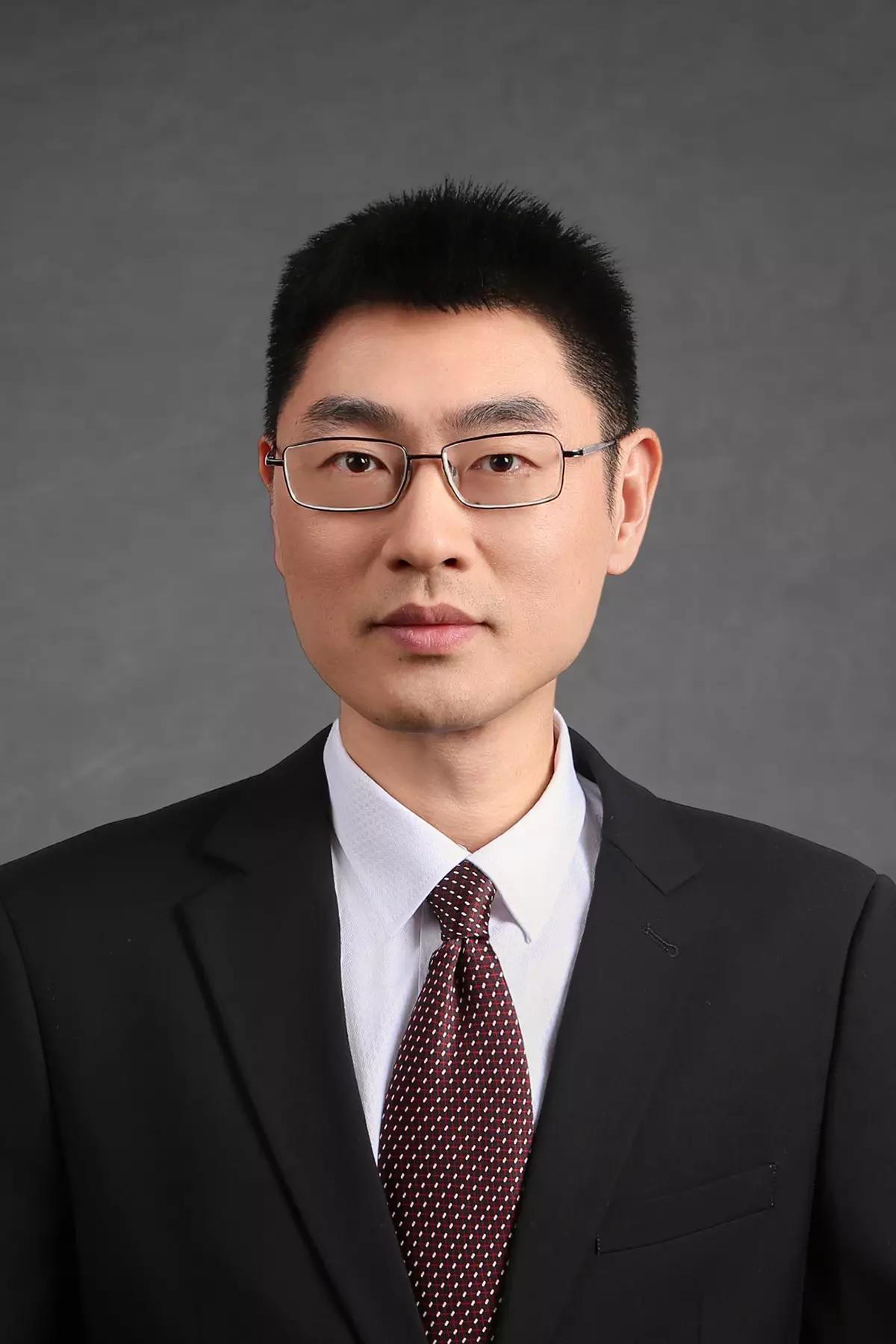
Prof Li Liangliang, Associate Professor of the School of Interdisciplinary Studies at Lingnan University and co-corresponding author of the research paper.
Prof Li Liangliang, Associate Professor of the School of Interdisciplinary Studies at Lingnan University and co-corresponding author of the research paper , explained “Global society relies heavily on electric vehicles and electronics, yet lithium resources are limited, costly, and unevenly distributed, with extraction processes that damage land and water. Our new anode-free sodium battery replaces lithium with sodium, a more abundant and affordable resource. Sodium costs less than a tenth of lithium, is plentiful in seawater, and can significantly reduce the price of electric vehicles and energy storage systems. Its extraction is also simpler, more sustainable, and less environmentally damaging for the green economy.”
Prof Li Liangliang also pointed out that the research aligns with Hong Kong’s carbon neutrality and electric mobility goals, and that “This study responds to urgent global and local needs in energy transition. The technology has the potential to support greener and more affordable mobility solutions, while reducing dependence on imported lithium.”
Lingnan University has in recent years conducted interdisciplinary research and innovation projects addressing global challenges such as climate change and the clean energy transition. This collaborative research, combining expertise in materials science, chemical engineering, and mechanical engineering, also follows United Nations’ Sustainable Development Goals on “Affordable and Clean Energy” (SDG 7) and “Climate Action” (SDG 13).
Lingnan University will confer honorary doctoral degrees on six distinguished individuals in recognition of their outstanding achievements and valuable contributions to humanity.
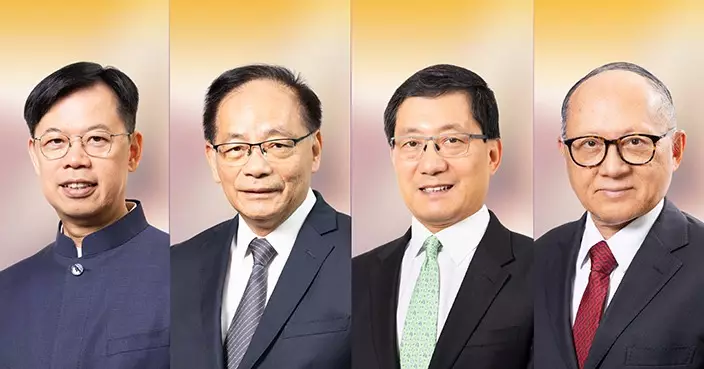
They are Dr Fok Chun-wan, SBS, JP, a well-known patriotic businessman; Dr Li Ning, an entrepreneur; The Hon Liao Cheung-kong Martin, GBM, GBS, JP, Chairman of The Hong Kong Jockey Club; Prof Tao Tang, an academic leader; Prof Wang Anyi, one of the very best writers in the contemporary literary scene; and Mr Donnie Yen, an international action star.
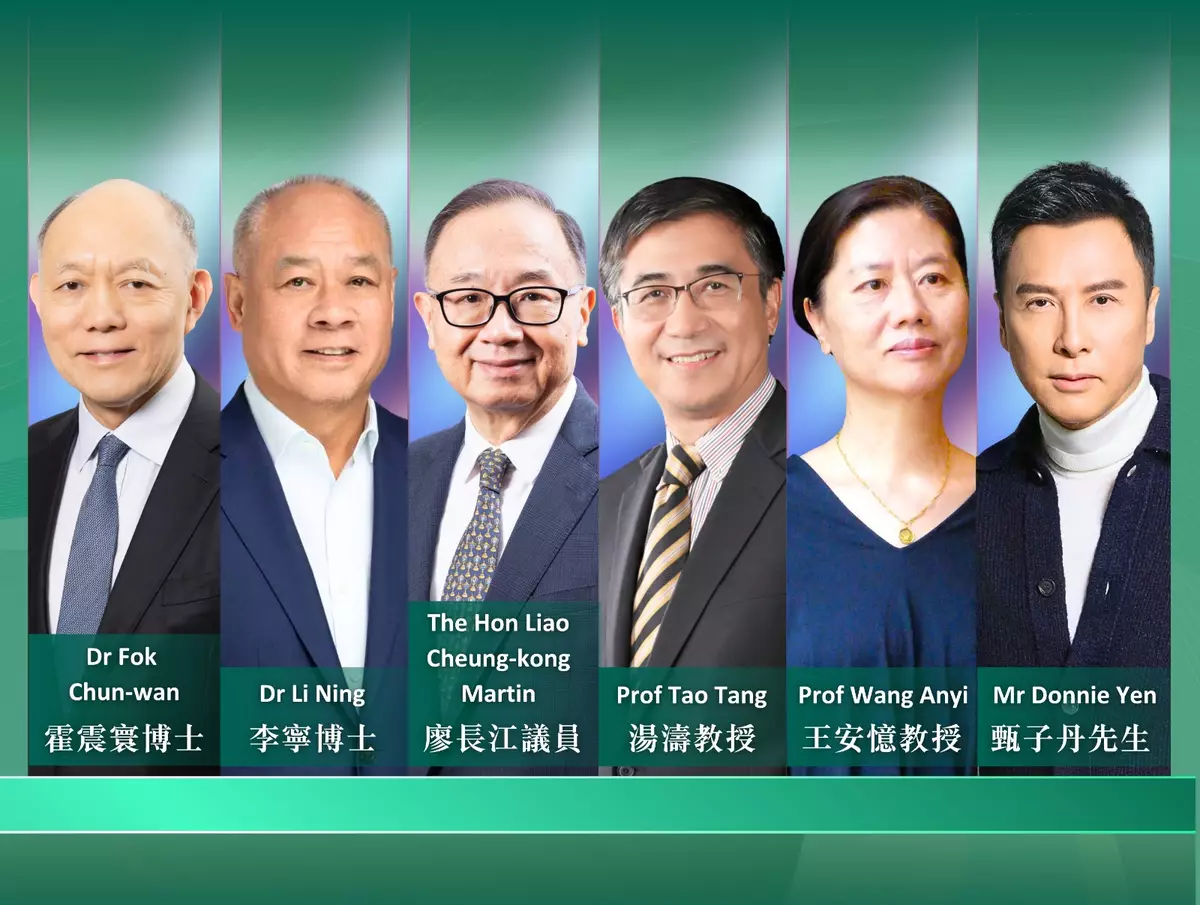
Photo source: Lingnan University
The following are the biographies of the Honorary Doctorate recipients:
Dr Fok Chun-wan
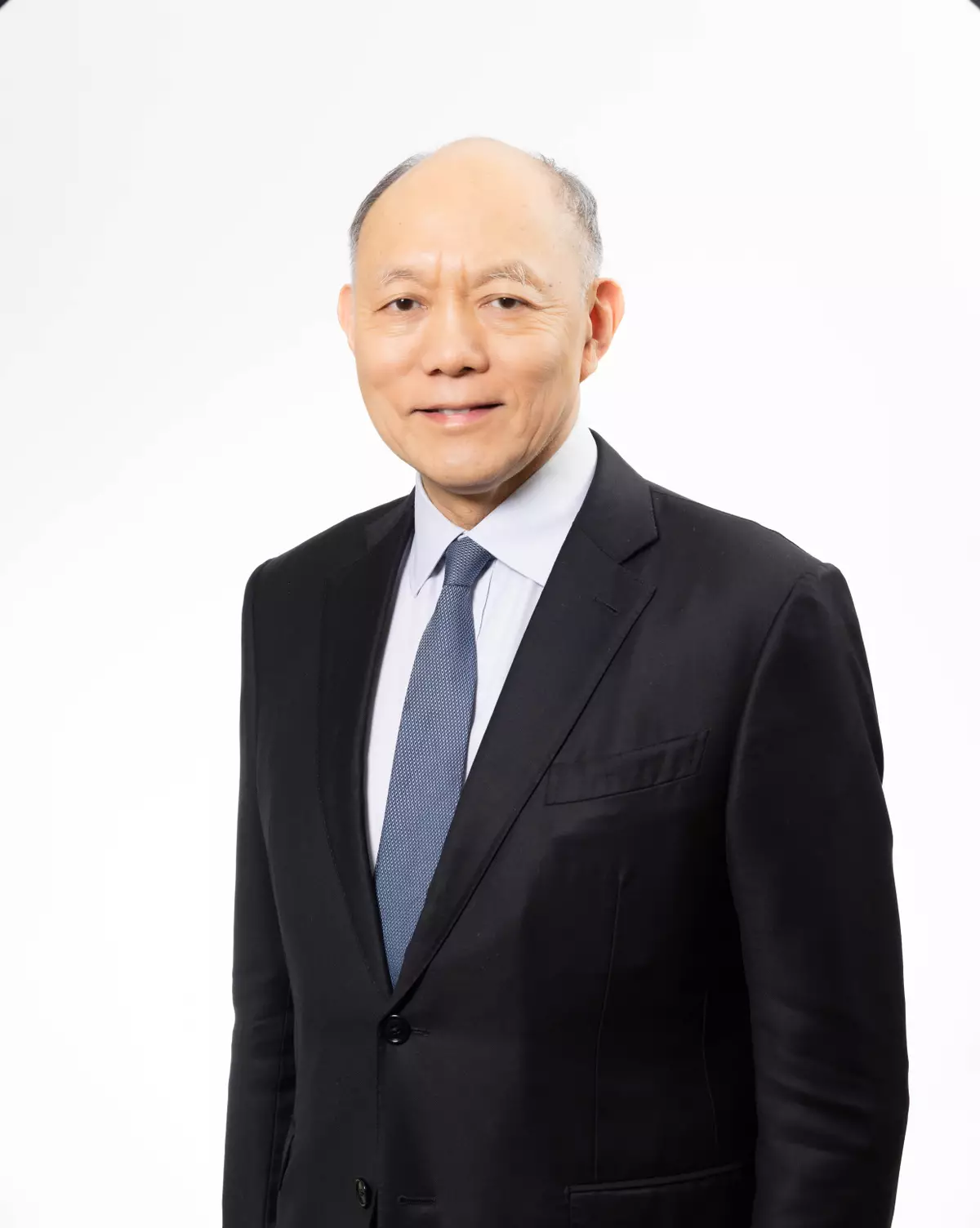
Dr Fok Chun-wan, Photo source: Lingnan University
The well-known and patriotic businessman Dr Fok Chun-wan, having inherited his father Dr Henry Fok Ying-tung's patriotism, love for Hong Kong, resilience, and pioneering spirit, became a successful entrepreneur. In the late 1970s and early 1980s, Dr Fok's enterprises followed the main trends, participating in the nation's reform, opening-up, and modernisation. His business activities include property, construction, tourism, culture, and transport.
Since the early 1980s, Dr Fok has held senior positions from Committee Member to Chairman in the Chinese General Chamber of Commerce, and he has also served as Vice-Chairman of the All-China Federation of Industry and Commerce, and supported the World Chinese Entrepreneurs Convention, which fosters the apolitical development and collaboration of the global Chinese business network. Dr Fok also served as a Deputy to the 11th, 12th, and 13th National People's Congresses. With a strong sense of responsibility and mission, he has offered suggestions on reform and opening-up.
Dr Fok has long assisted the nation's and Hong Kong's educational and charitable causes, and founded the Hong Kong United Youth Association in order to create a platform for exchange to assist a new generation that loves its homeland and Hong Kong. He also founded the Hong Kong Pei Hua Education Foundation with Dr Lee Shau-kee, and both have been long-term contributors to talent cultivation and economic development in Chinese Mainland, demonstrating great foresight and aligning closely with Lingnan University's motto of “Education for Service”.
Through his various martial arts roles, Dr Fok is a key driver in internationalising and popularising the Chinese martial arts. As early as the 1980s, he founded the Wushu Federation of Asia, serving as its Vice-President and later President, and successfully campaigning for Wushu's inclusion in the Asian Games. In recent years, Dr Fok has advocated its introduction into schools and spared no effort in promoting Chinese Wushu across Asia and around the world. In acknowledgement of Dr Fok's invaluable contributions to the industrial and commercial, education and social welfare sectors, he was awarded the Silver Bauhinia Star by the Government of the Hong Kong Special Administrative Region.
Dr Fok will be awarded Doctor of Business Administration, honoris causa.
Dr Li Ning
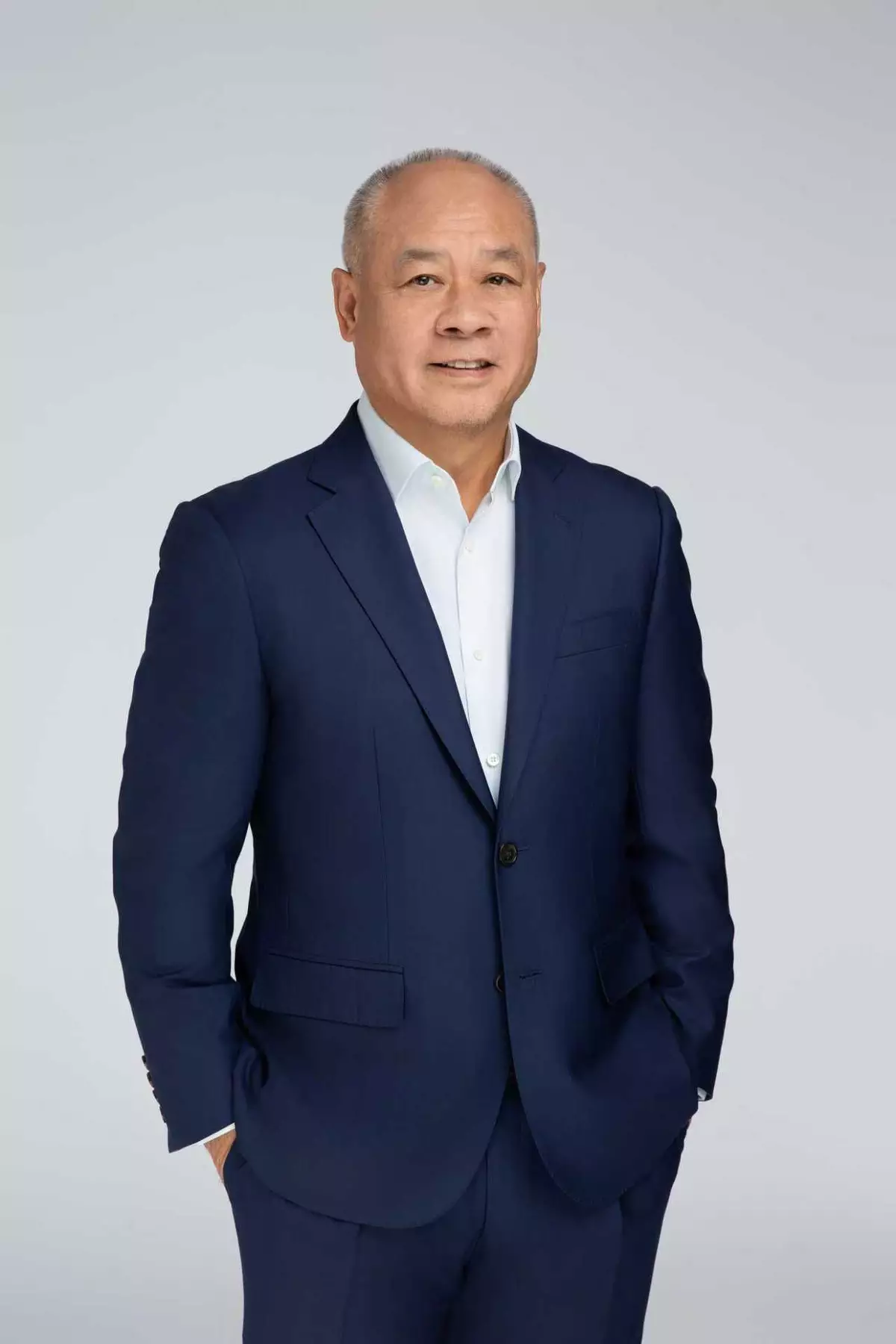
Dr Li Ning, Photo source: Lingnan University
A prominent figure in the global athletic community and a highly successful entrepreneur, Dr Li Ning is not only the founder and current Chairman and Executive Director of the Li-Ning sportswear brand, but also the Chairman, Chief Executive Officer, and Executive Director of Viva Goods Company Limited.
Dr Li began his systematic training in gymnastics at the age of eight. At the 1982 Artistic Gymnastics World Cup, Dr Li achieved an extraordinary feat by winning six gold medals in the all-around, floor exercise, horizontal bar, still rings, pommel horse, and vault categories, becoming the athlete with the most gold medals in a single gymnastics competition for China, and earning the title of “Prince of Gymnastics”. At the 1984 Los Angeles Olympics, Dr Li further solidified his legacy by winning a total of six medals – three gold, two silver, and one bronze – making him the most decorated Olympian of the Games.
After his retirement in 1989, Dr Li founded the eponymous brand Li-Ning which specialises in professional sportswear and equipment. Over the past 30 years, he has developed the company's business and made important contributions to the growth of China's sports goods industry. In 2025, the Li-Ning brand will rejoin forces with the Chinese Olympic Committee as its official sportswear partner for the period 2025 to 2028, providing award-winning sportswear for the Chinese sports delegation. Additionally, the Li Ning Group invests in youth sports development, encouraging young people to embrace the joy of sports by sponsoring youth basketball, badminton, table tennis, and football competitions.
Throughout the years, Dr Li has actively supported charitable initiatives through the Li Ning Foundation. Apart from establishing the Chinese Athletes Educational Foundation to fund continuing education and training programmes for both serving and former Chinese athletes and coaches, the foundation has also supported educational development in remote areas in China. In an interview, Dr Li encourages Lingnan University students to seize the opportunities of the era, particularly the significant advancement in the sports industry within the Guangdong-Hong Kong-Macao Greater Bay Area.
Dr Li will be awarded Doctor of Business Administration, honoris causa.
The Hon Liao Cheung-kong Martin
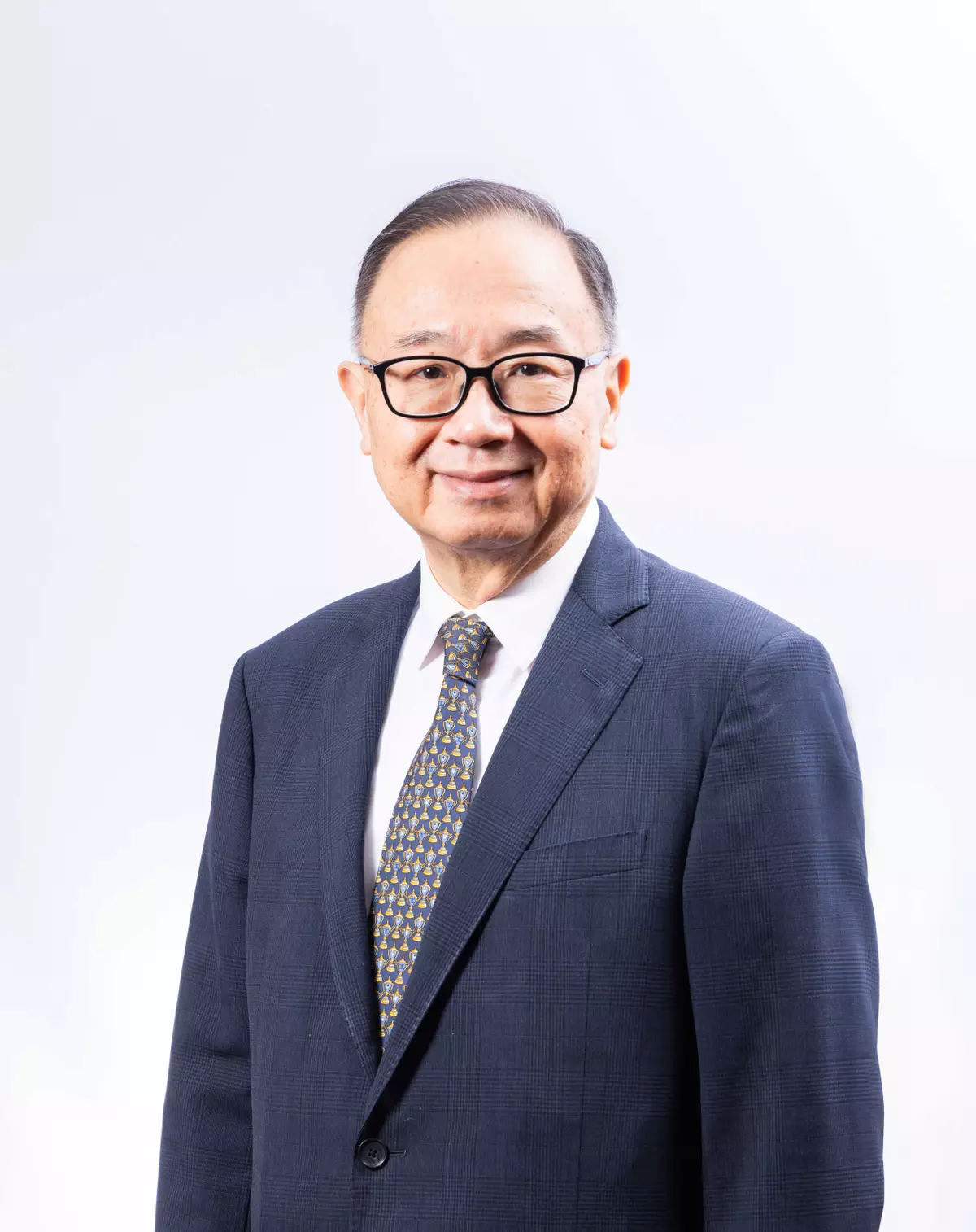
The Hon Liao Cheung-kong Martin, Photo source: Lingnan University
Mr Liao Cheung-kong Martin was born in Hong Kong, though his family roots are in Wuhua County, Guangdong. Mr Liao completed his secondary education in the UK, after which he attended University College London, where he received his Bachelor of Science (Honours) in Economics and Master of Laws degrees. After returning to Hong Kong to practise law, he specialised in commercial, intellectual property, company, and constitutional law, and participated in discussions on legal reform and public policy, earning the respect of his peers for his exceptional advocacy skills and considerable legal knowledge. His unwavering and impartial commitment to the legal profession has significantly advanced the development and practice of the rule of law and the legal system in Hong Kong.
Beyond his practice, Mr Liao has also given generously for the benefit of the community. His public service has included roles in the National People's Congress; the Standing Committee of the National Committee of the Chinese People's Political Consultative Conference; the Executive Council of the Hong Kong SAR; the Legislative Council of the Hong Kong SAR; the Central Policy Unit of the Hong Kong SAR; the District Court; and the Hong Kong Council for Accreditation of Academic and Vocational Qualifications.
Mr Liao was elected to the Fifth Legislative Council in 2012, representing the Commercial (Second) Functional Constituency. Since then, he has been involved in public governance and social development in Hong Kong, and served as convenor in the Sixth and Seventh Legislative Councils, holding multiple key committee positions driving crucial legal reforms and formulating economic policy. Mr Liao's strong sense of responsibility in matters of constitutional development and national security legislation is revealed in his valuable advice and endeavours in balancing diverse societal views, thus laying a solid foundation for Hong Kong's prosperity and stability. In 1988, he joined the Hong Kong Jockey Club and was later elected a Voting Member, Steward and Deputy Chairman of the Club. This August, he was elected Chairman.
In recognition of his benefactions to society, the SAR government has made him a Justice of the Peace, and awarded him the Silver Bauhinia Star, the Gold Bauhinia Star, and the Grand Bauhinia Medal.
Mr Liao will be awarded Doctor of Laws, honoris causa.
Prof Tao Tang
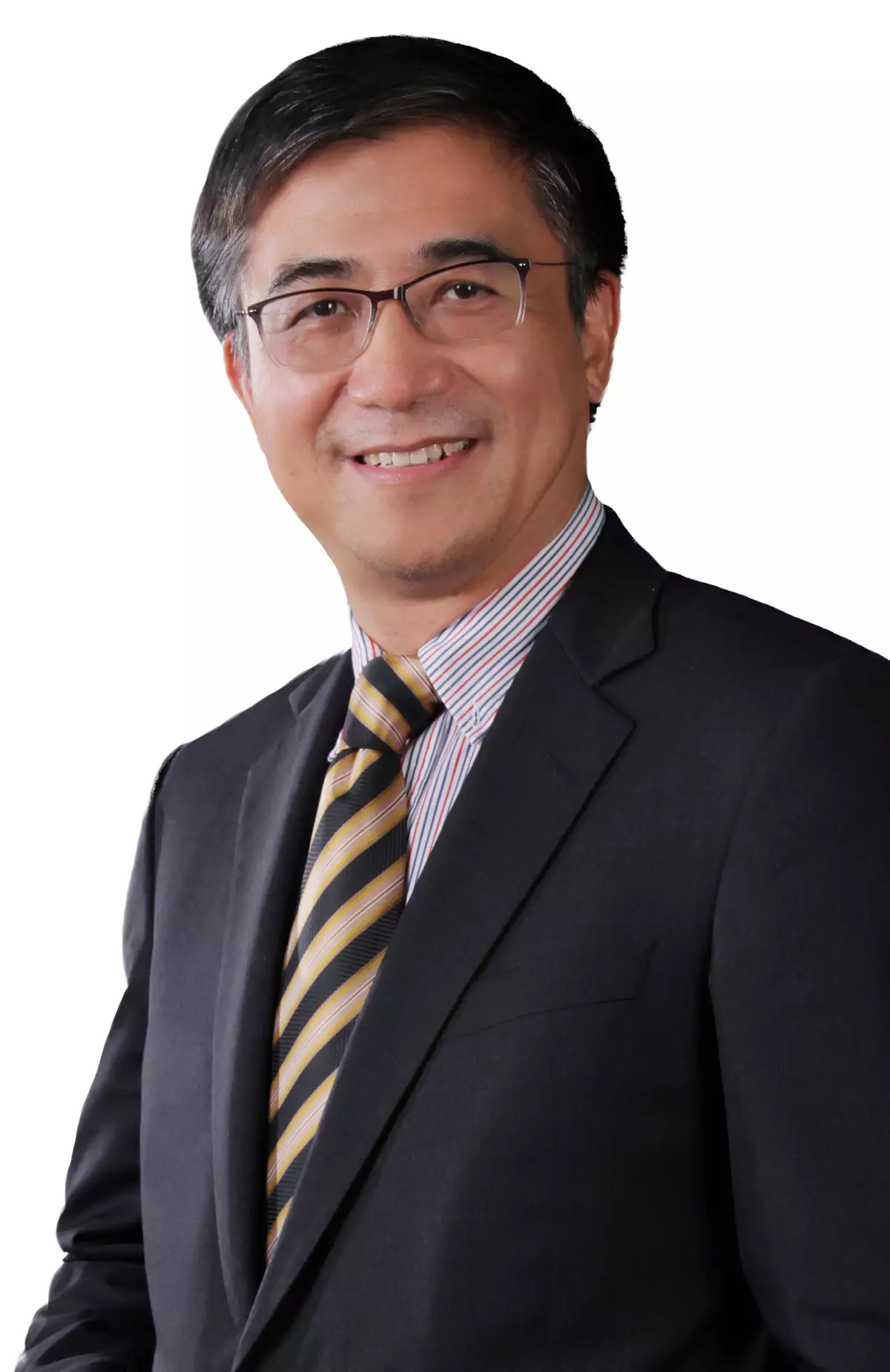
Prof Tao Tang, Photo source: Lingnan University
Prof Tao Tang is currently the President of Nanfang College, Guangzhou. He has also served as the Dean of the Graduate School and Dean of Science at the Hong Kong Baptist University (HKBU), Provost and Vice President (Academic) of the Southern University of Science and Technology (SUSTech), and President of Beijing Normal-Hong Kong Baptist University (BNBU). Prof Tang is a pre-eminent authority in computational mathematics, and has made significant contributions to the error analysis of numerical methods for hyperbolic equations, the theory of spectral methods, adaptive algorithms for differential equations, high-precision algorithms for phase-field models, and computational fluid dynamics. He has held major leadership roles both internationally and nationally in China, including as a member of the Gauss Prize Committee of the 2022 International Congress of Mathematicians, of the Scientific Program Committee of the 2023 International Congress for Industrial and Applied Mathematics, and of the State Natural Science Award of China.
Prof Tang has won numerous international awards, including the 1988 Leslie Fox Prize for Numerical Analysis, the 2003 Feng Kang Prize for Scientific Computing, the Ministry of Education's 2007 First Prize of Natural Science Awards, the 2016 Second Prize of National Natural Science Awards, and he was a 2018 Invited Speaker at the International Congress of Mathematicians (ICM). He was elected a Fellow of the Society for Industrial and Applied Mathematics (SIAM) in 2012, a Fellow of the American Mathematical Society (AMS), and an Academician of the Chinese Academy of Sciences in 2017, a Fellow of the European Academy of Sciences in 2022, and a Fellow of The World Academy of Sciences (TWAS) in 2024.
Prof Tang is extremely enthusiastic about mathematical education. He taught undergraduates calculus even after he became the Dean of Science at the HKBU, the Vice President of SUSTech, and the President of BNBU. In 2010, he co-founded a popular, very influential magazine called Mathematical Culture. He has also given talks to a wide audience on the beauty of mathematics, and its foundational nature in science and engineering.
Prof Tang will be awarded Doctor of Science, honoris causa.
Prof Wang Anyi
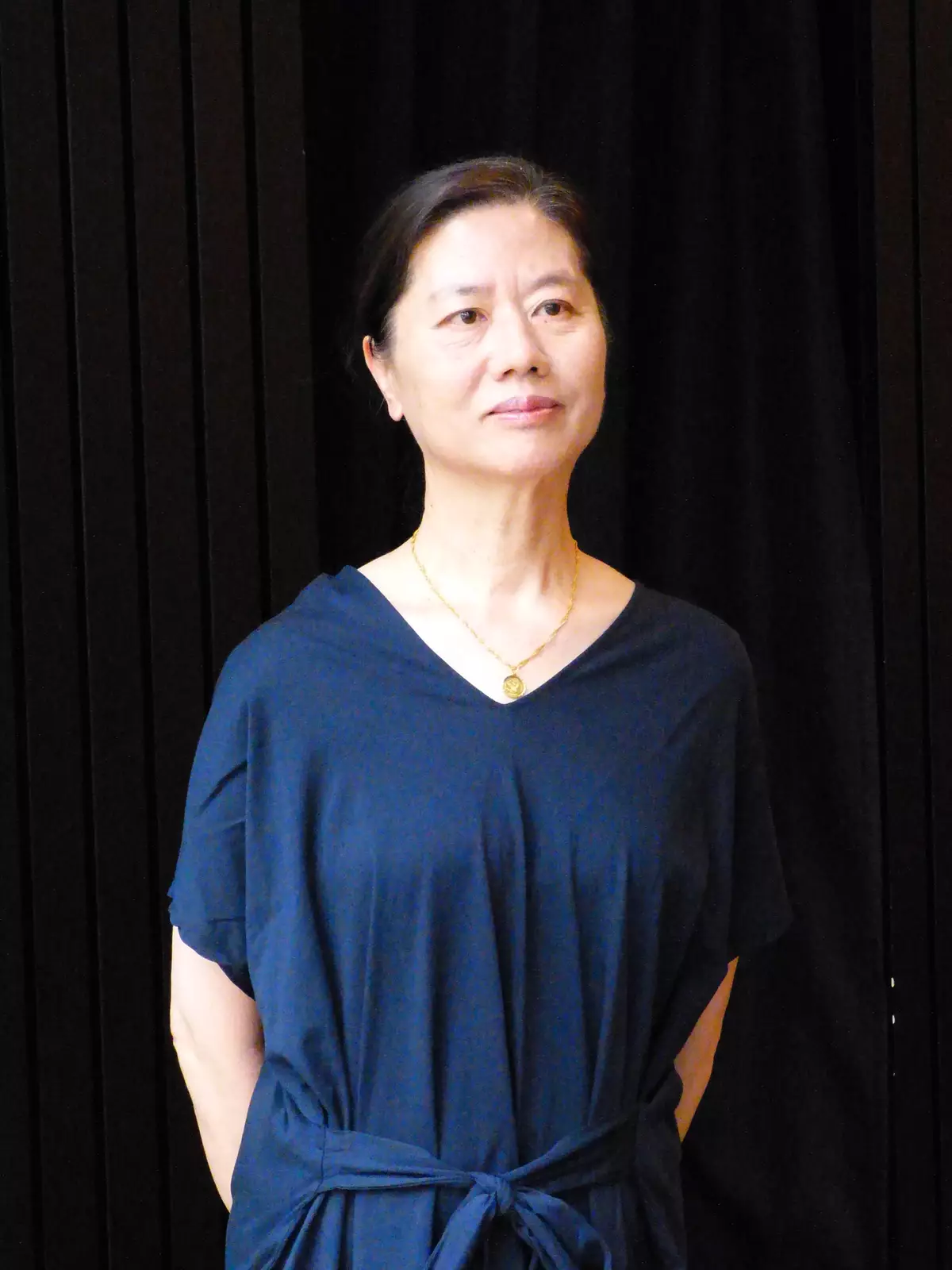
Prof Wang Anyi, Photo source: Lingnan University
Prof Wang Anyi is one of the very best writers in the contemporary literary scene. She began writing in the 1980s and, during her long career, has published 17 novels, The most widely acclaimed is The Song of Everlasting Sorrow, which won the 5th Mao Dun Literature Prize, the most prestigious national award for full-length novels. It was also selected as one of the 100 Best Chinese Novels of the 20th Century by Asia Weekly in 1999.
Prof Wang has written 38 novellas, and 128 short stories as well, and is also a famous dramatic writer best-known for her cinematic adaptations of Eileen Chang's novels: The Golden Cangue; Aloeswood Incense: The First Brazier; and Lust, Caution. The First Brazier was premiered at the 77th Venice International Film Festival in 2020. In addition to prizes for specific works, Prof Wang has received major international awards, including the Newman Prize for Chinese Literature in 2017, and was made a Chevalier of the Legion of Honour by the French government in 2022. Her international impact is affirmed by translations of her writing into Bulgarian, Cambodian, Dutch, English, French, German, Hebrew, Italian, Japanese, Korean, Polish, Russian, Serbian, Spanish, Thai, and Vietnamese.
An experienced and dedicated educator, Prof Wang held the position of full professor at Fudan University, serving as the Director of the Center for Chinese Literary Creation and Criticism from 2004 to 2024. As a visiting scholar, she has given lectures at many of the world's most famous universities, including Columbia, Harvard, Stanford, The University of Chicago, UC Berkeley, and Yale in the US, the University of Bonn in Germany, Leiden University in the Netherlands, and Waseda University in Japan. Prof Wang's longstanding ties with Lingnan University, and her lengthy list of visiting positions began with her six-month stay at Lingnan as writer-in-residence 20 years ago in 2005.
Prof Wang will be awarded Doctor of Humanities, honoris causa.
Mr Donnie Yen
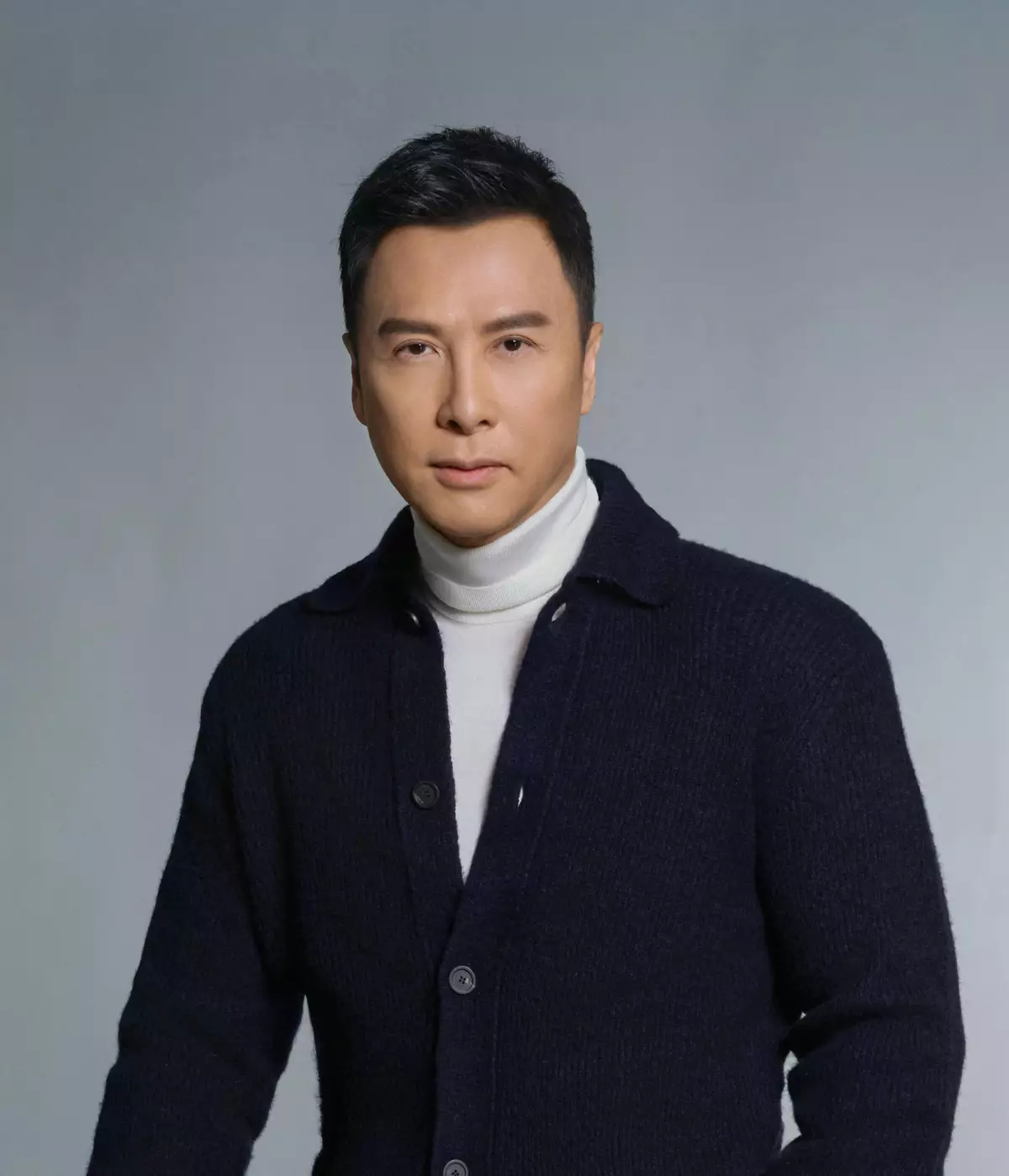
Mr Donnie Yen, Photo source: Lingnan University
Mr Donnie Yen is an international action star, director, and producer. He was born in Guangzhou, China, and raised in Hong Kong and Boston. Trained by his mother, renowned kung fu grandmaster Bow-sim Mark, as a teenager, he explored diverse disciplines - karate, taekwondo, boxing, and even hip-hop dance - forging a unique style blending techniques of East and West. This signature fusion revolutionised action cinema.
Mr Yen's portrayal of Ip Man elevated him to global stardom. The Ip Man series (2008-2019) became a cultural phenomenon, celebrating Wing Chun and Chinese heritage as well as breaking box office records. Mr Yen also brought legendary Chinese heroes to life, and introduced wuxia to global audiences, bridging Eastern and Western storytelling.
In Hollywood, Mr Yen infused Western films with his dynamic style and also elevated the stature of Chinese actors in international cinema, proving Chinese actors can dominate Hollywood's biggest stages with dignity and artistry. In The Prosecutor (2024), Mr Yen took on the roles of producer, director, and actor, successfully blending traditional legal drama with action sequences, and showcasing his talent as a versatile filmmaker.
Mr Yen's accolades - multiple Hong Kong Film Awards for Best Action Choreography, Golden Horse Awards, Huabiao Awards and the Taurus Award - show his visionary approach. In 2016, he was honoured with imprints of his hands and feet at the iconic TCL Chinese Theatre in Hollywood, cementing his legacy as a global action icon. He is also a member of the Academy of Motion Picture Arts and Sciences.
Mr Yen has dedicated decades to humanitarian causes, and is a long-standing ambassador of charity organisations Save the Children and Po Leung Kuk. In 2020, he and his wife Ms Cissy Wang founded the Y.E.N. Charity Foundation, which contributes directly to Youth, the Elderly, and the Needy.
Mr Yen will be awarded Doctor of Humanities, honoris causa.