Selected from a pool of 1,600 submissions across 18 categories and placing in the top 20 per cent globally as a finalist for the Conference in London, the IDEAL-Gen.AI platform represents a significant advancement in AI-driven instructional design, demonstrating exceptional innovation, impact and scalability, successfully progressing through four rigorous evaluation rounds conducted by a panel of 1,300 international higher education and edtech experts, competing on the global stage alongside prominent institutions such as Stanford University, Imperial College London and the University of South Australia.
Widely regarded as the “Oscars of Education”, the Conference was held in London (UK) from 1 to 3 December 2025. This premier global event brings together visionary education innovators, leaders, and investors committed to transforming learning worldwide.
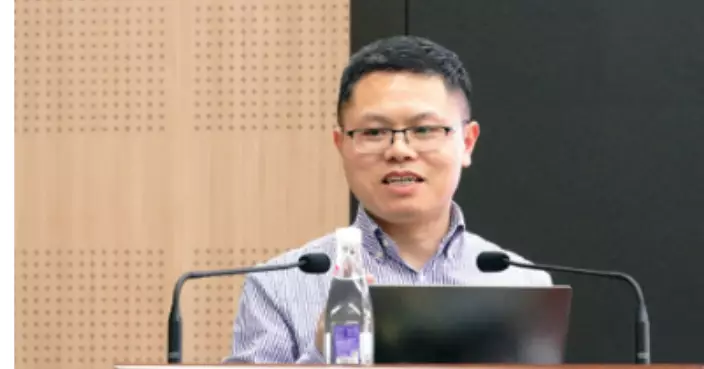
The IDEAL-Gen.AI platform, developed by the DREAM (Digital Resources for Enhancing Adaptive Methodologies) Team led by Dr Ronnie H. Shroff, Principal Project Fellow of the Teaching and Learning Centre, is part of the Inter-institutional Collaborative Activities for Teaching Development and Language Enhancement (IICA-TDLE) project. This project is funded by the University Grants Committee of Hong Kong SAR, and is led by Lingnan in collaboration with the Hong Kong University of Science and Technology, the Chinese University of Hong Kong and the Hong Kong Polytechnic University.
Prof Frankie Lam, Director of the Teaching and Learning Centre, said that this achievement underscores Lingnan's steadfast commitment to advancing AI-driven educational innovation through cutting-edge technologies, driving transformative change in higher education at the local, regional and global levels.
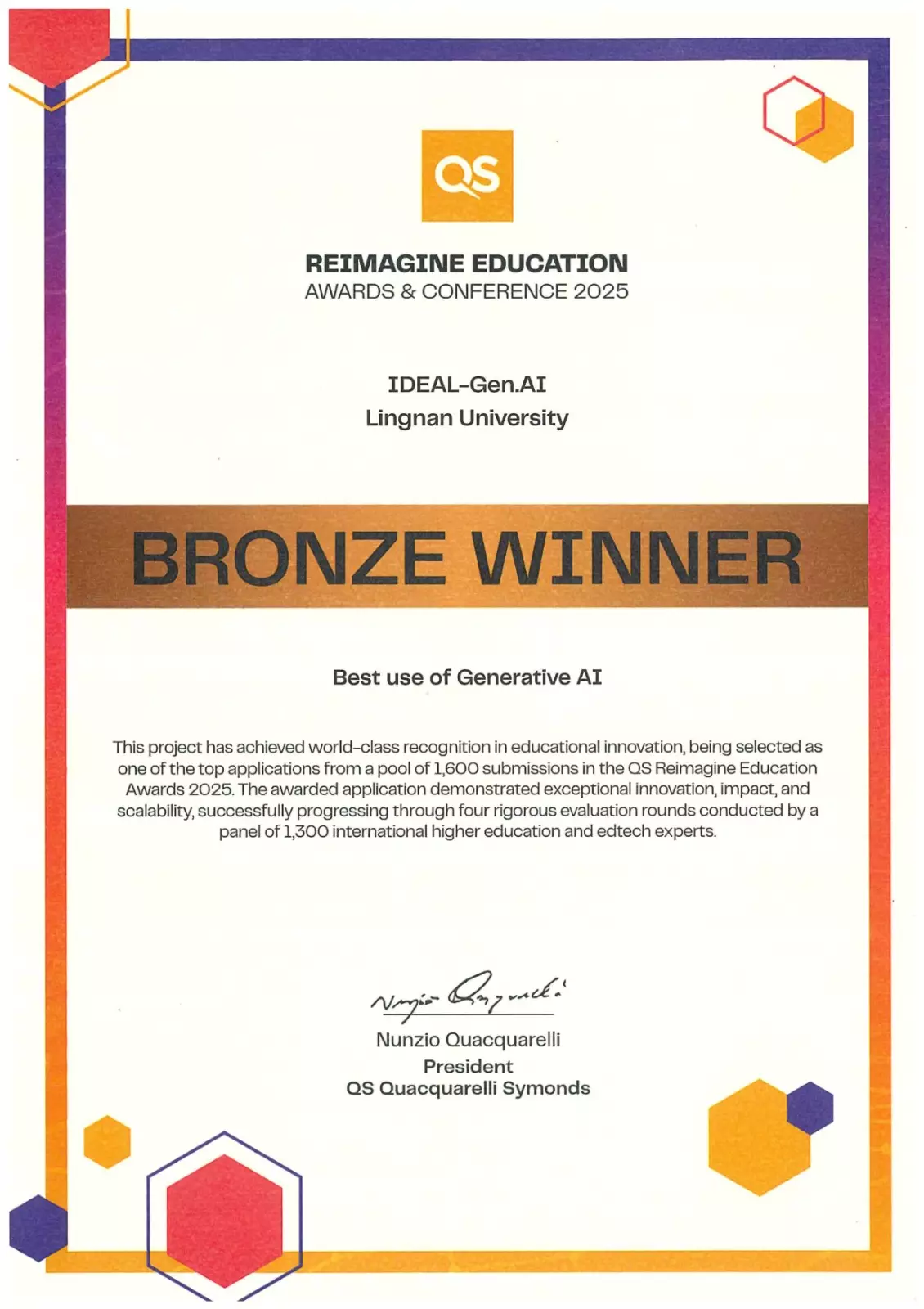
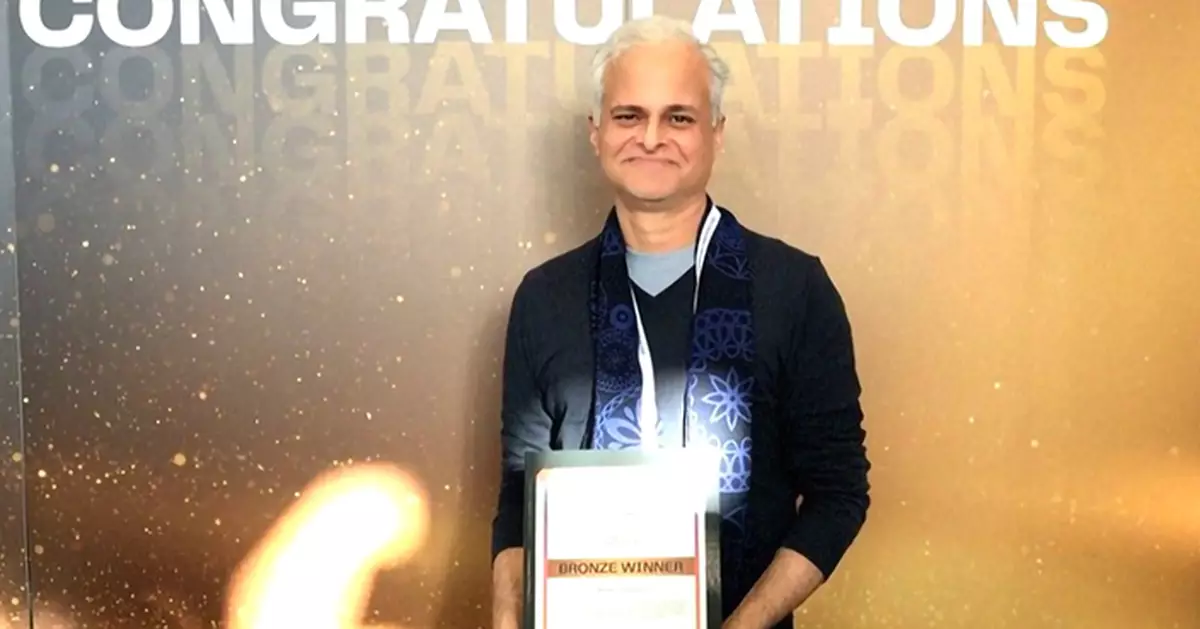
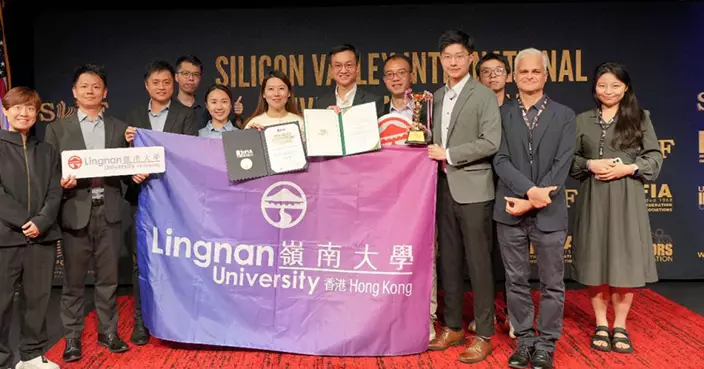
Lingnan’s IDEAL-Gen.AI Platform is awarded the Bronze Award in the “Best Use of AI” category.
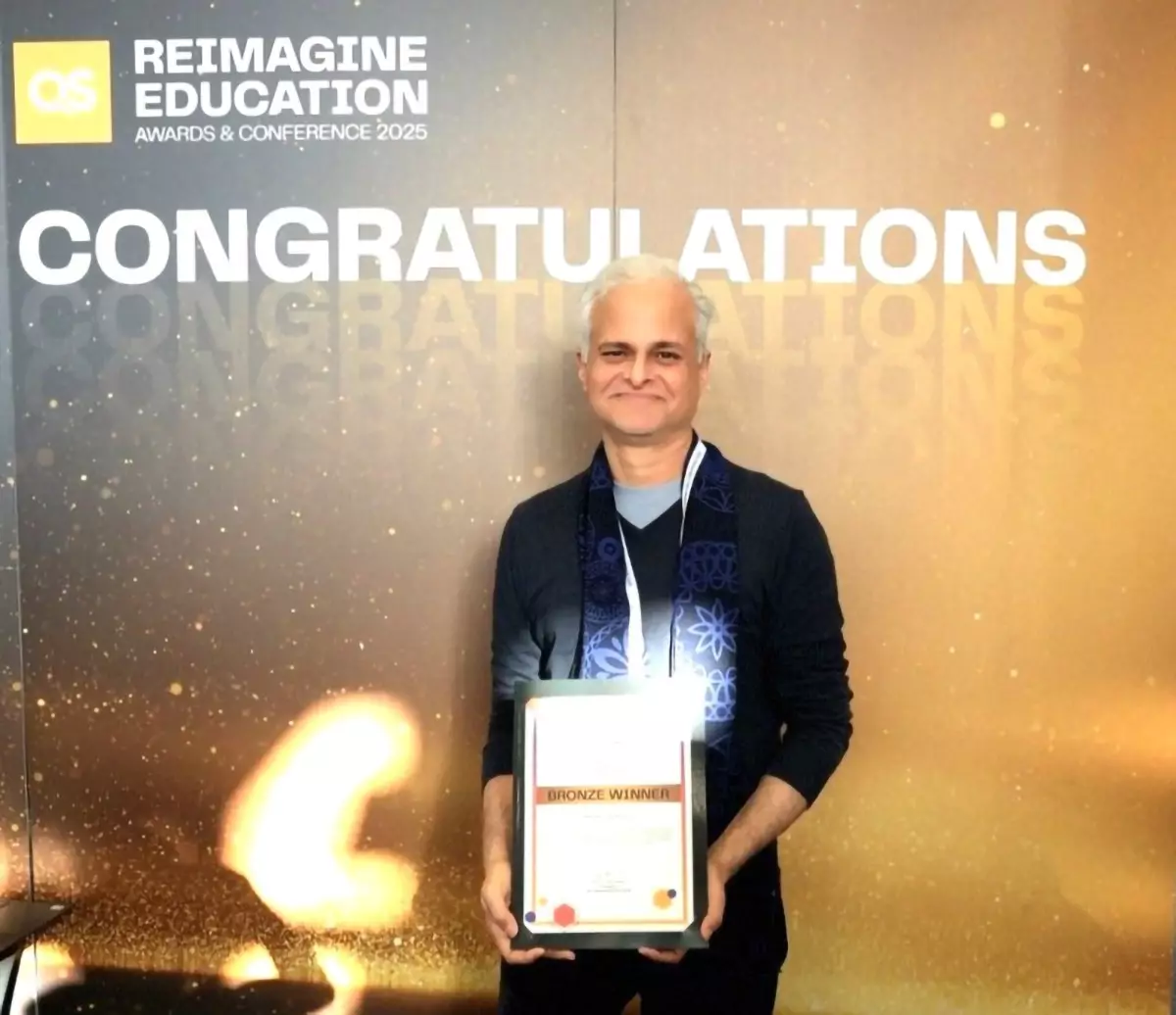
Dr Ronnie H. Shroff, Principal Project Fellow of the Teaching and Learning Centre, attends the QS Reimagine Education Awards and Conference 2025 and receives the Bronze Award in the “Best Use of AI” category.
Hong Kong’s universities have once again demonstrated academic strength on the international stage. The latest 2026 ShanghaiRanking’s Global Ranking of Academic Subjects shows that at least 90 subjects across Hong Kong’s universities have entered the global top 50, with 21 subjects ranking among the world’s top 10. The Hong Kong Polytechnic University (PolyU) claimed the top spot globally in two subjects: Transportation Science & Technology and Hospitality & Tourism Management. The University of Hong Kong (HKU), The Education University of Hong Kong (EdUHK), and The Chinese University of Hong Kong (CUHK) all made it into the global top 10 for Education, underscoring the city’s overall strength in the field.

The University of Hong Kong, Photo source: reference image
HKU’s Education subject ranked second globally in this year’s ranking, its highest-ever position, while retaining its place as the top in Asia. Professor Yang Rui, Dean of the Faculty of Education at HKU, expressed his delight at the achievement. He noted that it fully reflects the collective efforts of faculty members in conducting high-level research and publishing in leading international academic journals, as well as the Faculty’s close partnerships with research collaborators worldwide, which continue to expand the reach and impact of its work. “I am deeply grateful to our Faculty members for their commitment to advancing educational knowledge and promoting the exchange and application of these outcomes worldwide,” he said.
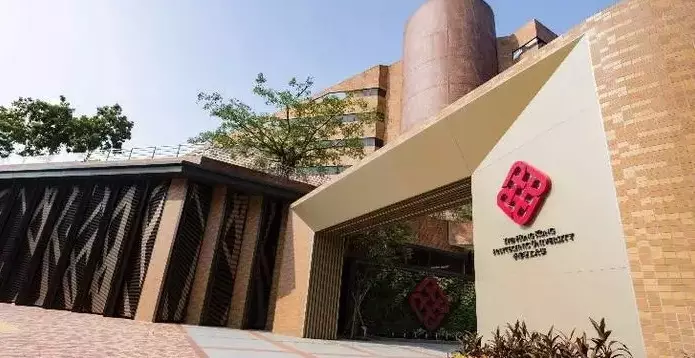
The Hong Kong Polytechnic University, Photo source: reference image
PolyU delivered the most outstanding performance in this ranking, with 23 subjects entering the global top 50, the highest number among all Hong Kong institutions. Six of its subjects ranked in the global top 10. In addition to the two subjects that topped the world, these include Management (global 2nd), Civil Engineering (global 3rd), Energy Science & Engineering (global 4th), and Mechanical Engineering (global 10th), spanning multiple traditional strengths in engineering and management.
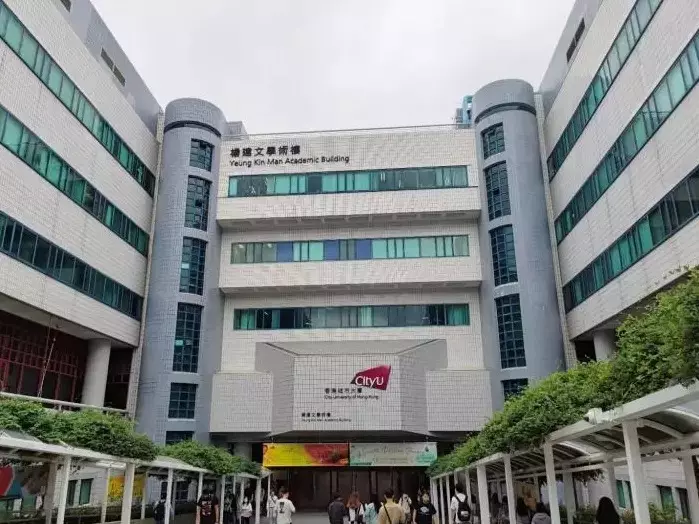
The City University of Hong Kong, Photo source: reference image
City University of Hong Kong (CityU) had 44 subjects ranked this year, two more than last year. Twenty-two subjects entered the global top 50, with four subjects- Library & Information Science, Metallurgical Engineering, Energy Science & Engineering, and Public Administration- making it into the global top 10. Furthermore, CityU ranked first in Hong Kong in 10 subjects, including Library & Information Science, Business Administration, and Veterinary Sciences, leading other local institutions in multiple areas.
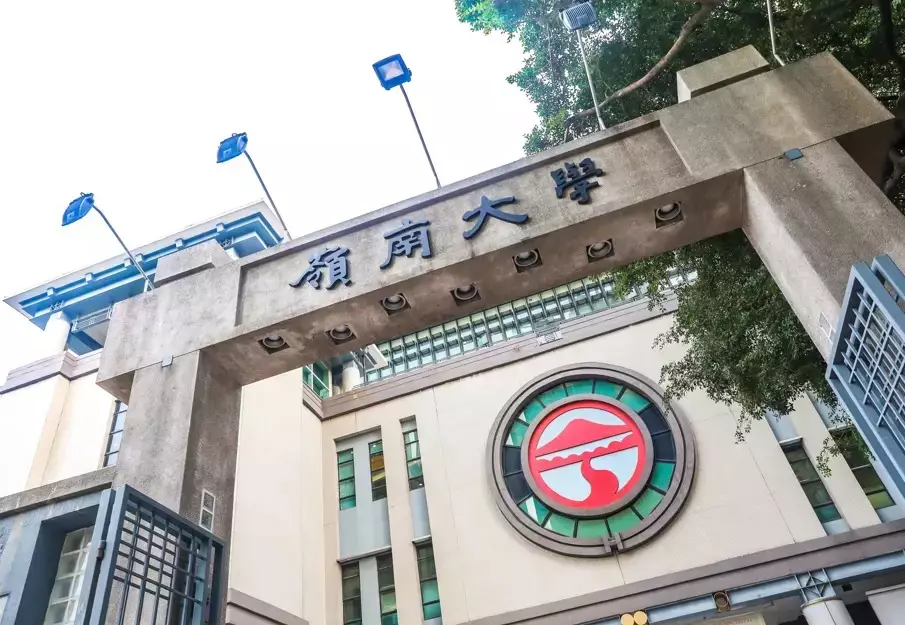
The Lingnan University, Photo source: reference image
Lingnan University had eight subjects ranked this year, a nearly twofold increase from three last year. Five subjects, including Computer Science & Engineering and Electrical & Electronic Engineering, appeared on the list for the first time. Its Artificial Intelligence subject, newly listed last year, jumped dramatically in the rankings and entered the global top 100 for the first time, placing in the 76–100 band. Professor Qin Si Zhao, President of Lingnan University, said the results reflect growing international recognition of the University’s academic and research work. “Lingnan will review the ranking results and their assessment indicators, using them as a reference to further consolidate our ‘Liberal Arts + Technology’ development direction,” he said.
Photo source: shanghairanking.com
The ShanghaiRanking’s Global Ranking of Academic Subjects is released by ShanghaiRanking, a higher education evaluation agency. It covers 57 subjects across five major fields: Natural Sciences, Engineering, Life Sciences, Medical Sciences, and Social Sciences. The ranking uses international academic indicators to assess the performance of higher education institutions worldwide in each subject, evaluating five categories: World-Class Faculty, World-Class Research Output, High-Quality Research, Research Impact, and International Collaboration. This year’s ranking assessed over 3,000 universities globally, with more than 2,000 institutions from about 96 countries and regions appearing on the lists.