In today's highly competitive society, many parents insist their children learn more and learn faster in order to “win at the starting line”. A recent study by the Department of Psychology at Lingnan University examining the relationship between stress and creativity has found that different types of stress, such as competition, noise, confined environments, and engaging in challenging tasks, may actually reduce children's creative performance, but adolescents and adults tend to show more innovative ability under moderate competitive pressure. The research findings have been published in top-tier international academic journal Neuroscience & Biobehavioral Reviews, and provide important insights in workplace management strategies, and for the education sector and creative industries.
Prof Huang Yi, Assistant Professor in the Department of Psychology at Lingnan University, and her research team conducted a meta-analysis of 99 experimental studies on creative performance published worldwide over the past half-century (from 1965 to 2022), involving 8,749 participants ranging from primary school children to adults. The team divided them into three groups for in-depth analysis: children aged 12 and below, adolescents aged 13 to 17, and adults aged 18 and above.
The results showed that the impact of stress varies across different age groups, and different types of stress also affect individual creativity in distinct ways. For children, “common stressors” such as competition, physical stress including noise, confined environments, and performing time-limited or difficult tasks tend to trigger anxiety, and make it harder for them to express creativity. Nevertheless, the study also found that both adolescents and adults show a trend of enhanced creativity under competitive pressure, although examination stress generally has a negative impact on the creativity of all three age groups. Additionally, adults struggle to focus and think deeply under “deadline culture”, which impairs their creativity.
Prof Huang explained that children's brain regions responsible for higher-order thinking are not yet fully developed, resulting in weaker emotional regulation compared to adolescents and adults. As a result, children may not be able to cope effectively with stress, and are more sensitive to failure, and prone to anxiety. In contrast, adolescents and adults tend to perceive competition as a challenge, and under moderate pressure their creativity can actually be stimulated. However, adults juggling multiple roles and responsibilities experience a certain level of stress from the need to manage time effectively.
Prof Huang also emphasised that creativity is extremely important, explaining "From a psychological perspective, creativity is one of the core abilities that people rely on to solve problems in daily learning, life, and work. Creativity helps to connect new things with existing knowledge, and think outside the box and find alternative solutions when facing difficulties. Creativity is also related to mental health, and people with greater creativity tend to have more psychological flexibility and be better able to adjust their mindset when confronted with stress and adversity.”
She also noted that examinations, noise, and tight deadlines are typical forms of “Hong Kong-style stress.” These findings offer helpful guidance to educators, workplace managers, and the creative industries: to encourage creativity in children, competitive pressure should be reduced by cutting back on frequent evaluations, and replaced with a supportive environment that allows for free exploration. This helps children build positive emotions, social competence, and problem-solving skills, which are the best ways to unlock their creative potential.
For adolescents and adults, workplace managers can harness the motivating effects of competition by introducing moderately competitive elements when appropriate, such as establishing healthy peer review and collaboration mechanisms. Meanwhile, educational institutions and businesses should focus on setting reasonable deadlines, avoiding a culture of chronic overwork, and instead creating an environment that allows employees the space for deep thinking.
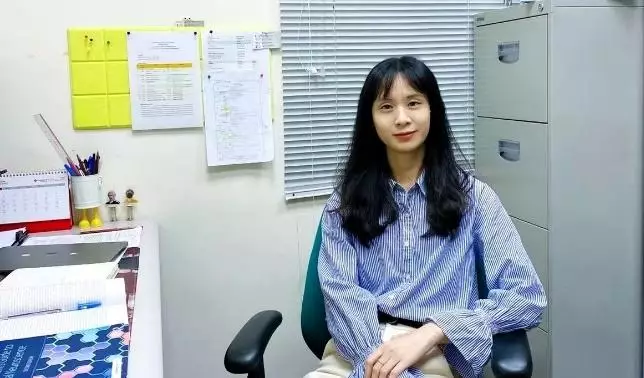
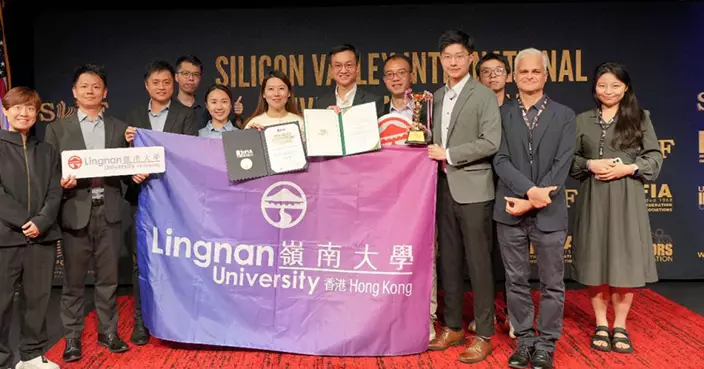
Prof Huang Yi and her research team publish a study on stress and creativity.

Lingnan University.