Skip to Content Facebook Feature Image

Galloping Horse Symbolizes Success and Ambition

HK

Galloping Horse Symbolizes Success and Ambition
HK

HK

Galloping Horse Symbolizes Success and Ambition

2026-02-05 11:28 Last Updated At:11:29

As the Year of the Horse approaches, Prof Cai Zongqi, Director of the Advanced Institute for Global Chinese Studies and Lee Wing Tat Chair Professor of Chinese Literature of Lingnan University, and Mr Jerry Wang Junzhe, Research Officer of the Advanced Institute for Global Chinese Studies, offer a detailed interpretation of the Horse zodiac sign from the cultural perspectives of customs, classical texts, history, management, and literature, and link this explanation to contemporary Chinese New Year greetings.
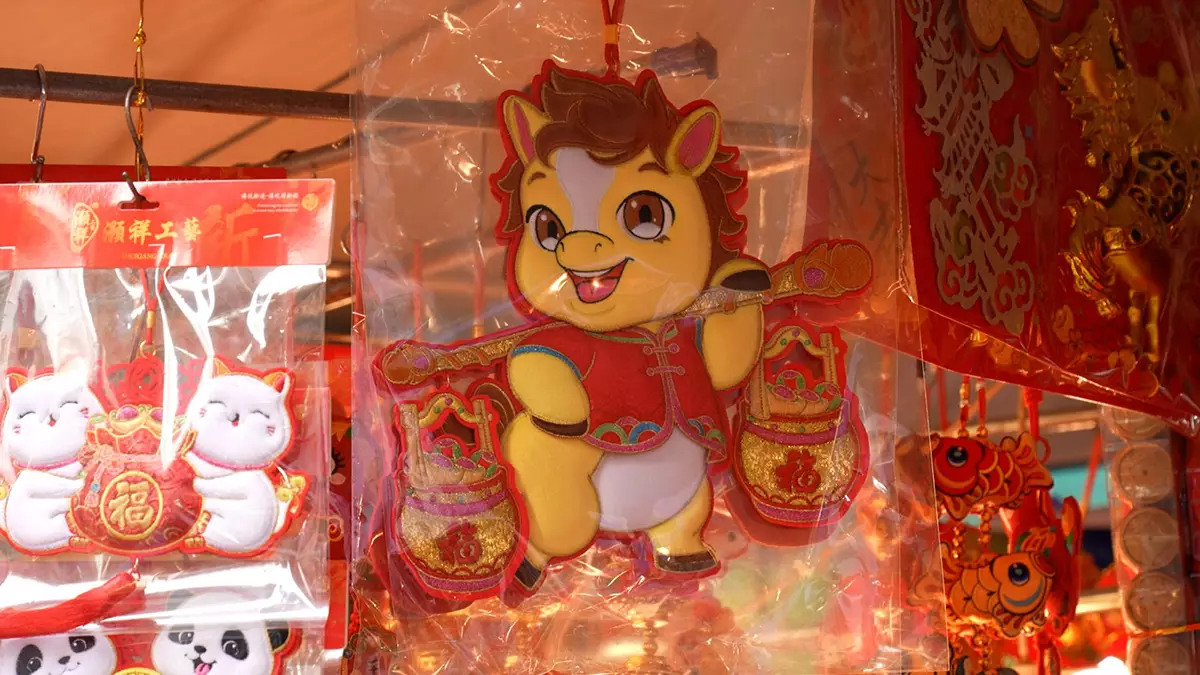
Photo by Bastille Post

Photo by Bastille Post

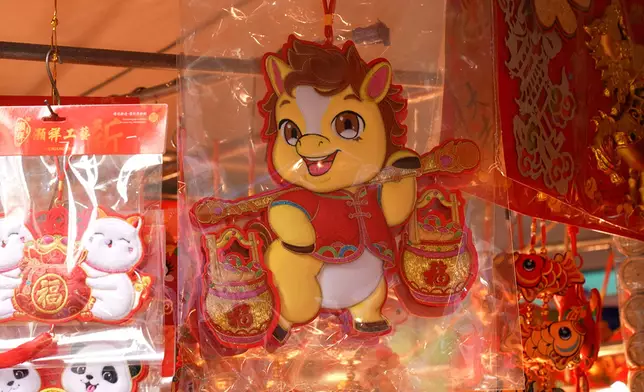
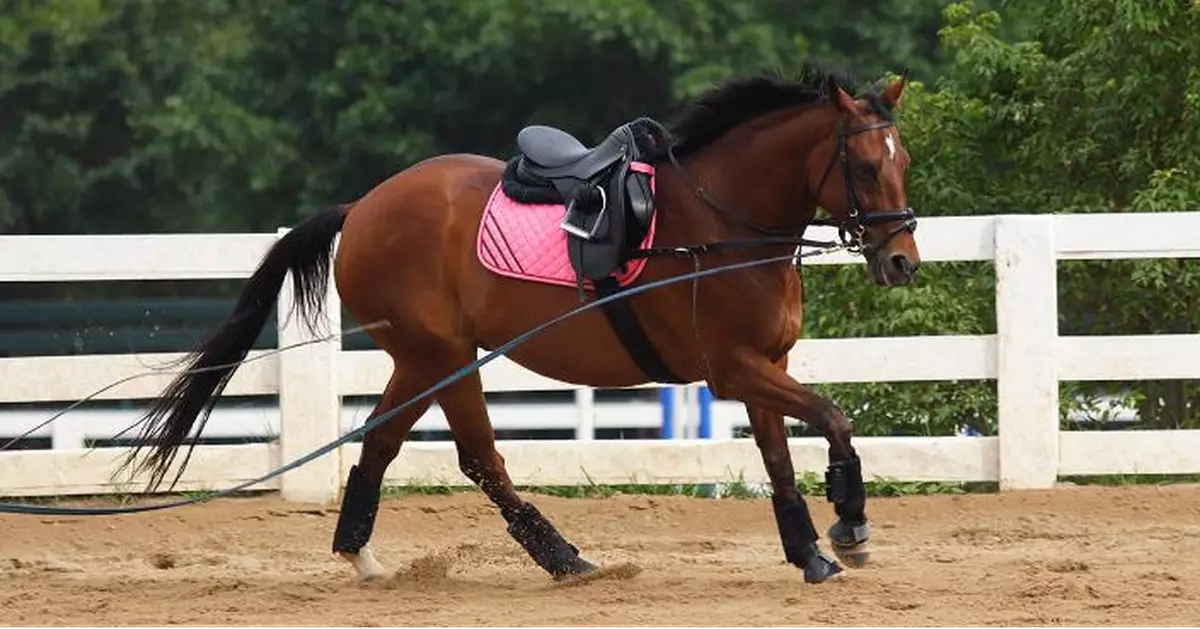
Of the 12 zodiac animals, the Horse stands out for its close connection to human life since antiquity. Unlike mythical creatures such as the dragon or phoenix, the Horse is a real animal and has partnered human beings in warfare, agriculture, long-distance travel, entertainment, and sport. In the Chinese tradition, the Horse symbolises speed and success, and idioms such as “to spur the horse to full speed” (kuàimă jiābiān 快馬加鞭) and “urging the horse forward with the whip” (cèmă yángbiān 策馬揚鞭) reflect the pursuit of progress, timely action, smooth development, and ambition.

More Images
Photo by Bastille Post

Photo by Bastille Post

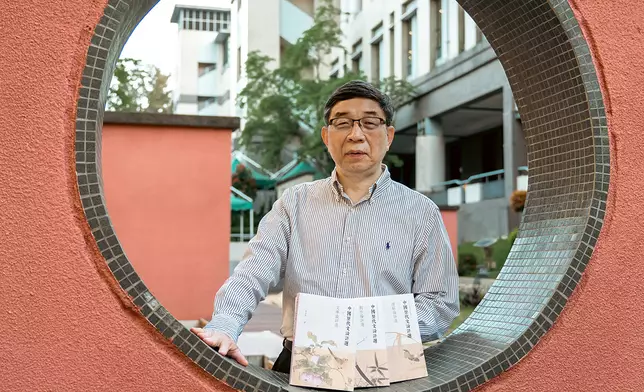
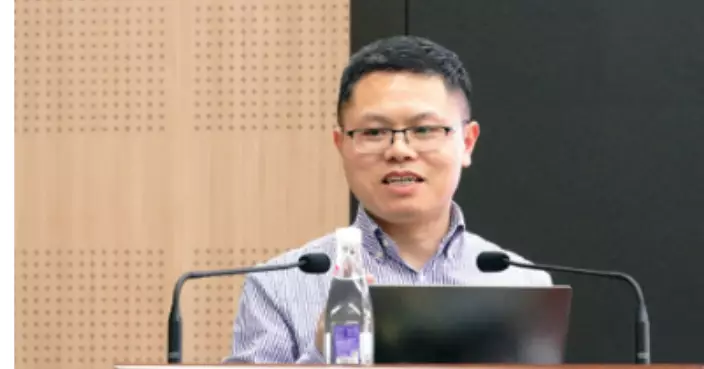
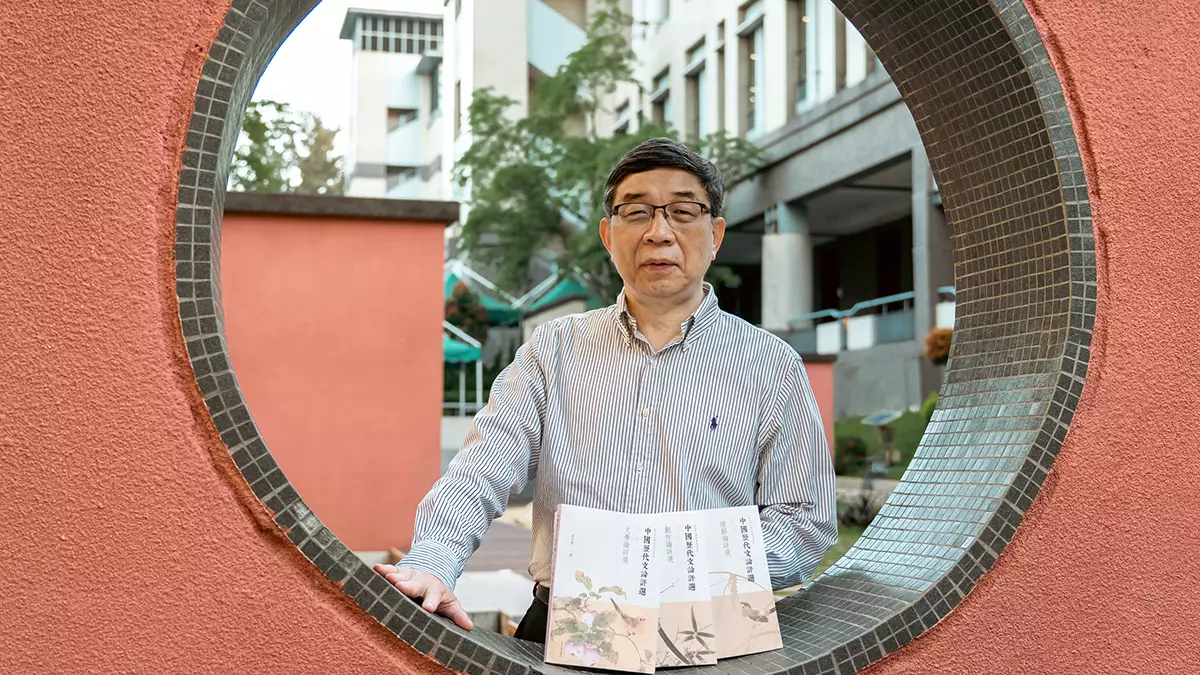
Prof Cai Zongqi, Director of the Advanced Institute for Global Chinese Studies and and Lee Wing Tat Chair Professor of Chinese Literature of Lingnan University.
Prof Cai Zongqi, Director of the Advanced Institute for Global Chinese Studies and and Lee Wing Tat Chair Professor of Chinese Literature of Lingnan University.

Getty Image

Getty Image

Photo by Bastille Post

Photo by Bastille Post

In the past, the Horse was an essential public resource and symbolised order, rhythm, and direction. The Rites of Zhou (Zhouli 《周禮》) records that the Zhou Dynasty established a comprehensive system for the “Four Seasonal Horse Rites” (四季祭馬), with strict regulations for breeding, training and assigning duties: in spring, the horse ancestors were honoured and young horses trained; in summer, experience from herdsmen was shared, and horses chosen for training; in autumn, with the harvest, offerings were made to the land deity, and suitable horses selected; in winter, the gods protecting the horses' health were worshipped, horses were presented to the Zhou king, and charioteers were trained.
Prof Cai Zongqi, Director of the Advanced Institute for Global Chinese Studies and and Lee Wing Tat Chair Professor of Chinese Literature of Lingnan University.

Prof Cai Zongqi, Director of the Advanced Institute for Global Chinese Studies and and Lee Wing Tat Chair Professor of Chinese Literature of Lingnan University.

Prof Cai Zongqi explains “Through these horse rituals and training, the ancients conveyed respect for life and an emphasis on social order. This cultural tradition continues to shape contemporary understanding of the Horse zodiac, expressing respect for life, the maintenance of social order, and wishes for a smooth and auspicious year ahead."

The professor also says that the Horse is a metaphor for moderation and balance. Ancient teachings on “controlling the horse” stress the importance of the right tension on the reins: if the reins are too loose, the horse may become unmanageable; if pulled too tightly, it falters. The Warring States bamboo text Yushu (《馭術》) not only details the techniques of horse handling but also introduces the idea of “slow and steady process” (xútú huănjìn 徐圖緩進)—a principle of measured progress. This concept may also be applied to understanding the relationship between people and systems: in both managing a team and running a city, lasting balance cannot be achieved by prioritising speed while ignoring capacity and sustainability.

This philosophy of management is also reflected in the Warring States period idiom “buying horse bones with a thousand pieces of gold” (千金買馬骨) recorded in Strategies of the Warring States (Zhanguo Ce – Yan Ce 《戰國策·燕策》). When King Zhao of Yan sought to attract talent, his advisor Guo Wei told the story of a ruler who offered a thousand pieces of gold for a fine horse. After three wasted years, a courtier bought the bones of a dead thousand-li horse for five hundred pieces of gold. Though the ruler was angry at first, the courtier explained “If dead horse bones are worth five hundred, a living horse must be worth far more. Once the world knows Your Majesty truly values horses, the finest steeds will come of their own accord.” Sure enough, within a year three exceptional horses had been found.
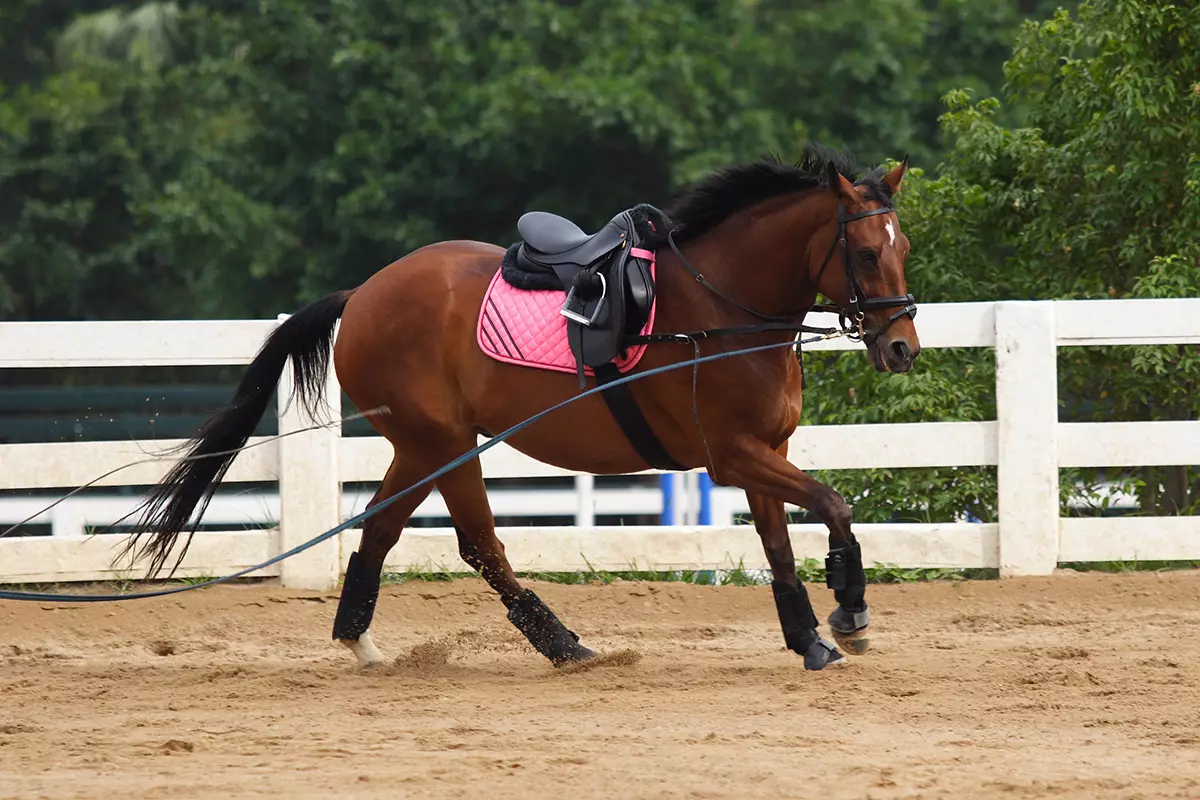
Getty Image

Getty Image

Prof Cai adds “The story stresses the spirit of sincere appreciation for talent, and in the context of Hong Kong's current efforts to attract talent, it remains highly relevant: by demonstrating genuine commitment through both intentions and action, Hong Kong is attracting and retaining the most talented elite, injecting vitality into its long-term prosperity."

Beyond its history and intelligence, the Horse in literature mirrors the many facets of human life. Don Quixote rides forth on his steed, symbolising breakthrough, persistence, and the quest for ideals; Cao Cao's line “the old horse in the stable still aspires to travel a thousand miles” (老馬伏櫪,志在千里), expresses enduring ambition despite the passage of time. But although the Horse can gallop swiftly it may also tire—reflecting different phases of life and reminding people that sometimes life requires a sprint, while at others it needs rest and to adapt mentally.
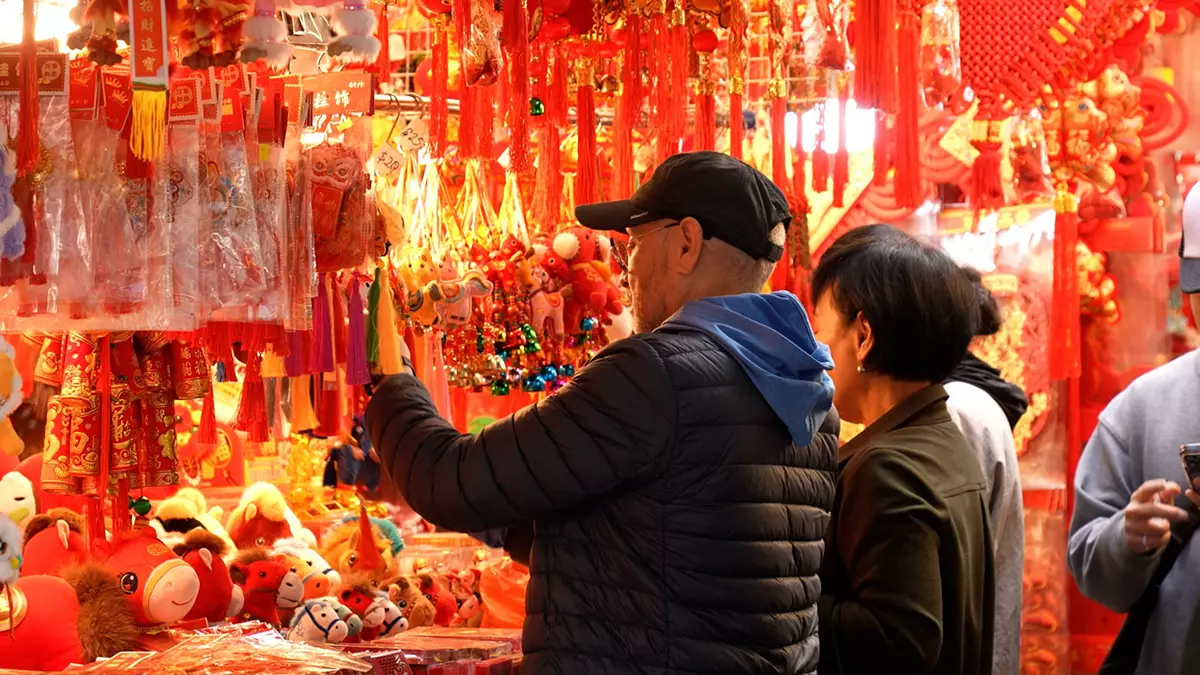
Photo by Bastille Post

Photo by Bastille Post

During Chinese New Year, greetings, as well as the familiar “Wishing you swift success, like a galloping horse” (mă dào chéng gōng 馬到成功), may also wish “May you rise steadily and swiftly in your career” (mă bù qīng yún 馬步青雲) or “take the lead at the forefront" (yī mă dāng xiān 一馬當先). Drawing on these idioms, Prof Cai Zongqi extends his own New Year blessing: May everyone remain humble and unhurried while advancing steadily in their careers; may the young take the lead, while the elderly convey their seasoned wisdom; may all find their direction, proceed steadily, and achieve lasting success. As the poem says: “Riding high in the spring breeze, I gallop swiftly, taking in all the flowers of Chang'an in one day!” (春風得意馬蹄疾,一日看盡長安花!).
Lingnan University and the Universidad de la República (University of the Republic, UdelaR), the largest public higher education institution in Uruguay, signed a Memorandum of Understanding (MoU) on 10 February 2026 on Lingnan campus, formally establishing an academic partnership. This is an important step in advancing academic cooperation between Lingnan and universities in South America.

Prof S. Joe Qin, President and Wai Kee Kau Chair Professor of Data Science, welcomes the delegation, introduces them to the university, and explores opportunities for collaboration during the meeting.

Prof S. Joe Qin, President and Wai Kee Kau Chair Professor of Data Science, welcomes the delegation, introduces them to the university, and explores opportunities for collaboration during the meeting.

Prof Héctor Cancela, President of the UdelaR, and Mr Federico Lage, Consul-General of Uruguay in the Hong Kong SAR, led a delegation to Lingnan University, where they were welcomed by Prof S. Joe Qin, President and Wai Kee Kau Chair Professor of Data Science of Lingnan University, Prof Raymond Chan Hon-fu, Vice-President (Academics) cum Provost and Lam Man Tsan Chair Professor of Scientific Computing, Prof Xin Yao, Vice-President (Research and Innovation) and Tong Tin Sun Chair Professor of Machine Learning, Prof Zhang Dian, Associate Dean of the School of Data Science and Person-in-Charge of the Division of Industrial Data Science, Prof Jean-Michel Morel, Chair Professor of the Division of Industrial Data Science, and Prof Bradley R. Barnes, Special Advisor to President on Internationalization and Director of Global Education.

President S Joe Qin said, “Lingnan University is committed to supporting the vision of the Hong Kong Special Administrative Region of the People’s Republic of China in developing Hong Kong into an international post-secondary education hub and promoting the ‘Study in Hong Kong’ brand. In response to changing times, the University has in recent years integrated artificial intelligence and data science elements across various disciplines, advancing its distinctive ‘Liberal Arts + Technology’ development model. More than 20 per cent of our academic and research staff were recognised by Stanford University in 2025 as being among the world’s top 2% of scientists. We look forward to working with the Universidad de la República to leverage the strengths of both institutions, advancing interdisciplinary research collaboration and developing innovative solutions to pressing global challenges.”

The delegation visits the Lingnan campus and the Lingnan Entrepreneurship Initiative (LEI).

The delegation visits the Lingnan campus and the Lingnan Entrepreneurship Initiative (LEI).

The signing ceremony was chaired by Prof Raymond Chan Hon-fu and Prof Héctor Cancela, and attended by senior representatives of both universities. Prof Chan said “Lingnan University actively establishes partnerships with leading universities worldwide. To date, we have set up academic collaborations with over 280 institutions across Asia, Europe, the Americas and Africa. UdelaR is the oldest public university in Uruguay, and this will open up valuable networks, academic resources, and exchanges between researchers in Lingnan and South America, making the most of both universities’ strengths, and improving knowledge transfer.”

In the MoU, the two universities will establish a framework for academic exchange and cooperation in research, and explore potential areas of collaboration, including the exchange of academic and research staff, possible student exchange, and joint academic research and publication in fields of interest to both. The partnership aims to expand cross-regional academic networks.

The UdelaR delegation toured the Lingnan campus and the Lingnan Entrepreneurship Initiative (LEI), gaining an understanding of the University’s innovation and entrepreneurship ecosystem, which encourages faculty and students from different disciplines to design innovative humanitarian technologies together, and teaches students to address social issues through pivotal research.

Lingnan University and the Universidad de la República (University of the Republic, Udelar) sign a Memorandum of Understanding. The ceremony is officiated by Prof Raymond Chan Hon-fu, Vice-President (Academics) cum Provost and Lam Man Tsan Chair Professor of Scientific Computing of Lingnan University (left), and Prof Héctor Cancela, President of the Udelar (right), with senior representatives of both universities attending the event.

Lingnan University and the Universidad de la República (University of the Republic, Udelar) sign a Memorandum of Understanding. The ceremony is officiated by Prof Raymond Chan Hon-fu, Vice-President (Academics) cum Provost and Lam Man Tsan Chair Professor of Scientific Computing of Lingnan University (left), and Prof Héctor Cancela, President of the Udelar (right), with senior representatives of both universities attending the event.

Lingnan University has made considerable progress in recent years, and came first globally under the United Nations Sustainable Development Goal SDG 4 (Quality Education) in the Times Higher Education (THE) World University Impact Rankings 2025, the first university in the Hong Kong SAR to achieve a global first in any UN SDG. Lingnan was also in the Times Higher Education (THE) World University Rankings 2026 for the first time, one of the top 301–350 universities worldwide out of 2,191 institutions, its international outlook rated 47th. Universidad de la República (University of the Republic, Udelar) is consistently ranked as the top university in Uruguay and a premier public institution in Latin America, holding a #650 position in the 2026 QS World University Rankings.

Recommended Articles