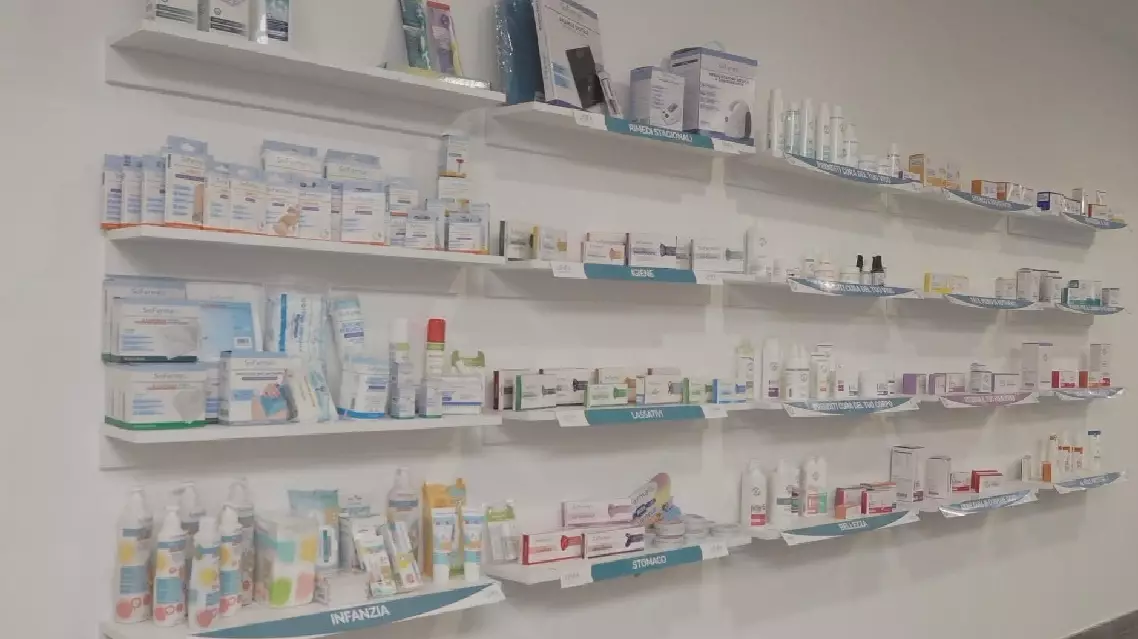
The United States' levying of a 15 percent so-called "reciprocal tariff" on most European Union goods has shaken Italy's pharmaceutical export sector, one of the country's most valuable industries.
Pharmaceuticals and chemical products have long been among Italy's highest value-added exports to the U.S.
Click to Gallery
US tariffs cast shadow on Italy's pharmaceutical exports
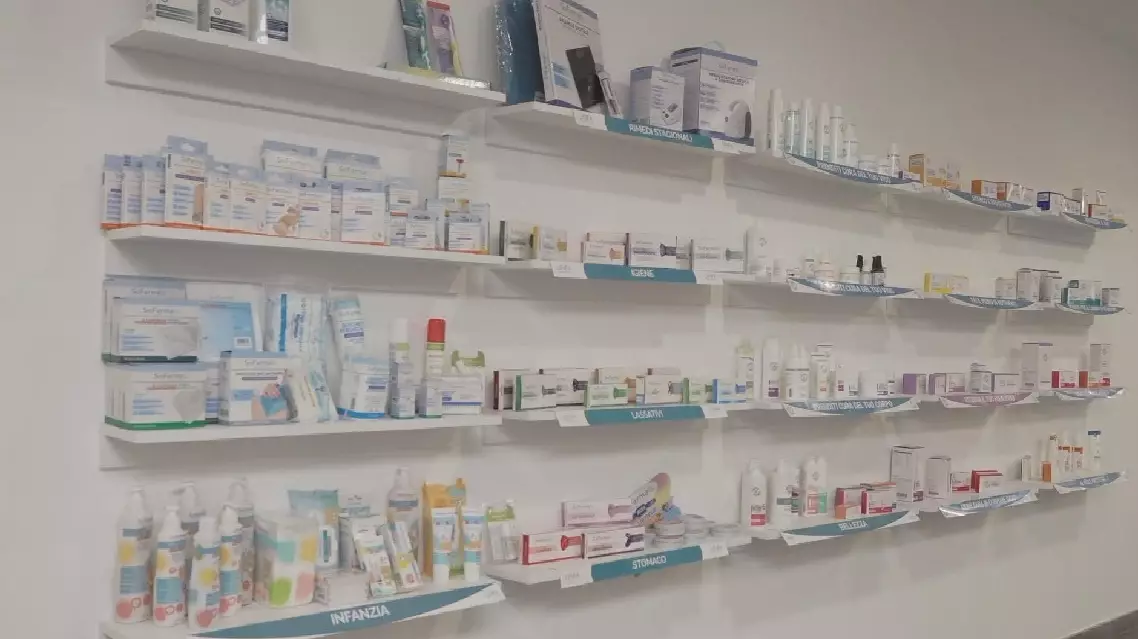
US tariffs cast shadow on Italy's pharmaceutical exports
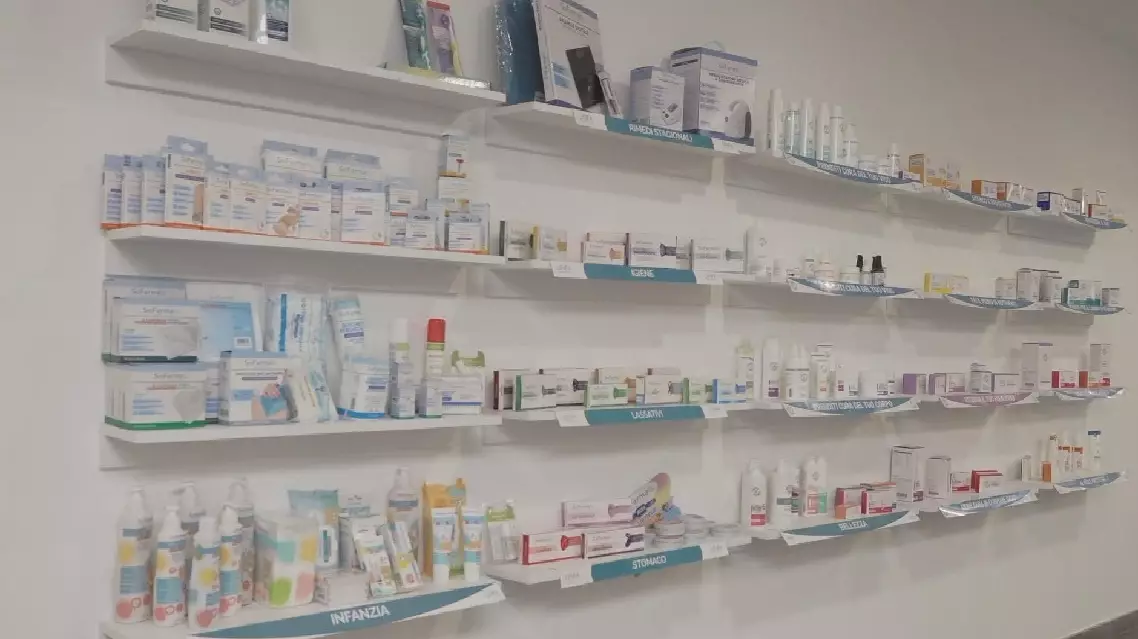
US tariffs cast shadow on Italy's pharmaceutical exports
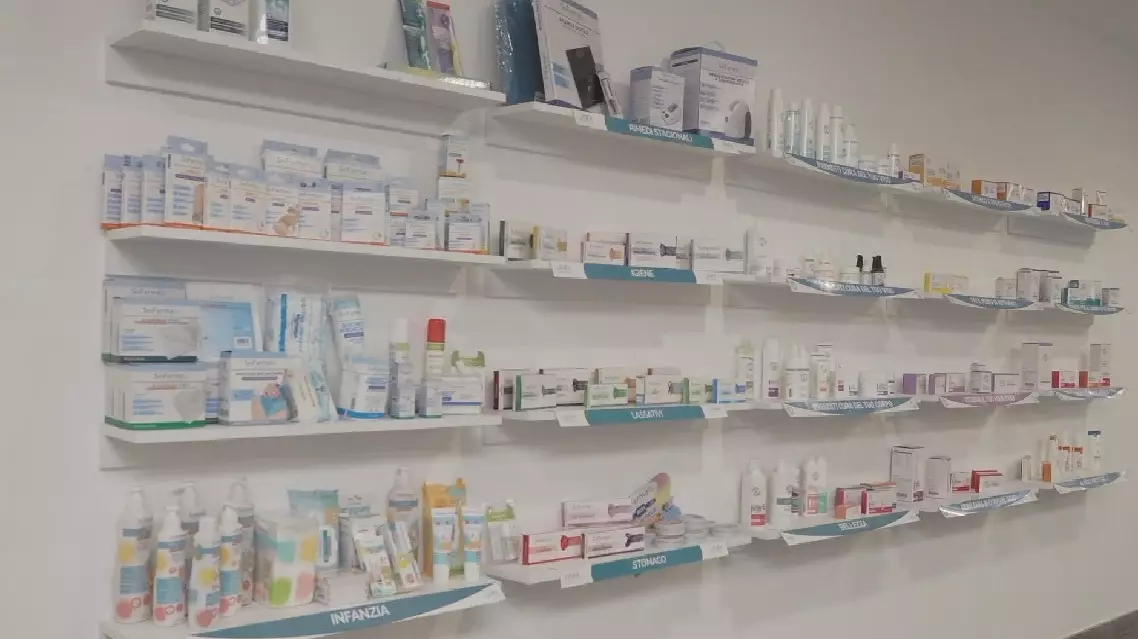
US tariffs cast shadow on Italy's pharmaceutical exports
Data shows that in 2024, Italian pharmaceutical exports to the U.S. reached about 10 billion euros. With the tariffs now in place, additional costs could rise as high as 1.95 billion euros. Much of this burden, industry leaders warned, will inevitably be passed down the supply chain.
The European Federation of Pharmaceutical Industries and Associations cautioned that tariffs are a "blunt instrument." In a sector marked by tight regulation and strong demand, it said, higher costs may damage the confidence of U.S. distributors and patients alike.
"The tariffs have brought a completely uncertain period to our export market. The uncertainty is so strong that in the past three or four months, orders from the U.S. have plummeted. Orders bound for the American market have dropped by 80 percent," said Gian Maria Morra, head of the imports and exports department of an Italian pharma-cosmetics trading company.
To mitigate the impacts brought by the tariffs, Italian pharmaceutical exporters are shifting strategies to adapt in the short term, focusing on spreading risks, rebalancing markets, and optimizing product portfolios.
Industry experts pointed out that firms are prioritizing exports to more stable regions such as the EU and emerging markets, while diversifying product lines and production processes to better withstand uncertainty.
"Our response is geographical diversification and a focus on products with high technological content. This is definitely the direction we will head towards in the future. As for manufacturing companies, it is still difficult to predict—pharmaceutical production cannot simply be relocated at will," said Morra.
The pharmaceutical federation also warned that the new U.S. tariff framework poses a dual threat.
In the short term, many European firms cannot adjust prices quickly enough, forcing them to absorb costs, eroding profits, and straining supply chains—potentially making it harder for patients to access medicines. In the longer term, billions of euros may be diverted away from research and development, weakening innovation and ultimately harming patients worldwide.
The federation stressed that this policy breaks a 30-year consensus of zero tariffs on medicines, risks sparking shortages, and undermines trust across the transatlantic market.
"If we cannot predict where business is heading, investment decisions will be affected. Reduced investment will weaken the economy in the medium term. I believe the tariff issue has already led to a decline in trust between European and American consumers and companies. I see this as very negative," said Morra.
US tariffs cast shadow on Italy's pharmaceutical exports
US tariffs cast shadow on Italy's pharmaceutical exports
US tariffs cast shadow on Italy's pharmaceutical exports
US tariffs cast shadow on Italy's pharmaceutical exports