The Shenzhou-20 crew aboard China's Tiangong space station have been steadily advancing a series of scientific experiments, equipment maintenance, and health routines over the past week, according to the China Manned Space Agency.
In the field of space medicine, the three astronauts used laptops and specialized software to complete fine motor control and metacognitive monitoring experiments. They also collected data with electroencephalograms -- devices that measure electrical activity in the brain -- for studies on visual-motion processing and cognition in microgravity, supporting ongoing research on Earth.
The crew harvested and stored lettuce grown on board, before beginning a new round of cultivation of other plants.
They also continued to carry out experiments in microgravity physics.
In terms of station maintenance, the crew completed the replacement of ignition heads and burners in the combustion facility, samples in the container-free facility, and window lens covers on an axial mechanism.
A scheduled full-system pressure emergency drill was also carried out, simulating a cabin depressurization scenario. The drill strengthened the crew's emergency response skills and coordination with ground teams.
The astronauts inspected and maintained low-temperature storage equipment, transferring samples from a minus 80 degrees Celsius freezer to a newly installed space refrigerator, and performed routine checks including condensate cleaning.
They also carried out maintenance on directional cameras in the Wentian lab module and tested onboard laptops.
For health management, the crew conducted cardiopulmonary fitness tests, exercised regularly, and used neuromuscular stimulation devices to counteract muscle atrophy in microgravity.
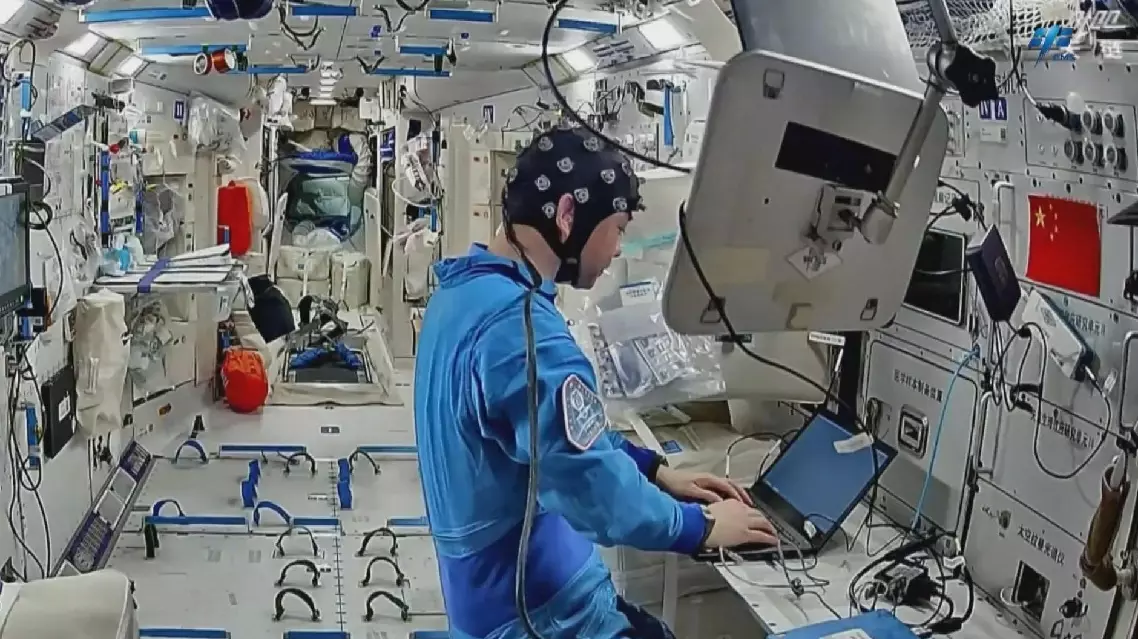
Chinese astronauts conduct experiments in neuroscience, botany aboard Tiangong Space Station
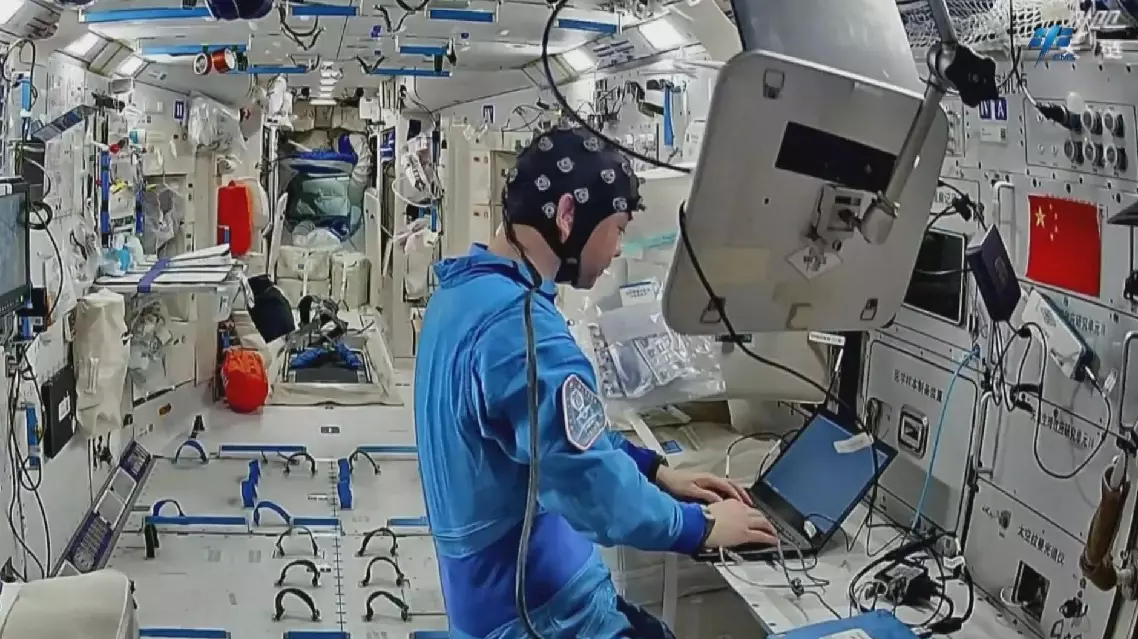
Chinese astronauts conduct experiments in neuroscience, botany aboard Tiangong Space Station
Russia said on Thursday that its armed forces had struck over 100 targets in Ukraine, while Ukraine reported, on the same day, that it had repelled offensives from Russia.
The Russian Ministry of Defense said in its latest report that over the past 24 hours, its forces had conducted strikes on 149 areas, including energy infrastructure serving the Ukrainian forces, assembly workshops and storage points for long-range attack drones, and temporary deployment sites of Ukraine's armed forces and foreign mercenaries. They also destroyed Ukrainian armored vehicles, field artillery, and ammunition depots. Additionally, the Russian air defense system shot down 216 fixed-wing drones belonging to Ukraine.
Meanwhile, the General Staff of the Armed Forces of Ukraine reported that its troops engaged in 134 combat clashes with Russian forces in the past day. They repelled dozens of Russian attacks in areas such as Pokrovsk. Their air, missile, and artillery units struck one Russian warehouse, one control point, and two major targets, and shot down 330 Russian tactical drones.
In another development, Ukrainian President Volodymyr Zelensky said on Thursday that a Ukrainian delegation is en route to the United States to continue peace negotiations.
The talks with the U.S. negotiating team are set to take place on Friday and Saturday, with European representatives also expected to participate, Zelensky told the Interfax-Ukraine news agency.
He highlighted that the key points of contention between Ukraine and the United States include territorial issues and the use of frozen Russian assets.
Zelensky said that, should a peace agreement be reached in the Russia-Ukraine conflict, Ukraine plans to use the frozen assets for reconstruction efforts. However, if hostilities persist, the funds may be directed toward supporting the Ukrainian military, bolstering defense production, and purchasing U.S.-made air defense missiles, he added.
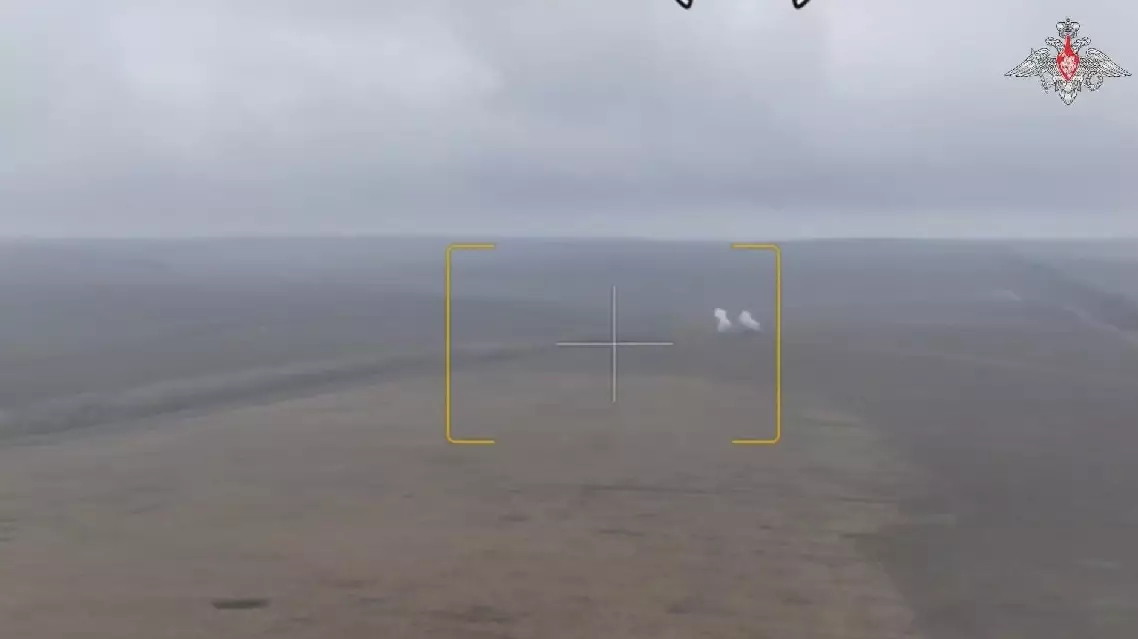
Russia strikes over 100 targets in Ukraine, Ukraine reports repelling Russian offensives