Skip to Content Facebook Feature Image

Chinese market irreplaceable to German auto parts supplier ZF Group: executive vice president

China

China

China

Chinese market irreplaceable to German auto parts supplier ZF Group: executive vice president

2025-09-15 12:11 Last Updated At:16:07

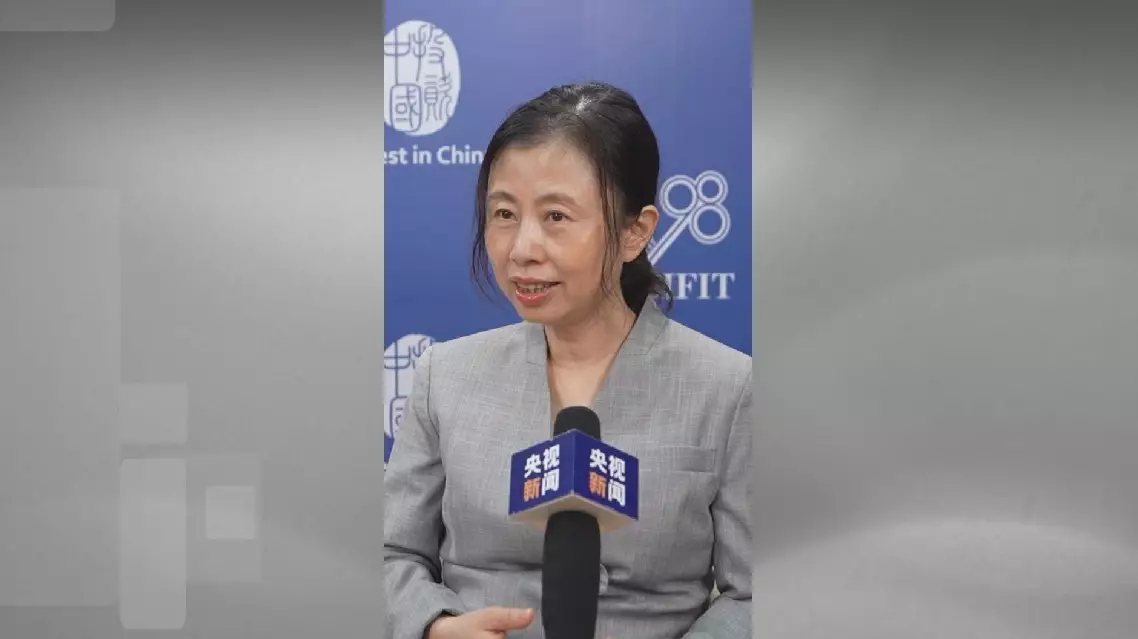
German auto parts supplier ZF Group increasingly views China not only as an irreplaceable and dynamic market, but as a new global core for the company's technology development, according to Renee Wang, executive vice president and president of ZF China and Operations Asia Pacific.

Speaking on the sidelines of the 25th China International Fair for Investment and Trade in Xiamen City, east China's Fujian Province, which ran from September 8 to 11, Wang elaborated on the unique importance of the Chinese market from a global perspective -- in terms of its vast size as well as consumer behavior.

"Chinese customers are not conservative. They are always willing to be the first to try new technologies. They are also willing to accept trial and error, which creates a high degree of tolerance for the environment of technological development. China's entire entrepreneurial environment is encouraged by much government support. The efficiency of the government at all levels is continuously improving with no corruption. And it's clear that China has its own unique advantages," she said.

According to Wang, China's exceptionally fast pace of technological progress is unmatched with other markets in the world.

Since entering the Chinese market in the early 1980s, ZF Group has steadily expanded its footprints. In the past two years alone, it has opened a new research and development center and built or expanded 10 production facilities across the country. Today, nearly one-third of ZF's 161 global manufacturing sites are located in China.

"Our traditional research and development cycle for a vehicle is three to four years. But in the Chinese market today, that cycle is just four to 12 months. On a technical level, we now expect a breakthrough development every six months. And we're establishing the fourth research and development center in China recently. We want to reverse the previous situation where core research and development was based in Europe and North America. Our most critical research and development must be in China," said Wang.

"At our headquarters, we have a motto that the Chinese market is irreplaceable. Only by being competitive in China can we ensure our future competitiveness in Europe and North America," she said.
Chinese market irreplaceable to German auto parts supplier ZF Group: executive vice president
Chinese market irreplaceable to German auto parts supplier ZF Group: executive vice president

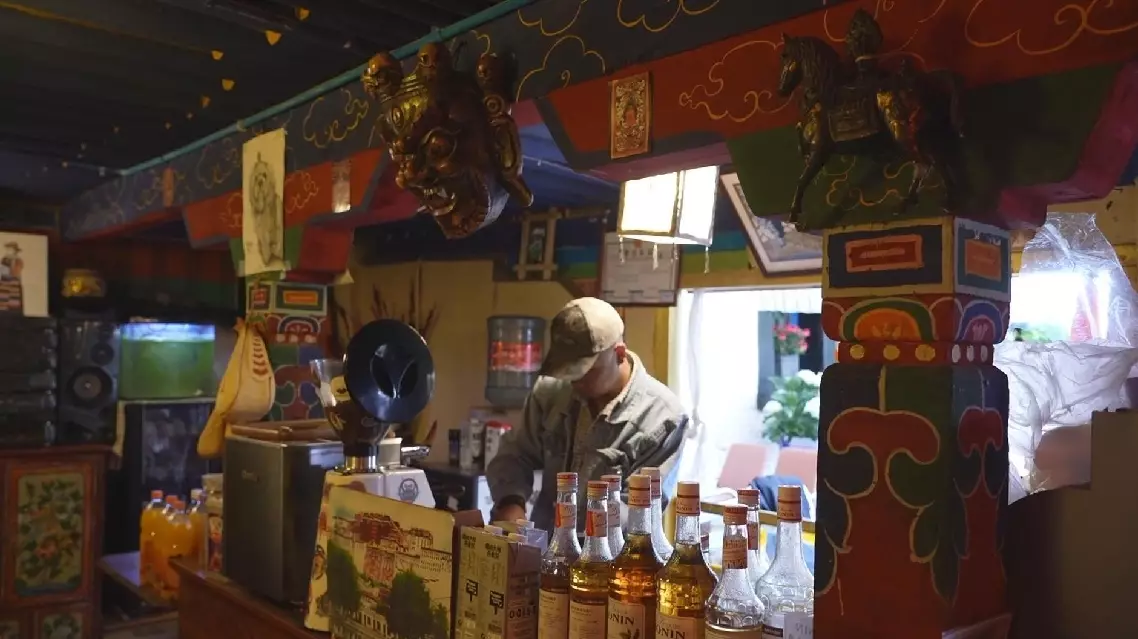
High in the Himalayas, Lhasa, the capital of southwest China's Xizang Autonomous Region, has quietly become one of the country's most caffeinated cities, signaling a fresh business wave in this ancient cultural hub.

With more than 800 coffee shops now serving a population of under one million, the city hosts roughly one cafe for every 1,200 residents, giving it one of the highest cafe densities in the country.

But this is not simply a transplant of Western coffee culture. On Barkhor Street in Lhasa's old town, a historic Buddhist pilgrimage circuit, baristas are stirring centuries-old yak cheese into espresso -- a blend that mirrors the city's transformation from a spiritual center into a modern regional hub.

"We have got this great Xizang-style vibe. There are plenty of cafes in Lhasa, but we are special. Locals -- even 80-year-olds -- come here for Americanos. Plus, lots of tourists, including foreigners, come just to check us out," the owner of Senxia Coffee, a local hotspot, said, revealing the secret behind his cafe's pull.

That dedication to innovation and presenting Xizang's culture through every cup have earned the shop a loyal following.

"I make a trip here once a year. It is my fourth year coming. The taste never changes, but they always have a new special to try -- and it is always great!" said a tourist from the eastern municipality Tianjin.

"It's very unique, I like it a lot. It's good coffee and it's a very nice place. The courtyard here is different than a courtyard in Germany would be," a German tourist offered similar praise.

In 2025, Lhasa's GDP crossed the 100-billion-yuan (about 14.7 billion US dollars) mark creating fertile ground for entrepreneurs, who found coffee as a light-asset business easy to start with -- small footprint, fast setup, easy to brand.

Amid intense competitions, businesses loyal to their hometown and home culture wins, Senxia's owner said.

"There are tons of entrepreneurs here. Local college grads are coming back to start businesses, and friends from inland are moving here to do the same. So the competition is actually fierce. With so many cafes around, we feel pretty lucky to have made it, and we have definitely got our own unique vibe," he said.

Lahsa sees booming coffee scene infused with local culture

Lahsa sees booming coffee scene infused with local culture

Lahsa sees booming coffee scene infused with local culture

Lahsa sees booming coffee scene infused with local culture

Recommended Articles