GENEVA (AP) — A World Trade Organization agreement aimed at reducing overfishing took effect Monday, requiring countries to reduce subsidies doled out to fishing fleets and aiming to ensure sustainability of wildlife in the world's seas and oceans.
Following a string of national approvals more than three years after its adoption, the WTO Agreement on Fisheries Subsidies is designed to help limit the depletion of fish stocks caused by excessive fishing.
Click to Gallery
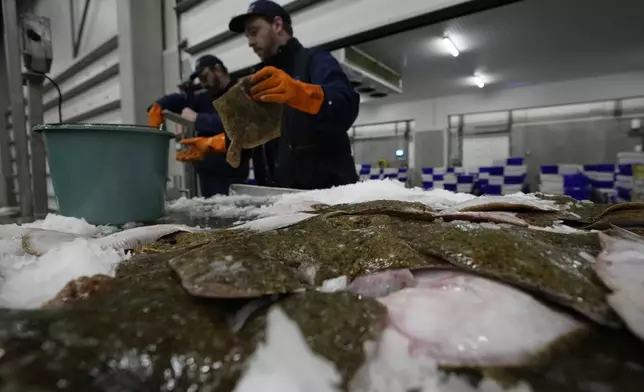
FILE - A worker checks the quality of fish during the morning seafood auction in Ostend, Belgium, Friday, Feb. 11, 2022. (AP Photo/Virginia Mayo, File)
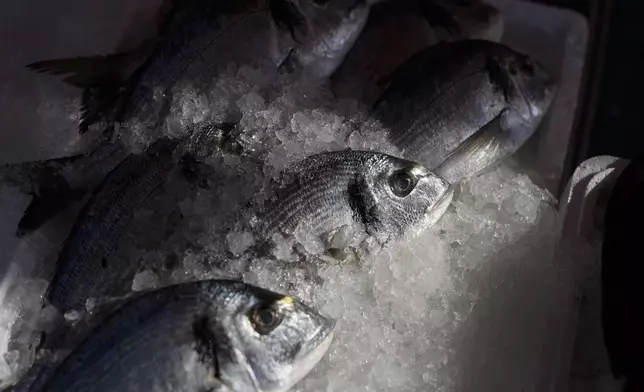
FILE - Fresh fish are packed in ice as they await purchase at a morning market in Nice, southern France, Friday, Feb. 11, 2022. (AP Photo/Daniel Cole, File)
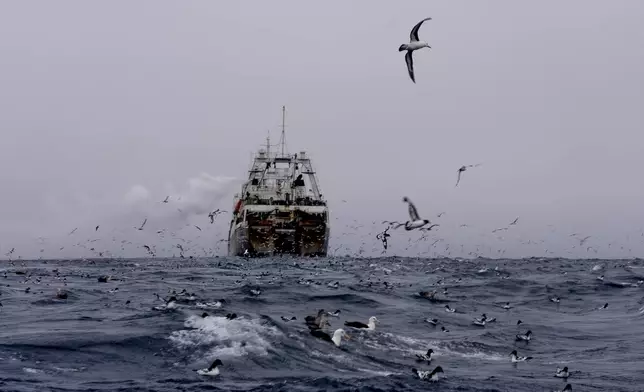
FILE - China's Long Fa fishing vessel is followed by flocks of seabirds in the Southern Ocean off the coast of the South Orkney Islands, north of the Antarctic Peninsula, on March 10, 2023. (AP Photo/David Keyton, File)
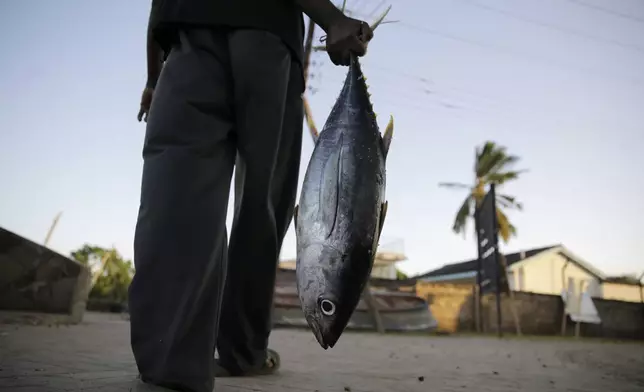
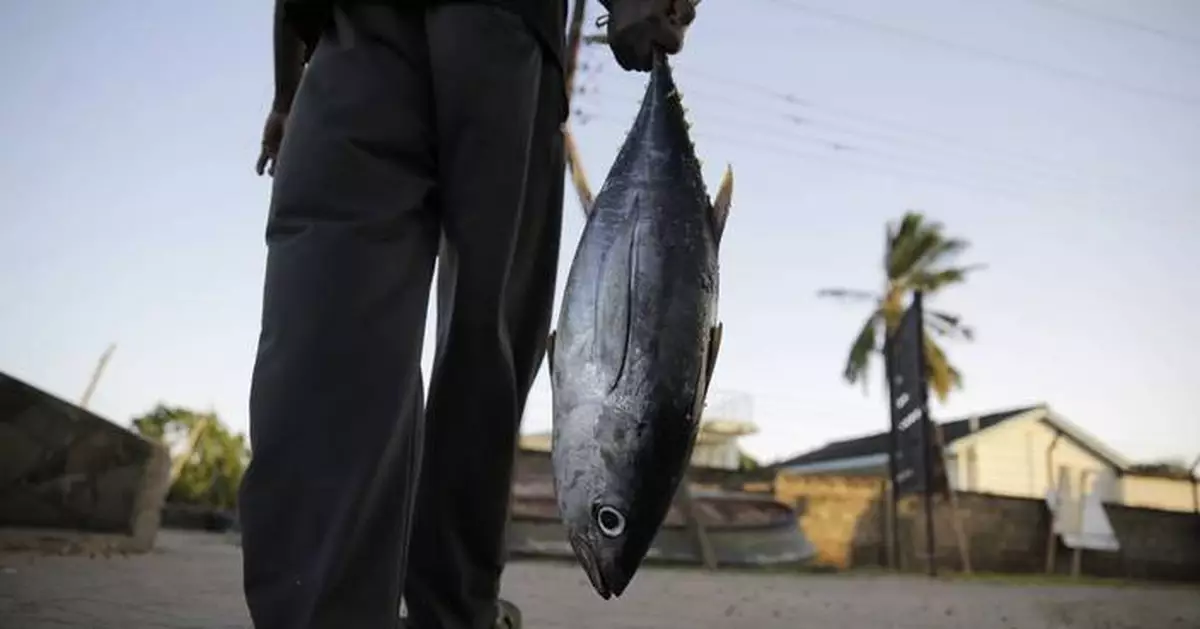
FILE - Fisherman Kassim Abdalla Zingizi holds a yellowfin tuna after a catch in Vanga, Kenya, on June 14, 2022. (AP Photo/Brian Inganga, File)
The Geneva-based trade body touts the deal as its first focusing on the environment, and the first broad and binding multilateral agreement on ocean sustainability.
The deal, championed by WTO Director-General Ngozi Okonjo-Iweala, formally took effect on Monday after four more countries — Brazil, Kenya, Tonga and Vietnam — adopted it.
The approvals mean 112 countries are on board, clearing by one country the requirement that at least two-thirds of WTO's 166 members give formal acceptance.
China, the United States, and the European Union's 27-member states are among those that have signed on, while India and Indonesia have been among the holdouts.
The Pew Charitable Trust, an advocacy group, say the agreement will require countries to limit some of the $22 billion in subsidies worldwide that encourage practices by fleets that deplete fish stocks, and will create a “fish fund" that can help developing countries implement it.
Only part of the agreement — focusing on subsidies for illegal fishing and overfished stocks — has taken effect. A second part, which concentrates on subsidies that produce overcapacity in the large-scale fishing industry, such as for building ships, has not been finalized.
The economic reason that the second part is important is because the more that the world's fleets have ships to fish, the lower those ships will cost — making it cheaper and more appealing to fish on a large scale and thus further threaten global fish stocks.
Experts hope the first approval will build momentum for the second part.
Oceana, a top advocacy group devoted to ocean conservation, says that fish populations were already declining because of overfishing more than a generation ago — and today the situation is “even more dire” with some 38% of global stocks overfished.
“Without fish, it’s game over for the hundreds of millions of people who depend on the ocean,” said Rashid Sumaila, an Oceana board member and head of the Fisheries Economics Research Unit at the University of British Columbia.
He said the first phase of the deal “won’t stop the billions in subsidies that fuel overfishing and overcapacity," adding: "But it does create a foundation that must be built on further.”
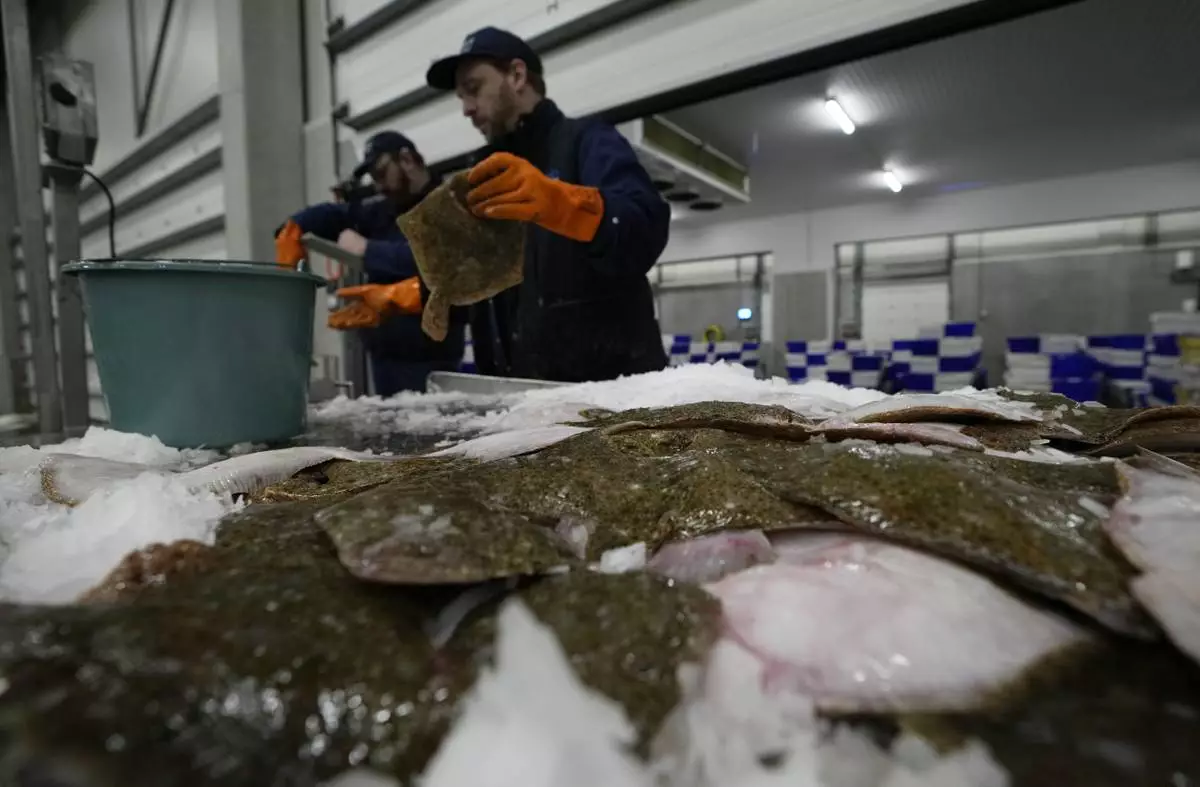
FILE - A worker checks the quality of fish during the morning seafood auction in Ostend, Belgium, Friday, Feb. 11, 2022. (AP Photo/Virginia Mayo, File)
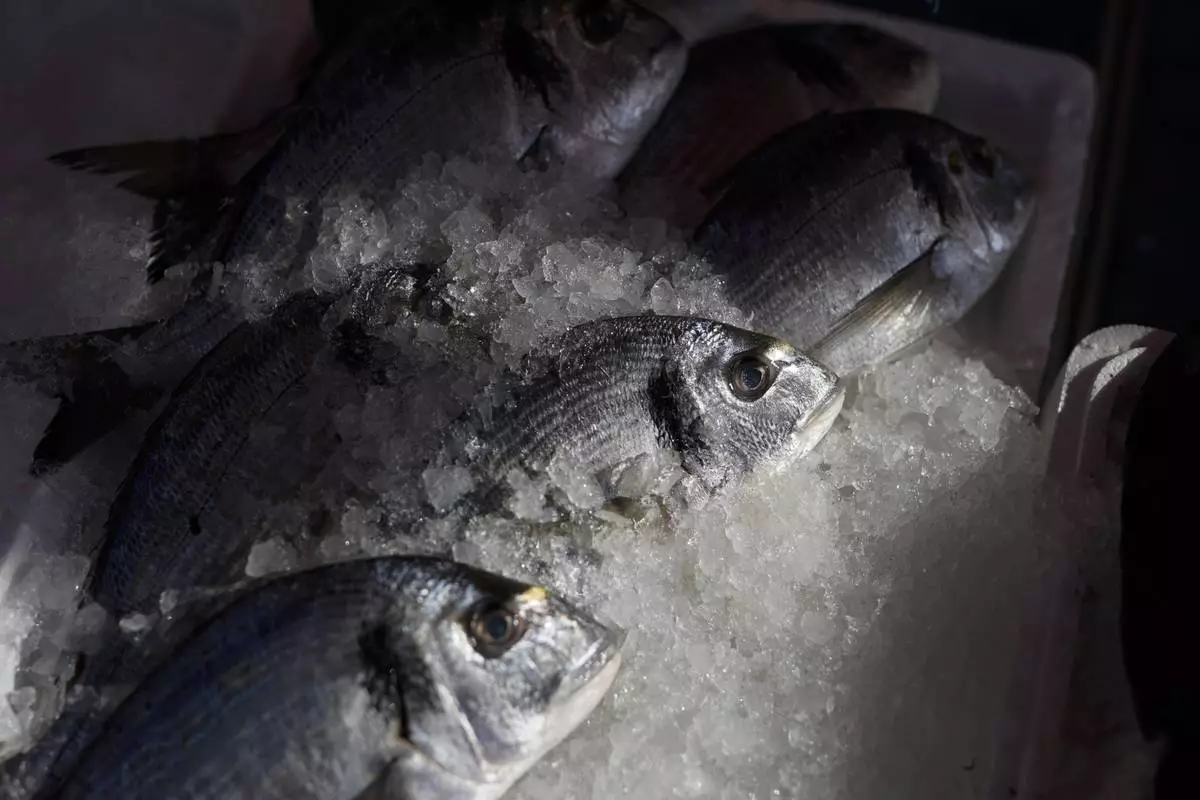
FILE - Fresh fish are packed in ice as they await purchase at a morning market in Nice, southern France, Friday, Feb. 11, 2022. (AP Photo/Daniel Cole, File)
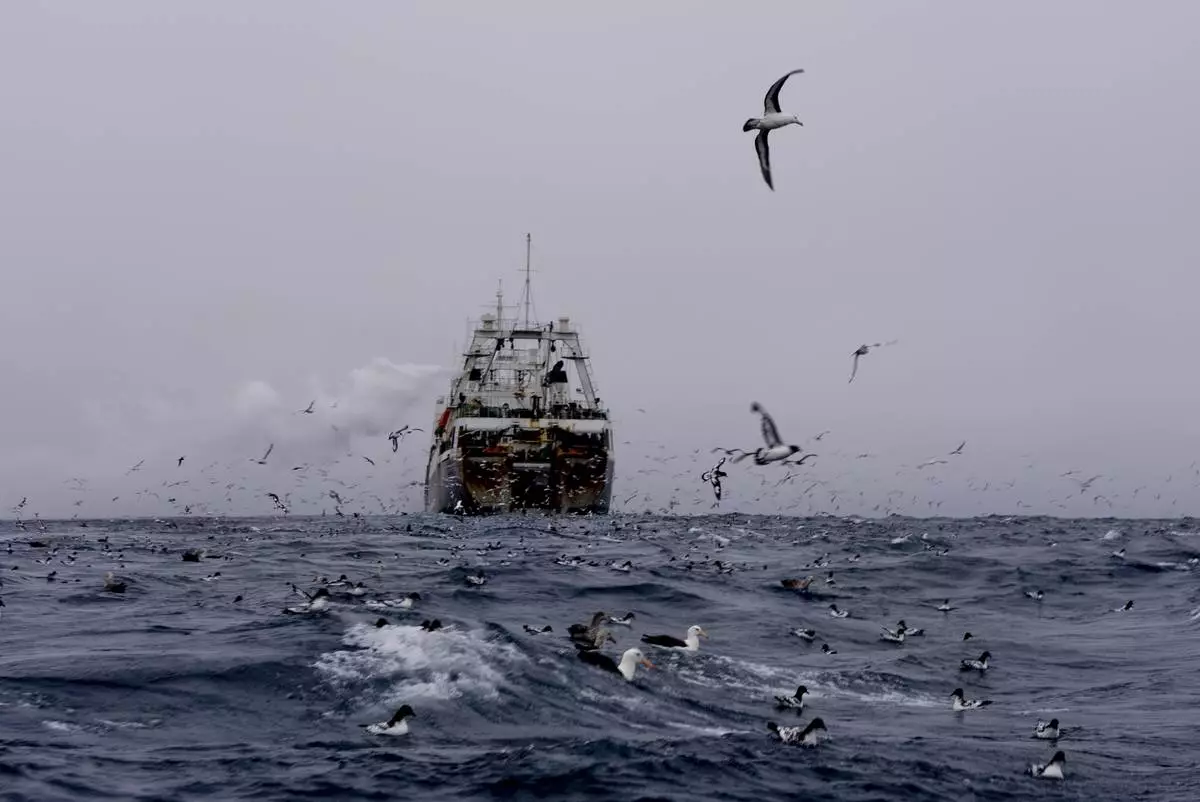
FILE - China's Long Fa fishing vessel is followed by flocks of seabirds in the Southern Ocean off the coast of the South Orkney Islands, north of the Antarctic Peninsula, on March 10, 2023. (AP Photo/David Keyton, File)
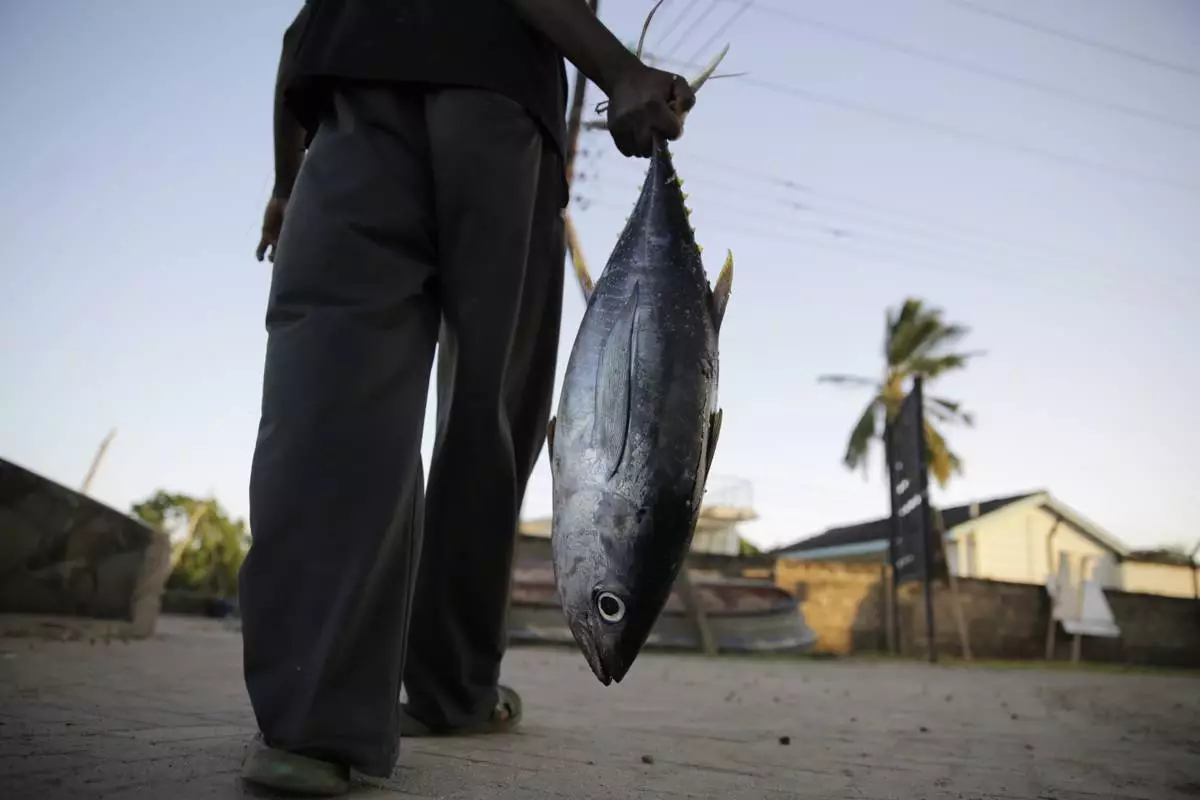
FILE - Fisherman Kassim Abdalla Zingizi holds a yellowfin tuna after a catch in Vanga, Kenya, on June 14, 2022. (AP Photo/Brian Inganga, File)