Skip to Content Facebook Feature Image

Build-A-Bear continues to rack up market gains, despite tariffs and teetering mall traffic

News

Build-A-Bear continues to rack up market gains, despite tariffs and teetering mall traffic
News

News

Build-A-Bear continues to rack up market gains, despite tariffs and teetering mall traffic

2025-09-24 17:12 Last Updated At:17:20

NEW YORK (AP) — Tariffs and years of teetering mall traffic have roiled much of the toy industry. But Build-A-Bear investors are continuing to reap sizeable gains.

Shares of Build-A-Bear Workshop are up more than 60% since the start of 2025, trading at just under $72 apiece as of Tuesday afternoon. That compares to just 13% for the S&P 500 since the start of the year, and marks dramatic growth from five years ago, when the St. Louis-based retailer's stock sat under $3.

The toy industry overall has been “reasonably soft” in recent years, notes Neil Saunders, managing director of GlobalData — but certain categories, including craft-oriented products, have done very well following the height of the COVID-19 pandemic. And that's key to Build-A-Bear's core business model: welcoming consumers into their brick-and-mortar stores to make their own plush animals.

That may also set Build-A-Bear apart from the malls its stores are often inside, many of which have struggled to see overall traffic rebound over the years.

“The mall may not be a destination, but Build-A-Bear often is — because it’s often a planned trip," Saunders said. “It’s a store within a mall that many consumers make a beeline for.”

Build-A-Bear still isn’t entirely immune to macroeconomic pressures, but the company's profit has soared to record after record in recent quarters. Last month, the retailer reported what it said were the best results for a second quarter and first half of a fiscal year in the history of the Build-A-Bear, which opened its first store in 1997. Company executives pointed to strong store performance and other expansion efforts.

In the first half of its 2025 fiscal year, the company’s revenues hit $252.6 million and its pre-tax income climbed to $34.9 million — up 11.5% and 31.5%, respectively, year-over-year.

The company also raised its financial outlook for the full year, despite anticipated costs of President Donald Trump's steep tariffs on goods coming into the U.S. from around the world and other headwinds.

“Tariffs are a real cost that we are facing,” Voin Todorovic, chief financial officer at Build-A-Bear, said in the company's Aug. 28 earnings call — pointing to current U.S. import tax rates of 30% on China and 20% on Vietnam, where the retailer sources much of its products. Some of that has already trickled down to the cost of Build-A-Bear's merchandise in North America, but Todorovic noted that such levies would impact the company "even more in the second half of the year.”

Still, he and other executives pointed to preparations Build-A-Bear had made to lessen the blow, including previous inventory increases. The company also maintained that consumer-facing price impacts would be limited.

While the retailer offers some ready-made toys and toy clothing, "what Build-A-Bear generally buys is materials,” Saunders noted. This can “hedge against tariffs much more effectively," he explained, as they reduce labor costs and potentially allow for more flexibility on sourcing.

Still, Saunders notes that everyone is going to be affected by tariffs and Build-A-Bear isn't an exception. He adds that consumers will probably “eat that extra cost because they're paying for the entertainment value."

Barring any significant changes, Todorovic said in August's earnings call that tariffs are anticipated to cost Build-A-Bear under $11 million for the 2025 fiscal year. But despite that and other costs, he noted that the company is still on track to approach or slightly beat last year's earnings.

The company's latest guidance expects its pre-tax income to reach between $62 million to $70 million for the full 2025 fiscal year, compared to just over $67 million reported in 2024.
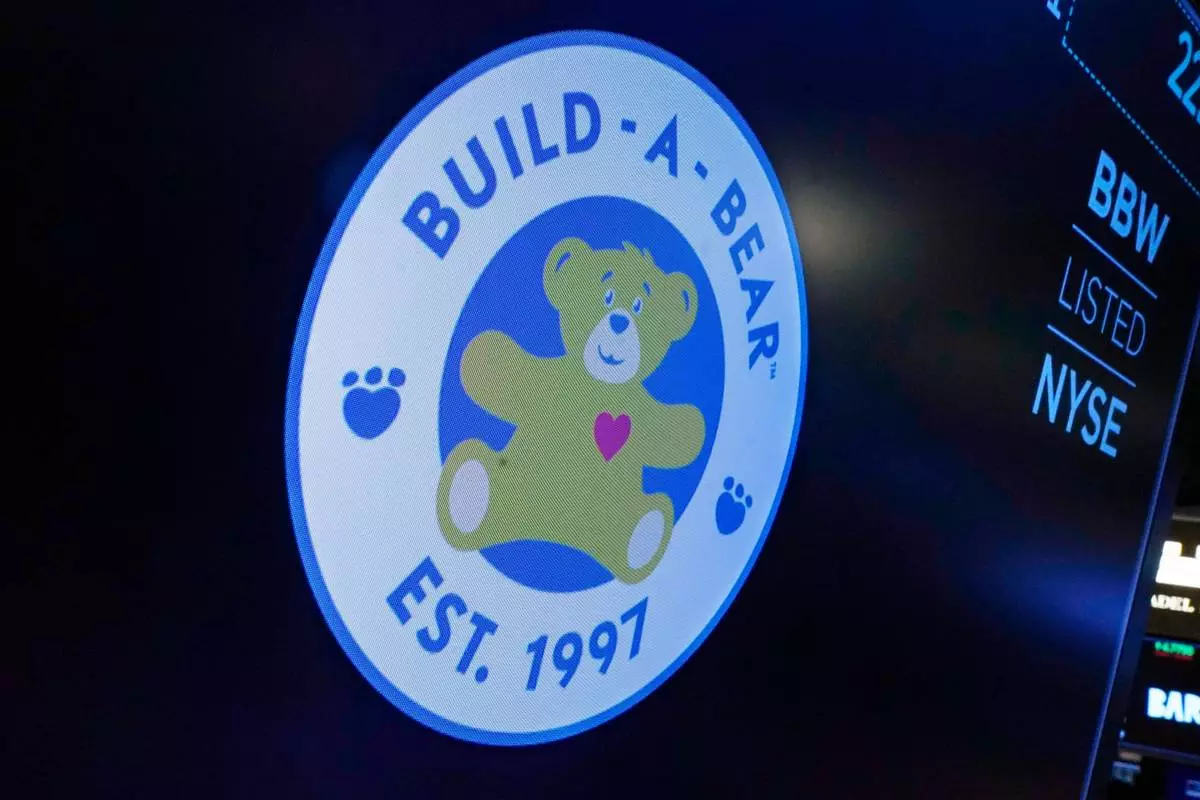
FILE - The logo for Build-A-Bear Workshop appears above a trading post on the floor of the New York Stock Exchange, Wednesday, Dec. 1, 2021. (AP Photo/Richard Drew, file)
FILE - The logo for Build-A-Bear Workshop appears above a trading post on the floor of the New York Stock Exchange, Wednesday, Dec. 1, 2021. (AP Photo/Richard Drew, file)
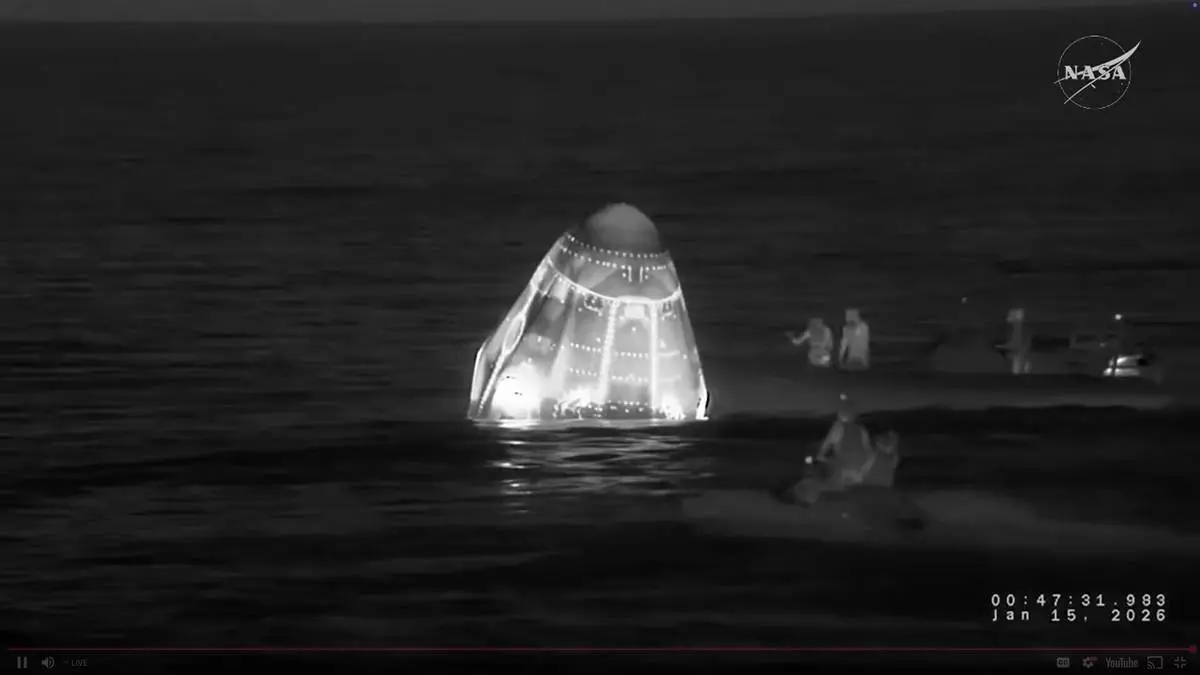
CAPE CANAVERAL, Fla. (AP) — An ailing astronaut returned to Earth with three others on Thursday, ending their space station mission more than a month early in NASA’s first medical evacuation.

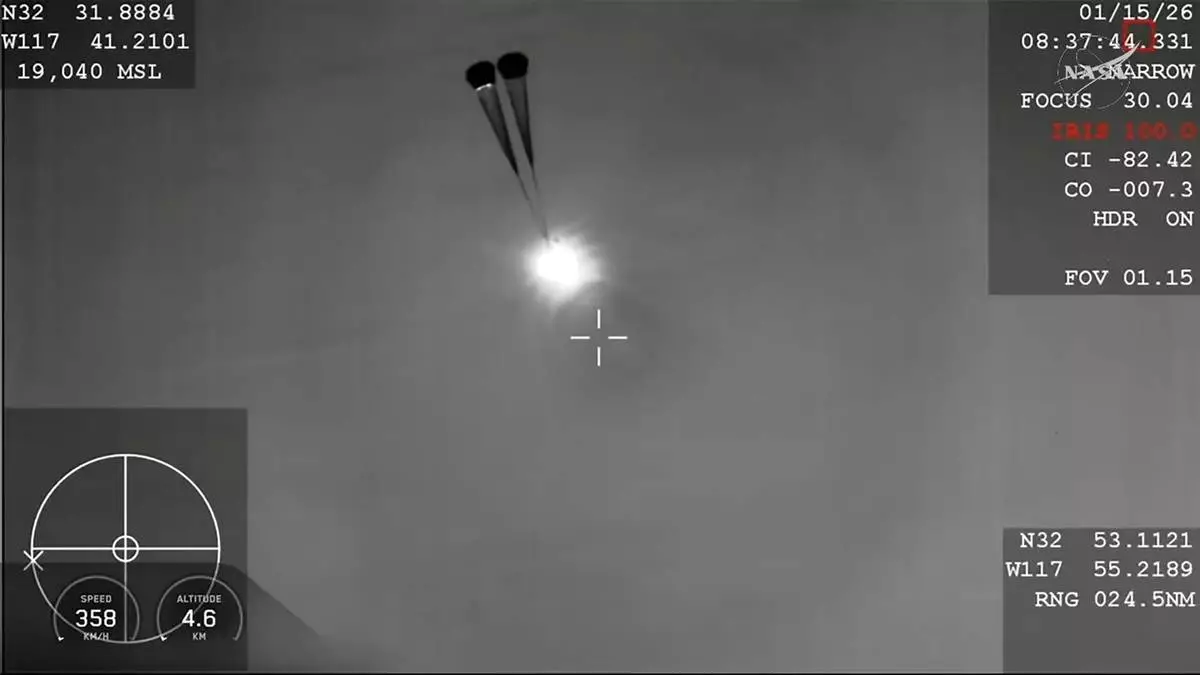
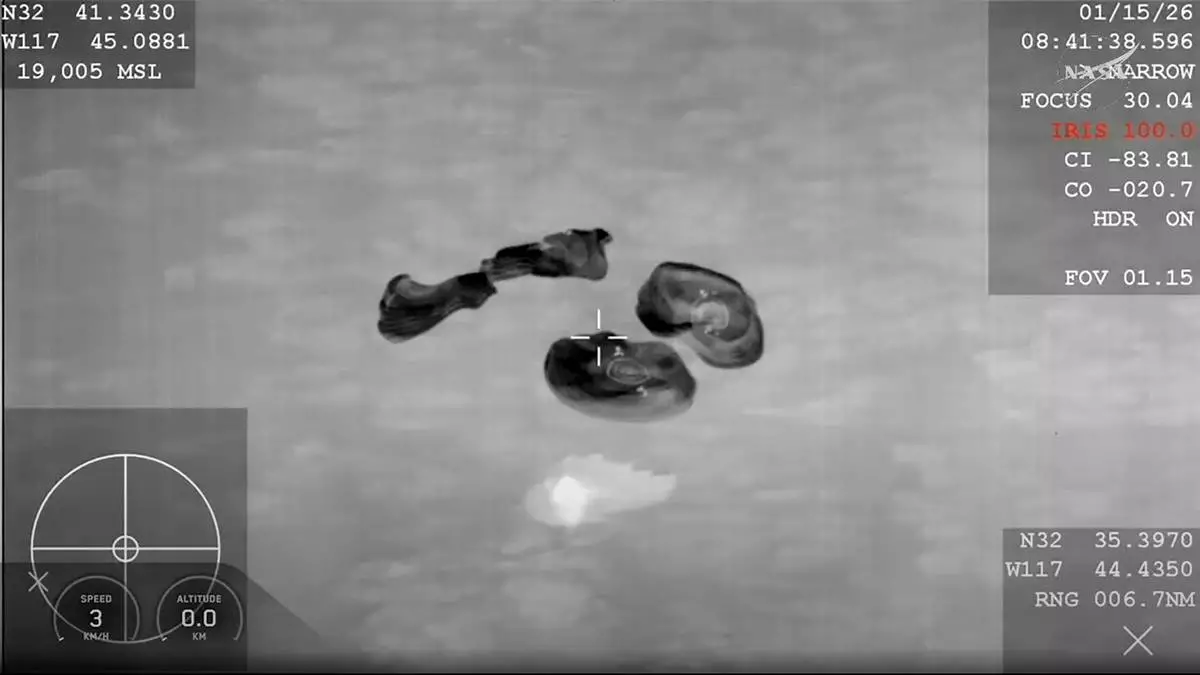
SpaceX guided the capsule to a middle-of-the-night splashdown in the Pacific near San Diego, less than 11 hours after the astronauts exited the International Space Station.

“It’s so good to be home,” said NASA astronaut Zena Cardman, the capsule commander.

It was an unexpected finish to a mission that began in August and left the orbiting lab with only one American and two Russians on board. NASA and SpaceX said they would try to move up the launch of a fresh crew of four; liftoff is currently targeted for mid-February.

Cardman and NASA’s Mike Fincke were joined on the return by Japan’s Kimiya Yui and Russia’s Oleg Platonov. Officials have refused to identify the astronaut who had the health problem or explain what happened, citing medical privacy.

While the astronaut was stable in orbit, NASA wanted them back on Earth as soon as possible to receive proper care and diagnostic testing. The entry and splashdown required no special changes or accommodations, officials said, and the recovery ship had its usual allotment of medical experts on board. It was not immediately known when the astronauts would fly from California to their home base in Houston. Platonov’s return to Moscow was also unclear.

NASA stressed repeatedly over the past week that this was not an emergency. The astronaut fell sick or was injured on Jan. 7, prompting NASA to call off the next day’s spacewalk by Cardman and Fincke, and ultimately resulting in the early return. It was the first time NASA cut short a spaceflight for medical reasons. The Russians had done so decades ago.

The space station has gotten by with three astronauts before, sometimes even with just two. NASA said it will be unable to perform a spacewalk, even for an emergency, until the arrival of the next crew, which has two Americans, one French and one Russian astronaut.

The Associated Press Health and Science Department receives support from the Howard Hughes Medical Institute’s Department of Science Education and the Robert Wood Johnson Foundation. The AP is solely responsible for all content.

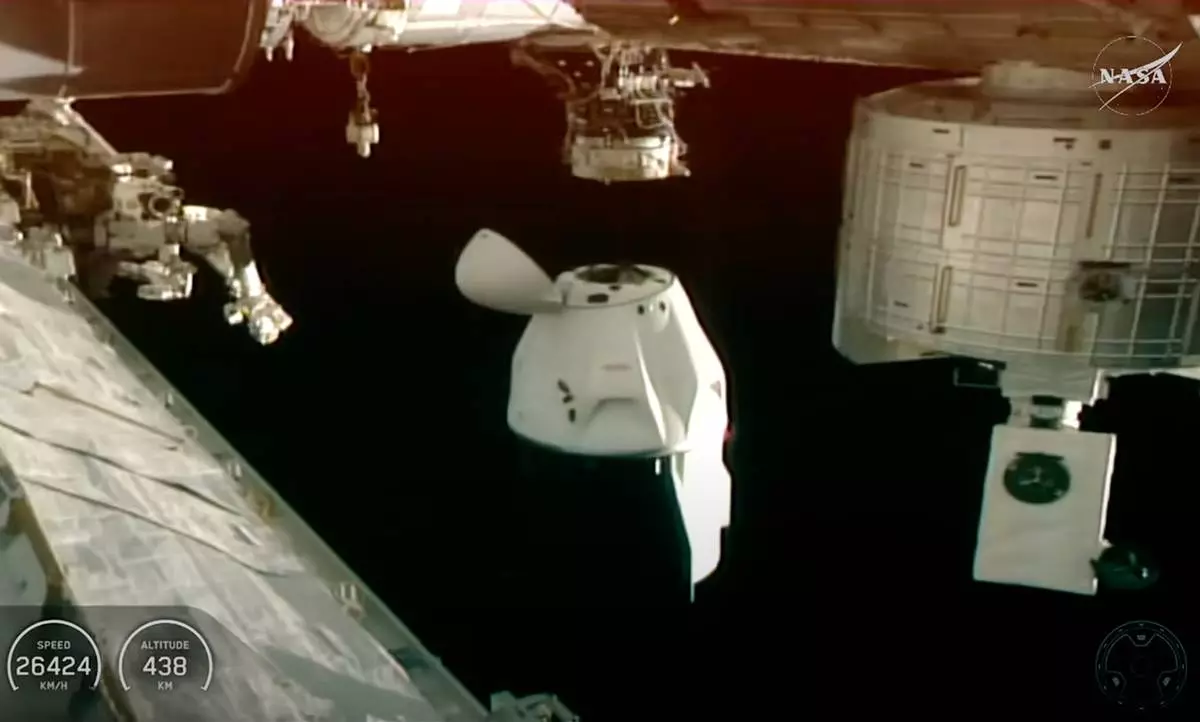
This screengrab from video provided by NASA TV shows the SpaceX Dragon departing from the International Space Station shortly after undocking with four NASA Crew-11 members inside on Wednesday, Jan. 14, 2026. (NASA via AP)

This screengrab from video provided by NASA TV shows the SpaceX Dragon departing from the International Space Station shortly after undocking with four NASA Crew-11 members inside on Wednesday, Jan. 14, 2026. (NASA via AP)

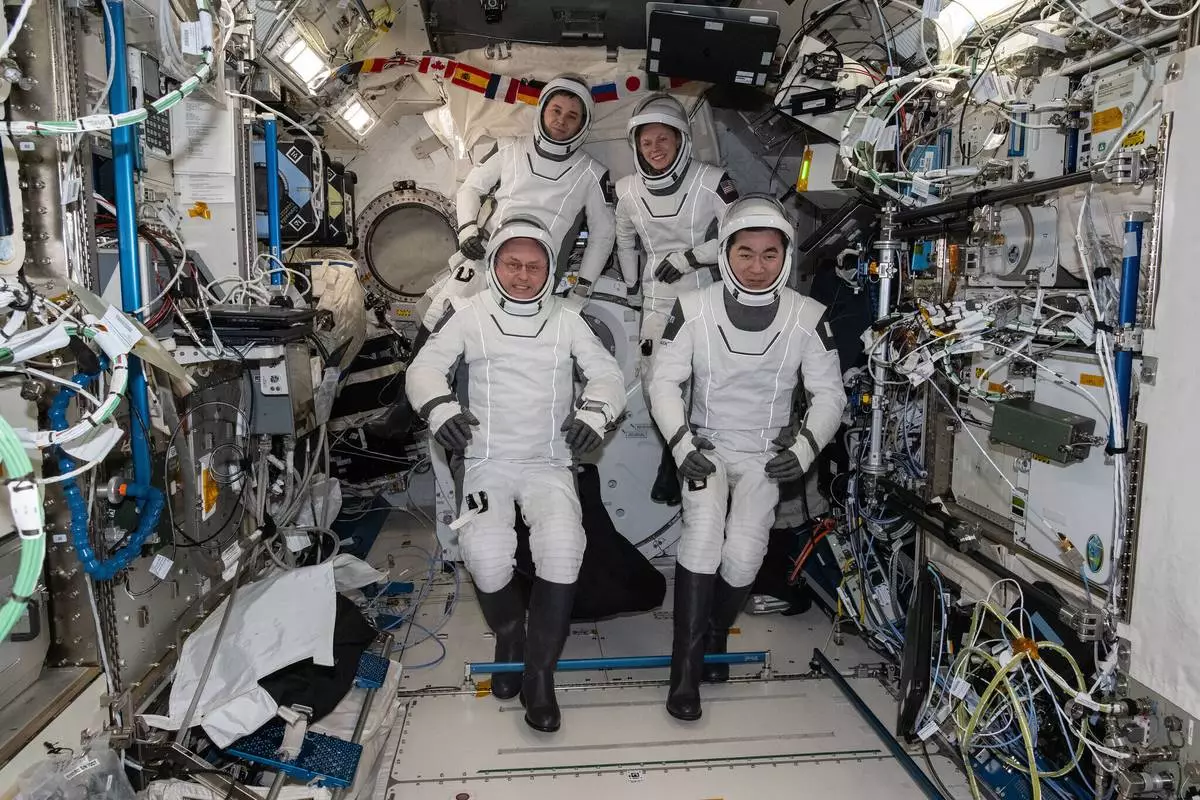
This photo provided by NASA shows clockwise from bottom left are, NASA astronaut Mike Fincke, Roscosmos cosmonaut Oleg Platonov, NASA astronaut Zena Cardman, and JAXA (Japan Aerospace Exploration Agency) astronaut Kimiya Yui gathering for a crew portrait wearing their Dragon pressure suits during a suit verification check inside the International Space Station’s Kibo laboratory module, Wednesday, Jan. 14, 2026. (NASA via AP)

This photo provided by NASA shows clockwise from bottom left are, NASA astronaut Mike Fincke, Roscosmos cosmonaut Oleg Platonov, NASA astronaut Zena Cardman, and JAXA (Japan Aerospace Exploration Agency) astronaut Kimiya Yui gathering for a crew portrait wearing their Dragon pressure suits during a suit verification check inside the International Space Station’s Kibo laboratory module, Wednesday, Jan. 14, 2026. (NASA via AP)

This screengrab from video provided by NASA shows recovery vessels approaching the NASA's SpaceX Crew-11 capsule to evacuate one of the crew members after they re-entered the earth in a middle-of-the-night splashdown near San Diego, Calif., Thursday, Jan. 15, 2026. (NASA via AP)

This screengrab from video provided by NASA shows recovery vessels approaching the NASA's SpaceX Crew-11 capsule to evacuate one of the crew members after they re-entered the earth in a middle-of-the-night splashdown near San Diego, Calif., Thursday, Jan. 15, 2026. (NASA via AP)

This screengrab from video provided by NASA shows the NASA's SpaceX Crew-11 members re entering the earth in a middle-of-the-night splashdown near San Diego, Calif., Thursday, Jan. 15, 2026. (NASA via AP)

This screengrab from video provided by NASA shows the NASA's SpaceX Crew-11 members re entering the earth in a middle-of-the-night splashdown near San Diego, Calif., Thursday, Jan. 15, 2026. (NASA via AP)

This screengrab from video provided by NASA shows the NASA's SpaceX Crew-11 members re entering the earth in a middle-of-the-night splashdown near San Diego, Calif., Thursday, Jan. 15, 2026. (NASA via AP)

This screengrab from video provided by NASA shows the NASA's SpaceX Crew-11 members re entering the earth in a middle-of-the-night splashdown near San Diego, Calif., Thursday, Jan. 15, 2026. (NASA via AP)

Recommended Articles