The UN Security Council on Friday failed to adopt a resolution that would have extended the 2015 Iran nuclear deal for six months to allow time for diplomacy.
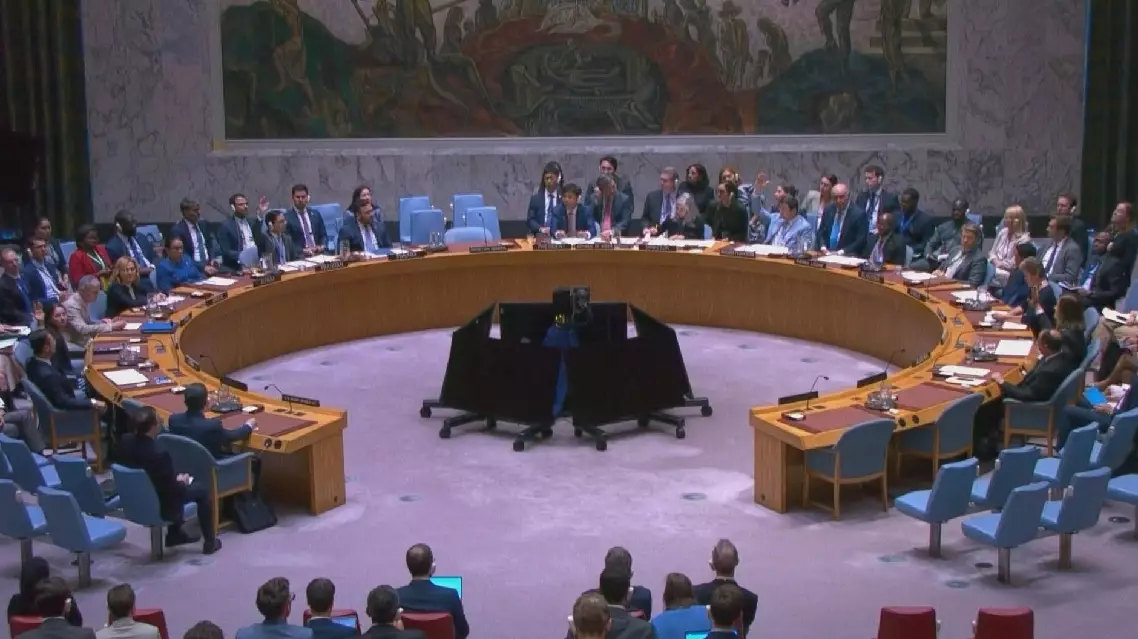
The draft resolution, tabled by China and Russia, won four votes in favor and nine votes against, with two abstentions, failing to get the nine positive votes required for adoption.
Algeria, China, Pakistan and Russia voted in favor of Friday's draft resolution. Guyana and the Republic of Korea abstained. The remaining nine members of the Security Council voted against it.
If adopted, the draft resolution would have extended the nuclear deal between Iran and the six countries of Britain, China, France, Germany, Russia and the United States, as well as Security Council Resolution 2231 that endorsed the deal, for six months, and would have prevented a "snapback" of UN sanctions against Iran.
Friday's voting result was exactly the same as that on Sept 19 on a draft resolution put forward by the Republic of Korea in its capacity as Security Council president for the month of September, which, if adopted, would have continued to provide sanctions relief for Iran.
According to the relevant provisions of the Iran nuclear agreement and UN Security Council Resolution 2231, sanctions against Iran will take effect and resume after 8:00 Eastern Time on September 27.
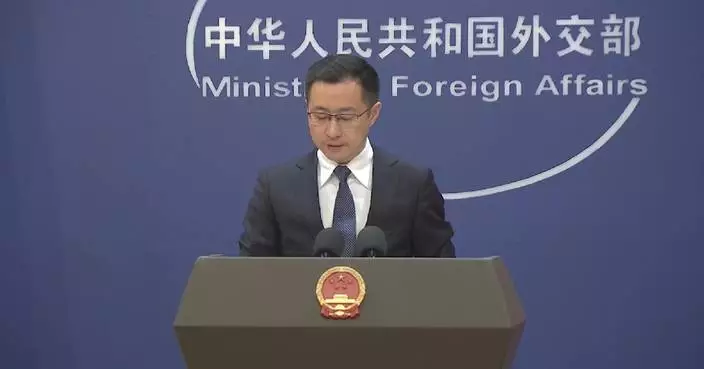
After the vote, China's deputy permanent representative to the UN Geng Shuang expressed China's deep regret that the draft resolution was not passed.
Geng pointed out that China has always advocated that dialogue, negotiation and diplomatic means are the only viable options for resolving the Iranian nuclear issue, and a political solution to the Iranian nuclear issue is the only correct way to maintain peace and stability in the Middle East.
"Amid the ongoing fighting in Gaza and the overall instability in the Middle East, a breakdown in the Iranian nuclear issue could trigger a new regional security crisis, which is not in the common interests of the international community. We urge the United States to demonstrate political will, respond positively to Iran's proposal for renewed talks, and unequivocally commit to not launching military strikes against Iran. We urge the EU to engage in genuine diplomatic efforts and abandon its practice of imposing sanctions, pressure, and coercion on Iran," said Geng.
Iranian Foreign Minister Seyed Abbas Araghchi attended the vote and thanked China, Russia, Pakistan and Algeria for voting in favor of the draft resolution, and accused the United States and European countries of deliberately undermining the nuclear agreement with Iran.
"The E3 and the United States acted in bad faith, claiming to support diplomacy while in fact blocking it. Regrettably, E3 chose to follow Washington's whims rather than exercising their independent sovereign discretion. The United States' persistent negation of all initiatives to keep the window of diplomacy open proved once again that the negotiation with the United States leads to no where other than dead end," he said.
UN Security Council fails to adopt resolution on extension of Iran nuclear deal

UN Security Council fails to adopt resolution on extension of Iran nuclear deal
UN Security Council fails to adopt resolution on extension of Iran nuclear deal