External pressure actually makes Iranian society more resilient and unified, said an Iranian expert after the United Nations Security Council failed to extend Iran nuclear deal.
The UN Security Council on Friday failed to adopt a resolution that would have extended the 2015 Iran nuclear deal for six months to allow time for diplomacy.
The draft resolution, tabled by China and Russia, received four votes in favor, nine votes against and two abstentions, falling short of the nine positive votes required for adoption.
If adopted, the draft resolution would have extended the nuclear deal between Iran and the six powers of Britain, China, France, Germany, Russia and the United States, as well as Security Council Resolution 2231 that endorsed the deal, for six months. It would have also prevented a "snapback" of UN sanctions against Iran.
Britain, France, and Germany -- the three European countries (E3) of the Iran nuclear deal, formally known as the Joint Comprehensive Plan of Action (JCPOA) -- claimed they had triggered the snapback mechanism on Aug 28 by notifying the Security Council of Tehran's "significant non-performance".
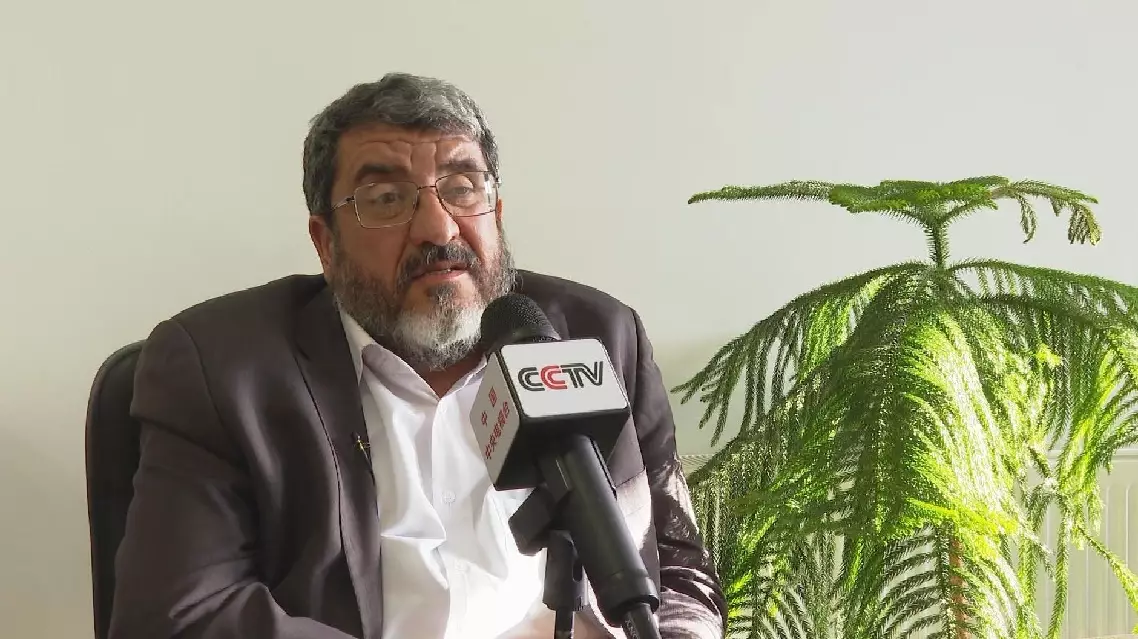
In an interview with China Media Group (CMG), Foad Izadi, professor at the University of Tehran, said the E3's move was politically motivated.
"I think Europeans have done this to please the hawkish elements within the U.S. government. There were a lot of trade dealings with the United States. So by punishing Iran, it has nothing to do with Iran or its nuclear capacity, by being on the side of the United States when it comes to Iran, they want to get concessions from United States on other issues," he said. he said.
Izadi highlighted the unfair treatment Iran faces during the "snapback mechanism" triggering process, however, he also stressed that the sanctions can strengthen unity among Iranian people.
"And this is going to tell Iranians that they are not dealing with normal countries. They engage in this type of very unfair activities. That is the bad news. The good news is that the cultural resistances in Iran is quite strong. So when they get more pressure from outside, they become more resilient and that will have some effect on social, having a social setting that is more close to each other," he said.

External pressure on Iran strengthens resilience, brings its people closer: Iranian expert
External pressure on Iran strengthens resilience, brings its people closer: Iranian expert