Skip to Content Facebook Feature Image

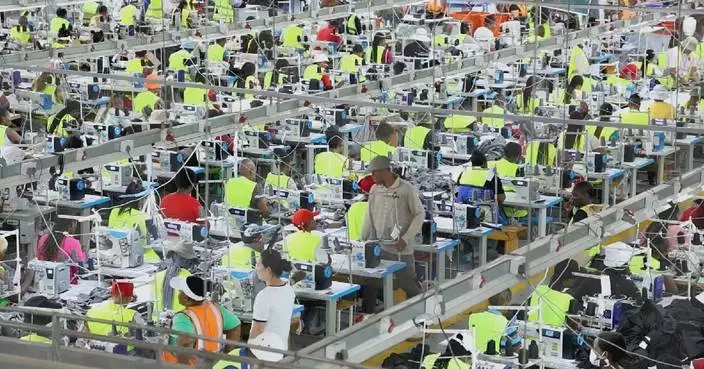
Global trade friction index up in July amid tariff concerns

China

China

China

Global trade friction index up in July amid tariff concerns

2025-09-28 15:10 Last Updated At:09-29 00:17

Global economic and trade frictions heated up again in July due to capricious U.S. tariff policies, said China Council for the Promotion of International Trade (CCPIT) on Sunday.

Data from the council shows that the global economic and trade friction index stood at an elevated position of 110 in July.

The amount involved in global economic and trade friction measures rose by 6.6 percent year on year, and 27.6 percent month on month, according to the data.

Among the 20 countries and regions monitored, the United States, the European Union, and Brazil ranked the top three in global trade friction index, the data showed.

The United States accounted for the largest share of global economic and trade friction measures, holding the top position for 13 consecutive months.

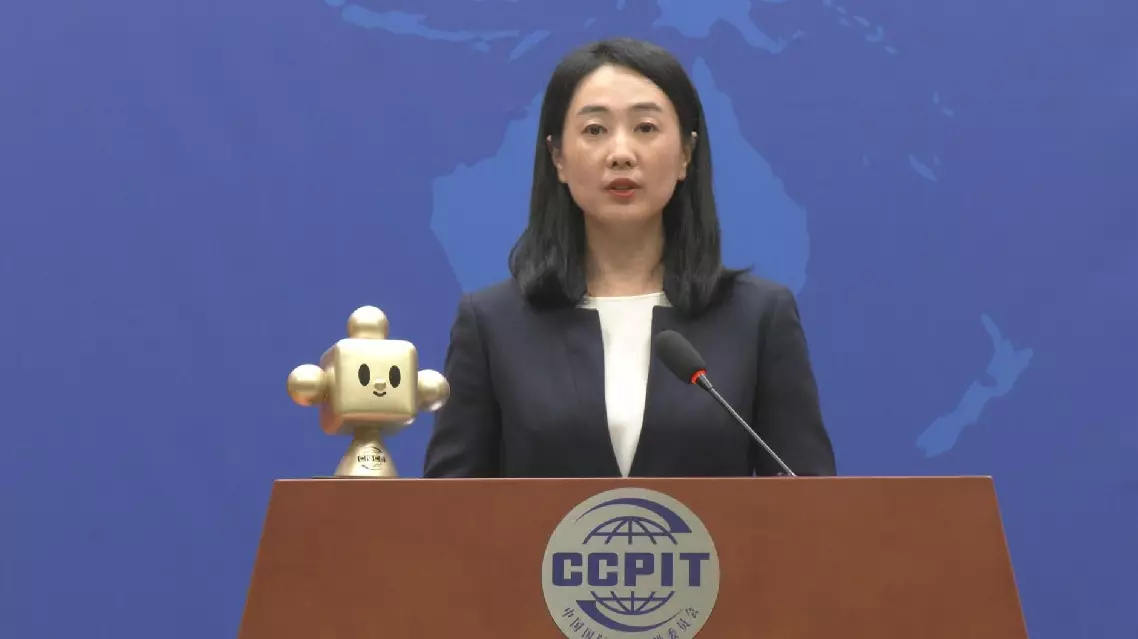
"Judging from the industry index, among the 13 major industries under the monitoring scope, the conflict points of economic and trade friction measures are concentrated in the electronics, chemical, transportation equipment, mechanical equipment, pharmaceutical, light industry and non-ferrous metal industries, among which the electronics industry ranks first in the economic and trade friction index," said CCPIT spokeswoman Wang Guannan.
Global trade friction index up in July amid tariff concerns
Global trade friction index up in July amid tariff concerns

Global trade friction index up in July amid tariff concerns

Global trade friction index up in July amid tariff concerns

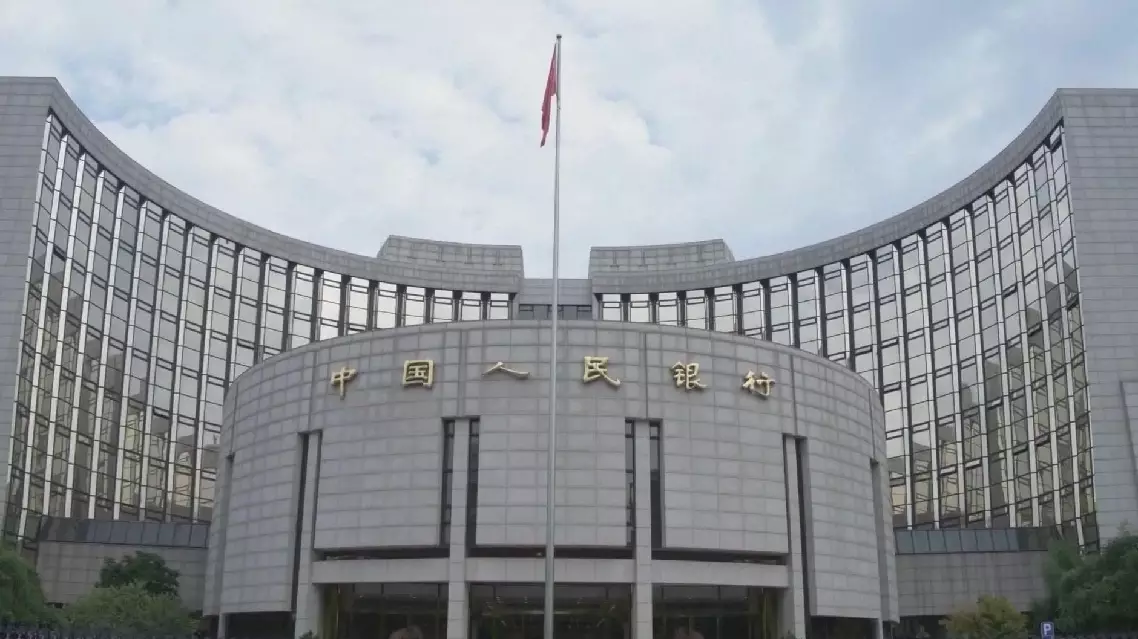
China's outstanding aggregate social financing -- the total amount of financing to the real economy -- reached 442.12 trillion yuan (about 63.4 trillion U.S. dollars) as of the end of 2025, up 8.3 percent year on year, central bank data showed on Thursday.

The country's aggregate social financing stood at 35.6 trillion yuan (about 5.1 trillion U.S. dollars) in 2025, up by 3.34 trillion yuan (about 479 billion U.S. dollars) from the year 2024, said the People's Bank of China (PBOC), the country's central bank.

According to the data, the M2, a broad measure of money supply that covers cash in circulation and all deposits, increased 8.5 percent year on year to 340.29 trillion yuan (about 48.8 trillion U.S. dollars) as of the end of December.

In addition, outstanding yuan loans stood at 271.91 trillion yuan (about 39 trillion U.S. dollars) at the end of 2025, up 6.4 percent year on year.

China's aggregate social financing maintains high growth in 2025

China's aggregate social financing maintains high growth in 2025

Recommended Articles