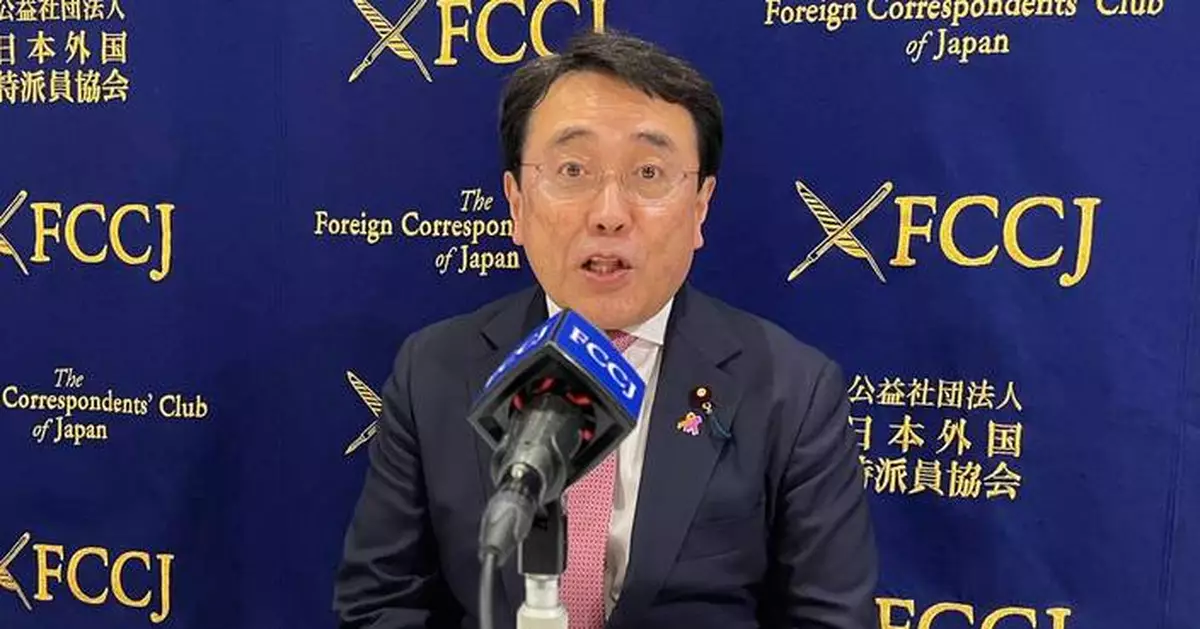
TOKYO (AP) — Japan’s chief trade negotiator has defended a tariffs deal with the U.S., expressing respect for President Donald Trump and calling him a “tough negotiator.”
Trade envoy Ryosei Akazawa noted that the pact setting on most Japanese exports to the U.S. at 15% was comparable to a deal between Washington and the European Union. Unlike the EU, Japan did not have to lower its tariffs on U.S. goods, he noted.
Japan has also committed to investing $550 billion in U.S. projects.
Trump initially set Japan’s tariff rate to increase by 25%.
Critics in Japan had ridiculed Akazawa's repeated trips to the U.S. to work toward a deal as a waste of taxpayer money, saying he should pitch a tent on the White House lawn.
Akazawa said talks with his counterpart, U.S. Commerce Secretary Howard Lutnick, Trump and others in his administration were tense at first. By the time of his eighth trip, a rapport was established enabling the two sides to set an agreement by July.
“President Trump was a tough negotiator, but I kept insisting, and he would listen graciously. I have all the respect for him,” he told reporters at the Foreign Correspondents’ Club of Japan. “It was a good round of negotiations.”
“It goes without saying that, with any government negotiations, there will always be someone who says Japan lost out, no matter what,” Akazawa said.
The double-digit tariffs Trump has imposed on imports from various nations were a bitter blow to Japan, a key U.S. ally in Asia. Tokyo especially objected to 25% tariffs Trump ordered for imports of steel and aluminum and automobiles.
Japan’s economy depends heavily on exports. Shipments to the United States sank nearly 14% in August compared to a year earlier, the fifth straight month of declines, as auto exports were dented by the tariffs.
U.S. tariffs on Japanese automobiles and auto parts are now set at 15%, way higher than the original 2.5%. Japanese automakers also produce many of the vehicles they sell in the U.S. in North America.
The friction with the U.S. over tariffs was an added burden for Prime Minister Shigeru Ishiba's administration. He is due to be replaced as leader of the ruling Liberal Democratic Party later this week.
The Liberal Democrats have ruled Japan almost continuously since the 1950s but they have lost their majority in the lower house, which chooses the prime minister, and will need coalition partners.
Akazawa brushed off concerns the U.S. understanding of the deal may differ from Japan’s. He said whoever becomes a next prime minister, Japan has an established tradition of respecting agreements, especially those forged with a foreign country.
Yuri Kageyama is on Threads: https://www.threads.com/@yurikageyama
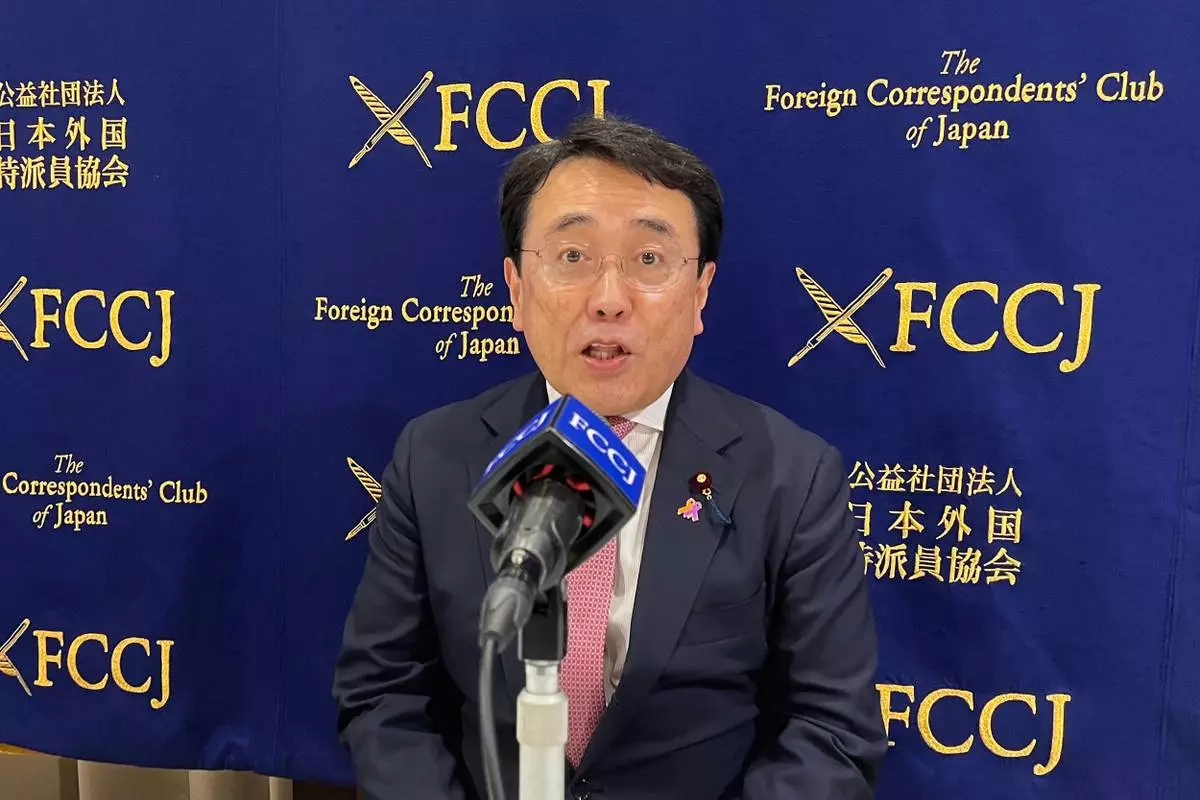
Japan’s top negotiator on President Donald Trump’s tariffs, Economic and Fiscal Policy Minister Ryosei Akazawa speaks to reporters at the Foreign Correspondents’ Club of Japan, in Tokyo Wednesday, Oct. 1, 2025. (AP Photo/Yuri Kageyama)
NEW YORK (AP) — Thursday was the final day to select an Affordable Care Act health insurance plan across much of the country, as the expiration of federal subsidies drives up health costs and lawmakers remain locked in a debate over how to address the issue.
That's when the open enrollment window ends in most states for plans that start in February. About 10 states that run their own marketplaces have later deadlines, or have extended them to the end of the month to give their residents more time.
The date is a crucial one for millions of small business owners, gig workers, farmers, ranchers and others who don't get their health insurance from a job and therefore rely on marketplace plans. A record 24 million Americans purchased Affordable Care Act health plans last year.
But this year, their decisions over health coverage have been more difficult than usual as clarity over how much it will cost is hard to come by. And so far, enrollment is lagging behind last year's numbers — with about 22.8 million Americans having signed up so far, according to federal data.
Last year, for months, it was unclear whether Congress would allow for the end-of-year expiration of COVID-era expanded subsidies that had offset costs for more than 90% of enrollees. Democrats forced a record-long government shutdown over the issue, but still couldn't get a deal done. So the subsidies expired Jan. 1, leaving the average subsidized enrollee with more than double the monthly premium costs for 2026, according to an analysis from the health care nonprofit KFF.
Still, the question of whether Congress would resurrect the tax credits loomed over Washington. Several enrollees told The Associated Press they have either delayed signing up for coverage or signed up with a plan to cancel as they anxiously watch what's happening on Capitol Hill.
Last week, the House passed a three-year extension of the subsidies after 17 Republicans joined with Democrats against the wishes of Republican leaders. But the Senate rejected a similar bill last year.
Sen. Bernie Moreno, R-Ohio, has been leading a bipartisan group of 12 senators trying to devise a compromise and said this week that he expects to have a proposal by the end of the month. The contours of the senators’ bipartisan plan involves a two-year deal that would extend the enhanced subsidies while adding new limits on who can receive them. The proposal would also create the option, in the second year, of a new health savings account that President Donald Trump and Republicans prefer.
Under the deal being discussed, the ACA open enrollment period would be extended to March 1 of this year to allow people more time to figure out their coverage plans after the disruption.
Still, Republicans and Democrats say they have not completed the plan, and the two sides have yet to agree if there should be new limits on whether states can use separate funds for abortion coverage.
President Donald Trump on Thursday announced outlines of a plan he wants Congress to consider that would. It would, among other things, redirect ACA subsidies into health savings accounts that go directly to consumers. Democrats have largely rebuffed this idea as inadequate for offsetting health costs for most people.
Associated Press writers Mary Clare Jalonick and Lisa Mascaro contributed from Washington.
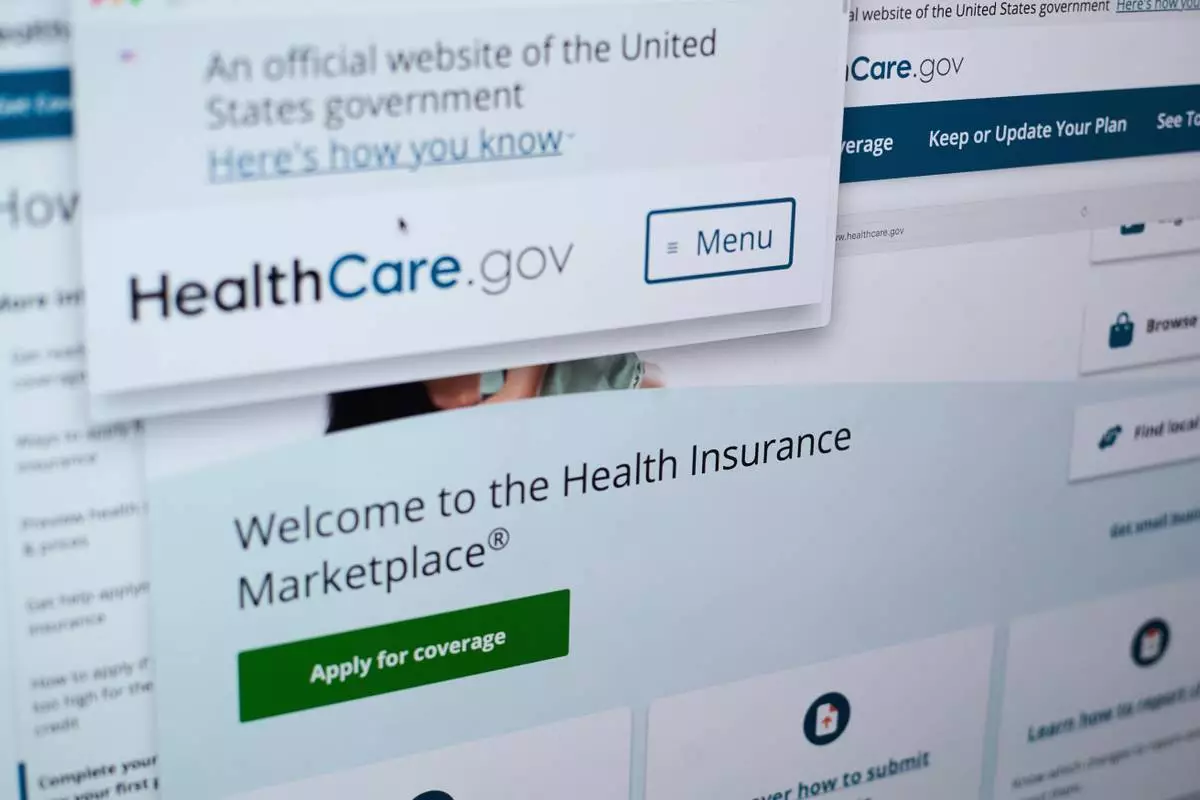
FILE - Pages from the U.S. Affordable Care Act health insurance website healthcare.gov are seen on a computer screen in New York, Aug. 19, 2025. (AP Photo/Patrick Sison, File)