Search and rescue efforts for the 6.9-magnitude earthquake that struck Cebu province in the central Philippines on Tuesday has ended, the Philippine National Police (PNP) announced on 13:00 on Thursday, saying that now the focus has been shifted onto post-earthquake relief and rehabilitation.
The powerful earthquake has so far killed 73 people, with over 200 others injured.
Along the road to Bogo City, the hardest-hit area, many residents who have not received relief supplies stand along the road, holding signs reading "We need food and water," asking passersby for help.
"We don't have food to eat, and we also need some money for our baby, milk, diapers, anything, water. We really need water," said Joan Jurado, a local resident.
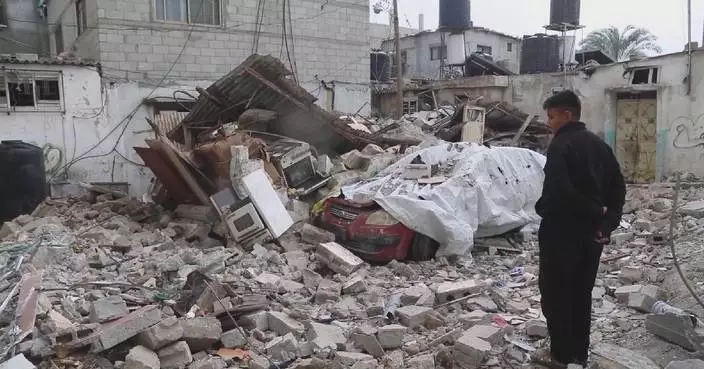
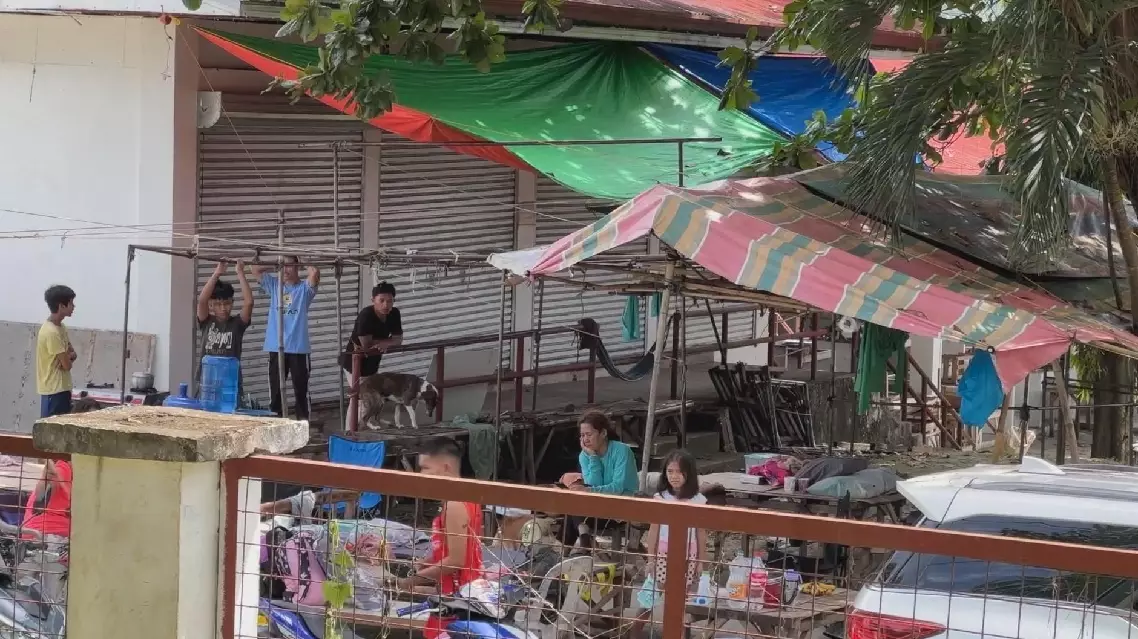
For fear of aftershocks, residents are staying in open fields. In Bogo City, cracked roads are under repair. Buildings destroyed by the earthquake have left piles of debris across the city. Safety cordons have been set up in many places to keep people away from unstable structures.
"We still have aftershocks that are considerably strong. So we are here, the Bureau of Fire Protection, trying to secure to remind the people that's still not safe, especially those who are also owners of this establishment. We understand that they're trying to get also their things, their belongings. And we're just reminding them and also the public that are trying to pass by this area," said Sinsp Cerfranz Boniel, an officer from the Philippine Bureau of Fire Protection.
With major roads gradually being cleared, relief teams and supplies from across the country are now arriving in the disaster zone. However, there is still a shortage of tents, food and clean drinking water, and authorities say they will step up efforts to meet the urgent needs of affected residents.

Philippines ends earthquake rescue, prioritizes rehabilitation
Philippines ends earthquake rescue, prioritizes rehabilitation