The Chinese People's Liberation Army (PLA) Navy's 83rd taskforce, composed of the ships Qi Jiguang and Yimengshan, concluded its visit to China's Hong Kong Special Administrative Region on Friday, embarking on its voyage to Cambodia, Thailand and Singapore.
With all pre-departure preparations completed at 08:00, a farewell ceremony for the ships was held by the PLA Hong Kong Garrison in the Ngong Shuen Chau Barracks at around 10:00, with the crew waving farewell to the shore.
After the ceremony, the two ships departed from the barracks, with local residents gathering along the Victoria Harbor shoreline to see them off.
The ships Qi Jiguang and Yimengshan began their first visit to the Hong Kong on Tuesday morning. During their stay in Hong Kong, a series of naval-themed open ship activities for the public were held aboard from Tuesday to Thursday.
It has been the second visit by a PLA Navy ship formation to Hong Kong so far this year, following the open event of the navy's aircraft carrier Shandong in July.
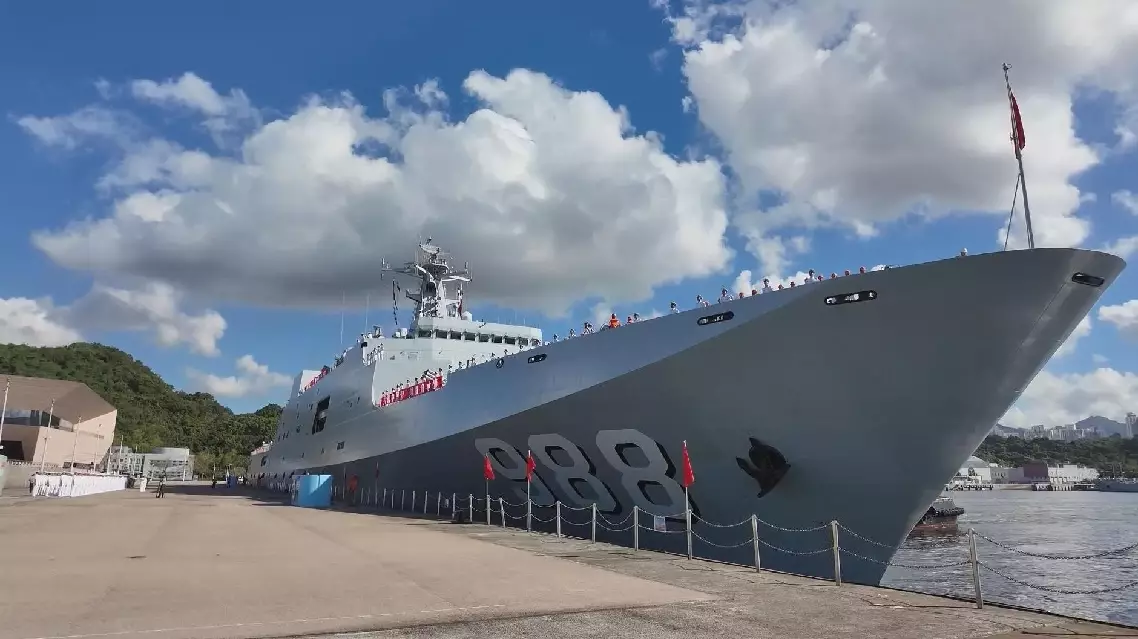
PLA Navy ships depart Hong Kong after concluding open day events
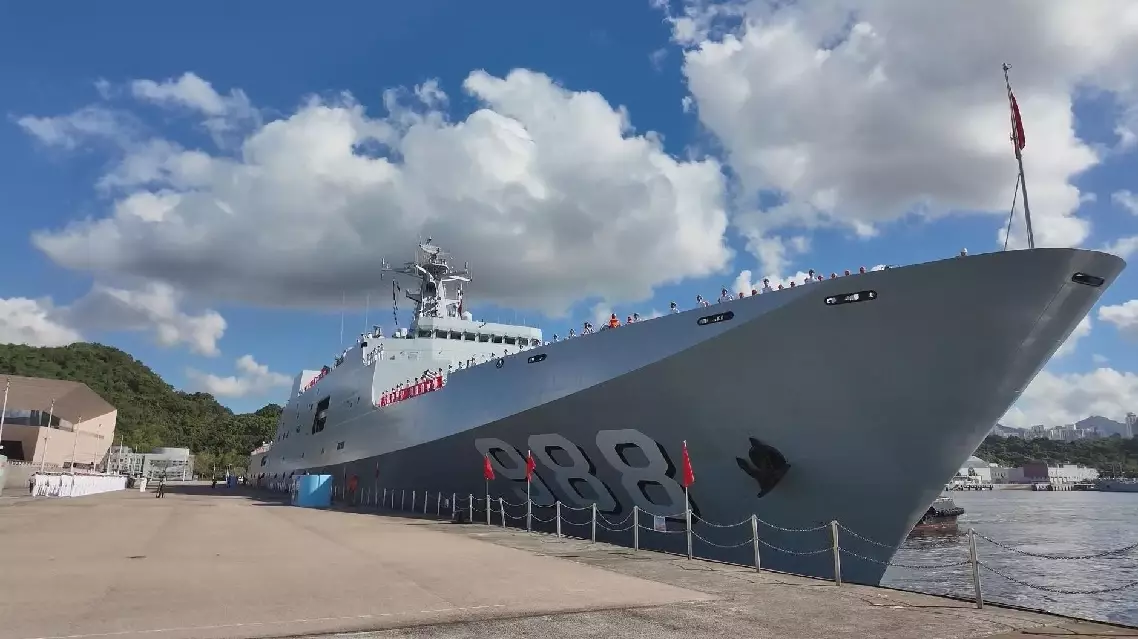
PLA Navy ships depart Hong Kong after concluding open day events
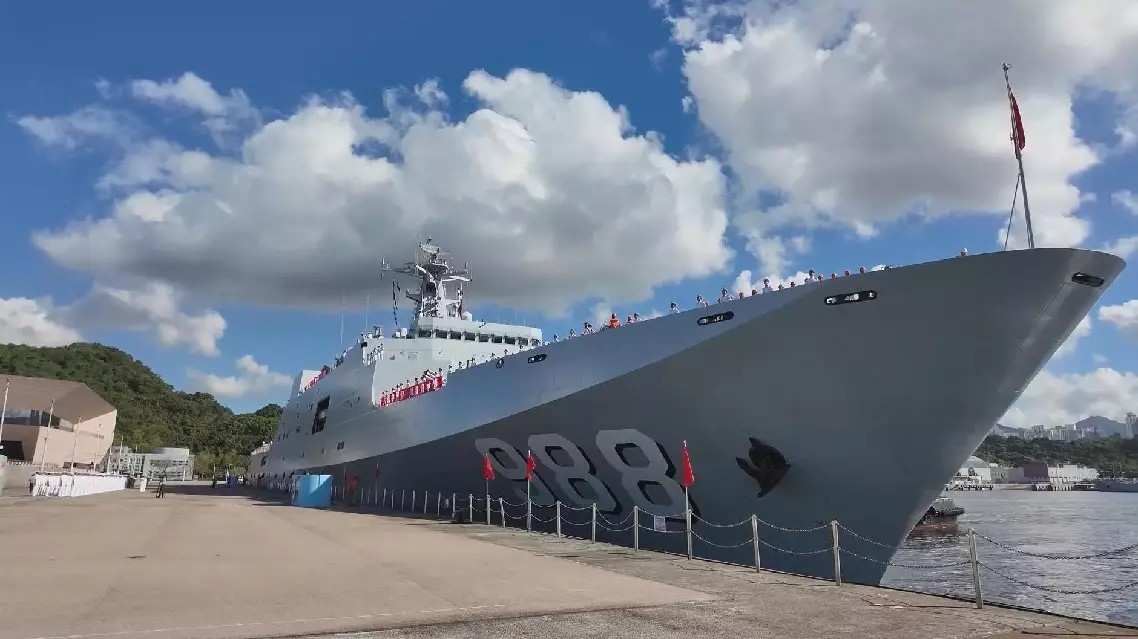
PLA Navy ships depart Hong Kong after concluding open day events
Ghanaian President John Dramani Mahama has hailed the growing educational and cultural exchanges his country is enjoying with China, highlighting the role of Confucius Institutes and Chinese-funded infrastructure in building a stronger skilled workforce.
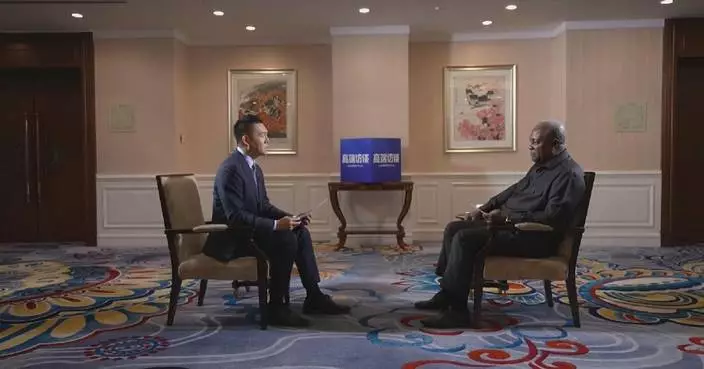
Mahama was speaking in an exclusive interview with the China Media Group (CMG) which aired on Friday. The Ghanaian President visited Beijing back in October to attend the Global Leaders' Meeting on Women, and also met with Chinese President Xi Jinping during his trip, with both leaders stressing the long history of friendship between the two nations.
In the CMG interview, Mahama said that the three Confucius Institutes established in the cities of Accra, Kumasi and Cape Coast are helping to cement exchanges and open up new opportunities for young people, noting that the enthusiasm for learning Chinese is rapidly spreading across Ghana, reflecting a broader cultural and educational engagement between the two sides.
"[When students return from training programs in China,] they come back with the skills that they acquired in China. And there's a good colony of Chinese speakers. And so it's interesting, when Chinese companies come in and establish industries, sometimes they don't need to bring Chinese people to Ghana, they find a pool of Ghanaians who are qualified and can speak Chinese. So it makes it very easy for them to employ them and be able to carry out their work," Mahama said.
He also drew attention to China's contribution to Ghana's higher education sector, singling out the University of Health and Allied Sciences (UHAS) in the Volta Region, which is helping nurture a new generation of medical professionals.
"The campus of the University of Health and Allied Sciences, that's training a lot of doctors, paramedics and other specialists. [It] was funded by China and that is one of our public universities that has a good reputation and is performing very well. And that was based on friendship," Mahama said.
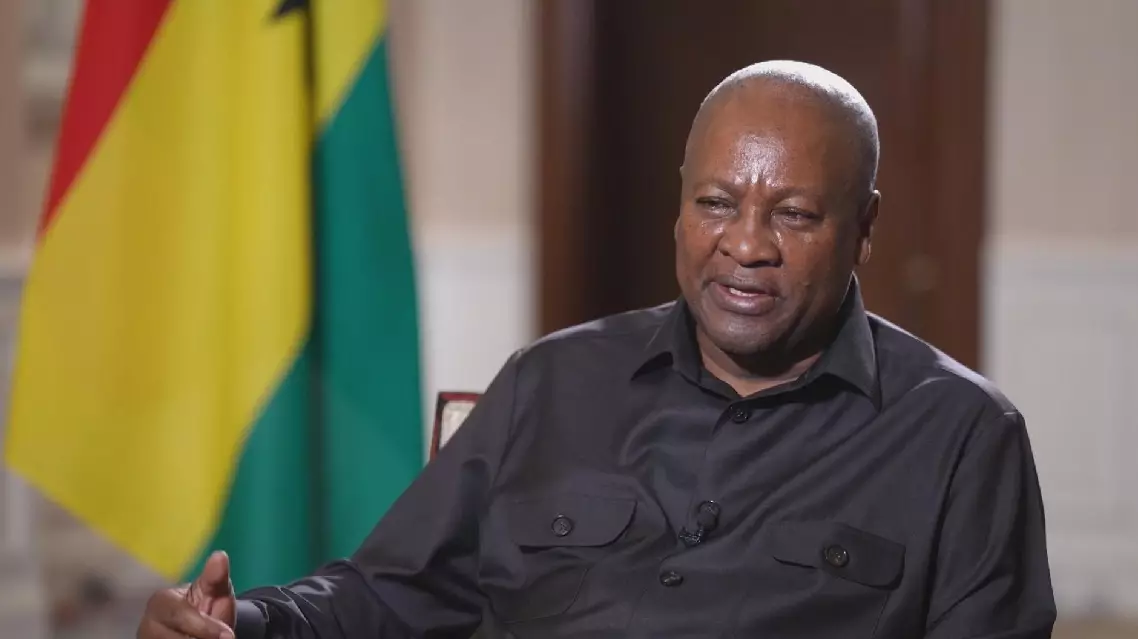
Ghanaian president hails deepening cultural, educational exchanges with China