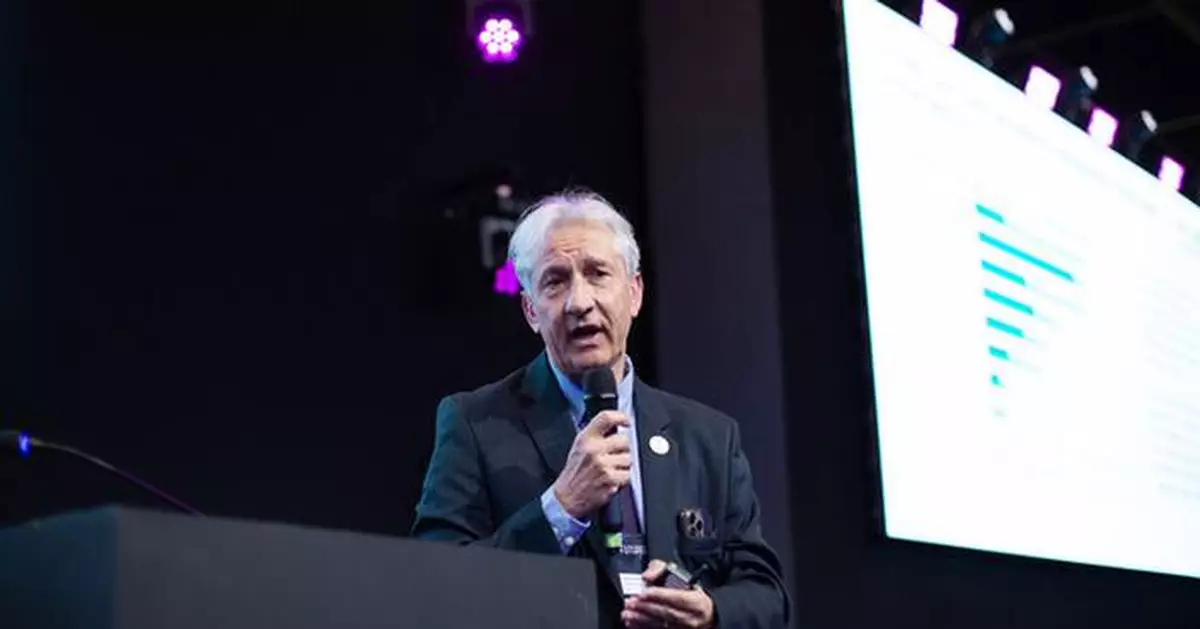
WUHAN, China, Oct. 3, 2025 /PRNewswire/ -- The Broadband Development Congress (BDC) São Paulo 2025, organized by the World Broadband Association (WBBA) and with sponsorship from Yangtze Optical Fibre and Cable Joint Stock Limited Company (YOFC), was successfully held on October 1. Reinaldo Jeronymo, General Manager for YOFC South LATAM, joined industry leaders at the event and delivered a keynote address titled "AI-Driven Fibre Network: Unlocking Smarter Growth for LATAM." In his speech, he elaborated on how YOFC is deploying advanced optical communications technologies in the era of artificial intelligence to build out AI-ready infrastructure, close the digital divide, and drive sustainable growth across Latin America.
In recent years, as demand for reliable, high-speed connectivity continues to grow, the expansion of Latin America's optical fibre networks has been instrumental in advancing digital transformation and enabling AI-driven applications. However, challenges such as complex geography, harsh rainforest conditions, significant investment requirements, and technology gaps remain key barriers to universal connectivity—limiting access to the full benefits of the region's digital economy.
Guided by its mission to "Smart Link Better Life," YOFC continues to push the boundaries of optical fibre innovation. By introducing next-generation products and solutions tailored to diverse deployment scenarios, the company is helping service providers and network operators overcome local challenges and accelerate the region's digital and intelligent evolution. Through strategic investments and forward-looking R&D, YOFC is delivering cutting-edge technologies—including G.654.E optical fibre, multi-core optical fibre, advanced multimode optical fibre, and hollow-core optical fibre—to build ultra-high speed networks with large capacity, ultra-low latency, and minimal signal loss. These technologies support applications ranging from long-haul transport networks to hyperscale data center interconnects. Among these, hollow-core optical fibre—recognized as a disruptive breakthrough in optical communication—guides light through an air core, achieving transmission speeds up to 47% faster and reducing latency by approximately 31% compared to traditional solid-core fibre. The technology is already showing strong potential in AI computing center interconnects, financial trading environments, and large-scale AI model training and inference.
Reinaldo emphasized that across Latin America, YOFC is partnering closely with major telecom operators and ecosystem partners to deliver world-class products, solutions, and technical expertise aimed at narrowing the connectivity gap. "In Mexico, YOFC is actively contributing to high-speed broadband rollout and FTTH upgrades," Reinaldo noted. "The FTTH initiative involves the deployment of approximately 150,000 kilometers of optical cable by 2028, reaching about 20 million households." He added, "In Peru, YOFC is supporting the national broadband initiative—extending high-capacity infrastructure to schools, hospitals, police stations, and remote communities. The project includes the installation of more than 8,000 kilometers of optical cable across over 4,000 locations, significantly enhancing broadband coverage and stimulating local economic growth."
"As artificial intelligence continues to transform every industry, YOFC remains focused on innovation as a catalyst for progress," Reinaldo concluded. "We are committed to delivering high-performance, reliable, and scalable optical fibre technologies that empower Latin America's connected future. When AI meets fibre, LATAM unlocks infinite possibilities."
** The press release content is from PR Newswire. Bastille Post is not involved in its creation. **
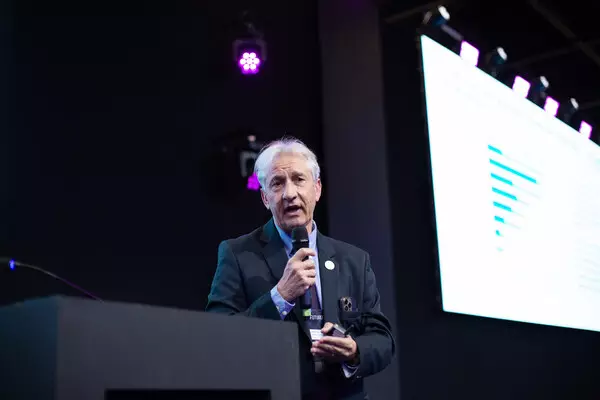
BDC 2025 | Reinaldo Jeronymo, General Manager of YOFC South LATAM: AI-Powered Optical Fibre Network Driving Smarter Growth for Latin America
|
Agreement Calls for Over 100,000 tonnes of Carbon Dioxide Removal (CDR) across 3 Years
GURUGRAM, India, Jan. 15, 2026 /PRNewswire/ -- Varaha, a leading developer of carbon dioxide removal (CDR) projects with smallholder farmers across Asia, today announced a major offtake agreement with Microsoft for biochar carbon removal in India.
Varaha will develop 18 industrial gasification reactors that will operate for 15 years, with a total projected removal volume exceeding 2 million tonnes of CO₂ over the project's lifetime.
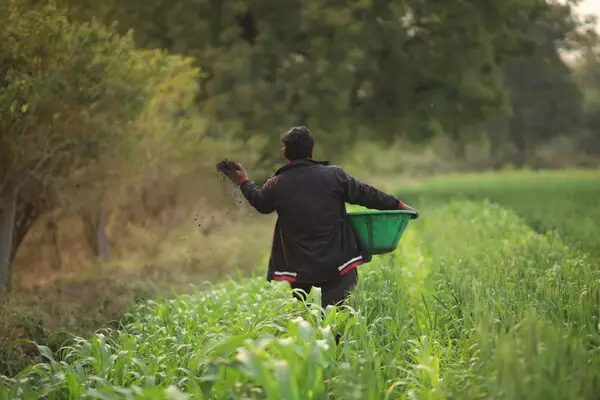
The project sources cotton stalks from smallholder farms in Maharashtra, India for use as the feedstock for biochar production. After harvest, these stalks are treated as waste biomass, and open-field burning is a common practice across the region's cotton belt. This project provides an alternative use for the stalks, converting them into biochar through Varaha's biomass gasification facilities and sequestering biogenic carbon for centuries.
Delivering Local Impact
Varaha's biochar project also delivers measurable benefits for farmers and communities:
- Improvement in Air Quality: The project mitigates the widespread burning of cotton crop residue, significantly reducing PM 2.5 pollutants that contribute to poor air quality. By providing an economically viable alternative to field burning, the initiative tackles a major source of seasonal air pollution.
- Promotion of Regenerative Agriculture: Farmers participating in the program adopt regenerative practices like crop residue mulching and biochar application to soils, improving soil health, water retention, and long-term agricultural productivity.
- Lifting Farmer Livelihoods: The program directly enhances the livelihoods of thousands of smallholder farmers, who receive payment both for contributing agricultural biomass and for implementing crop residue incorporation practices.
"This agreement demonstrates that high-integrity carbon removal can drive transformative co-benefits for communities and ecosystems," said Madhur Jain, Varaha CEO. "We're not just removing carbon—we're creating economic incentives for farmers to mitigate open burning of crop residues."
The project's first reactor will operate alongside Varaha's 52-acre cotton research farm in Maharashtra, where Varaha works directly with farmers to test sustainable practices, including soil application of biochar, under real-world conditions. With up to 18 total reactors funded across India's cotton belt through Microsoft's commitment, the focus remains clear: scaling quickly while putting farmers first.
Setting New Standards for Asian Carbon Markets
The agreement signals growing recognition of the region's potential for high-quality carbon removal projects. Biochar offers permanent carbon storage on geological timescales while supporting agricultural systems, making it one of the most promising pathways for durable carbon dioxide removal.
"This offtake agreement broadens the diversity of Microsoft's carbon removal portfolio with Varaha's biochar project design that is both scalable and durable. It represents a step forward in scaling biochar CDR growth in Asia and advancing co-benefits for farmers—improved soils, cleaner air, and shared economic opportunity," said Phil Goodman, program director, CDR at Microsoft.
The credits generated through the Varaha program meet rigorous standards for measurement, reporting, and verification, ensuring that each tonne represents genuine, permanent carbon removal.
About Varaha
Varaha is a leading developer of carbon dioxide removal (CDR) projects in Asia, with a mission of scaling smallholder farmer-led climate solutions to remove carbon from the atmosphere and strengthen rural livelihoods. Specializing in regenerative agriculture, agroforestry, biochar, and enhanced rock weathering projects across South Asia, Varaha has pioneered a technology- and science-driven approach to carbon project development since its founding in 2022. Varaha is headquartered in Gurugram, India, and operates 20 carbon projects across India, Nepal, and Bangladesh.
Agreement Calls for Over 100,000 tonnes of Carbon Dioxide Removal (CDR) across 3 Years
GURUGRAM, India, Jan. 15, 2026 /PRNewswire/ -- Varaha, a leading developer of carbon dioxide removal (CDR) projects with smallholder farmers across Asia, today announced a major offtake agreement with Microsoft for biochar carbon removal in India.
Varaha will develop 18 industrial gasification reactors that will operate for 15 years, with a total projected removal volume exceeding 2 million tonnes of CO₂ over the project's lifetime.
The project sources cotton stalks from smallholder farms in Maharashtra, India for use as the feedstock for biochar production. After harvest, these stalks are treated as waste biomass, and open-field burning is a common practice across the region's cotton belt. This project provides an alternative use for the stalks, converting them into biochar through Varaha's biomass gasification facilities and sequestering biogenic carbon for centuries.
Delivering Local Impact
Varaha's biochar project also delivers measurable benefits for farmers and communities:
- Improvement in Air Quality: The project mitigates the widespread burning of cotton crop residue, significantly reducing PM 2.5 pollutants that contribute to poor air quality. By providing an economically viable alternative to field burning, the initiative tackles a major source of seasonal air pollution.
- Promotion of Regenerative Agriculture: Farmers participating in the program adopt regenerative practices like crop residue mulching and biochar application to soils, improving soil health, water retention, and long-term agricultural productivity.
- Lifting Farmer Livelihoods: The program directly enhances the livelihoods of thousands of smallholder farmers, who receive payment both for contributing agricultural biomass and for implementing crop residue incorporation practices.
"This agreement demonstrates that high-integrity carbon removal can drive transformative co-benefits for communities and ecosystems," said Madhur Jain, Varaha CEO. "We're not just removing carbon—we're creating economic incentives for farmers to mitigate open burning of crop residues."
The project's first reactor will operate alongside Varaha's 52-acre cotton research farm in Maharashtra, where Varaha works directly with farmers to test sustainable practices, including soil application of biochar, under real-world conditions. With up to 18 total reactors funded across India's cotton belt through Microsoft's commitment, the focus remains clear: scaling quickly while putting farmers first.
Setting New Standards for Asian Carbon Markets
The agreement signals growing recognition of the region's potential for high-quality carbon removal projects. Biochar offers permanent carbon storage on geological timescales while supporting agricultural systems, making it one of the most promising pathways for durable carbon dioxide removal.
"This offtake agreement broadens the diversity of Microsoft's carbon removal portfolio with Varaha's biochar project design that is both scalable and durable. It represents a step forward in scaling biochar CDR growth in Asia and advancing co-benefits for farmers—improved soils, cleaner air, and shared economic opportunity," said Phil Goodman, program director, CDR at Microsoft.
The credits generated through the Varaha program meet rigorous standards for measurement, reporting, and verification, ensuring that each tonne represents genuine, permanent carbon removal.
About Varaha
Varaha is a leading developer of carbon dioxide removal (CDR) projects in Asia, with a mission of scaling smallholder farmer-led climate solutions to remove carbon from the atmosphere and strengthen rural livelihoods. Specializing in regenerative agriculture, agroforestry, biochar, and enhanced rock weathering projects across South Asia, Varaha has pioneered a technology- and science-driven approach to carbon project development since its founding in 2022. Varaha is headquartered in Gurugram, India, and operates 20 carbon projects across India, Nepal, and Bangladesh.
** The press release content is from PR Newswire. Bastille Post is not involved in its creation. **
Varaha Signs Carbon Removal Agreement with Microsoft