TORONTO--(BUSINESS WIRE)--Oct 7, 2025--
Nextdoor Holdings, Inc. (NYSE: NXDR), the essential neighbourhood network, today announced the return of its annual Treat Map, a trusted tool that helps Canadian families celebrate Halloween safely. For the sixth consecutive year, this beloved interactive guide helps neighbours connect to the best of their neighbourhood during Halloween. The Treat Map is the go-to tool for finding the most festive homes, securing trick-or-treat routes, and connecting with trusted households, all while keeping the spirit of the season alive.
This press release features multimedia. View the full release here: https://www.businesswire.com/news/home/20251007635971/en/
From now through October 31, neighbours can place a pin on the Treat Map to share their plans, signalling whether they will be handing out treats or showcasing spooktacular decorations. To help trick-or-treaters plan their perfect night, neighbours can add photos and notes to their pins, sharing details like candy offerings (including king-sized bars!), allergy-friendly treat options, or neighbours working together to create safety zones.
A new survey by Nextdoor and Angus Reid reveals that nearly 6 in 10 Canadians want additional safety measures during Halloween, with road safety (63%) and safety around other people (36%) topping the list of concerns.
More findings include:
With road safety top of mind for Canadians this Halloween, neighbours can turn to Nextdoor’s new Alerts map, which provides real-time updates on crime, closures, and other community safety information to help ensure a secure night of trick-or-treating.
“The Treat Map is about more than finding candy — it’s also about giving families peace of mind,” said Kelsey Grady, Chief Global Communications Officer at Nextdoor. “Halloween should be safe, fun, and easy to plan. With parents telling us their biggest concerns are road safety and community supervision, the Treat Map helps communities come together to create safer routes, highlight allergy-friendly homes, and make sure every child can enjoy the night without worry.”
Neighbours can find the Treat Map by visiting nextdoor.ca/treat_map
About Nextdoor:
Nextdoor is the essential neighbourhood network for over 100 million neighbours, offering trusted local news, real-time safety alerts, neighbour recommendations, for sale and free listings, and events. Nextdoor connects neighbours to the conversations and local gems that matter most in their local communities. Businesses, publishers, and public agencies use Nextdoor to engage with neighbours at scale.
Methodology:
These findings are from a survey conducted by Nextdoor Canada from September 23rd to September 25th, 2025, among a representative sample of 1501 online adult Canadians who are members of the Angus Reid Forum. The survey was conducted in English and French. For comparison purposes only, a probability sample of this size would carry a margin of error of +/-2.53 percentage points, 19 times out of 20.

Nextdoor's Treat Map guides neighbours in planning the perfect trick-or-treat route this Halloween
NEW YORK (AP) — Thursday was the final day to select an Affordable Care Act health insurance plan across much of the country, as the expiration of federal subsidies drives up health costs and lawmakers remain locked in a debate over how to address the issue.
That's when the open enrollment window ends in most states for plans that start in February. About 10 states that run their own marketplaces have later deadlines, or have extended them to the end of the month to give their residents more time.
The date is a crucial one for millions of small business owners, gig workers, farmers, ranchers and others who don't get their health insurance from a job and therefore rely on marketplace plans. A record 24 million Americans purchased Affordable Care Act health plans last year.
But this year, their decisions over health coverage have been more difficult than usual as clarity over how much it will cost is hard to come by. And so far, enrollment is lagging behind last year's numbers — with about 22.8 million Americans having signed up so far, according to federal data.
Last year, for months, it was unclear whether Congress would allow for the end-of-year expiration of COVID-era expanded subsidies that had offset costs for more than 90% of enrollees. Democrats forced a record-long government shutdown over the issue, but still couldn't get a deal done. So the subsidies expired Jan. 1, leaving the average subsidized enrollee with more than double the monthly premium costs for 2026, according to an analysis from the health care nonprofit KFF.
Still, the question of whether Congress would resurrect the tax credits loomed over Washington. Several enrollees told The Associated Press they have either delayed signing up for coverage or signed up with a plan to cancel as they anxiously watch what's happening on Capitol Hill.
Last week, the House passed a three-year extension of the subsidies after 17 Republicans joined with Democrats against the wishes of Republican leaders. But the Senate rejected a similar bill last year.
Sen. Bernie Moreno, R-Ohio, has been leading a bipartisan group of 12 senators trying to devise a compromise and said this week that he expects to have a proposal by the end of the month. The contours of the senators’ bipartisan plan involves a two-year deal that would extend the enhanced subsidies while adding new limits on who can receive them. The proposal would also create the option, in the second year, of a new health savings account that President Donald Trump and Republicans prefer.
Under the deal being discussed, the ACA open enrollment period would be extended to March 1 of this year to allow people more time to figure out their coverage plans after the disruption.
Still, Republicans and Democrats say they have not completed the plan, and the two sides have yet to agree if there should be new limits on whether states can use separate funds for abortion coverage.
President Donald Trump on Thursday announced outlines of a plan he wants Congress to consider that would. It would, among other things, redirect ACA subsidies into health savings accounts that go directly to consumers. Democrats have largely rebuffed this idea as inadequate for offsetting health costs for most people.
Associated Press writers Mary Clare Jalonick and Lisa Mascaro contributed from Washington.
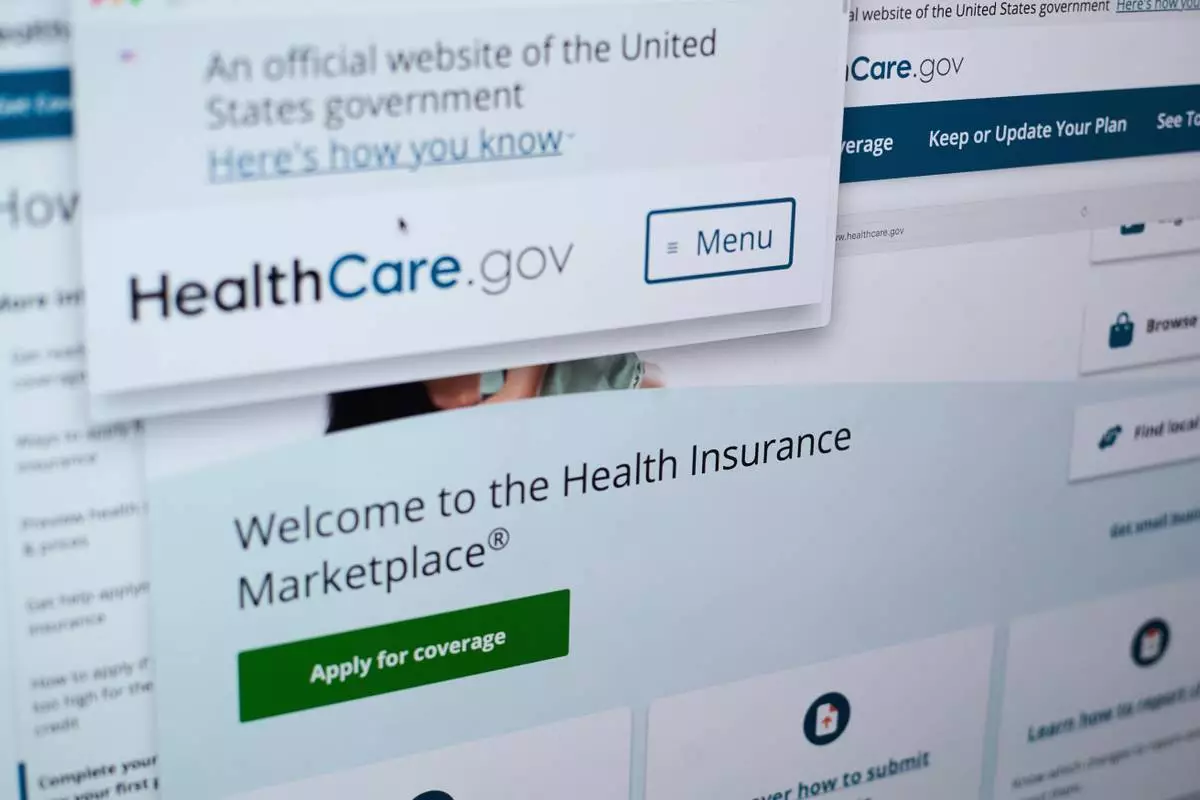
FILE - Pages from the U.S. Affordable Care Act health insurance website healthcare.gov are seen on a computer screen in New York, Aug. 19, 2025. (AP Photo/Patrick Sison, File)