A strong cold front has swept across northern China over recent days, bringing the first snowfall of autumn to several regions along with sleet, lower temperatures, and frost.
Local authorities have taken active measures to minimize the weather's impact on transportation and daily life.
Snowfall began on Monday afternoon in the Tianshan Mountain areas of northwest China's Xinjiang Uygur Autonomous Region.
In Hejing County, heavy snow and strong winds led to severe road icing and whiteout conditions, resulting in the temporary closure of a 30-kilometer section of National Highway 218. Local police promptly implemented traffic controls, and confirmed that no vehicles were stranded in affected areas.
At Xinjiang's Sayram Lake scenic area, snow started falling at 16:00 Monday. According to the Xinjiang Meteorological Observatory, the snowfall in the Tianshan Mountain areas is expected to gradually taper off by Wednesday.
The region's capital Urumqi City witnessed the first snowfall of the season at 06:00 Wednesday. By 09:30, temperatures had dropped to minus 0.5 degrees Celsius, the first sub-zero reading this season.
In response, Urumqi traffic police has activated emergency measures to ensure smooth flow on major roads, while heating providers elevated output parameters to ensure household warmth.
Meanwhile, Mudanjiang City in northeast China's Heilongjiang Province also saw the season's first snowfall on Wednesday. Light accumulation dusted rooftops in Linkou County's northern highlands, though above-freezing daytime temperatures and sunshine prompted rapid melting.
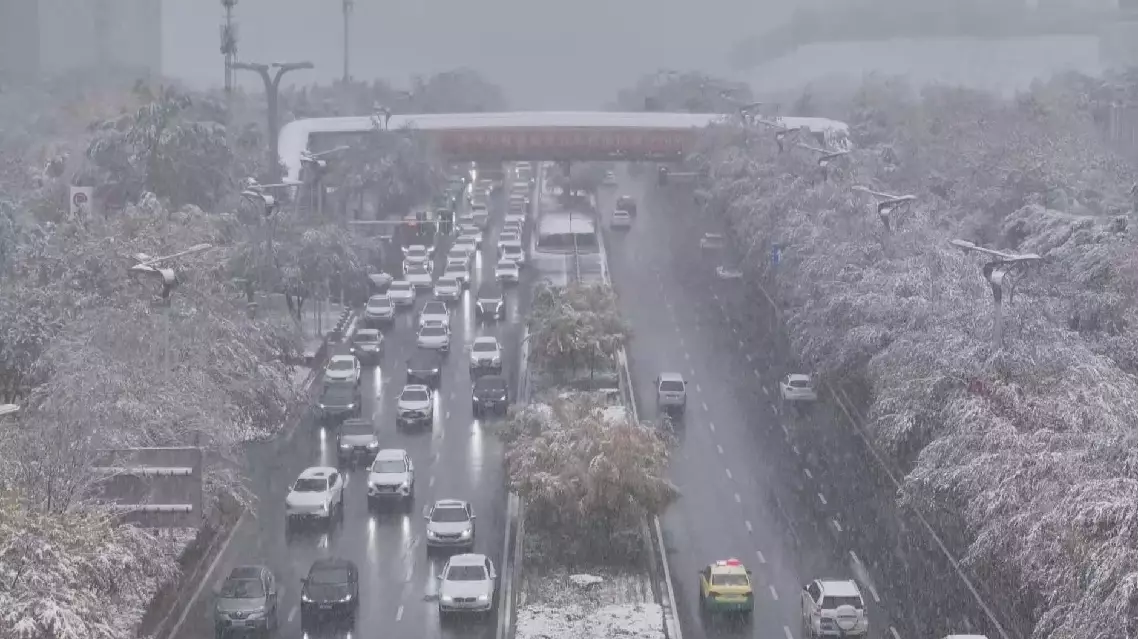
Multiple regions see first snowfall of autumn in China
CEO of Mastercard Michael Miebach, who was part of the U.S. business delegation that accompanied President Donald Trump during his just-concluded state visit to China, has hailed China's commitment to advancing global connectivity and delivering win-win results.
Trump on Friday wrapped up his three-day visit to China at the invitation of Chinese President Xi Jinping, marking the first visit by a U.S. president to China in almost nine years since President Xi hosted Trump in the Chinese capital in November 2017.
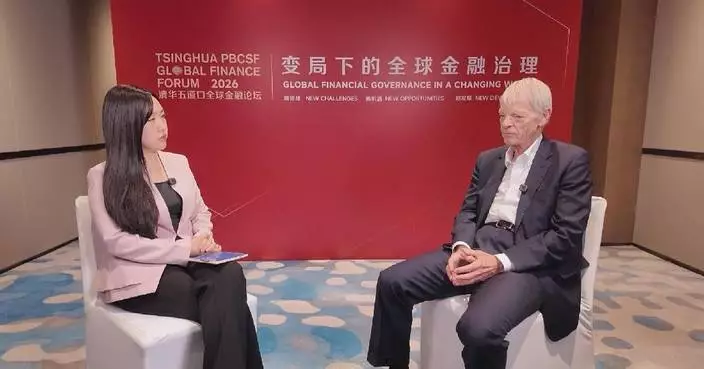
In an exclusive interview with China Global Television Network (CGTN), Miebach shared his views on how China’s continual push for global connectivity resonates positively with people in the United States and beyond.
Mastercard's Chinese joint venture announced the official commencement of its bank card clearing operations in May 2024, issuing Mastercard-branded cards with its member institutions for domestic and international use.
Over the past two years, Miebach said, the company has rolled out more than 200 products and programs tailored to the Chinese market, greatly enhancing convenience for users.
"Before our license was bifurcated, largely, that you either have a card that does something over here and have a local solution. So now you have ultimate choice, ultimate convenience and safety, security, predictable experience everywhere you go. If you're a person that travels a lot or a businessperson, for example, then some business trips really matter. So, it's a pretty unique proposition," the CEO said.
He also recognized China's unfaltering commitment to cooperation and willingness to work with others, saying that these principles make true mutual benefit possible.
"The priority of the Chinese government is strengthening the service sector. It is driving consumption. It is international connectivity. So that point, I just illustrated, it's very firmly on the last one. So, I think we're very well aligned with this joint venture coming together between our Chinese partners, ourselves, and our customers here to really drive what the government is trying to do. It makes a lot of sense for us. It's a true win-win," he said.
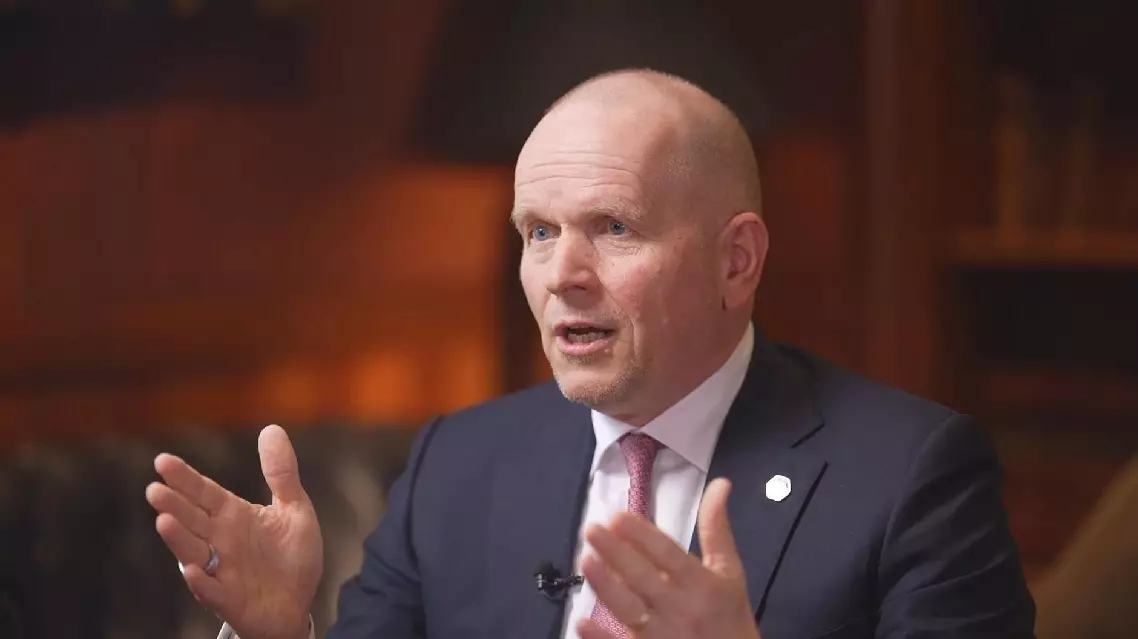
China's push for global connectivity delivers true win-win results: Mastercard CEO