Iran's stock market and related financial instruments resumed trading on Tuesday local time after being shuttered for nearly three months, the country's Securities and Exchange Organization announced.
Iran's securities exchange market has been temporarily closed since February 28, when the U.S.-Israeli war against the country erupted. After an 80-day suspension, the stock market and associated financial instruments trading markets reopened.
Hojatollah Saydi, chair of the Securities and Exchange Organization, said more than 500 companies that were able to submit financial reports were cleared to begin trading on the first day, though the shares of some firms hit by the conflict remain suspended.
More than 40 companies, primarily in the chemical and base metal sectors, have yet to resume trading because of war-related damages.
Citing the lingering effects of the war and rising inflation, Saydi acknowledged the challenging backdrop, but remained optimistic.
"Now situation for economy is complicated because of war effects and also the developing inflation that is higher than last year, of course. But fortunately, companies' financial statements and budgets show that, two thirds of them, conditions are good. So, I'm very optimistic about the market, and I hope that we can have a good market, an efficient market, and also a fruitful market, with higher return for investors and also financial institutions," he said.
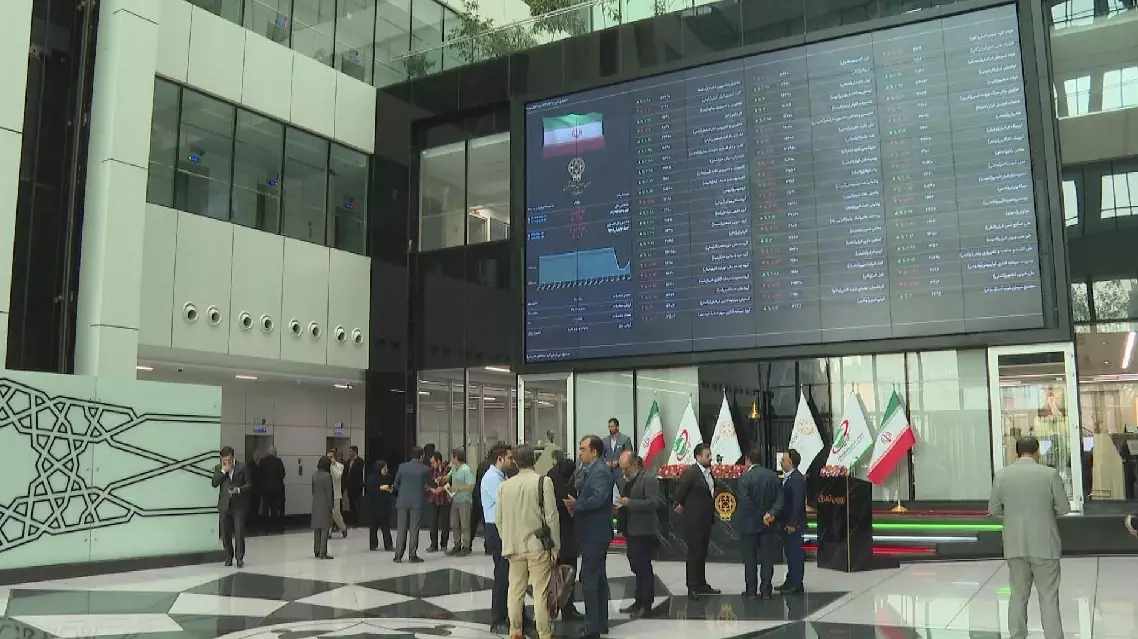
Iran reopens stock market after 80-day suspension since war erupts
Nobel laureate in economics Michael Spence said he views U.S. President Donald Trump's high-profile visit to China last week as beneficial, stressing that a mix of cooperation and competition is the most pragmatic path forward amid ongoing global geopolitical uncertainties.
The 2001 Nobel prize winner shed his light on China-U.S. relations on the sidelines of this year's Tsinghua PBCSF Global Finance Forum held in Chengdu City of southwest China's Sichuan Province with the theme "Global Financial Governance in a Changing World."
Although Spence, an American, has been critical of the U.S. president and the economic uncertainty surrounding his policy decisions, he emphasized that efforts to carry out high-level diplomacy should always be welcome.
"People are starting to say that the Trump administration does things that are either unconventional or on slightly less polite terms. It seems to understand that with China, a big powerful country and economy, you have to deal with that pragmatically. China can't be pushed around," he said.
Trump concluded a three-day state visit to China on Friday. This is the first U.S. presidential visit to China in almost nine years, after President Xi previously hosted Trump in Beijing in November 2017.
During the visit, Trump and Chinese President Xi Jinping held talks on Thursday, agreeing on a new vision for building constructive China-U.S. relations with strategic stability.
The two leaders also engaged in candid, in-depth, constructive and strategic communication on major issues concerning world peace and development, exploring a proper way for the two major countries to coexist and reach a series of consensuses.
For Spence, the historic meeting is positive for the world's largest economies to find out how to get along with each other.
"So less confrontation, more kind of a realistic combination of respect, competition, some element of cooperation and so on. So in that sense, I think the mature view of the meeting is that it was a good thing," he said.
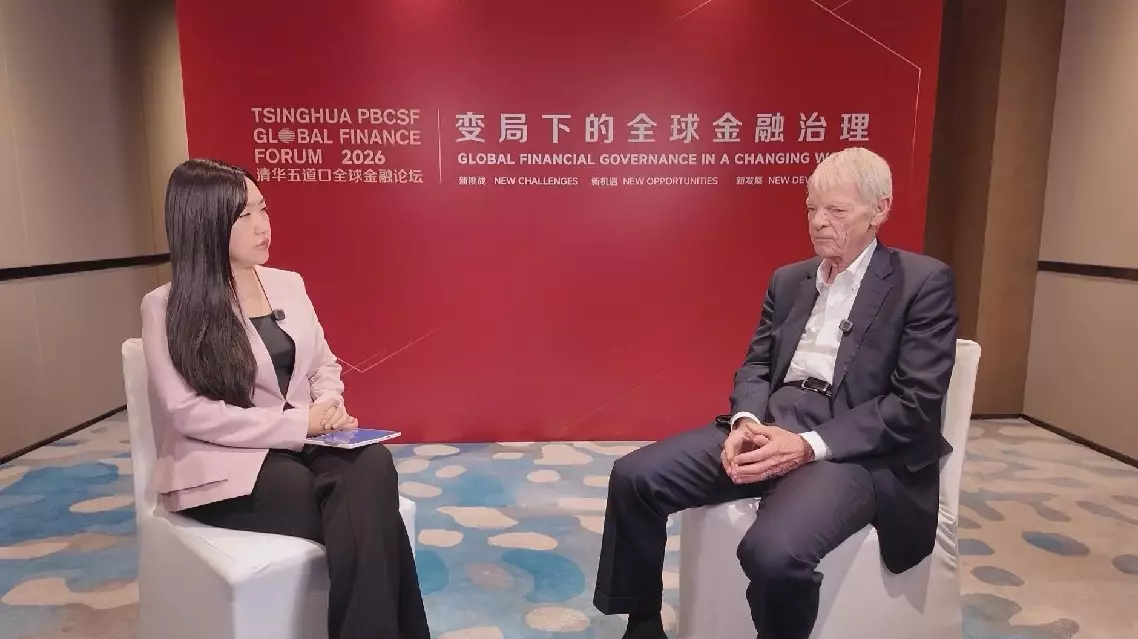
Nobel laureate in economics sees positive movement in Trump's China visit
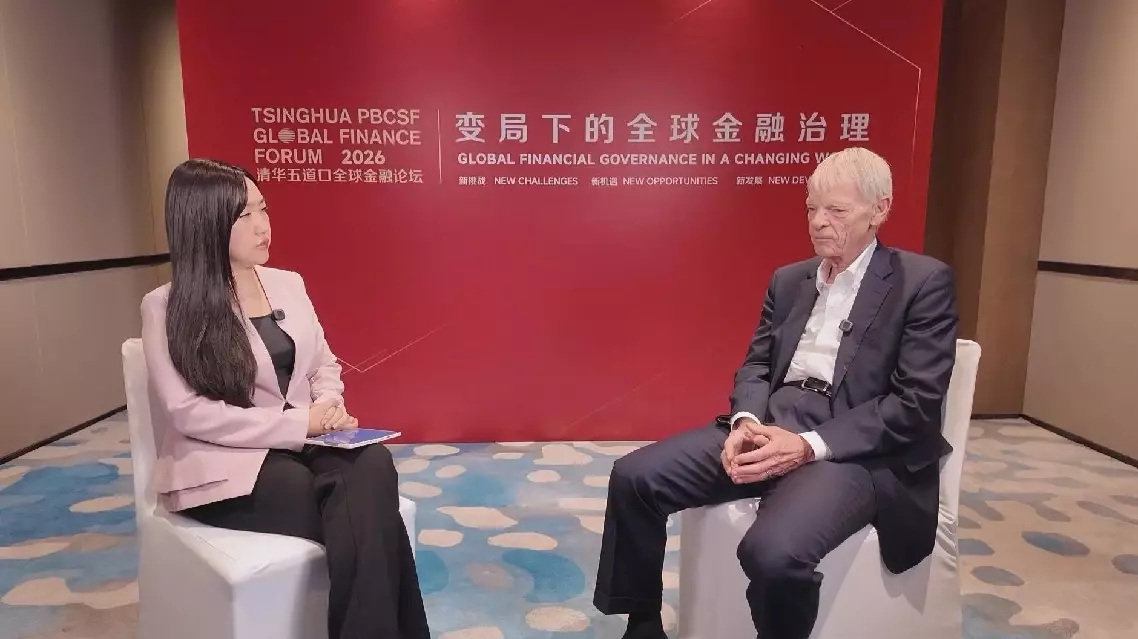
Nobel laureate in economics sees positive movement in Trump's China visit