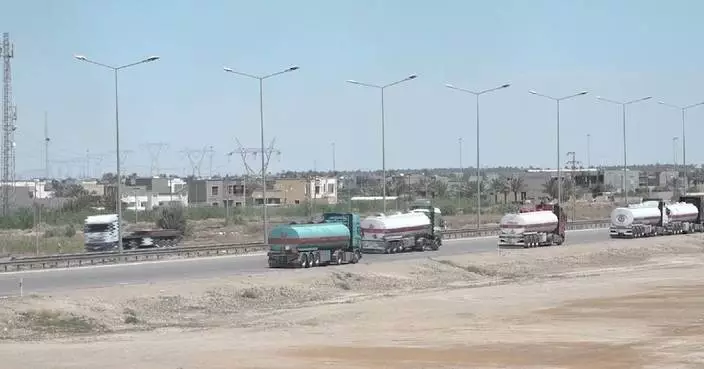
Syria's medical system has been thrown into unprecedented crisis as years of war have damaged hospitals, depleted medical resources and driven away professionals.
The country once boasted one of the most developed healthcare systems in the Middle East, but a large number of hospitals have been shut down due to the war, and the medical institutions still in operation are also facing difficulties, including a shortage of medical equipment, doctors and nurses.
The latest data show that only about 62 percent of hospitals nationwide are operating at full capacity, while 38 percent are either completely shut down or partially functioning. Only a few of hospitals were bombed or long neglected in the war in cities such as Aleppo, Homs, and Daraa have been repaired.
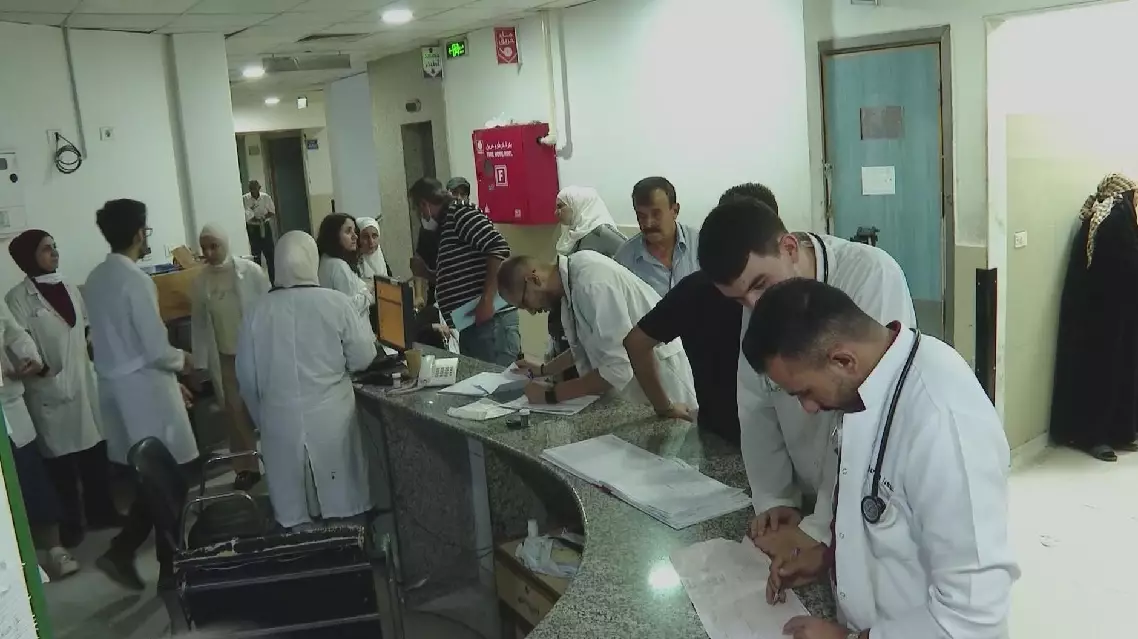
The Damascus National Hospital, one of Syria's oldest public hospitals, is under immense pressure as patients seeking free medical care flood in from provinces where healthcare services have completely collapsed.
Tawfiq Hasaba, director of the hospital, said the most pressing issue facing the facility is a shortage of medical staff.
"Currently, we have only four emergency medicine specialists, but we need 20 emergency doctors because we receive a daily average of 1,000 patients," he said.
At present, Syria is facing a shortage of over 75 percent of anesthesiologists, while medications in oncology and radiotherapy departments are sufficient for only about 20 percent of patients. Meanwhile, medical equipment like MRI machines and CT scanners are extremely scarce or entirely absent in most provinces.
"One of the most common problems and obstacles is outdated equipment. For example, the blood diluent machine requires multiple operations to produce results. Its base is damaged, affecting operation and thus making it unable to provide accurate analysis results," said Firas, a laboratory physician at the hospital. The decline of the local pharmaceutical industry has exacerbated the crisis. Syria had over 70 pharmaceutical factories that could almost meet domestic demand before the war, but currently many of the factories have halted production due to destruction or lack of raw materials, resulting in shortages of medicines and vaccines. The Bab al-Hawa Hospital, one of the largest medical facilities in northwestern Syria, almost closed in the end of 2024 due to drug shortages, threatening the lives of thousands of patients. Syrian authorities' media stated that while the current situation of the medical industry in the country is severe, there are also huge opportunities for reconstruction, calling on more countries to participate in repairing and rebuilding health infrastructure in the country.
Syrian faces severe shortage of medical resources, professionals