Multiple low-altitude aircraft are making their debut in a dedicated hall at the ongoing 7th China Helicopter Exposition, showcasing cutting-edge technology and attracting numerous visitors.
In the newly added 5,000-square-meter low-altitude economy hall of the expo, these aircraft are illustrating how they could revolutionize future travel and ways of living.
These low-altitude aircraft can perform a wide range of missions, including firefighting, search and rescue operations, power grid tower construction, and agricultural products transportation in mountainous areas.
One concept aircraft, featuring AI technology, can transition between tasks like search and rescue, medical transport, air delivery, and disaster response.
Another highlight is the all-electric aircraft, which is gaining popularity in the industry.
The 7th China Helicopter Exposition opened on Thursday in north China's Tianjin Municipality.
Hosted by the Aviation Industry Corporation of China and the Army of the Chinese People's Liberation Army, the four-day event showcases 52 aircraft models, including helicopters, unmanned aerial vehicles, and electric vertical takeoff and landing aircraft.
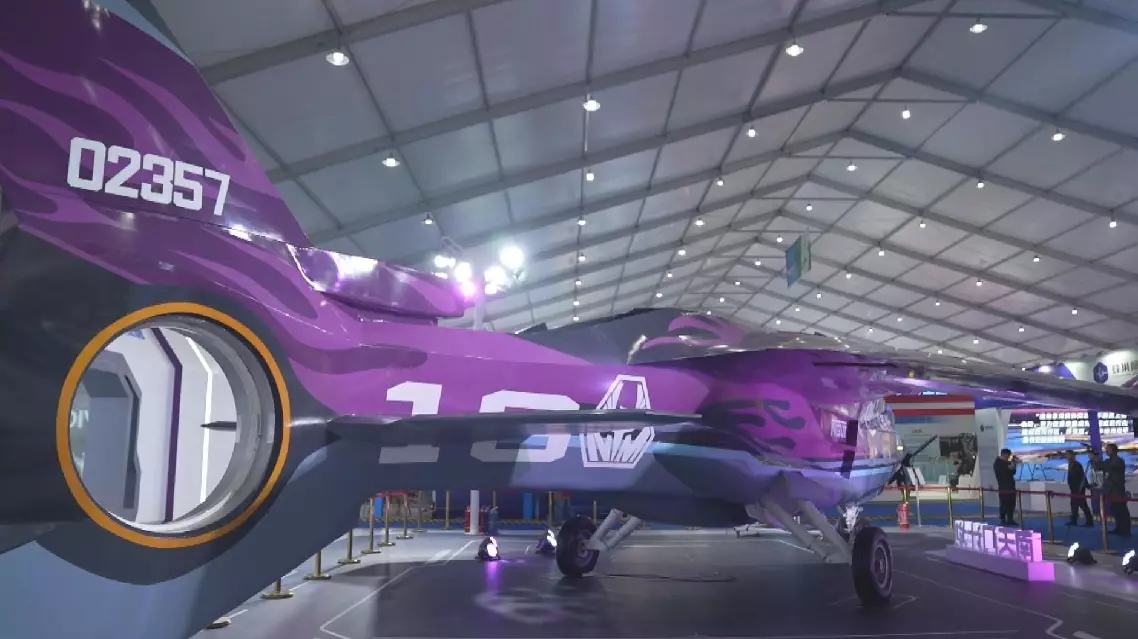
More low-altitude aircraft debut at 7th China Helicopter Expo
China will step up efforts to advance a comprehensive green transformation during the 15th Five-Year Plan period (2026-2030) for national socioeconomic development, including implementing a dual-control system on carbon emissions and accelerating the development of a modern energy system, senior officials said at the China Development Forum 2026, which opened in Beijing on Sunday.
Themed "China in its 15th Five-Year Plan period: advancing high-quality development and creating new opportunities together", the two-day forum highlights China's role as a key engine of global development, as the country begins implementation of its 15th Five-Year Plan.
Addressing the forum, Han Wenxiu, executive deputy director of the Office of the Central Commission for Financial and Economic Affairs and director of the Office of the Central Rural Work Leadership Group, said the current global situation demonstrates the significance of increasing the share of new energy supply while fostering the substitution of fossil fuels.
"The current international landscape highlights that fossil fuels such as oil and gas often rely on imports and international transportation, whereas renewable energy sources like wind and solar are locally available and do not require such processes. We will accelerate the building of a new-type energy system, steadily raise the share of renewable energy supply, and promote safe, reliable and orderly substitution of fossil fuels, to facilitate the peaking of coal and oil consumption," Han said.
Also delivering a speech at the event, Wan Jinsong, deputy head of the National Energy Administration, said China will work to promote the development of diverse clean energy sources, including wind power, photovoltaic energy, nuclear energy and biomass, while ensuring stable energy supply.
He noted that the country will foster a new energy system featuring multi-energy complementarity and strong resilience against risks.
At the same time, efforts will be made to advance in-depth integration of the energy revolution with the digital revolution.
"We should give full play to the role of artificial intelligence in enhancing the development of new energy, and keep enriching scenarios of application in the field of new energy, to facilitate large-scale and efficient consumption of renewable energy. At the same time, measures will be taken to promote integrated development of new energy and focus efforts on ensuring green energy supply for computing power, to enable renewable energy to better support the growth of AI," said Wan.
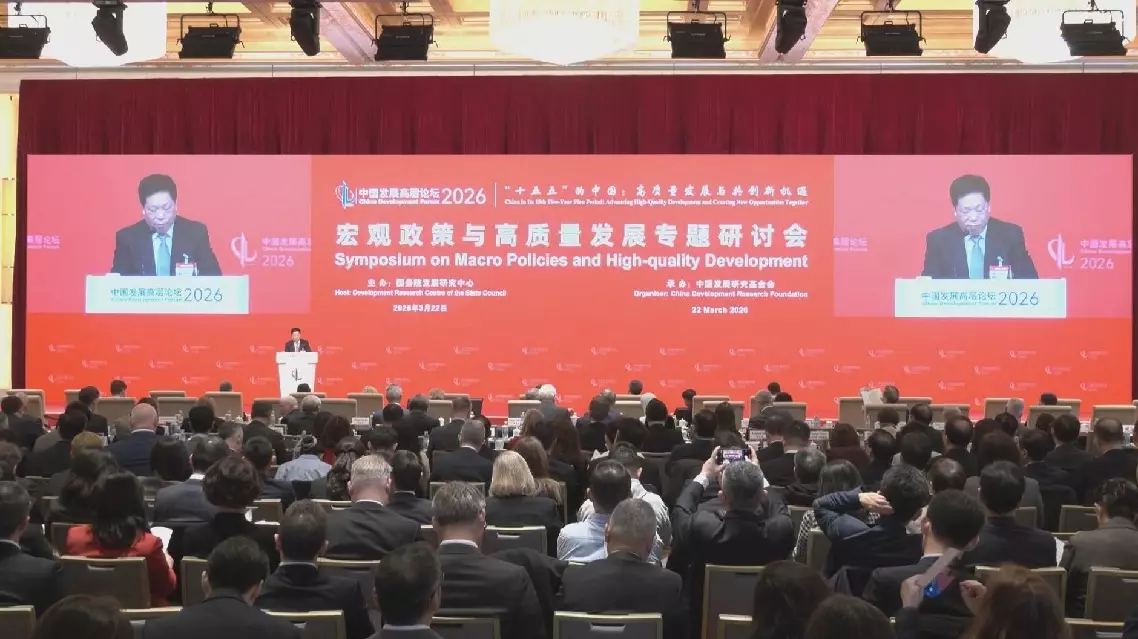
China to deepen green transition, expand clean energy consumption in coming five years: officials