It's a must to recognize the 1992 Consensus for the Democratic Progressive Party (DPP) authorities to restart the cross-Strait dialog, said Zhu Fenglian, spokeswoman of the State Council Taiwan Affairs Office, at a press conference in Beijing on Wednesday.
She made the remarks in response to a media report that Wu Feng-shan, chairman of the Taiwan-based Strait Exchange Foundation (SEF), called for the resumption of the dialog mechanism between his organization and the Beijing-based Association for Relations Across the Taiwan Strait (ARATS).
"In 1992, authorized by both sides across the Strait, ARATS and SEF of the Taiwan region, through their meetings in Hong Kong and subsequent exchanges of correspondence, reached the 1992 Consensus, in which 'both sides uphold the principle of one China' but each uses its verbal expression of the issue. It was on the foundation of 1992 Consensus that cross-Strait consultations and negotiations were started. From 2008 to 2016, the two organizations resumed consultations based on the 1992 Consensus embodying the one-China principle, signed a series of agreements and built up multiple consensuses, which have played important roles in improving people's well-being across the Strait and promoting the peaceful development of cross-Strait relations," said Zhu.
"The 1992 Consensus is the common political foundation for the development of cross-Strait relations and the anchor for peace and stability across the Taiwan Strait, and is the prerequisite for ARATS and SEF to engage in authorized consultations. Since May 2016, the dialog and communication mechanism between the two organizations has been in a standstill because the DPP authorities have refused to recognize the 1992 Consensus. If the DPP authorities intend to resume the cross-Strait dialog and communication mechanism, it's a must for them to recognize the 1992 Consensus," she said.
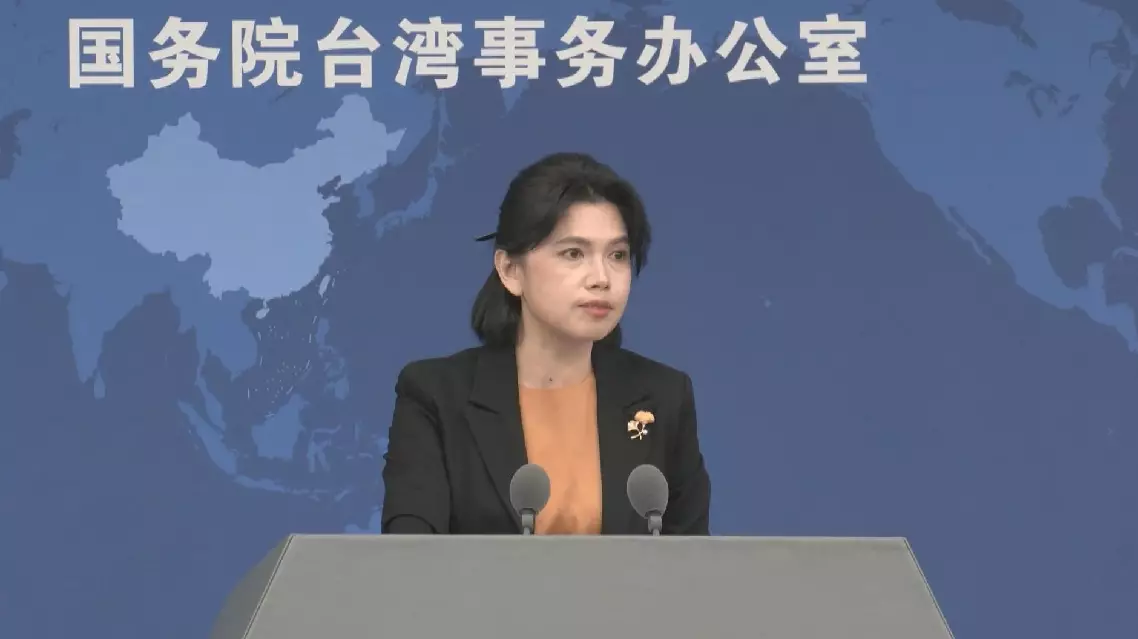
Spokeswoman on 1992 Consensus' role in restarting cross-Strait dialog
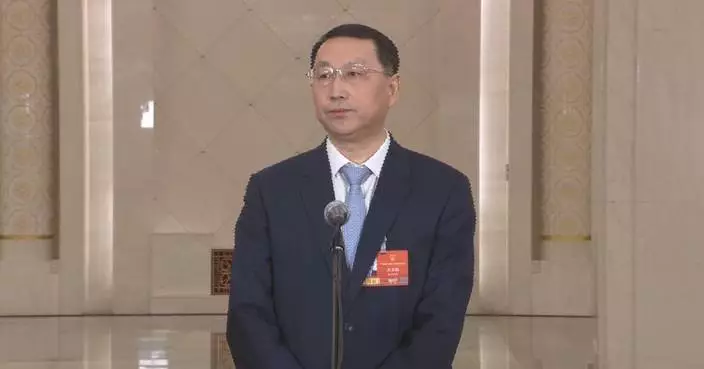
China will strive to further reduce the number of heavy pollution days and improve water quality in rural areas during the 15th Five-Year Plan period (2026-2030), Minister of Ecology and Environment Huang Runqiu said on Thursday.
While meeting the press following the closing meeting of the fourth session of the 14th National People's Congress (NPC), Huang outlined the main tasks of pollution control during the 2026-2030 period.
Although the national average proportion of heavy pollution days has dropped to less than one percent last year, said Huang, during autumn and winter seasons, such weather events still occasionally occur in certain regions, including the Beijing-Tianjin-Hebei region and surround areas, as well as urban clusters in the middle reaches of the Yangtze River.
Therefore, reducing the number of heavy pollution days will continue to be a major task for relevant authorities, he said.
"An important goal of pollution prevention and control during the 15th Five-Year Plan period is to continue reducing the number of heavy pollution days. We are quite confident in achieving this. We will adhere to the approaches of systematic and source-based management, addressing both symptoms and root causes, with a focus on the latter. In particular, we will seize the favorable opportunities brought by advancing the goal of peaking carbon emissions during the 15th Five-Year Plan period and the promulgation of the Ecological and Environmental Code today to promote green and low-carbon development of our industrial, energy, and transportation structures, as well as the development of new quality productive forces. Our fundamental solution is to reduce pollutant emissions at the source," he said.
Water quality improvement is another major task, according to Huang.
Over the years, China has seen significant progress in managing the water quality in major rivers and lakes, but in rural areas and urban-rural fringe areas, pollution problems, like black and odorous waters, remain quite prominent in small and micro water bodies, he said, adding that these pollution sources near people's homes may seem minor, they are actually directly related to the well-being of the people.
"This year, we will introduce relevant documents to deepen water pollution control, shifting our focus and efforts further towards rural areas, urban-rural fringe areas, and counties. At the same time, we'll set up over 200 national-level monitoring sites and a number of monitoring sites at the provincial level, in order to help local authorities to better manage small and micro water bodies," said Huang.
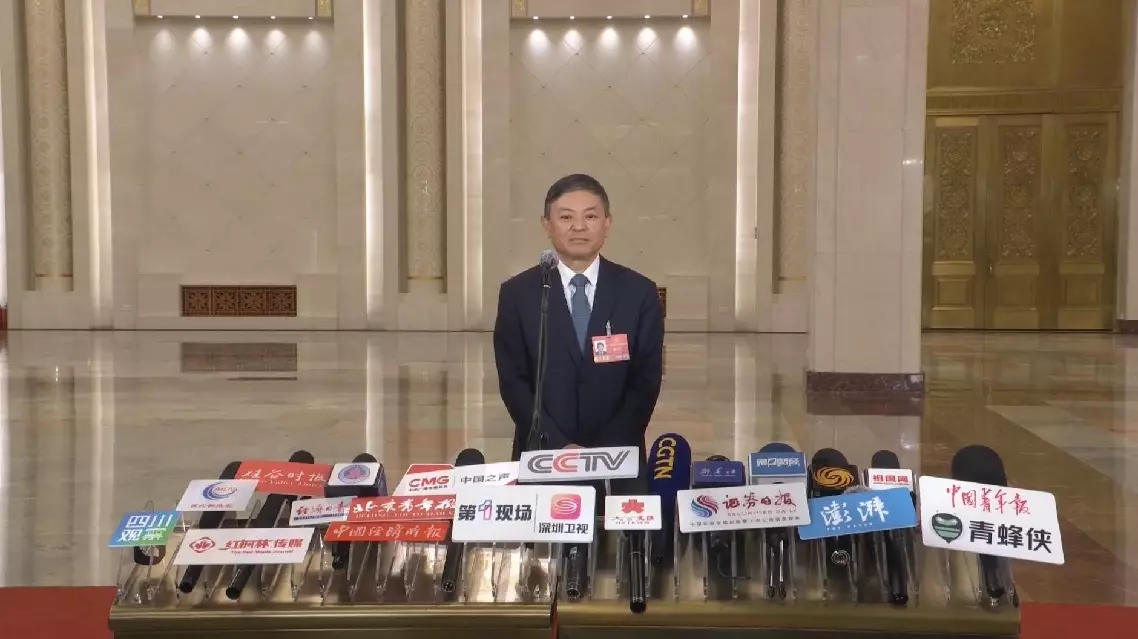
China will strive to further improve air, water quality in following five years: minister