Japan's newly formed cabinet, led by Prime Minister Sanae Takaichi, is facing multiple challenges brought by economic and political uncertainties, said a Japanese political analyst.
Takaichi, a staunch conservative and leader of the ruling Liberal Democratic Party (LDP), was elected Japan's 104th prime minister on Tuesday after securing a majority in both houses of parliament. Her rise to power followed a coalition agreement between the LDP and the Japan Innovation Party (JIP), marking a significant shift in the country's political landscape.
In an interview with China Central Television, Hiroshi Shiratori, a political science professor with Japan's Hosei University, said that the JIP's decision to participate in governance without its members entering the cabinet signals underlying trust issues.
"The JIP (Japan Innovation Party) remains uncertain whether the LDP will fulfill its demands. They are adopting a strategy of maintaining a certain distance and exerting external pressure on Prime Minister Takaichi's cabinet, with the mindset that if their demands are not met, they can quickly break away from the alliance. In contrast, the LDP, if it loses the JIP's support, risks becoming a minority ruling party, which would make governance extremely difficult," he said.
Polls in Japan show that rising prices and political transparency remain the most pressing concerns for Japanese citizens. Shiratori warned that public trust could quickly erode if the cabinet fails to address these issues effectively.
"At present, the public is most concerned about two policies. One is about rising prices, where the government is expected to take action. But despite claims from both the ruling and opposition parties that they are addressing the issue during the Senate elections, no tangible measures have been implemented, and public patience has reached its limit. The other one is about the LDP's involvement in political funding scandals, which has damaged its credibility on finance. If the government fails to deliver results from dealing with price hikes and 'politics and money' reform, public trust in Prime Minister Takaichi's cabinet will quickly disintegrate," said Shiratori.
He further cautioned that the government's economic policies and reforms still need time to prove effective.
"Currently, Japan's stock prices are rising, but the yen has kept weakening, leading to higher prices for imported goods. As Japan relies heavily on energy imports, rising energy costs are likely to be reflected in overall prices across various sectors. This means that Prime Minister Takaichi's economic policies may not necessarily curb inflation. In fact, they could potentially exacerbate price increases. It is extremely difficult to advance the 'politics and money' reform at the same time," said Shiratori.
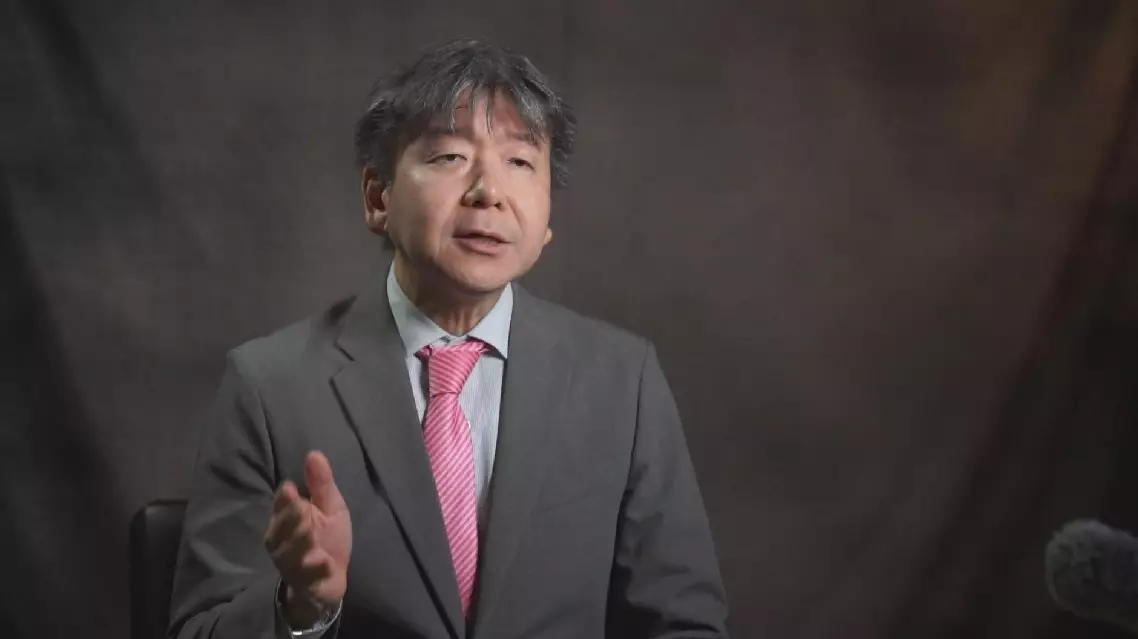
Japan's new cabinet faces challenges amid economic, political pressures: expert