U.S. business leaders have expressed optimism over deepening bilateral trade and tapping into the vast potential afforded by the Chinese economy as China prepares to chart the next phase of its national development with its upcoming 15th Five-Year Plan (2026-2030).
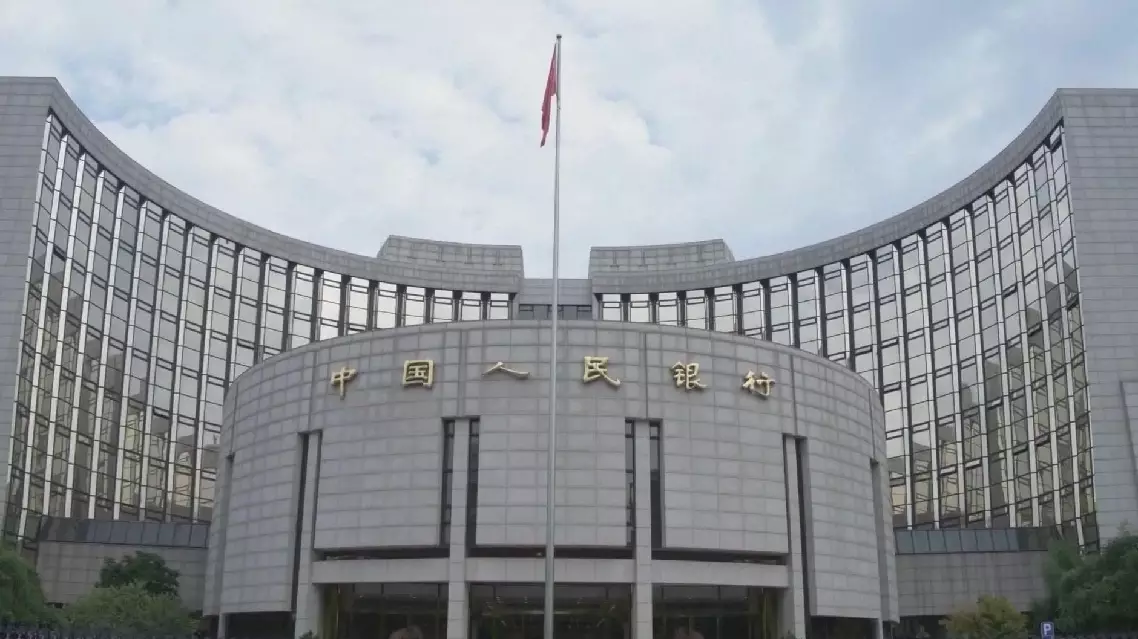
The 20th Central Committee of the Communist Party of China (CPC) convened its fourth plenary session in Beijing from Monday to Thursday. Participants at the session deliberated over and adopted the Recommendations of the CPC Central Committee for Formulating the 15th Five-Year Plan for Economic and Social Development, according to a communique released following the end of the meeting.
China's cycle of five-year plans have long served as a comprehensive blueprint for mapping out the country's economic and social advancement, outlining the goals, strategies and priorities for each planning period.
The communique published on Thursday said that China remains in a phase of development where strategic opportunities exist alongside risks and challenges, while noting some of the goals outlined for the next planning period including advancing high-quality development and building a modernized industrial system.
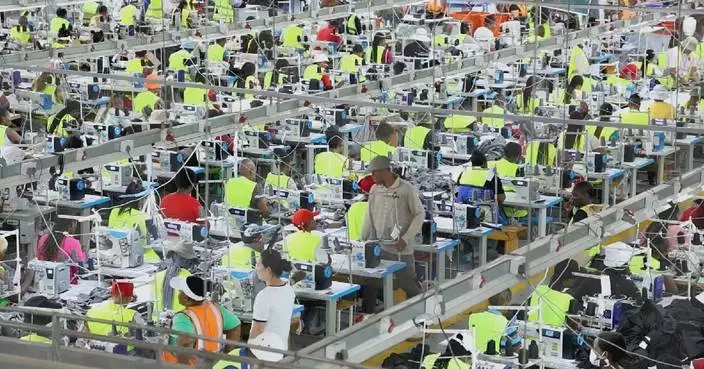
These signals are likely good news for business owners like Dan Shamdasani, founder and CEO of Public Clothing Company (PCC), which owns various brands such as the luxury 'Derek Lam 10 Crosby' outlet. The New York-based fashion firm has collaborated closely with China for many years, with Shamdasani saying the country has been vital for the growth of his business.
"China has unmatched infrastructure. We can go from concept to product at a scale and speed that very few countries can do for us. And that's something that gives us an edge, especially in the fashion industry where things and trends move as fast as they do," he said. Looking ahead to what the coming years may hold, Shamdasani discussed the type of synergy he expects between businesses in the U.S. and China.
"As far as domestic demand goes. China's capacity, from what we can tell, is massive. And they are going to be export-oriented, regardless of how much they try to pump up domestic capacity. I mean, their industry is geared towards exports," he said.
For Shant Mouradian, general manager of Box City, a retail packaging and shipping supplies provider in Los Angeles, collaborating with China is a high priority.
"As we continue to grow our business, we have very aggressive growth plans here at Box City. As we continue to install those growth plans and expand into other markets, into other territories in the United States, it only helps with our purchasing power and our ability to buy larger quantity of product at a better price," said Mouradian.
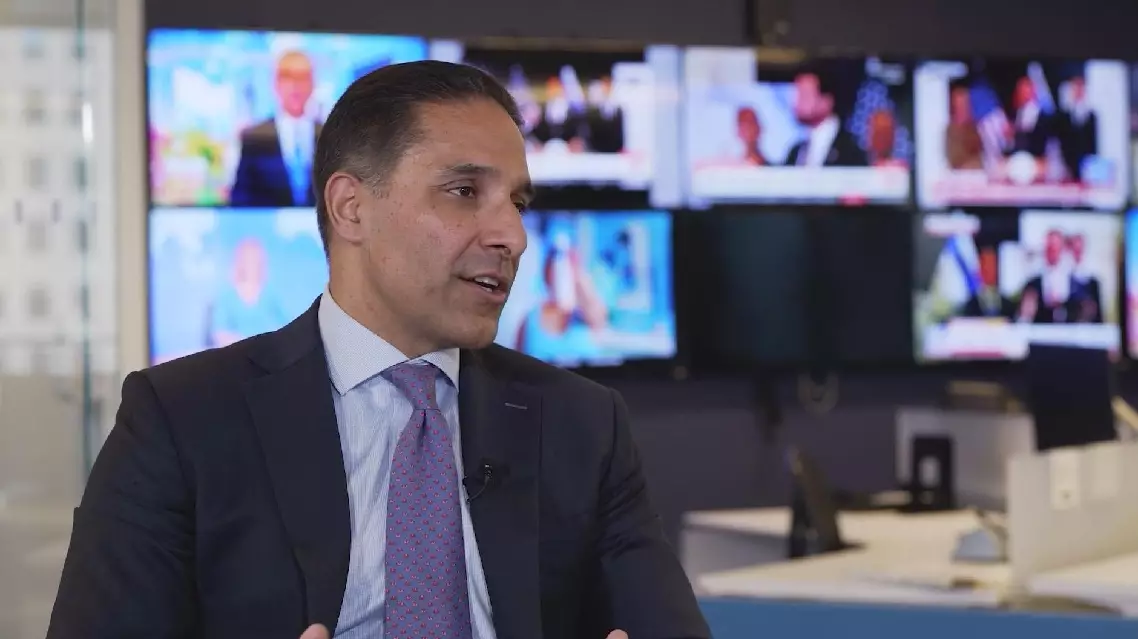
China's transition from a major manufacturing hub into a global leader in sci-tech and innovation has also caught the eye of Ferish Patel, a corporate partner at American international law firm Cooley LLP, who outlined his expectations for the coming years and says he sees huge potential in future cooperation with the country.
"To help frame what we see in spaces like tech and life sciences is a continuation of a vector of the markets and the economy moving from 'Made in China' to 'Innovated in China.' And what's one way to think about that is that the last Five-Year Plan was about building or laying the train tracks, and the next Five-Year Plan likely would be about running the trains more efficiently. For example, leveraging AI to enable more efficient drug discovery and doing smart manufacturing at much larger scale. And so, when we think about what we continue to see with companies, not just in the U.S. but internationally, is that they recognize China is not a risk-free market -- no market in the world is -- but the opportunities set there are just so massive that one is not able to just sit out," he said.
US executives bullish on deeper economic ties with China ahead of 15th Five-Year Plan