While in Hangzhou for the 7th China–U.S. Sister Cities Conference, U.S. representatives visited the city’s technological and cultural venues, gaining firsthand insight into its technological innovations and cultural appeal.
Running from October 25 to 27, the 7th China–U.S. Sister Cities Conference features forums on education, innovation, sustainability, and sister-city collaboration, as well as youth art exchanges between Chinese and American performers, under the theme “Closer Partnership for a Sustainable Future.”
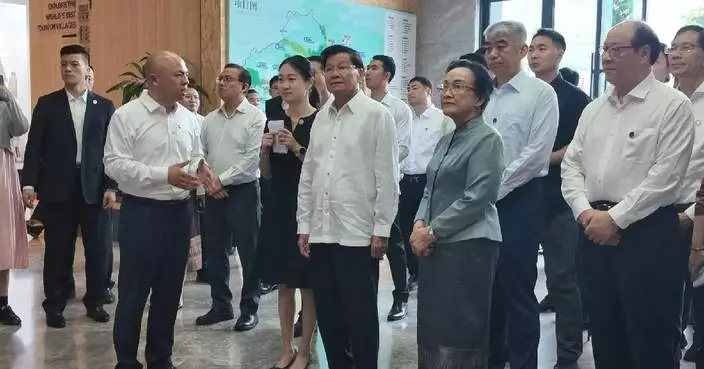
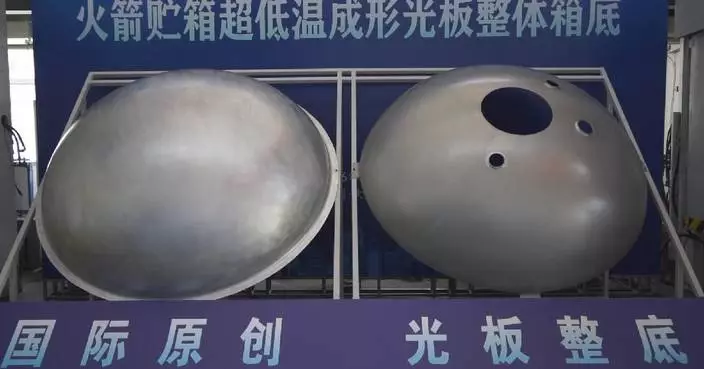
The guests from the U.S. visited Hangzhou Future Sci-Tech City -- an innovation hub for global entrepreneurship -- and several local tech companies on Saturday to learn about the city’s technological development and achievements.
At the complex, they were introduced to the video game "Black Myth: Wukong," a bold foray by Chinese developers into a market long dominated by Western triple-A titles, as well as to the open-source models created by Chinese startup DeepSeek.
Many of the guests said they were already familiar with DeepSeek, while others were impressed by the advances of China’s high-tech sector.
"I actually use it personally back home. And it's a really good engine. It gives you, as you can see from the answer, [it's] very complete. I wish we had better links to the company doing that," said Marc Elrich, county executive of Montgomery County in Maryland.
"I'm just amazed at how advanced, and I was very shocked by the affordability of these different robots. You can see how these technologies can solve problems that we have with pollution, solve problems of just being able to serve our elderly. There's just so much potential. I think there's a great opportunity for working together in this world," said Carol Robertson Lopez, honorary president of Sister Cities International, a nonprofit that serves as the national membership organization for sister cities, counties, and states across the U.S.
Sister-city relations between China and the United States began soon after the two countries established diplomatic ties in 1979, when central China’s Hubei Province and the U.S. state of Ohio, as well as eastern China’s Nanjing City and the U.S. city of St. Louis, formed sister-city partnerships.
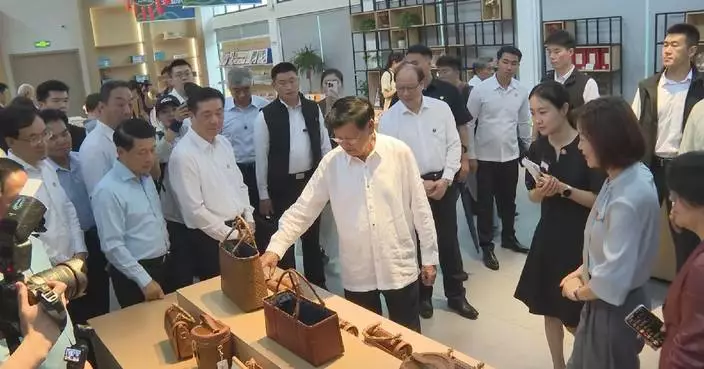
Cultural exchanges have played an important role in promoting mutual understanding and deepening cooperation between the Chinese and American peoples. On Sunday, the U.S. guests visited the Zhijiang Cultural Center, where they learned about China’s efforts to preserve and promote its intangible cultural heritage.
"I've never been to China and done this before. We're at the cultural museum and just learning about the art and different things you can do and how fascinating [it is]. Visiting different countries and learning from their culture to realize we're more alike than we are different. I think it helps promote friendship," said Lisa Kaplan, a member of the Sacramento City Council in California.
Jointly initiated in 2014 by the Chinese People’s Association for Friendship with Foreign Countries and Sister Cities International, the China–U.S. Sister Cities Conference has become a key platform for subnational exchanges between the two countries.
Over the past decade, it has been held six times, alternating between China and the United States, fostering practical cooperation and strengthening people-to-people ties.
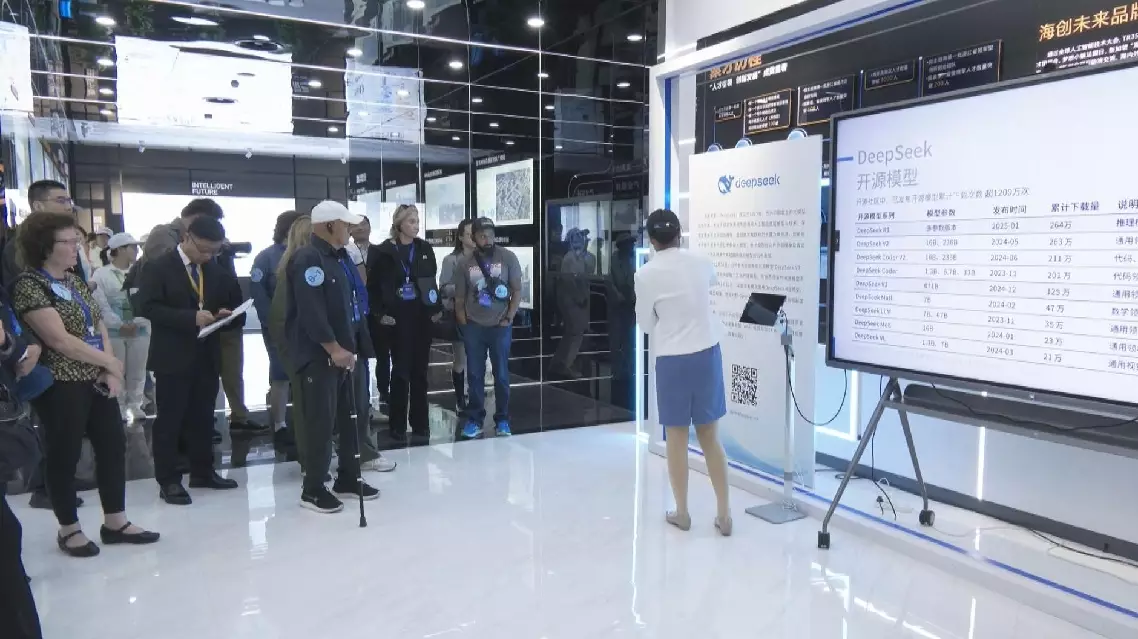
US representatives attending China-US Sister Cities Conference visit tech, cultural venues in Hangzhou