BOSTON & LONDON--(BUSINESS WIRE)--Nov 4, 2025--
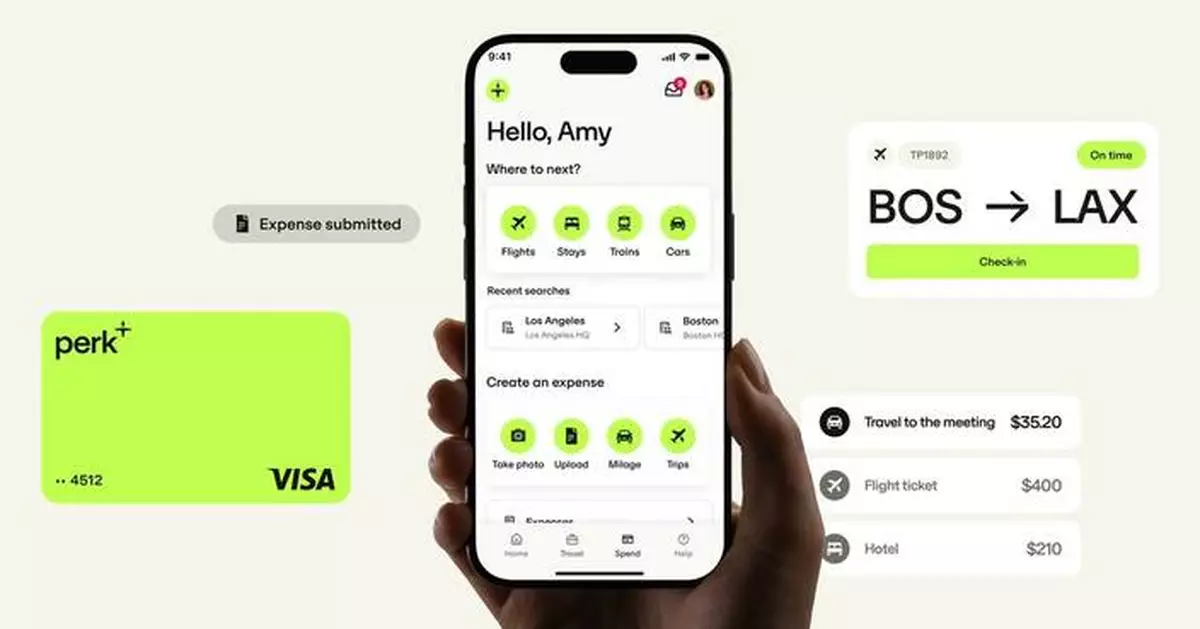
TravelPerk today announced its rebrand to Perk, launching a new platform that unites travel and spend management in one seamless, AI-native experience. The rebrand also marks the next step in the company’s transformation, with a broader mission to eliminate the hidden, time-wasting tasks that drain productivity - from booking trips and filing expenses, to coding invoices and chasing approvals.
This press release features multimedia. View the full release here: https://www.businesswire.com/news/home/20251103781070/en/
Perk calls these tasks ‘shadow work’: the invisible, non-core work employees do outside their main job. New research conducted by Forrester Consulting, and commissioned by Perk, reveals that shadow work costs businesses $1.7 trillion a year across six major economies - the US, UK, France, Germany, Spain and the Netherlands. On average, every employee loses approximately seven hours per week to these tasks, and 11 minutes of focus every time they try to switch back to real work.
Perk’s intelligent platform now automates two thirds (67%) of the most frustrating non-core work, including booking travel for work, filing expenses, managing invoices and organizing team events. Unlike fragmented solutions, Perk delivers a single, global platform experience that enables companies to set the rules once and have them applied everywhere.
“More than a decade ago, we started by removing the friction from traveling for work,” says Avi Meir, Perk CEO and Co-Founder. “Over time, we realized those small, frustrating tasks people do outside of their core job weren’t just hiding in travel, they were everywhere. To truly solve the problem, we first had to grasp its scale, and the numbers from the research surprised even me. How can a 1,000 person company afford to lose around 7,000 hours to shadow work every week? Perk gives companies the fuel they need to make work simpler and give people their time back.”
Perk's mission to power real work is reinforced by its new Spend Management capability, an AI-native module, which automates the everyday shadow work - from expenses and invoices to card payments - that slows teams down. With Perk Pay companies can issue physical cards that simplify spending while keeping every transaction under company control. It centralizes oversight of company spending, reduces fraud risk, and automates expense reconciliation.
Learning from real-world trips, receipts, invoices, and payments, an in-house AI lab powers Perk to continuously learn from anonymised data and automate work faster and more accurately for 10,000 companies worldwide. Perk is built to deliver results from day one, with deep integrations and an open ecosystem that connects seamlessly with leading ERP, HRIS and expense tools - giving businesses flexibility to streamline operations and simplify workflows.
As Perk surpasses $300 million in annualized revenue, the company is establishing dual headquarters in Boston and London to reflect its global scale and ambition. With two strategic acquisitions in less than a year, Series E financing fueling innovation, significant AI investment, plus a footprint of over 1,800 employees across 12 global offices, the company is entering a new phase of accelerated growth.
By numbers: the hidden impact of shadow work on teams:
Approximately 67% of decision makers surveyed plan to reinvest the time saved through automation into growth and innovation.
Methodology:
The study included surveys of 721 decision-makers in finance, operations, HR, and IT, and 8,004 employees across the US, UK, Germany, France, Spain, and the Netherlands.
About Perk
Perk (formerly TravelPerk) is the intelligent platform for travel and spend management, built to eliminate the hidden, manual tasks that drain productivity and morale - Perk calls these ‘Shadow Work’. By automating travel bookings, expenses and invoice processing, the platform gives teams back time to focus on real work, with real impact. Trusted by more than 10,000 companies worldwide - including Wise, On Running, Breitling and Fabletics - Perk is tackling the 7 hours of lost productivity per employee each week, a $1.7 trillion problem revealed in The Cost of Shadow Work report. Founded in 2015, the global company combines innovation, control, and simplicity to transform how businesses work today and in the future. Perk’s mission is to power real work by removing the invisible tasks that slow teams down.
Visit www.perk.com
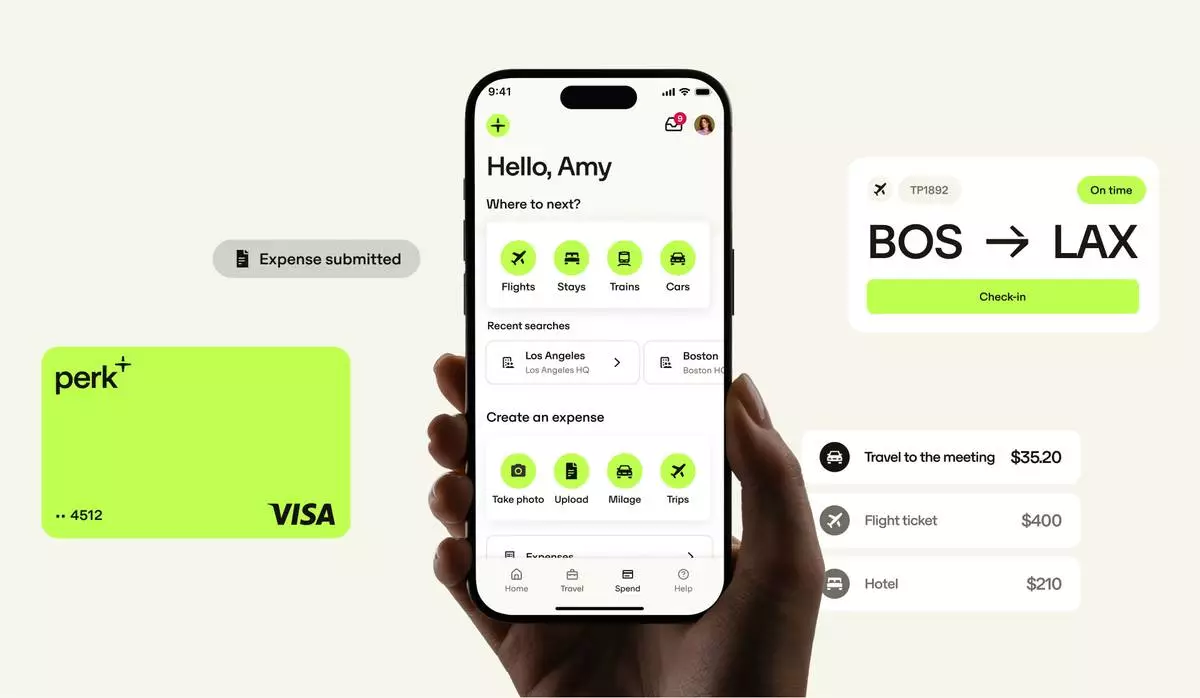
The new Perk platform that unites travel and spend management in one seamless, AI-native experience
PARIS (AP) — Aryna Sabalenka's diamonds sparkled in the sun when she won her first-round match at the heat-soakedFrench Open on Tuesday.
Top-ranked Sabalenka looked light on her feet on Court Philippe-Chatrier, despite wearing two thick necklaces in a 6-4, 6-2 win against Jessica Bouzas Maneiro.
“Diamonds, I don’t really feel the heaviness, but I can imagine how it looks from the outside,” said Sabalenka, the tournament runner-up last year to Coco Gauff. “So I feel pretty comfortable. For me, it’s important to look good.”
The four-time major winner was initially going to wear three necklaces but said she thought that might be too much.
“It probably sounds a bit crazy, but when I feel good about what I’m wearing, how I look on court, I tend to perform much better,” she said. "I like to bring a little bit of a fashion on the tennis court. I know the dress that I will wear on the Grand Slam, and I just try to come up with something to match the outfit."
Sabalenka said she wasn't worried over her jewelry away from Roland Garros.
“I have my fiancé. He’s kind of like my security,” she said, smiling. “My physio does jujitsu, so I feel pretty secure walking around. If I go somewhere, I don’t go alone.”
Gauff began her title defense with a 6-4, 6-0 victory over fellow American Taylor Townsend, while four-time major winner Naomi Osaka beat Laura Siegemund 6-3, 7-6 (3) on Court Suzanne-Lenglen.
The fashion-conscious Osaka again caught the eye with a sequined gold playing dress.
For a third consecutive day, the temperature in Paris was forecast to rise to at least 32 degrees Celsius (90 Fahrenheit).
The unusually hot conditions at Roland Garros make net-rushing — usually better reserved for hard and grass courts — a viable option because the court is drying out quicker and playing faster.
Daniil Medvedev usually thrives in such conditions but he struggled in a five-set loss to 97th-ranked Australian opponent Adam Walton.
Walton, who received a wild card invitation from tournament organizers, beat Medvedev 6-2, 1-6, 6-1, 1-6, 6-4. It was Medvedev's second straight first round exit here and third in four years.
“I know why I don’t really play my best in Roland Garros, but if I say it, it’s (making) excuses,” he said. “So I keep it to myself.”
Stefanos Tsitsipas, the 2021 runner-up to Novak Djokovic, was leading 6-2, 3-0 against Alexandre Muller when his French opponent retired. Muller wiped away tears as he left the court and later said he injured his right calf, three months after injuring his left calf.
Later, top-ranked Jannik Sinner looks to extend his 29-match winning streak when he opens against French wild card Clement Tabur in the night session.
French teenager Moïse Kouamé made the perfect start to his French Open career with a 7-6 (4), 6-2, 6-1 win over veteran Marin Cilic.
The 17-year-old Kouamé won one day after 39-year-old Frenchman Gael Monfils made his last appearance at Roland Garros.
The teenager raised his arms in triumph and tilted his head back after defeating the 37-year-old Cilic, who won the 2014 U.S. Open, finished runner-up at two other majors, and reached the French Open semifinals in 2022.
The ATP Tour said No. 318-ranked Kouamé became the first man born in 2008 or later to win a Grand Slam match, and the crowd on a sun-baked Court Simonne-Mathieu showed their appreciation by chanting “Mo-ïse! Mo-ïse! Mo-ïse!" and clapping in-between.
“It's not easy to stay in the present without thinking of the score,” Kouamé said. “It wouldn’t have been possible without the huge help you (the crowd) gave me.”
In March, he became the youngest winner in Miami Masters history when he beat Zachary Svajda in the first round — earning a congratulatory message from Djokovic.
AP tennis: https://apnews.com/hub/tennis
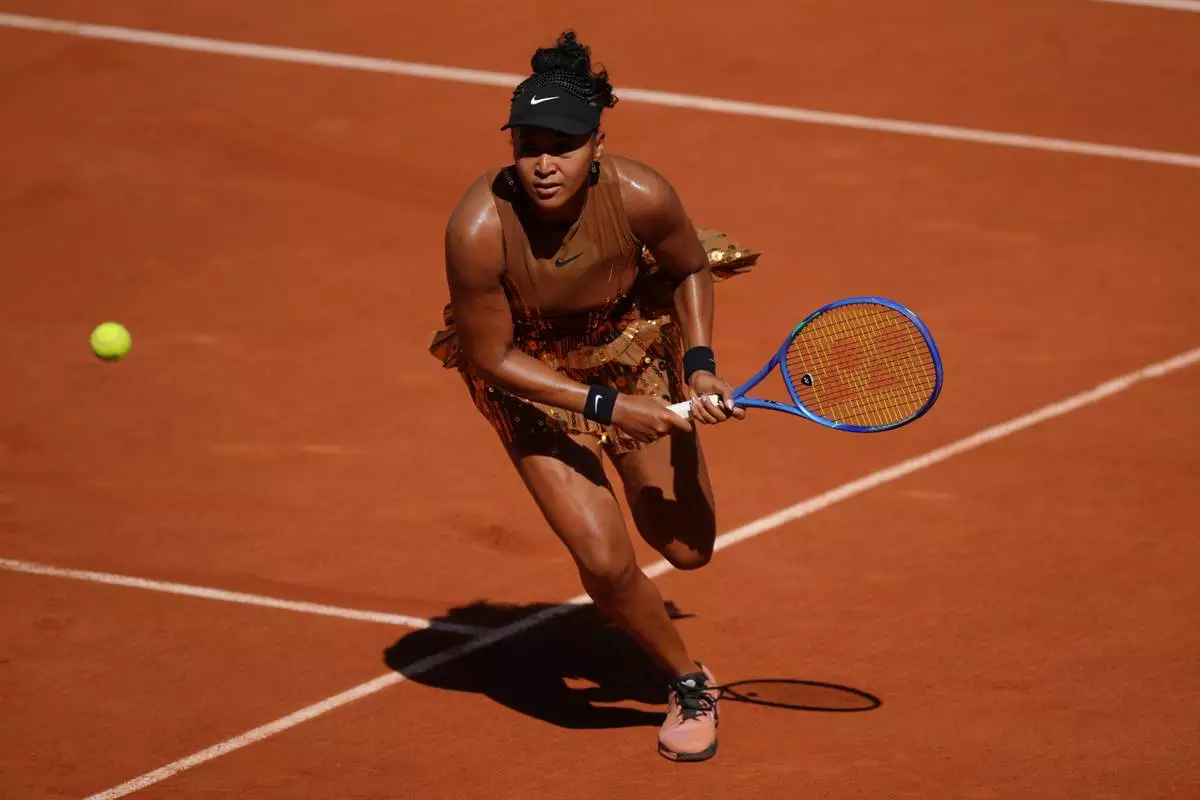
Naomi Osaka of Japan returns to Laura Siegemund of Germany during their first round women's singles tennis match at the French Open tennis tournament in Paris, Tuesday, May 26, 2026. (AP Photo/Aurelien Morissard)
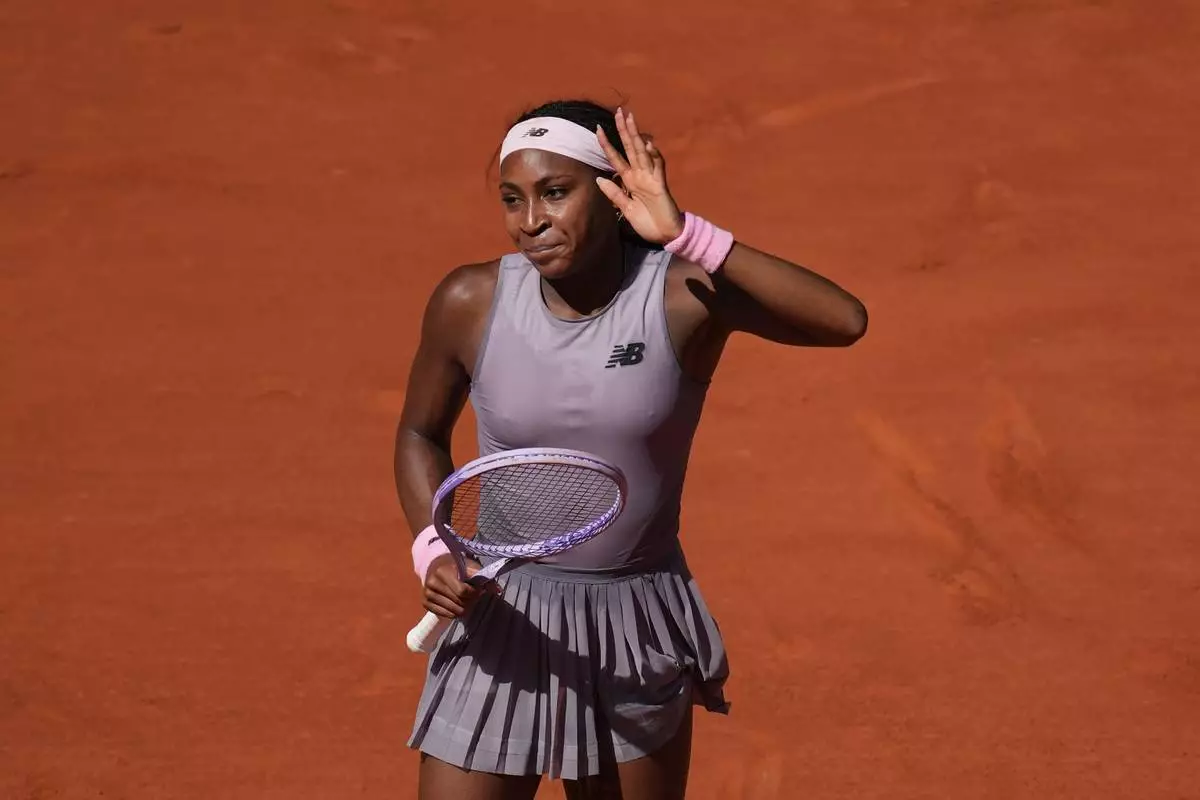
Coco Gauff of the U.S. celebrates after winning against Taylor Townsend of the U.S. during their first round women's singles tennis match at the French Open tennis tournament in Paris, Tuesday, May 26, 2026. (AP Photo/Christophe Ena)
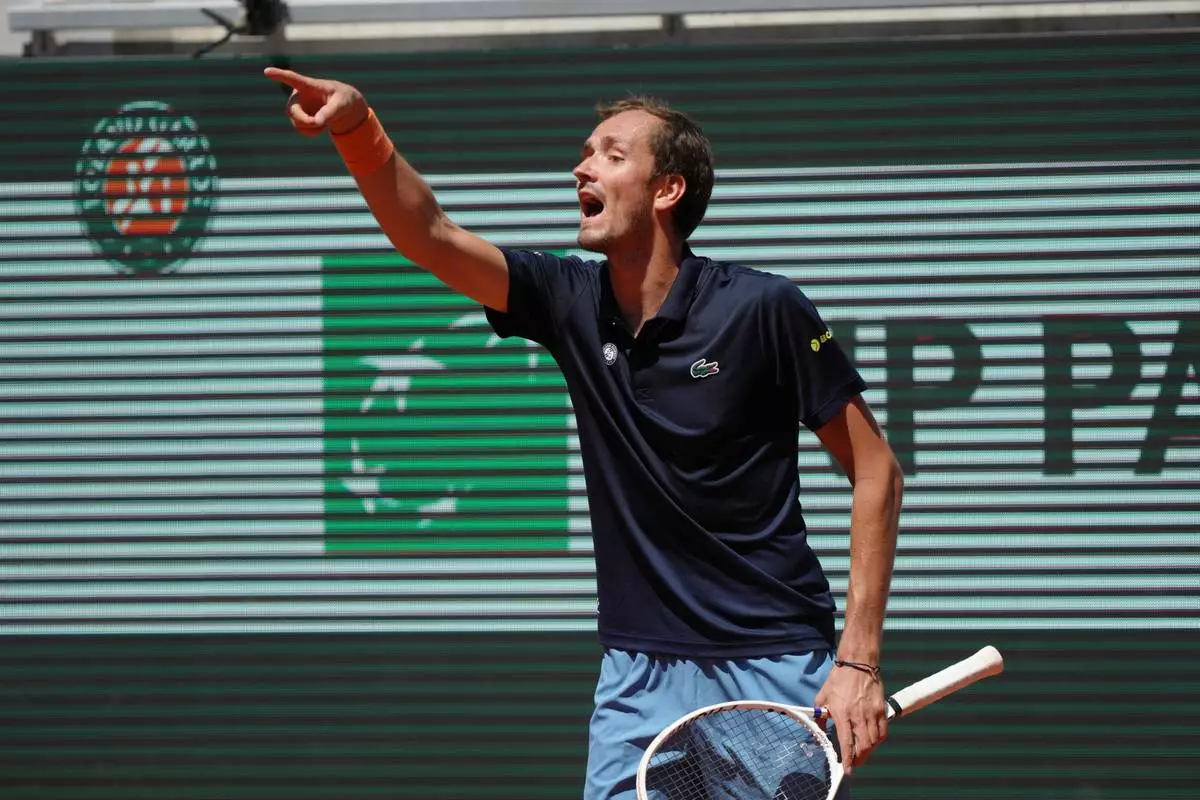
Daniil Medvedev of Russia reacts as he plays against Adam Walton of Australia during their first round men's singles tennis match at the French Open tennis tournament in Paris, Tuesday, May 26, 2026. (AP Photo/Aurelien Morissard)
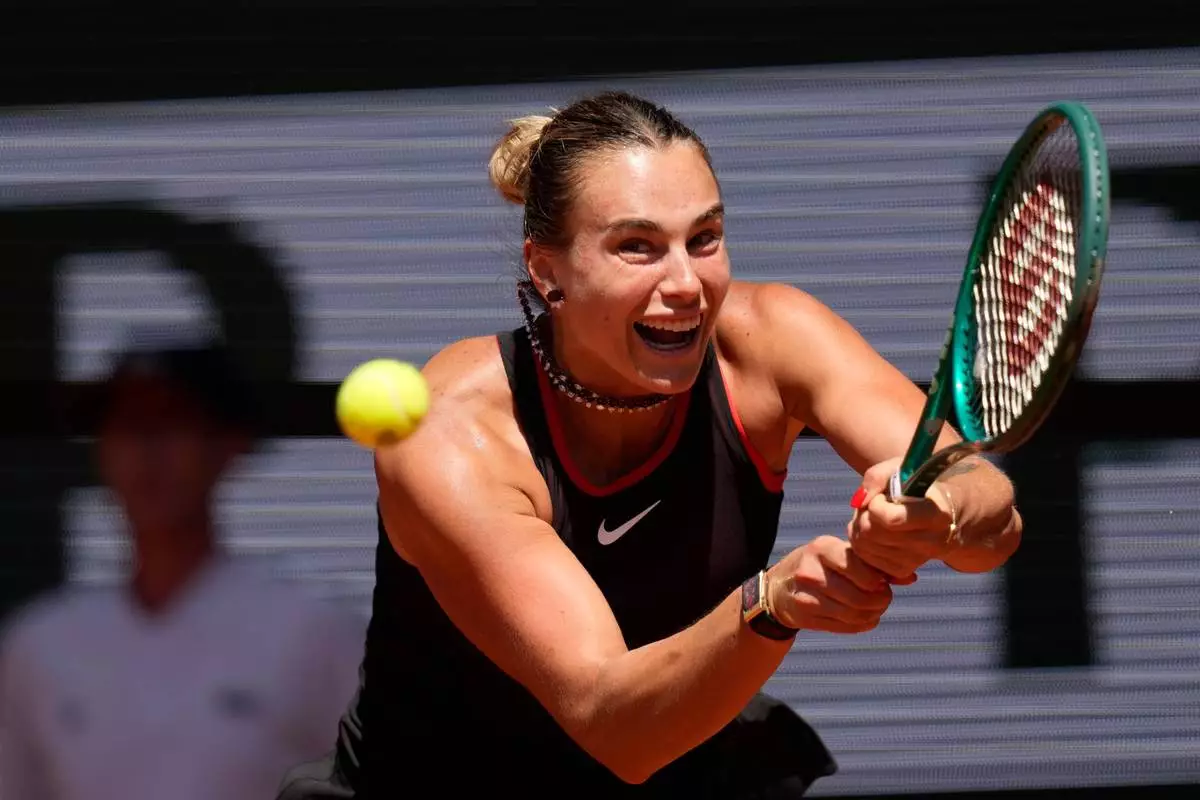
Aryna Sabalenka of Belarus returns to Jessica Bouzas Maneiro of Spain during their first round women's singles tennis match at the French Open tennis tournament in Paris, Tuesday, May 26, 2026. (AP Photo/Christophe Ena)
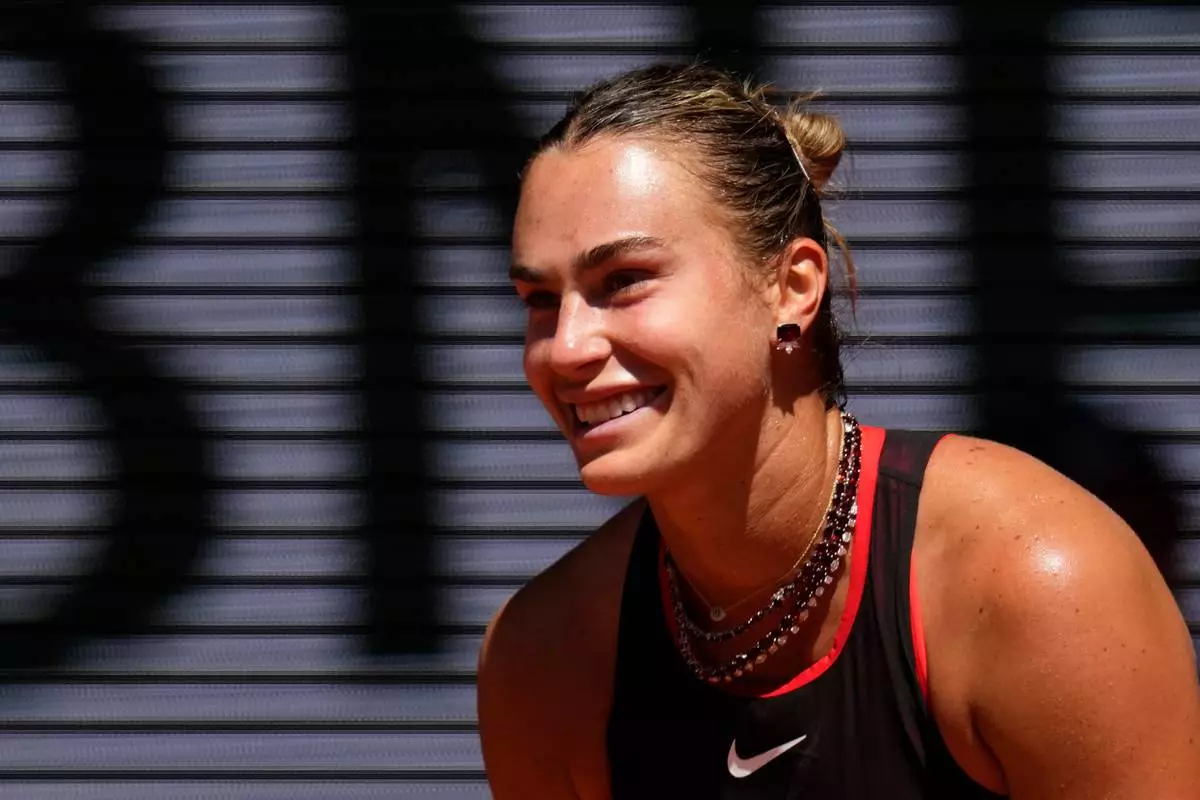
Aryna Sabalenka of Belarus reacts as she plays against Jessica Bouzas Maneiro of Spain during their first round women's singles tennis match at the French Open tennis tournament in Paris, Tuesday, May 26, 2026. (AP Photo/Christophe Ena)
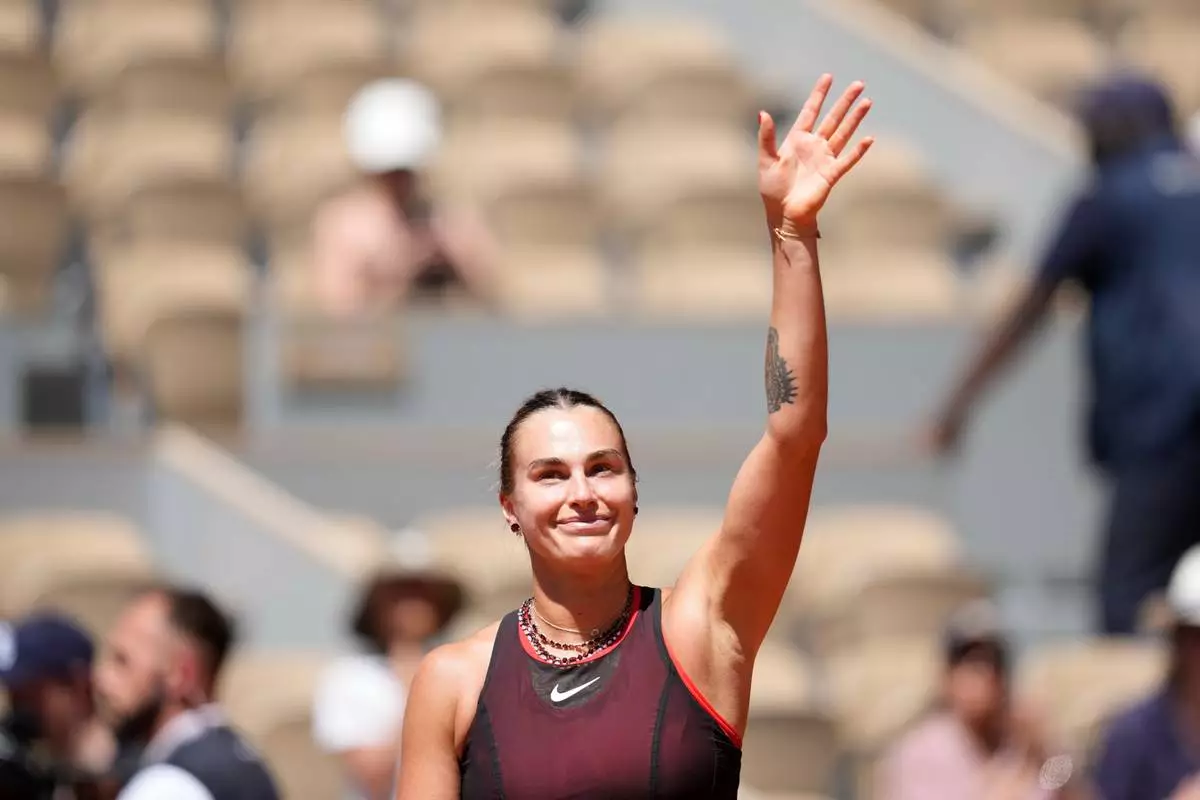
Aryna Sabalenka of Belarus celebrates after winning against Jessica Bouzas Maneiro of Spain during their first round women's singles tennis match at the French Open tennis tournament in Paris, Tuesday, May 26, 2026. (AP Photo/Christophe Ena)
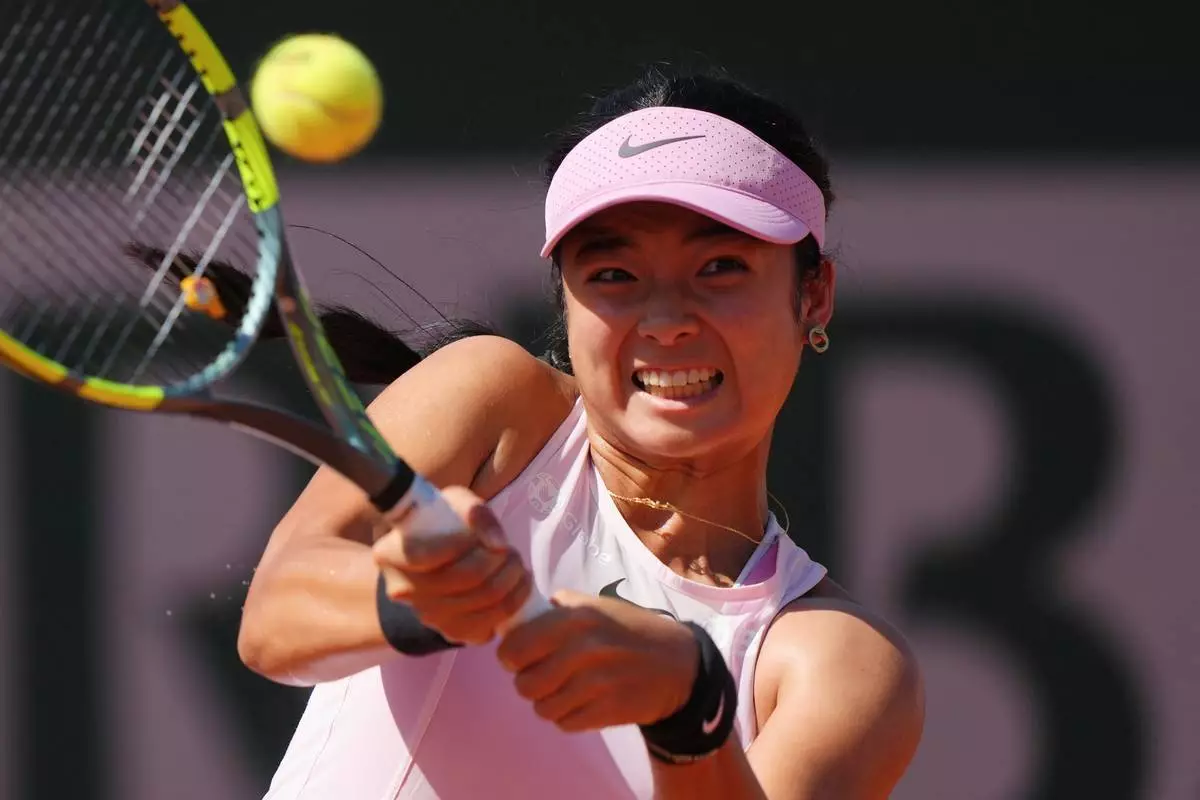
Alexandra Eala of Philippines returns to Iva Jovic of the U.S. during their first round men's singles tennis match at the French Open tennis tournament in Paris, Tuesday, May 26, 2026. (AP Photo/Aurelien Morissard)
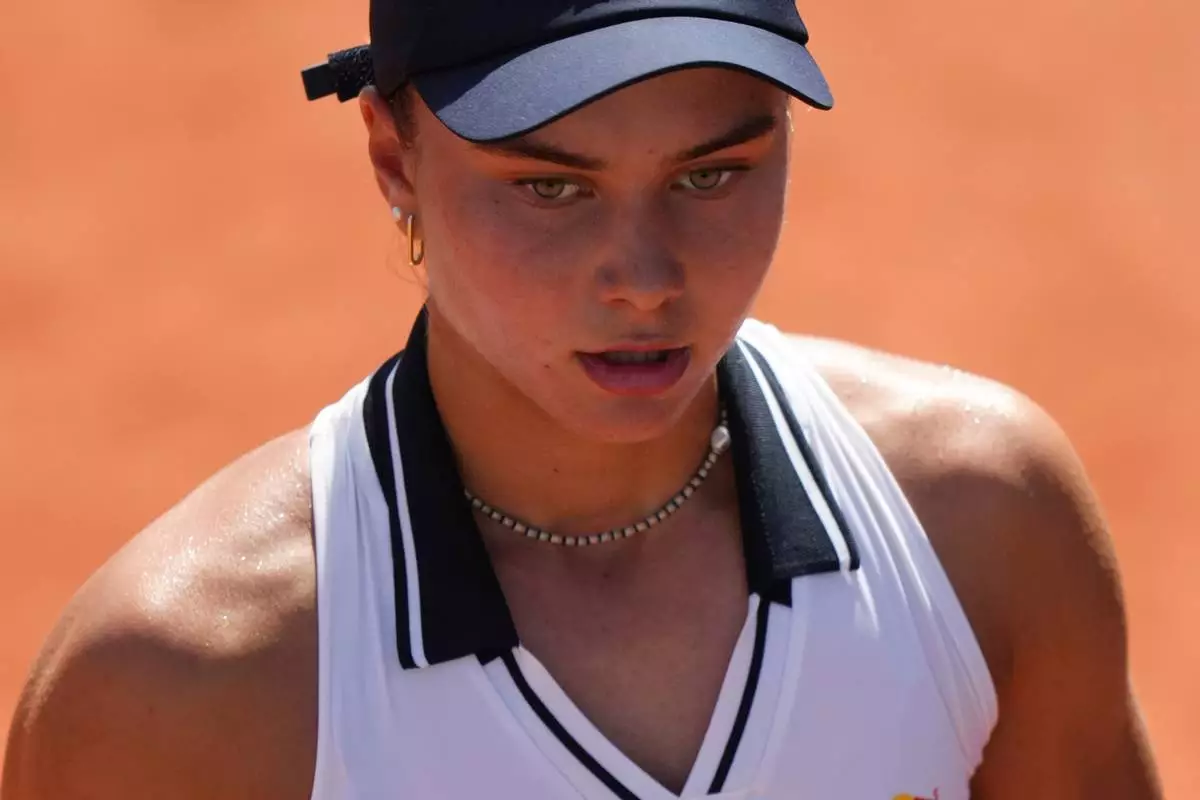
Iva Jovic of the U.S. reacts as she plays against Alexandra Eala of Philippines during their first round men's singles tennis match at the French Open tennis tournament in Paris, Tuesday, May 26, 2026. (AP Photo/Aurelien Morissard)
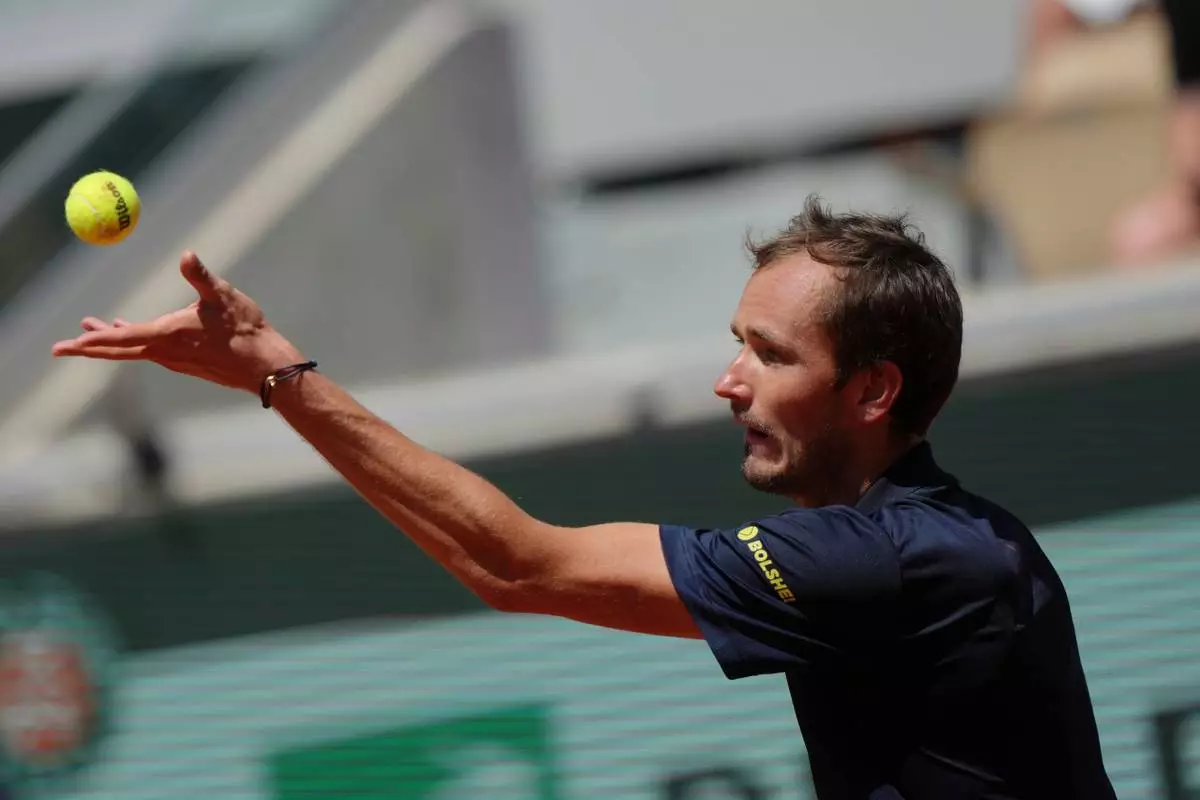
Daniil Medvedev of Russia serves to Adam Walton of Australia during their first round men's singles tennis match at the French Open tennis tournament in Paris, Tuesday, May 26, 2026. (AP Photo/Aurelien Morissard)
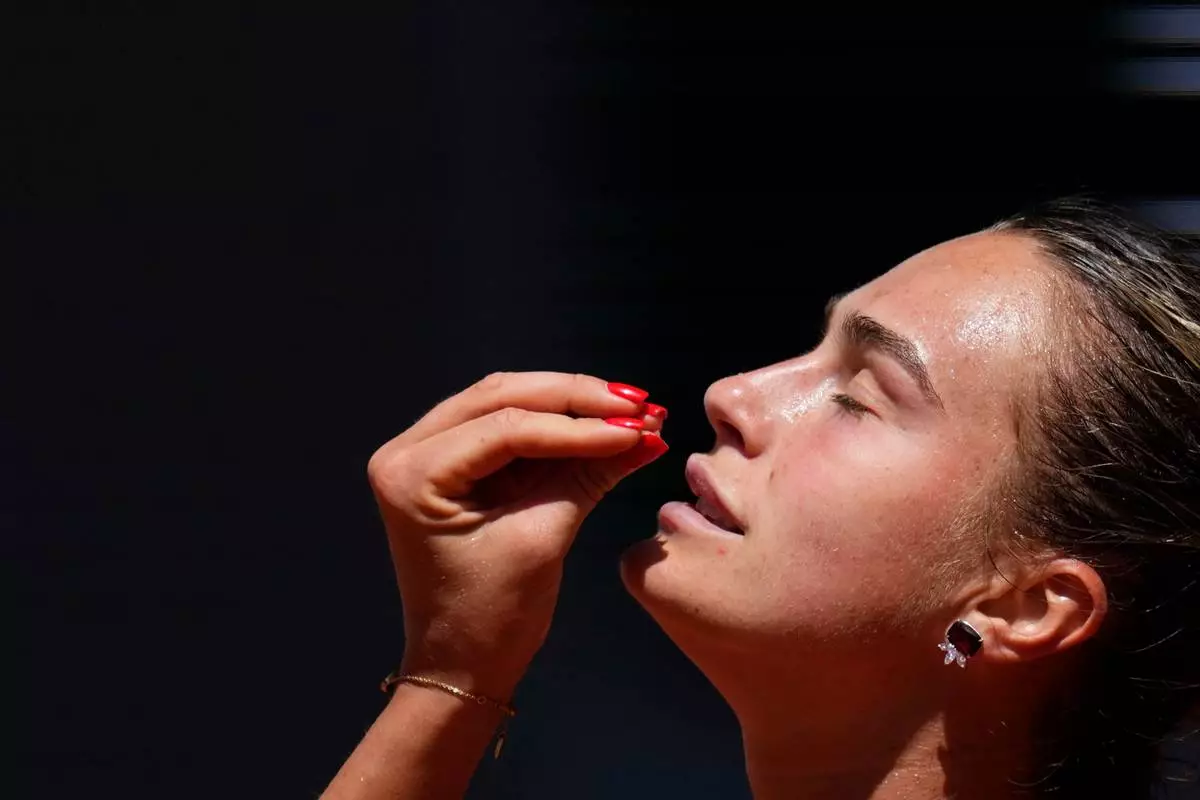
Aryna Sabalenka of Belarus reacts as she plays against Jessica Bouzas Maneiro of Spain during their first round women's singles tennis match at the French Open tennis tournament in Paris, Tuesday, May 26, 2026. (AP Photo/Christophe Ena)
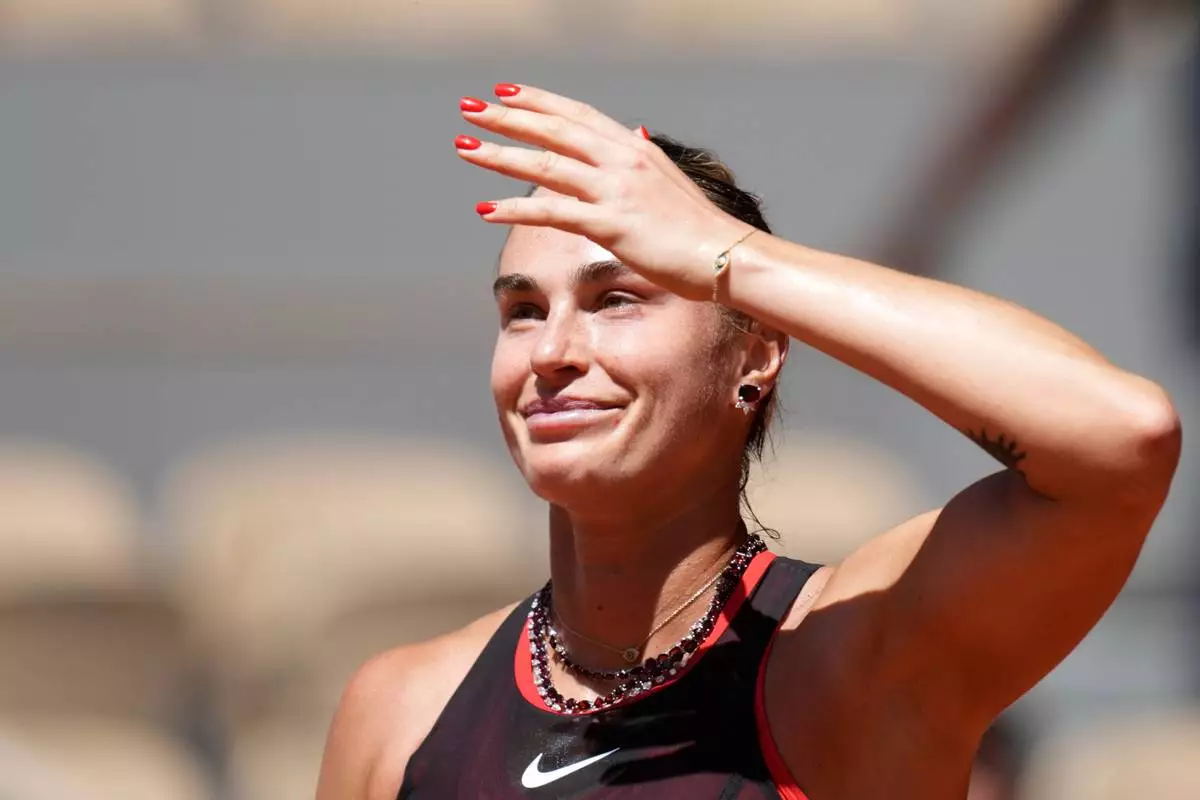
Aryna Sabalenka of Belarus celebrates after winning against Jessica Bouzas Maneiro of Spain during their first round women's singles tennis match at the French Open tennis tournament in Paris, Tuesday, May 26, 2026. (AP Photo/Christophe Ena)