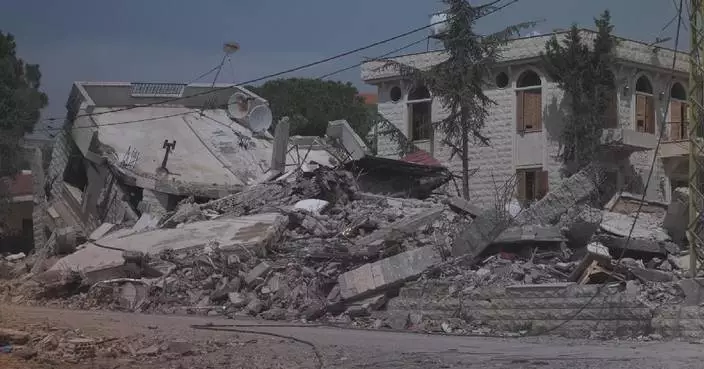
Flu cases have been surging across Japan, with many areas in the Tokyo area issuing flu alerts and more than 1,000 schools nationwide suspending classes.
According to the latest data released by the Ministry of Health, Labor and Welfare, designated medical institutions across Japan reported 24,276 flu cases in the week of Oct 20-26, approximately double the number of the previous week, and the tenth consecutive week of increases in cases numbers.
The first week this year with more than 20,000 recorded cases came about a month earlier than last year, the ministry noted.
Flu has been spreading in many other parts of Japan, with case numbers in several areas of the Kansai region increasing two to three times compared to the previous week.
As a result, 1,015 schools across the country have suspended classes, nearly triple the number from the prior week.
"If the flu spreads further, the situation will be even worse, so there's no other way but to keep schools closed. We can only wait until the situation improves before resuming classes," said a resident.
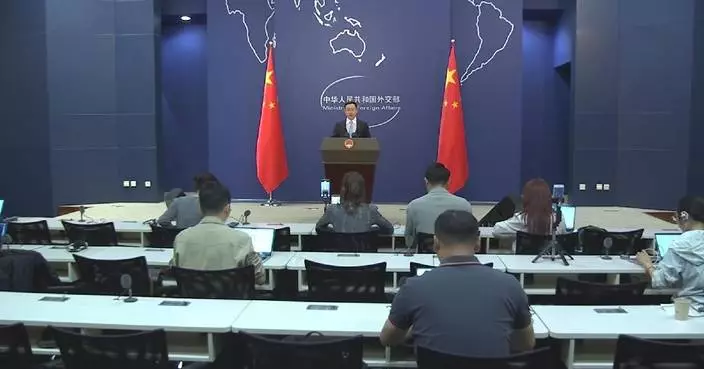
Chief Cabinet Secretary Yoshimasa Hayashi said at a press conference that efforts will be made to ensure the supply of medical resources, vaccines, and influenza medications in order to prevent further spread of the flu.
"I saw media reporting that there's a flu outbreak, so I got vaccinated at the end of October," said another resident.
The flu outbreak has exerted economic impact on Japan, driving up healthcare costs and disrupting productivity as workforce absences mount.

Japan grapples with surging flu outbreak
People across Iran took to the streets on Friday to mark International Quds Day, an annual event expressing support for Palestinians and condemnation of Israeli actions.
Several high-ranking Iranian officials also took part in the rallies in Tehran, including President Masoud Pezeshkian, Secretary of the Supreme National Security Council (SNSC) Ali Larijani, Judiciary Chief Gholamhossein Mohseni-Ejei as well as cabinet ministers, such as Foreign Minister Seyed Abbas Araghchi.
The event, established by Iran in 1979, is observed on the final Friday of the fasting month of Ramadan. This year, it fell on March 13 and amid the ongoing U.S.-Israeli strikes against Iran.
In the capital, people marched from 10 different locations towards the iconic Enghelab Square in central Tehran, while waving Iran's flags and holding pictures of Iran's late Supreme Leader Ali Khamenei and his successor, Mojtaba Khamenei.
The marchers condemned the "crimes" committed by the United States and Israel, voiced their support for the Iranian armed forces, and pledged allegiance to the new supreme leader.
According to the official news agency IRNA, Tehran's central areas near the rally path came under U.S. and Israeli airstrikes in the early minutes of the gathering, killing at least one person. Addressing reporters after the strikes, Larijani said the attacks are "out of fear and desperation."
Araghchi said despite the attacks today, millions of people have taken part in the rallies across Iran, which shows "the Iranians' firm determination and will in supporting" the country.
On Feb 28, Israel and the United States launched joint attacks on Tehran and several other Iranian cities, killing Iran's then Supreme Leader Ali Khamenei, along with senior military commanders and civilians. Iran responded by launching waves of missile and drone strikes targeting Israel and U.S. bases and assets in the Middle East.
Iran's Assembly of Experts on Sunday announced the appointment of Mojtaba Khamenei as Iran's new supreme leader.
Iranians hold mass rallies to mark Quds Day amid U.S.-Israeli attacks