REDWOOD CITY, Calif. (AP) — For the past decade, Dr. Priscilla Chan and her husband Mark Zuckerberg have focused part of their philanthropy on a lofty goal — “to cure, prevent or manage all disease" — if not in their lifetime, then in their children's. But during that time, they also funded underprivileged schools, immigration reform and efforts around diversity, equity and inclusion.
Now, the billionaire couple is shifting the bulk of their philanthropic resources to Biohub, the pair's science organization, and focusing on using artificial intelligence to accelerate scientific discovery. The idea is to develop virtual, AI-based cell models to understand how they work in the human body, study inflammation and use AI to “harness the immune system” for disease detection, prevention and treatment.
Click to Gallery
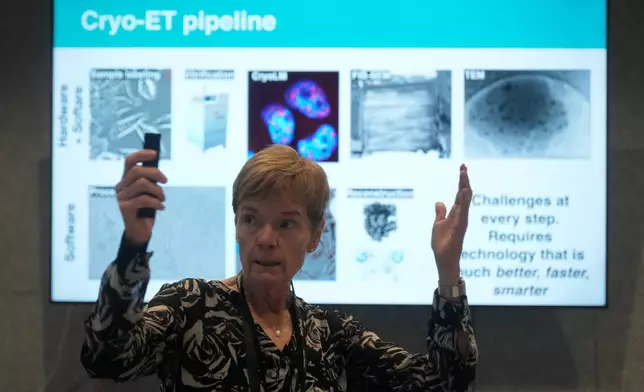
Biohub Founding Technical Director Bridget Carragher speaks during a tour of the Biohub Imaging Institute in Redwood City, Calif., Wednesday, Nov. 5, 2025. (AP Photo/Jeff Chiu)
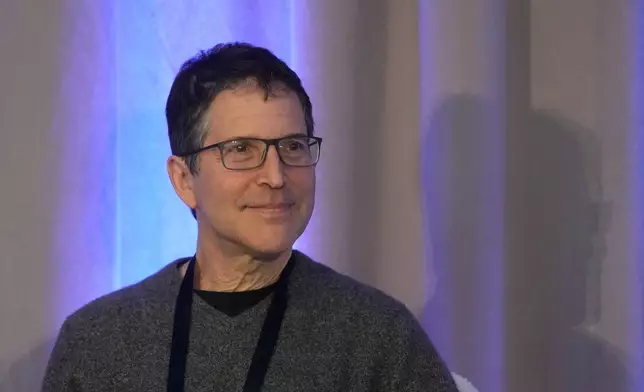
Dr. David Baker, Nobel laureate in chemistry, speaks during an event at the Biohub Imaging Institute in Redwood City, Calif., Wednesday, Nov. 5, 2025. (AP Photo/Jeff Chiu)
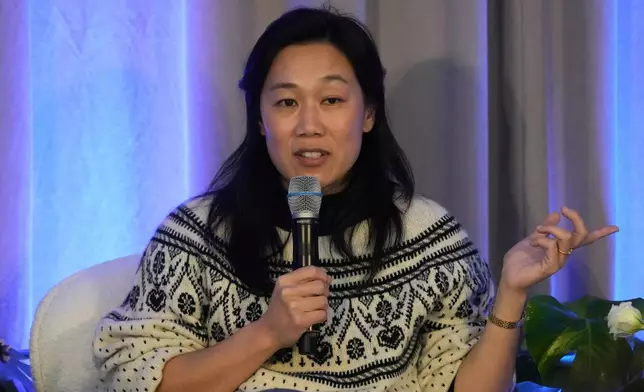
Priscilla Chan, co-founder and co-CEO of the Chan Zuckerberg Initiative (CZI), speaks during an event at the Biohub Imaging Institute in Redwood City, Calif., Wednesday, Nov. 5, 2025. (AP Photo/Jeff Chiu)
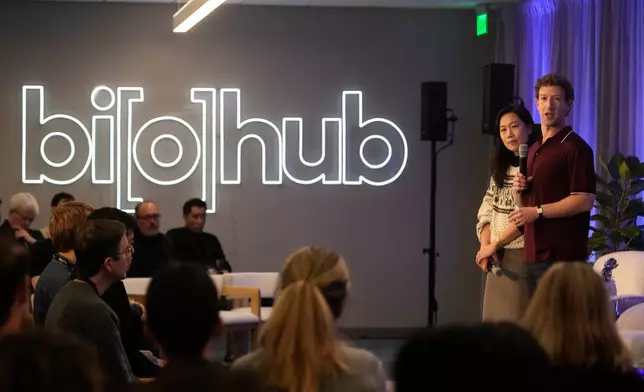
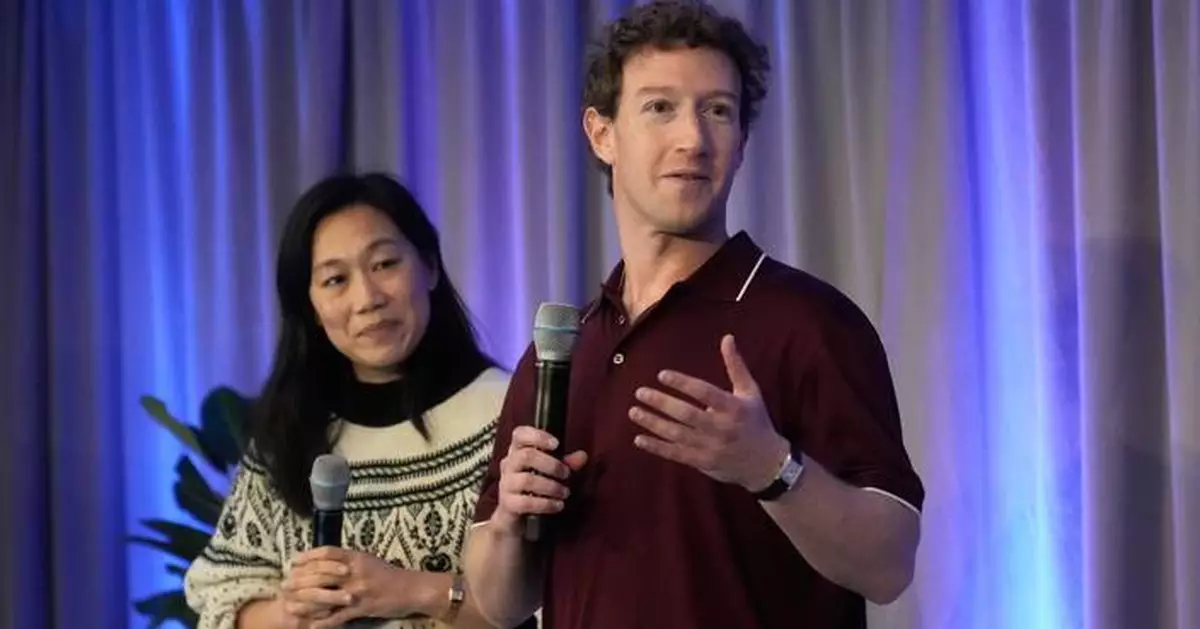
Meta CEO Mark Zuckerberg, right, speaks next to his wife, Priscilla Chan, co-founder and co-CEO of the Chan Zuckerberg Initiative (CZI), during an event at the Biohub Imaging Institute in Redwood City, Calif., Wednesday, Nov. 5, 2025. (AP Photo/Jeff Chiu)
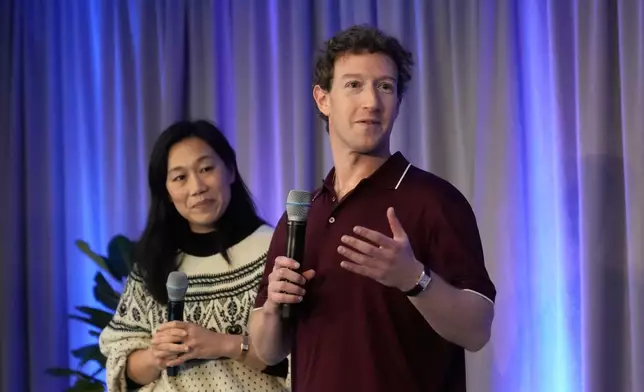
Meta CEO Mark Zuckerberg, right, speaks next to his wife, Priscilla Chan, co-founder and co-CEO of the Chan Zuckerberg Initiative (CZI), during an event at the Biohub Imaging Institute in Redwood City, Calif., Wednesday, Nov. 5, 2025. (AP Photo/Jeff Chiu)
“I feel like the science work that we’ve done, the Biohub model in particular, has been the most impactful thing that we have done. So we want to really double down on that. Biohub is going to be the main focus of our philanthropy going forward,” Zuckerberg said Wednesday evening at an event at the Biohub Imaging Institute in Redwood City, California. Three other Biohub institutes — in New York, San Francisco and Chicago, focus on addressing different scientific challenges.
Chan and Zuckerberg have pledged 99% of their lifetime wealth — from shares of Meta Platforms, where Zuckerberg is CEO — toward these efforts. Since 2016, when Biohub launched, they have donated $4 billion to basic science research, a figure that does not include operating expenses for running a large-scale computer cluster for life science research. The organization says it is now on track to double that amount over the next decade, with an operating budget of about $1 billion a year.
Last week, singer Billie Eilish told an audience that included Chan and Zuckerberg that rich people should do more to address the world’s problems.
“Love you all, but there’s a few people in here who have a lot more money than me,” she said, to a smattering of applause. “And if you’re a billionaire, why are you a billionaire? And no hate, but give your money away, shorties.”
The Chan Zuckerberg Initiative, the couple’s charitable organization, has been faced with criticism recently for curtailing its other philanthropic work. Earlier this year, it stopped funding grants related to diversity, equity and inclusion, immigration advocacy and other issues currently in the crosshairs of the Trump administration — though the focus has been shifting to science and away from social issues for years, the couple says, long before the 2024 election.
“So we basically looked at the ecosystem of science funding and decided that the place that we can make the biggest impact was on tool development,” Zuckerberg said. “And specifically working on long-term projects, 10 to 15 years, where the output of them was taking on a biological challenge that would produce a tool that scientists everywhere could use to accelerate the pace of science.”
The organization earlier this year scrubbed its website's mentions of DEI, including a statement saying “People of color and marginalized communities have experienced a long history of exploitation in the name of scientific research, and indeed science has itself been deployed as a tool of oppression.”
“Going forward, Biohub will be our primary philanthropic effort and where we’ll dedicate the vast majority of our resources,” Zuckerberg and Chan said in a blog post Thursday. “We will continue our other philanthropic efforts as well, but the Chan Zuckerberg Initiative will serve as infrastructure and support for our initiatives.”
Zuckerberg and Chan’s increased commitment to science research comes as the Trump administration has cut billions in scientific research and public health funding.
Chan, who had worked as a pediatrician and treated children with rare diseases, says what she wanted “more than anything was a way to see what was happening inside their cells — how genetic mutations were expressed in different cell types and what, exactly, was breaking down.”
“Until now, that kind of understanding has been out of reach. AI is changing that. For the first time, we have the potential to model and predict the biology of disease in ways that can reveal what’s gone wrong and how we can develop new treatments to address it,” she said.
On Thursday, Chan and Zuckerberg also announced that Biohub has hired the team at EvolutionaryScale, an AI research lab that has created large-scale AI systems for the life sciences. Alex Rives, EvolutionaryScale’s co-founder, will serve as Biohub's head of science, leading research efforts on experimental biology, data and artificial intelligence. The financial terms were not disclosed.
Biohub's ambition for the next years and decades is to create virtual cell systems that would not have been possible without recent advances in AI. Similar to how large language models learn from vast databases of digital books, online writings and other media, its researchers and scientists are working toward building virtual systems that serve as digital representations of human physiology on all levels, such as molecular, cellular or genome. As it is open source — free and publicly available — scientists can then conduct virtual experiments on a scale not possible in physical laboratories.
Noting that Biohub launched when the couple had their first child, Chan listed off some of the organization’s accomplishments, ranging from building the largest single-cell data set, contributing to one of the largest human cell maps, building sensors to measure inflammation in real-time in living cells and researching rare diseases.
That work continues, with a focus on using AI to advance biomedical research.
“And to anchor it back onto the impact on patients, you know, why do this?” Chan said. “It’s like, why is a virtual cell important? We have cured diseases for mice and for flies and for zebrafish, many, many times. And that’s great. But we want to make sure that we are actually using biology to push the forefront of medicine for people — and that is so promising.”
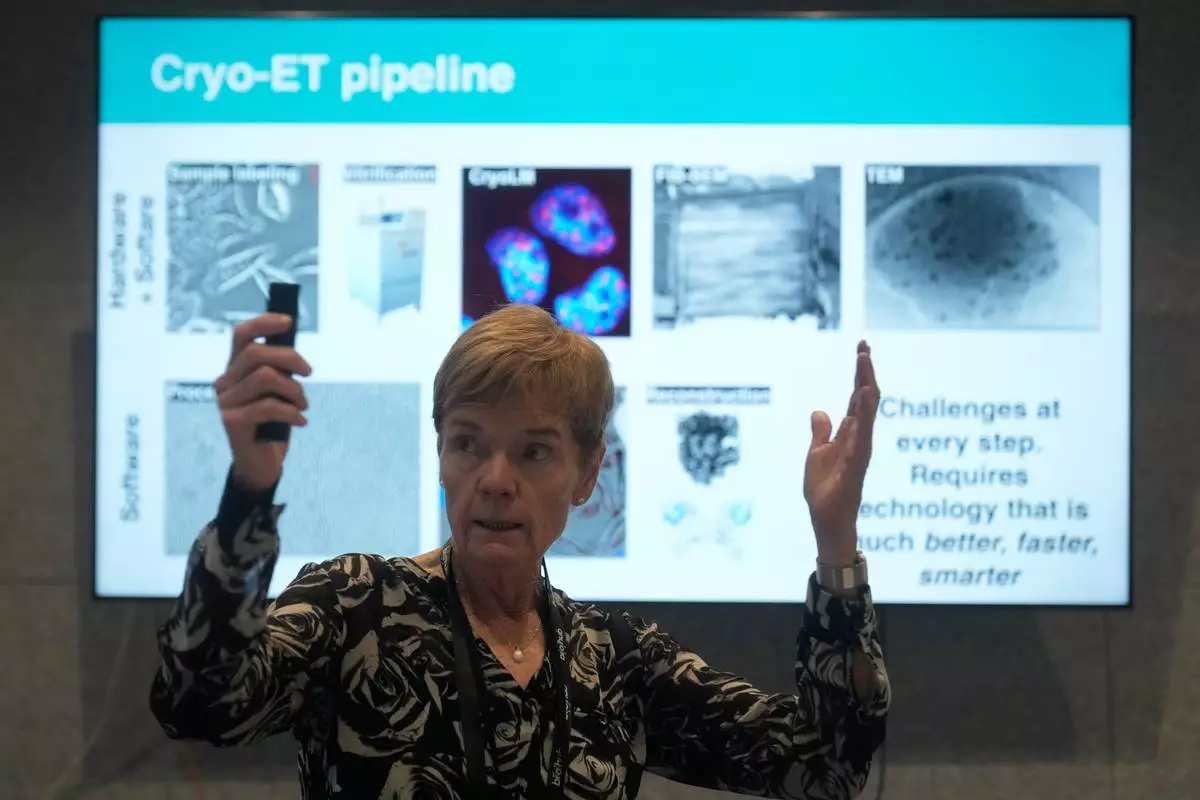
Biohub Founding Technical Director Bridget Carragher speaks during a tour of the Biohub Imaging Institute in Redwood City, Calif., Wednesday, Nov. 5, 2025. (AP Photo/Jeff Chiu)

Dr. David Baker, Nobel laureate in chemistry, speaks during an event at the Biohub Imaging Institute in Redwood City, Calif., Wednesday, Nov. 5, 2025. (AP Photo/Jeff Chiu)
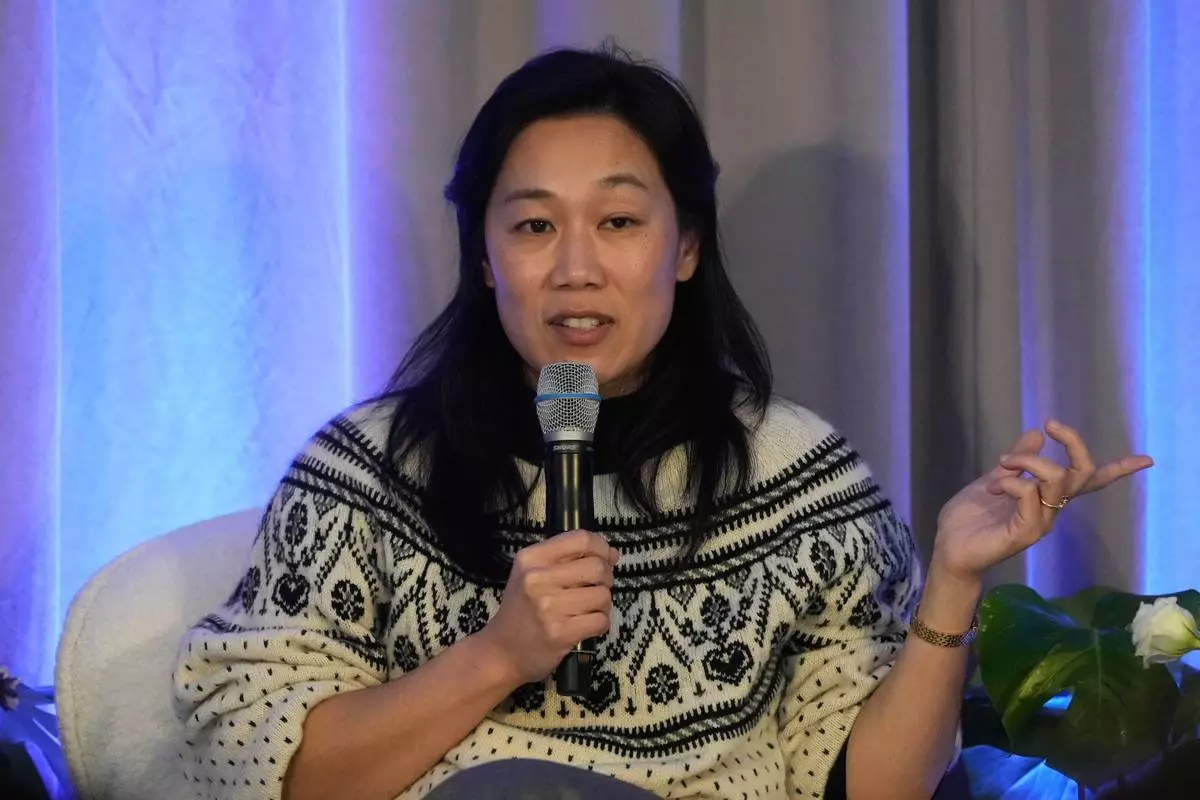
Priscilla Chan, co-founder and co-CEO of the Chan Zuckerberg Initiative (CZI), speaks during an event at the Biohub Imaging Institute in Redwood City, Calif., Wednesday, Nov. 5, 2025. (AP Photo/Jeff Chiu)
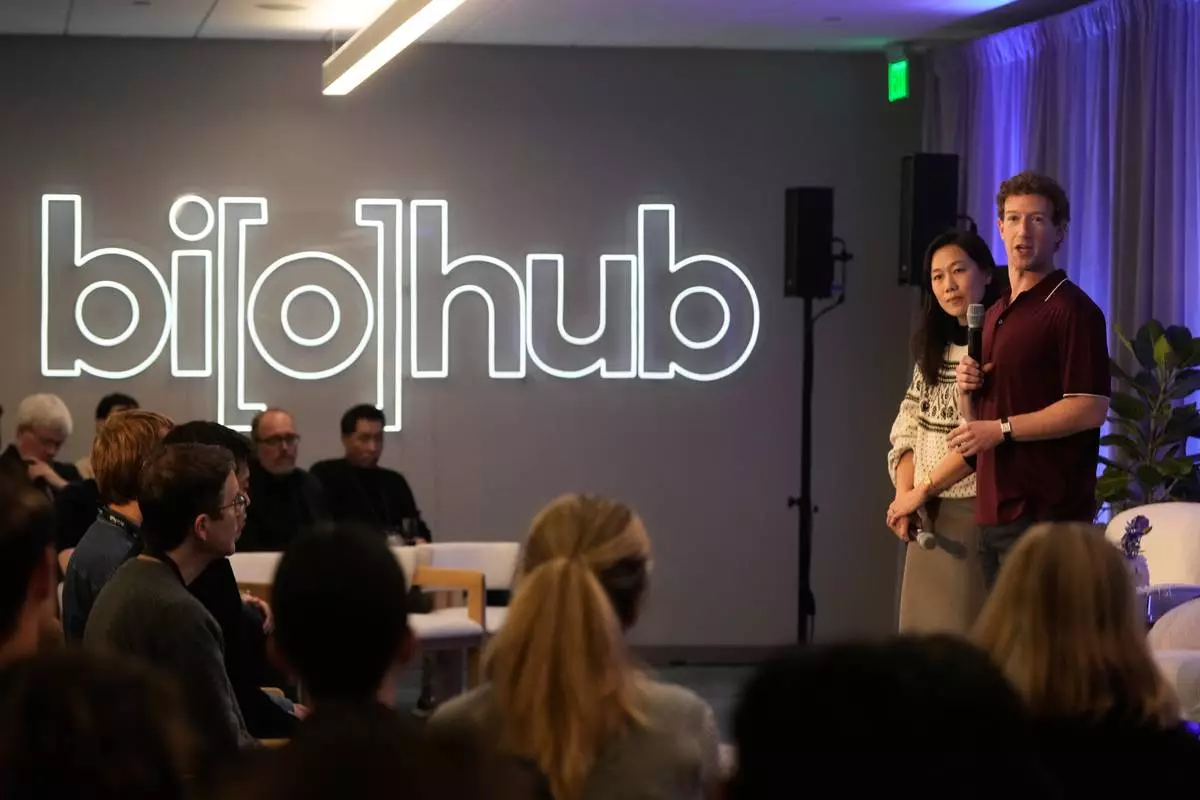
Meta CEO Mark Zuckerberg, right, speaks next to his wife, Priscilla Chan, co-founder and co-CEO of the Chan Zuckerberg Initiative (CZI), during an event at the Biohub Imaging Institute in Redwood City, Calif., Wednesday, Nov. 5, 2025. (AP Photo/Jeff Chiu)
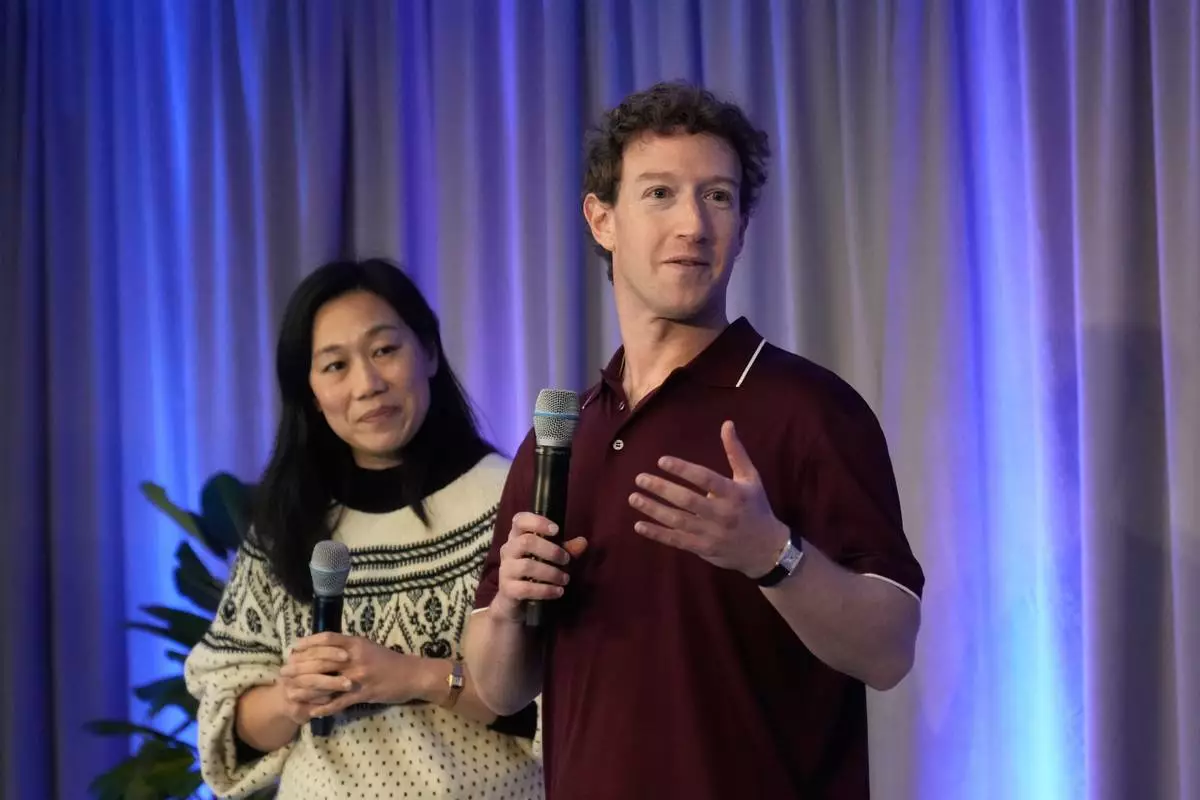
Meta CEO Mark Zuckerberg, right, speaks next to his wife, Priscilla Chan, co-founder and co-CEO of the Chan Zuckerberg Initiative (CZI), during an event at the Biohub Imaging Institute in Redwood City, Calif., Wednesday, Nov. 5, 2025. (AP Photo/Jeff Chiu)