The year 2025 is likely to be the second or third warmest year on record amid intensifying global warming, according to a report released by World Meteorological Organization (WMO) on Tuesday.
According to the State of the Climate Update for COP30, the average global mean near-surface temperature was about 1.42 degrees Celsius higher than the pre-industrial average, while greenhouse gases atmospheric concentrations and ocean heat content reached record observed levels in 2024 and continue to rise in 2025.
Arctic sea-ice extent in March 2025 was the lowest annual maximum in the satellite record and Antarctic sea-ice extent has remained well below average throughout 2025 to date, the report said.
The compounding impacts of high temperature and extreme weather events have damaged cropland, eroded livelihoods and deepened poverty, and contributed to displacement across multiple regions, according to the report.
Celeste Saulo, WMO Secretary General, underscored that it is nearly impossible to reach the goal of limiting global temperature rise within 1.5 degrees Celsius above the pre-industrial level within the next few years, but there is no need to be over-pessimistic as the trend is still reversible.
A previous WMO report said that by estimation, global temperature will continue to be at or near the record level, increasing climate risks and impacts on society, economy and sustainable development.
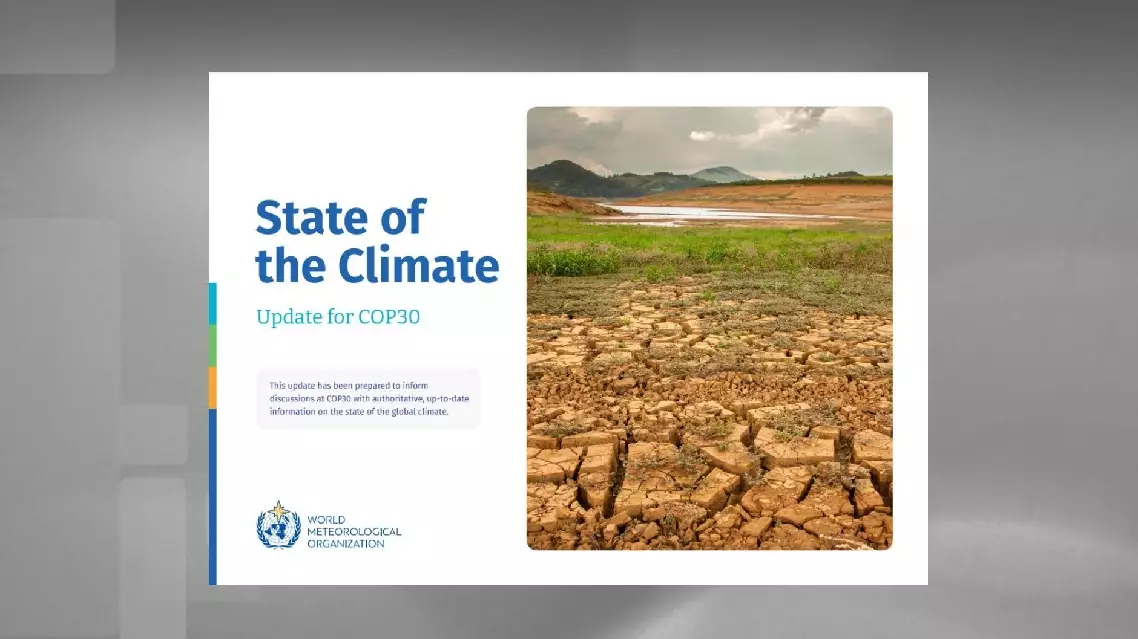
2025 likely among warmest years on record: UN climate organization
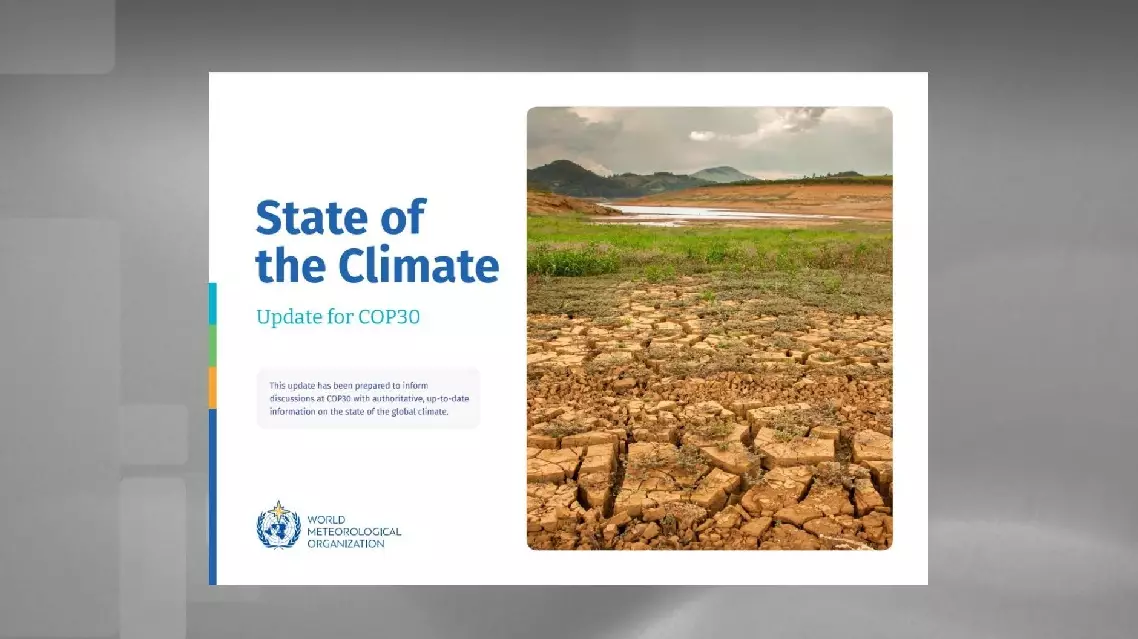
2025 likely among warmest years on record: UN climate organization
Iran's Foreign Ministry on Wednesday dismissed U.S. President Donald Trump's remarks about Iran seeking a ceasefire as "false and baseless," according to state-run Press TV.
Foreign Ministry spokesman Esmaeil Baghaei pushed back against Trump's remarks on social media platform Truth Social that the Iranian president "has just asked the United States of America for a ceasefire."
Trump added, "We will consider when the Hormuz Strait is open, free, and clear. Until then, we are blasting Iran into oblivion or, as they say, back to the Stone Ages!"
Trump has repeatedly claimed in recent days that Iran is seeking negotiations to end the war.
Iranian Foreign Minister Seyed Abbas Araghchi acknowledged that messages have been exchanged between Iran and the United States through intermediaries over the past few days, but stressed that no negotiations have taken place.
On the same day, Masoud Pezeshkian, Iran's President, released a letter addressed to the American people, saying the Iranian people harbor no enmity toward American people, accusing the U.S. administration of fighting Iran as a "proxy for Israel."
"The Iranian people harbor no enmity toward other nations, including the people of America, Europe, or neighboring countries," Pezeshkian said, adding, "Even in the face of repeated foreign interventions and pressures throughout their proud history, Iranians have consistently drawn a clear distinction between governments and the peoples they govern."
In response to Trump's threats of conducting large-scale strikes on Iranian energy facilities, he said attacking the country's vital infrastructure directly targets the Iranian people, stressing that such actions constitute "war crimes" and involve consequences extending beyond Iran's borders.
Israel and the United States launched joint attacks on Tehran and several other Iranian cities on Feb. 28, killing Iran's then Supreme Leader Ali Khamenei, along with senior military commanders and civilians. Iran responded with waves of missile and drone strikes against Israel and U.S. assets in the Middle East, while tightening control over the Strait of Hormuz by restricting passage to vessels belonging to or affiliated with Israel and the United States.
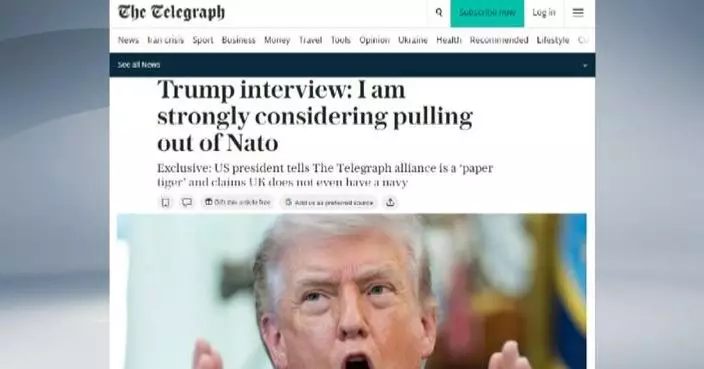
Wednesday's report by The Telegraph quoted Trump as saying he was strongly considering pulling the United States out of the North Atlantic Treaty Organization (NATO) after the alliance failed to join the attacks on Iran.
Trump expressed dissatisfaction with NATO for "not being there," saying it was "actually hard to believe."
Responding to the U.S. president's remarks, British Prime Minister Keir Starmer said at a press conference at 10 Downing that Street Britain would act in its national interest and would not change its position on the Iran war.
French President Emmanuel Macron said on Wednesday that France is not taking part in the U.S.-Israel military action. The Elysee Palace also reaffirmed that France's position remains unchanged.
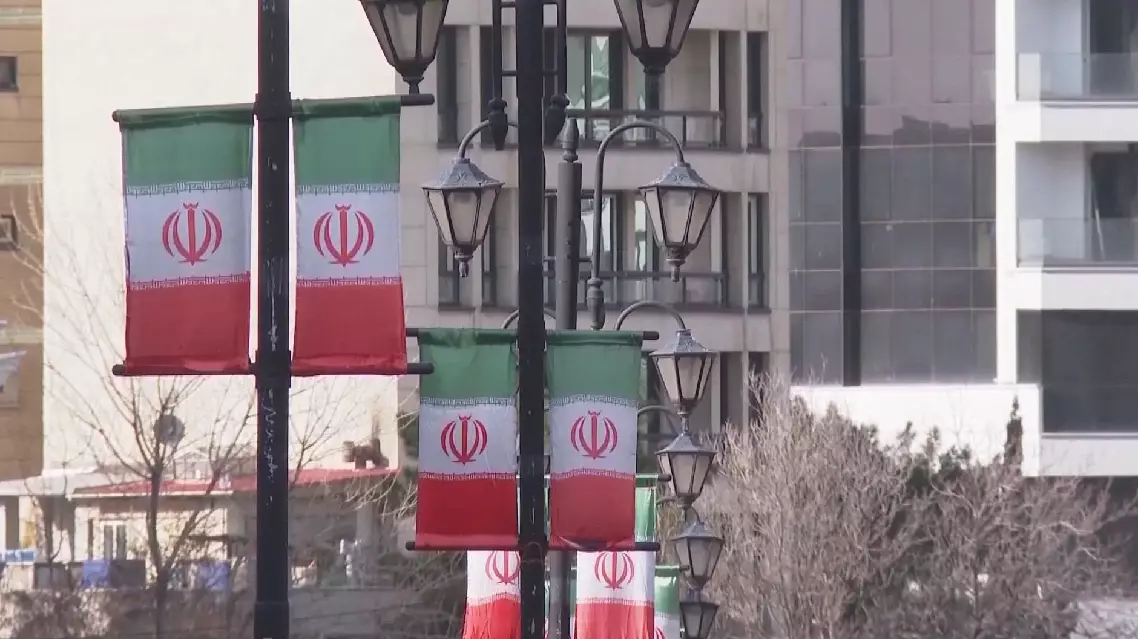
Iran rejects Trump's ceasefire claim as "false and baseless"