China on Saturday begun building of the world's first ultra-supercritical coal-fired power generation unit operating at 650 degrees Celsius, another step in the country's push for cleaner and more efficient coal energy.
The unit, located at the Yuhuan Power Plant in eastern Zhejiang Province, is part of the plant's Phase IV expansion and will contain a ultra-supercritical coal-fired power generator with a main steam pressure of 35 megapascals. Both the main and reheat steam temperatures will reach 650 degrees Celsius, the highest parameters ever recorded for a coal-fire unit globally.
Huaneng said the project uses high-temperature alloy materials developed by itself, ensuring a full domestic control over key technologies.
Once completed, the project will set new records for the highest operating parameters and lowest coal consumption among coal-fired power units, a milestone in clean coal technology and high-efficiency thermal power.
"The Phase IV project of Huaneng Yuhuan Power Plant involves the building of a 1,000 megawatt single-reheat coal-fire ultra-supercritical generator unit operating at 650 degrees Celsius. Compared to existing coal-fired units, it is expected to improve power generation efficiency by about four percentage points, reduce coal consumption per kilowatt-hour by around 10 percent, and cut annual carbon dioxide emissions by an estimated 450,000 tons. The project will provide significant support for China's energy security and its dual carbon goals," said Xie Jigang, Party secretary of the Yuhuan Power Plant.
China has been pushing for advanced coal technologies to balance its energy needs with climate commitments, including its pledge to peak carbon emissions before 2030 and achieve carbon neutrality by 2060.
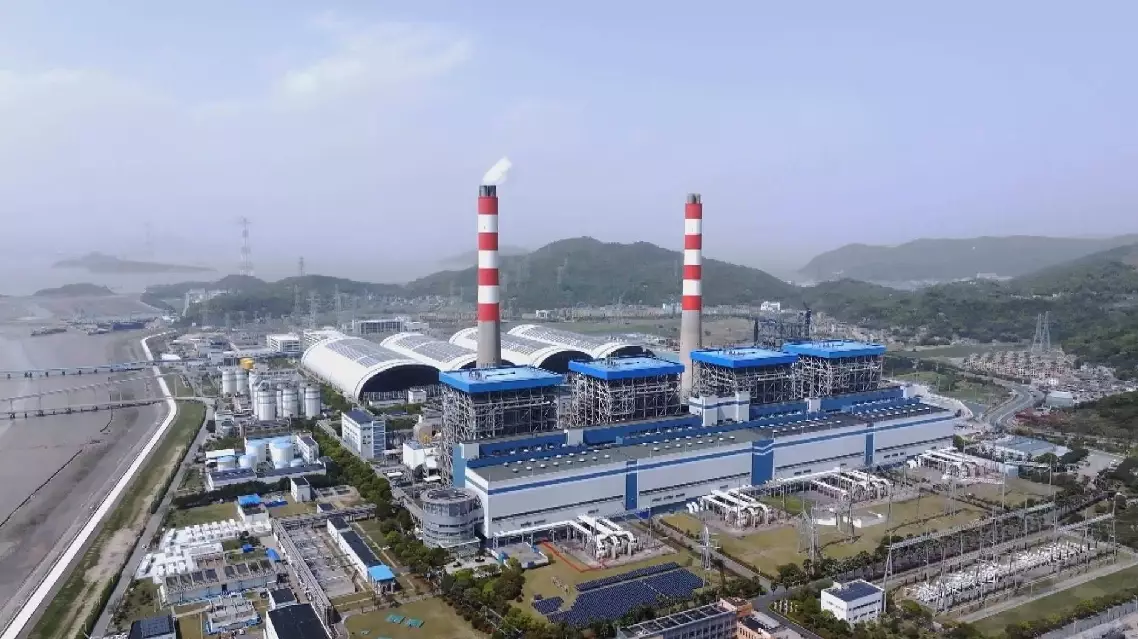
China starts building of 650 degrees Celsius ultra-supercritical coal power unit
Iranian President Masoud Pezeshkian said Sunday that decisions on war and negotiations rest with Iran's leadership and the Supreme National Security Council, as U.S. Defense Secretary Pete Hegseth said the two countries were still expected to sign a memorandum of understanding later in the day.
At a meeting on Sunday, Pezeshkian said that everyone must obey the decisions made by Iran's Supreme Leader, adding that the Iranian government simultaneously pursues the well-being of its people, national sovereignty, and the development of regional relations.
He stressed that through internal unity, proactive diplomacy, and economic reforms, Iran will overcome challenges.
On the same day, prior to Israel's attack on Lebanon, a source close to the Iranian negotiating team said a Qatari negotiating delegation was in Tehran, Iran's capital, and that the Iranian side was using the Qatari team to convey to the United States the terms it hoped to include in an Iran-U.S. agreement, as well as specific details it considered important.
The source emphasized that no final decision had been reached yet.
Regarding the ups and downs in the negotiations, the source said that, despite setbacks, Iran remains committed to the principle that all of its concerns must ultimately be fully taken into account. The source added that even if Iran's positions are fully reflected in the agreement, Tehran will not sign any deal within the timeframe announced by U.S. President Donald Trump.
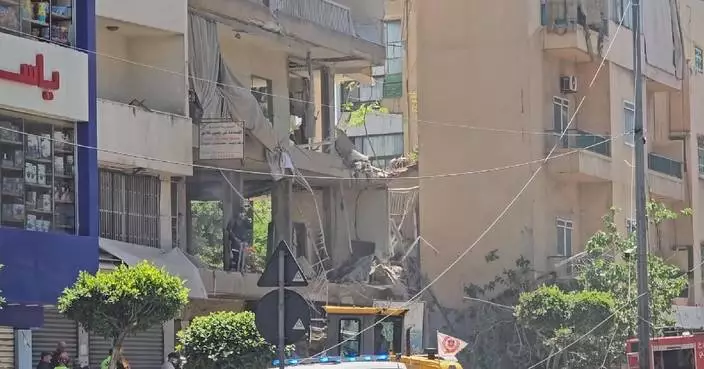
On Sunday, the Israeli military again launched an airstrike in Beirut's southern suburbs in Lebanon.
In response, Iranian Parliament Speaker Mohammad Bagher Ghalibaf said on social media that the Israeli strike had once again shown the United States "either lacks the will to fulfill its commitments or the ability to do so," making it impossible to continue the dialogue process.
Meanwhile, U.S. Defense Secretary Pete Hegseth said Sunday that the U.S. and Iran still had a good chance of signing a memorandum of understanding later in the day, which would restart cargo traffic through the Strait of Hormuz and lift U.S. blockades on Iranian ports.
In an interview with U.S. media, Hegseth said the two countries are "on track to" sign a deal to end fighting on Sunday.
"It's not a matter of if, it's a matter of when," he said.
Hegseth said that after the agreement is signed, the U.S. and Iran will have 60 days to negotiate a longer-term peace arrangement and tackle broader issues, including Iran's nuclear program.
He said that the agreement is performance-based, meaning that no funds will be released to Iran until the Iranian side performs.
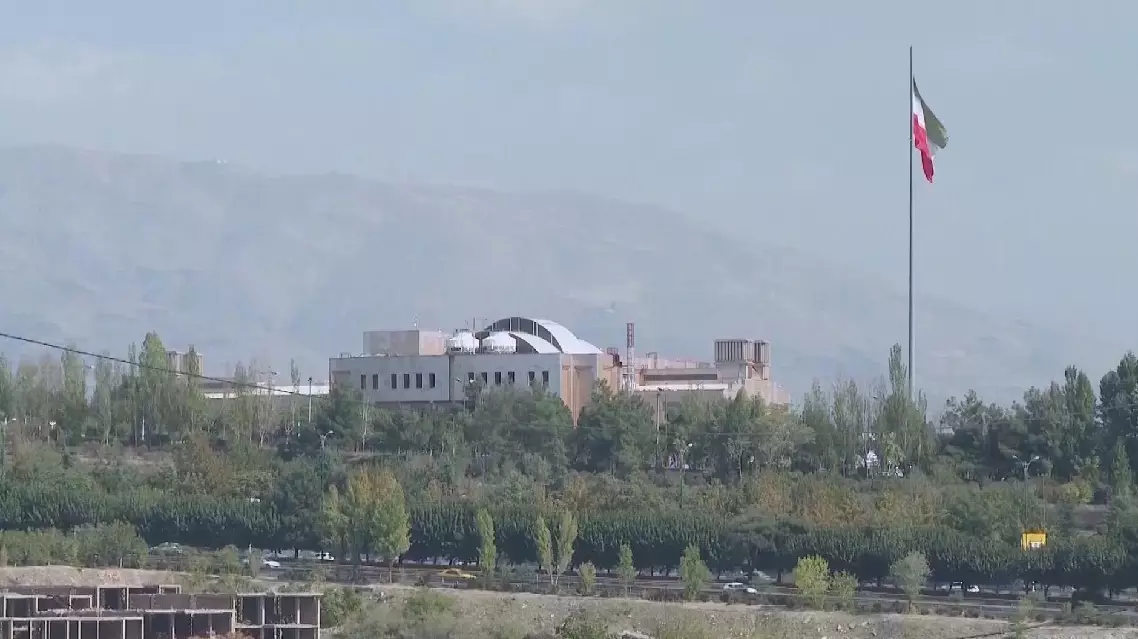
Iranian president says Iran's leadership decides on war, talk; US defense secretary expects MoU signed on Sunday