Electric vertical takeoff and landing (eVTOL) aircraft designed by Chinese startup Vertaxi have become a highlight at the ongoing 8th China International Import Expo (CIIE) as the company unveils its vision for the future of autonomous flight without the need for a runway.
Alongside world-leading car and high-tech manufacturers that have been showcasing breakthroughs in smart technology, safety, and sustainability at the expo, Vertaxi took the limelight in the low-altitude economy category.
The company's eVTOLs at the ongoing event stand atop "vertiports" -- platforms designed specifically to accommodate air taxis and low-altitude aircraft.
"We believe vertiports like this will be in every corner of the city just like bus stops. This is our fresh model M1. Its design range is about 250 kilometer and its cruising speed is around 200 kilometers per hour. It is designed to solve the short distance travel inter or between cities or even between islands. It supports autonomous flight, so it does not require pilots and it does not require a runway," said Chen Xinyi, a marketing manager of the company.
Chen said the company is aiming to fully certify their eVTOLs in the coming years and enter full-scale production soon after.
"We have already applied for TC (type certification) from CAAC (Civil Aviation Administration Of China) in January 2023. We are about to get our cargo certification first in 2026, and the passenger certification in 2027 or 2028, and scale up business operation in 2030," she said.
Themed "New Era, Shared Future", this year's CIIE runs from Nov 5 to 10. It features the largest exhibition area in its history and a record 4,108 overseas exhibitors from 155 countries, regions, and international organizations.
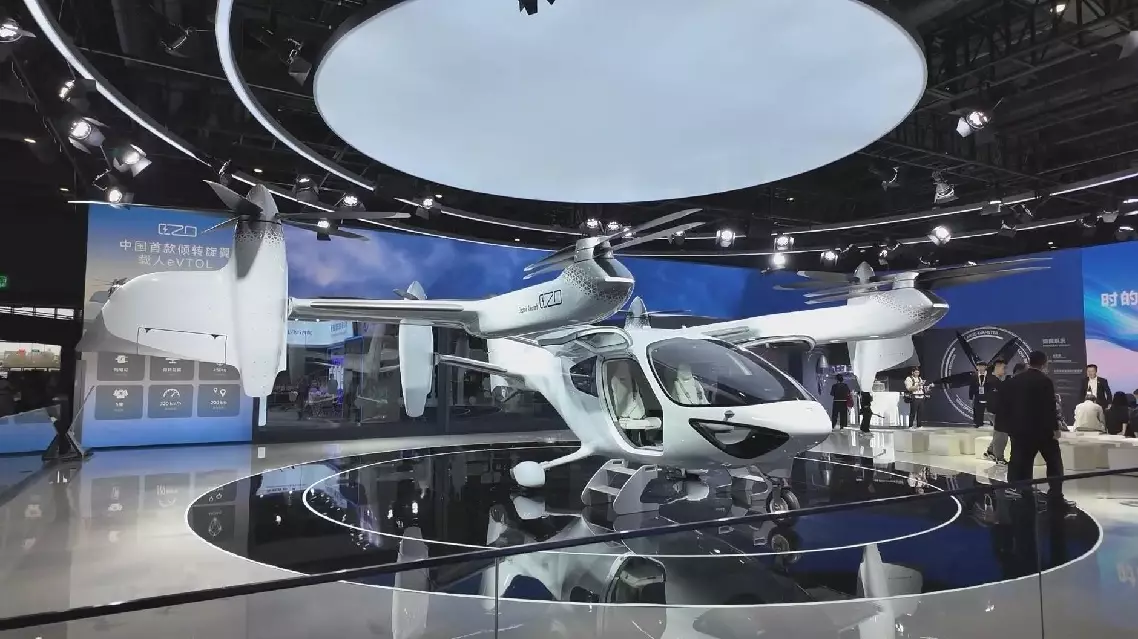
China-designed air taxi draws eyes at 8th CIIE
The price of aluminum, a key industrial metal used in automotive manufacturing, construction and packaging, has been climbing as production cuts in the Gulf region, logistical constraints and Iranian attacks on two regional producers over the weekend tightened supply.
On March 31, the benchmark London Metal Exchange (LME) three-month price for aluminum rose to 3,535 U.S. dollars per metric ton, a year-on-year increase of around 40 percent.
Iran's Islamic Revolutionary Guard Corps (IRGC) said on Sunday that they launched missile and drone strikes on aluminum plants in Bahrain and the UAE that are linked to the U.S. military and aerospace industries, in retaliation for U.S.-Israeli attacks on Iranian steel factories.
Emirates Global Aluminium issued a statement saying that its Al Taweela site in the Khalifa Economic Zone in Abu Dhabi was severely damaged after Iranian strikes, with some employees injured.
Aluminum Bahrain confirmed in a statement on Sunday that some of its facilities were struck by Iranian attacks, resulting in injuries to two employees.
The two aluminum plants have a combined annual output of 3.2 million tons, more than half of the approximately 6 million tons of aluminum produced every year by Gulf Cooperation Council (GCC) member states.
The region is a key source of aluminum supply, accounting for about 9 percent of global production.
Goldman Sachs on Tuesday raised its LME aluminum price forecast from 3,200 U.S. dollars to 3,450 U.S. dollars per ton for the second quarter of 2026 after the attacks on the facilities.
Goldman Sachs also predicted a global primary aluminum market supply deficit of 570,000 tons in 2026, a sharp turnaround from its previous forecast of a 550,000-ton surplus.
Analysts point out that the aluminum market is currently facing multiple shocks, with shipping in the Strait of Hormuz disrupted, aluminum production facilities in the Gulf damaged or even shut down, and production in other parts of the world currently limited.
The impact will also spread to downstream enterprises in the coming months, with higher-cost aluminum alloys, primarily used in the aerospace, automotive, and construction industries, facing the most constrained supply, analysts said.
The Gulf region has long been a significant source of these high-end products, particularly for the European market, and also supplies manufacturers in the United States.
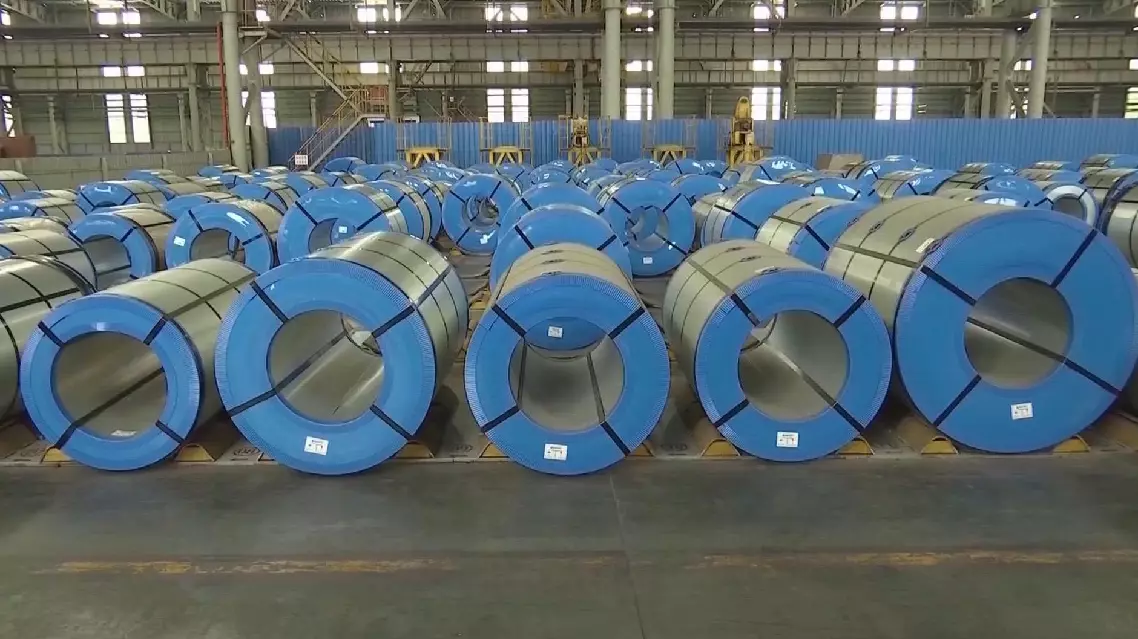
Aluminum prices climb as effects of Middle East tensions spread through global economy