China witnessed signs of improvement in factory-gate prices in October 2025, with the decline in its producer price index (PPI) continuing to narrow, official data showed Sunday.
The PPI, which measures costs for goods at the factory gate, went down 2.1 percent year on year in October, the National Bureau of Statistics (NBS) said, noting that the decline narrowed by 0.2 percentage points from the previous month -- marking the third consecutive month of narrowing.
NBS statistician Dong Lijuan attributed the narrowed year-on-year decline in PPI to adjustments of production capacity in major industries, accelerated efforts to establish a modernized industrial system, and the unleashing of consumption potential.
On a monthly basis, the PPI went up 0.1 percent, representing the first rise this year, the data revealed.
In October, improvements in the supply and demand structure led to price increases in certain sectors -- such as the coal mining and processing industry, Dong said, noting that international price changes also impacted the prices of some domestic industries.
Last month, rising international non-ferrous metals prices had driven month-on-month price increases in the domestic non-ferrous metals industry, while lower international oil prices led to price drops in the domestic oil and natural gas sectors, Dong added.
Sunday's data also showed that China's consumer price index, a main gauge of inflation -- was up 0.2 percent year on year in October.
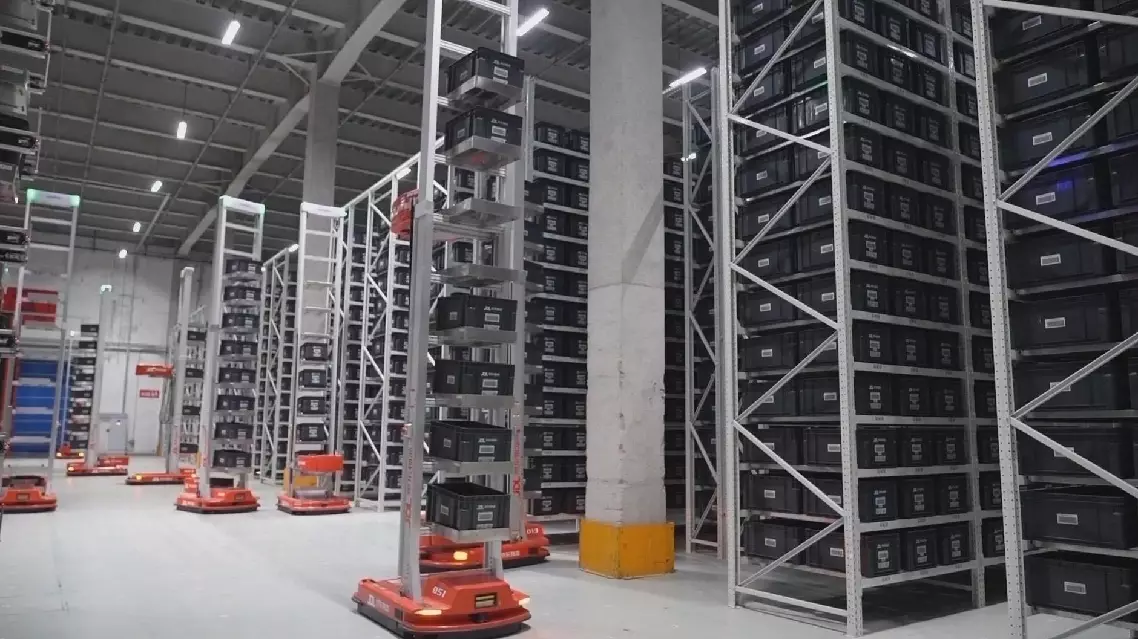
China's PPI down 2.1 pct in October
U.S. stocks ended mixed on Monday with the S and P 500 and the Nasdaq Composite Index closing at record highs as investors assessed a reported Iranian proposal to reopen the Strait of Hormuz.
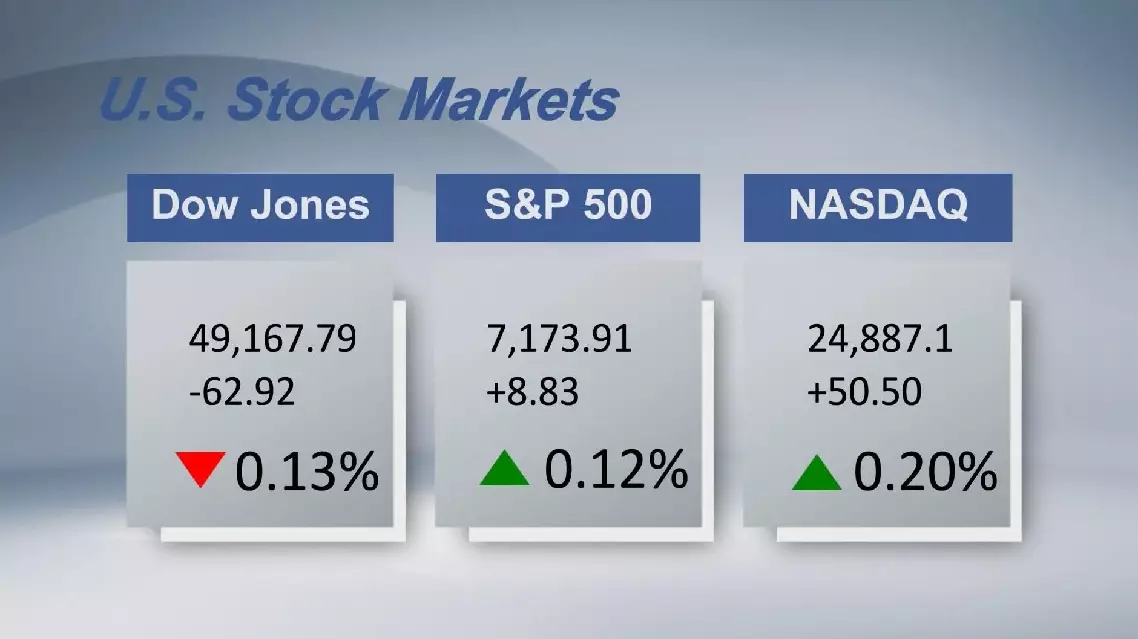
The Dow Jones Industrial Average fell 0.13 percent to 49,167.79. The S and P 500 added 0.12 percent to 7,173.91. The Nasdaq Composite Index increased 0.2 percent to 24,887.1.
Eight of the 11 primary S and P 500 sectors ended in red, with consumer staples and real estate leading the laggards by dropping 1.18 percent and 0.84 percent, respectively. Communication services and financials led the gainers by rising 0.94 percent and 0.65 percent, respectively.
According to an Axios report, Iran offered the United States a new proposal to reopen the Strait of Hormuz and end the conflict, while suggesting that nuclear talks be deferred.
However, Iran's Foreign Ministry spokesperson Esmaeil Baqaei stated that no meeting between Tehran and Washington is currently planned.
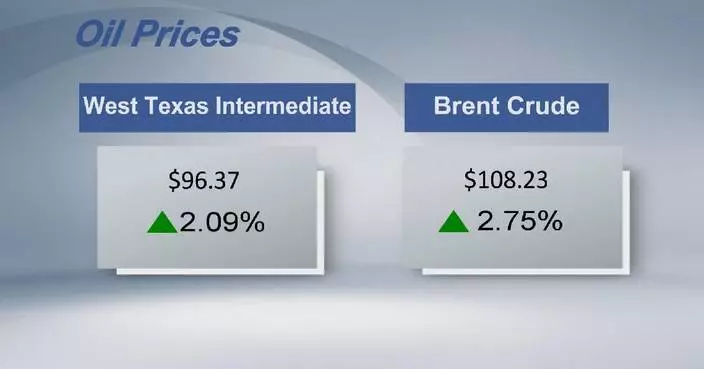
Oil prices rose, as the West Texas Intermediate for June delivery went up 2.09 percent to settle at 96.37 U.S. dollars a barrel on the New York Mercantile Exchange. Brent crude for June delivery added 2.75 percent to settle at 108.23 dollars a barrel on the London ICE Futures Exchange.
Microsoft was little changed after the company announced it would no longer have exclusive access to OpenAI's technology lineup, and a related revenue-sharing agreement was also set to end.
Market attention is now turning to the Federal Reserve's two-day policy meeting, which starts Tuesday. The central bank is widely expected to keep interest rates unchanged amid the uncertainty caused by the Iran conflict and its potential inflationary effects.
The upcoming meeting is expected to be Federal Reserve Chair Jerome Powell's penultimate one before the leadership transition to Kevin Warsh, who will face a crucial Senate confirmation vote in the near term.
U.S. stocks little changed as investors weigh Iran proposal