Skip to Content Facebook Feature Image

Hamas claims completion of first phase of ceasefire deal

HotTV

HotTV

HotTV

Hamas claims completion of first phase of ceasefire deal

2025-11-13 09:11 Last Updated At:11-14 14:59

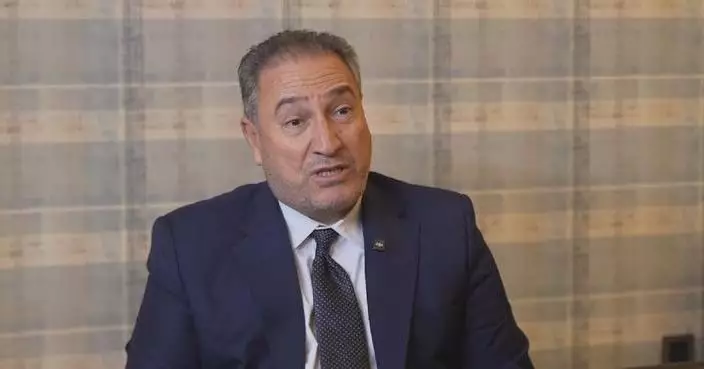
A senior Hamas official claimed on Tuesday that the group had completed the first phase of its ceasefire agreement with Israel, as the second phase and Gaza's future governance remain uncertain amid ongoing tensions.

Senior Hamas official Osama Hamdan described the recently reached ceasefire deal with Israel as only a "preliminary agreement", not a comprehensive or final settlement, saying that Hamas had fulfilled its obligations under the first phase.

Hamdan warned that the greatest threat now comes from Israeli Prime Minister Benjamin Netanyahu's so-called "Greater Israel" vision, which he said poses a deep and lasting danger to regional stability.

The so-called "Greater Israel" refers to an expansionist vision that lays claim to not only the occupied West Bank and Gaza, but also parts of Lebanon, Syria, Egypt, and Jordan, a geopolitical map that reaches far beyond Israel's borders.

On the same day, during a visit to France, Palestinian President Mahmoud Abbas said that the drafting of the provisional constitution of the state of Palestine, along with the laws on elections and political parties, was nearing completion. He reaffirmed that presidential and parliamentary elections would be held once the conflict in Gaza comes to an end.

Since the first phase of the Gaza ceasefire took effect on Oct 10, progress has been made in the transfer of the remains of hostages, the suspension of large-scale Israeli military operations, and others.

The International Committee of the Red Cross (ICRC) said on Monday that it had facilitated the return of the bodies of 300 Palestinians, 23 Israelis, and people of other nationalities since the truce began.

However, both Israel and Hamas have repeatedly accused each other of breaching the ceasefire, with sporadic clashes still reported. Gaza's health authorities said on Tuesday that Israeli attacks since the truce took effect have killed 245 people and wounded 623.

On Monday, Jared Kushner, former White House senior adviser and son-in-law of U.S. President Donald Trump, met with Netanyahu in Israel to discuss the second phase of the ceasefire plan. The talks reportedly covered proposals to disarm Hamas, demilitarize Gaza, prevent Hamas from regaining control of Gaza, and possibly deploy a multinational peacekeeping force in the enclave.

Analysts say the first phase of the truce largely focused on humanitarian relief and short-term measures, while the second phase will involve complex political negotiations and long-term security arrangements -- making it far more complex and challenging to achieve.

Hamas claims completion of first phase of ceasefire deal

Hamas claims completion of first phase of ceasefire deal
Hamas claims completion of first phase of ceasefire deal

Hamas claims completion of first phase of ceasefire deal

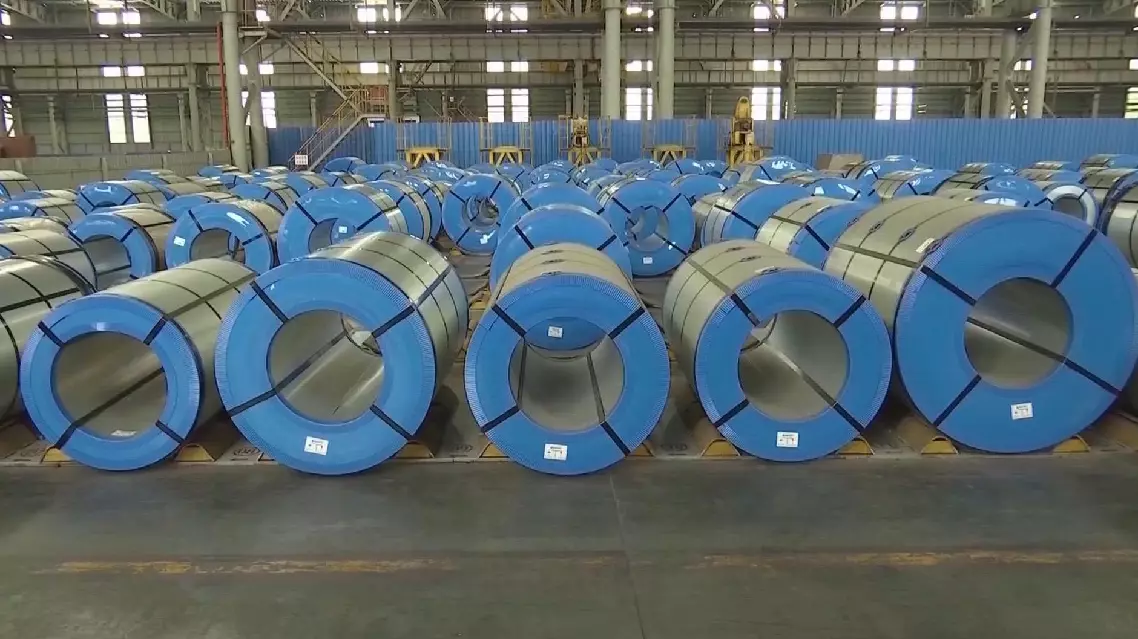
The price of aluminum, a key industrial metal used in automotive manufacturing, construction and packaging, has been climbing as production cuts in the Gulf region, logistical constraints and Iranian attacks on two regional producers over the weekend tightened supply.

On March 31, the benchmark London Metal Exchange (LME) three-month price for aluminum rose to 3,535 U.S. dollars per metric ton, a year-on-year increase of around 40 percent.

Iran's Islamic Revolutionary Guard Corps (IRGC) said on Sunday that they launched missile and drone strikes on aluminum plants in Bahrain and the UAE that are linked to the U.S. military and aerospace industries, in retaliation for U.S.-Israeli attacks on Iranian steel factories.

Emirates Global Aluminium issued a statement saying that its Al Taweela site in the Khalifa Economic Zone in Abu Dhabi was severely damaged after Iranian strikes, with some employees injured.

Aluminum Bahrain confirmed in a statement on Sunday that some of its facilities were struck by Iranian attacks, resulting in injuries to two employees.

The two aluminum plants have a combined annual output of 3.2 million tons, more than half of the approximately 6 million tons of aluminum produced every year by Gulf Cooperation Council (GCC) member states.

The region is a key source of aluminum supply, accounting for about 9 percent of global production.

Goldman Sachs on Tuesday raised its LME aluminum price forecast from 3,200 U.S. dollars to 3,450 U.S. dollars per ton for the second quarter of 2026 after the attacks on the facilities.

Goldman Sachs also predicted a global primary aluminum market supply deficit of 570,000 tons in 2026, a sharp turnaround from its previous forecast of a 550,000-ton surplus.

Analysts point out that the aluminum market is currently facing multiple shocks, with shipping in the Strait of Hormuz disrupted, aluminum production facilities in the Gulf damaged or even shut down, and production in other parts of the world currently limited.

The impact will also spread to downstream enterprises in the coming months, with higher-cost aluminum alloys, primarily used in the aerospace, automotive, and construction industries, facing the most constrained supply, analysts said.

The Gulf region has long been a significant source of these high-end products, particularly for the European market, and also supplies manufacturers in the United States.

Aluminum prices climb as effects of Middle East tensions spread through global economy

Aluminum prices climb as effects of Middle East tensions spread through global economy

Recommended Articles