The China Pavilion at the 30th United Nations Climate Change Conference (COP30) in Belem, Brazil, on Thursday hosted a themed side event that unveiled new reports detailing China's progress in energy transition.
The event, part of the pavilion's "New Energy Day" program, introduced several key documents, including the China Energy Transition Outlook 2025 and the China Green Electricity Certificate Development Report.
China's special envoy for climate change, Liu Zhenmin, said China has achieved one of the world's fastest declines in energy intensity over the past decade, driven by rapid advances in its energy transition.
"Over the past ten years, China's energy consumption has grown at an average annual rate of 3.3 percent, supporting more than six percent of annual economic growth. China is among the countries with the fastest decline in energy intensity globally, which all thanks to the energy transition and the development of new energy sources," Liu said at the event.
In his remarks, Francesco La Camera, director-general of the International Renewable Energy Agency, said he hopes China's experience in energy transition and new energy development can serve as a reference for many developing countries.
"China's success story speaks to global reality. We have entered a phase where the question is no longer why renewables, but how to deliver any transition at industrial scale with systems that are fit for purpose," he said.
The newly released China Energy Transition Outlook 2025 is the latest result of long-term cooperation between China, Denmark and other countries. The report outlines China's advances in energy transition since 2024 and underscores the importance of international cooperation and technological innovation.
Denmark's climate ambassador Ole Thonke highlighted the strong results of international collaboration.
"Denmark and China have worked together on making the report on energy transition for decades. And it has been a very useful collaboration. What we are seeing right now is that electricity produced from renewable energy is now cheaper than producing electricity from coal or other fossil fuel," he said.
China's National Energy Administration (NEA) released the China Green Electricity Certificate Development Report at the event. Green certificates refer to renewable electricity certificates issued by the agency, with each one representing 1,000 kilowatt-hours of green power generated from renewable sources.
"In the first nine months of this year, China issued seven billion green certificates. Green certificates will play an important role in promoting green trade, helping Chinese products expand into overseas markets, and overcoming green trade barriers," said Li Chuangjun, said Li Chuangjun, head of the New Energy Department at the National Energy Administration.
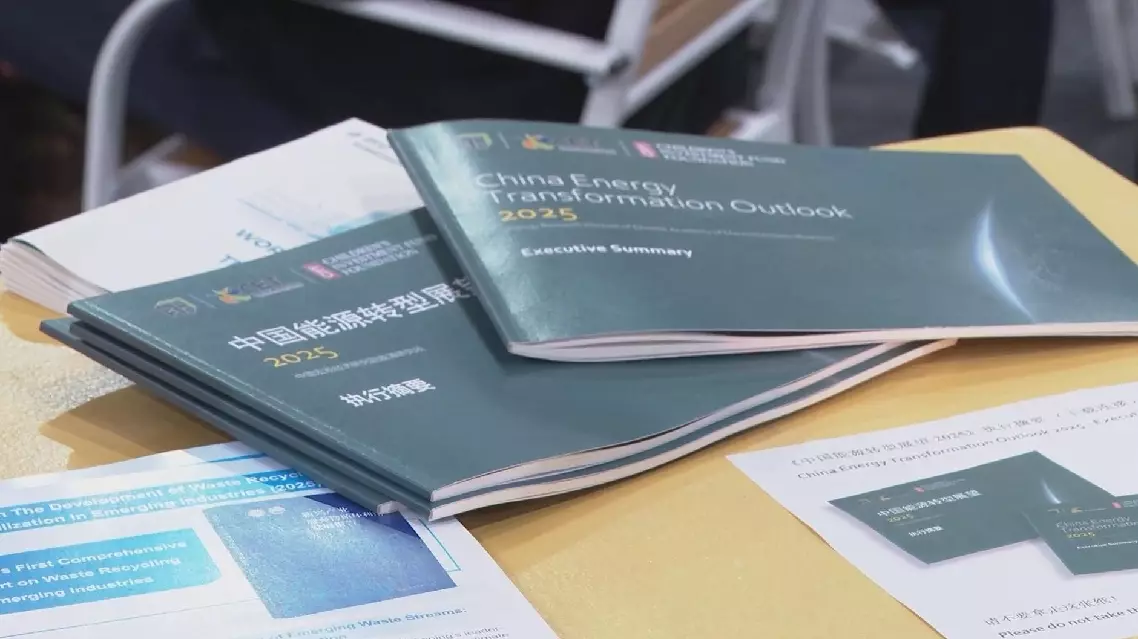
China unveils energy transition reports at COP30 China Pavilion event
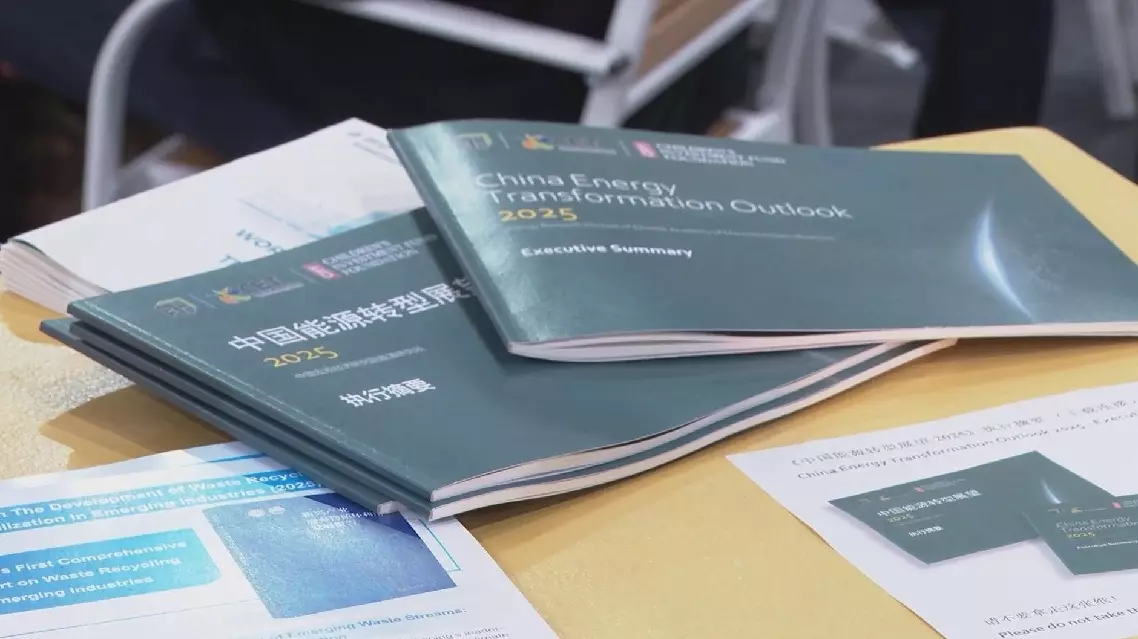
China unveils energy transition reports at COP30 China Pavilion event